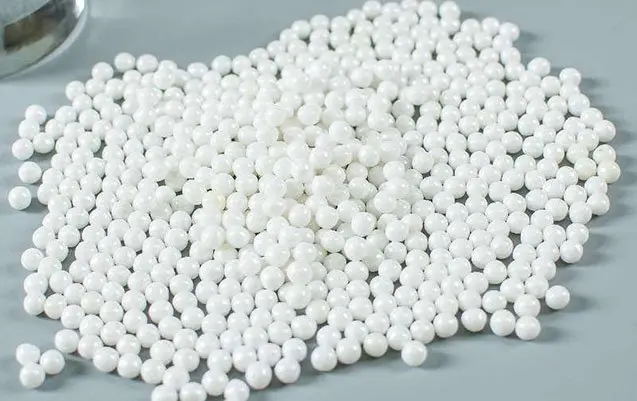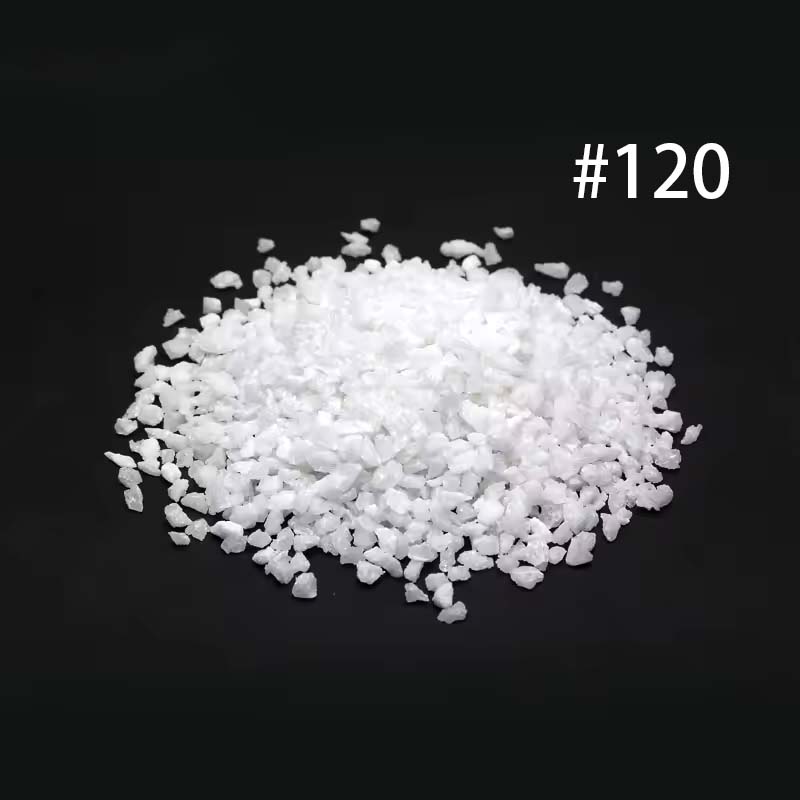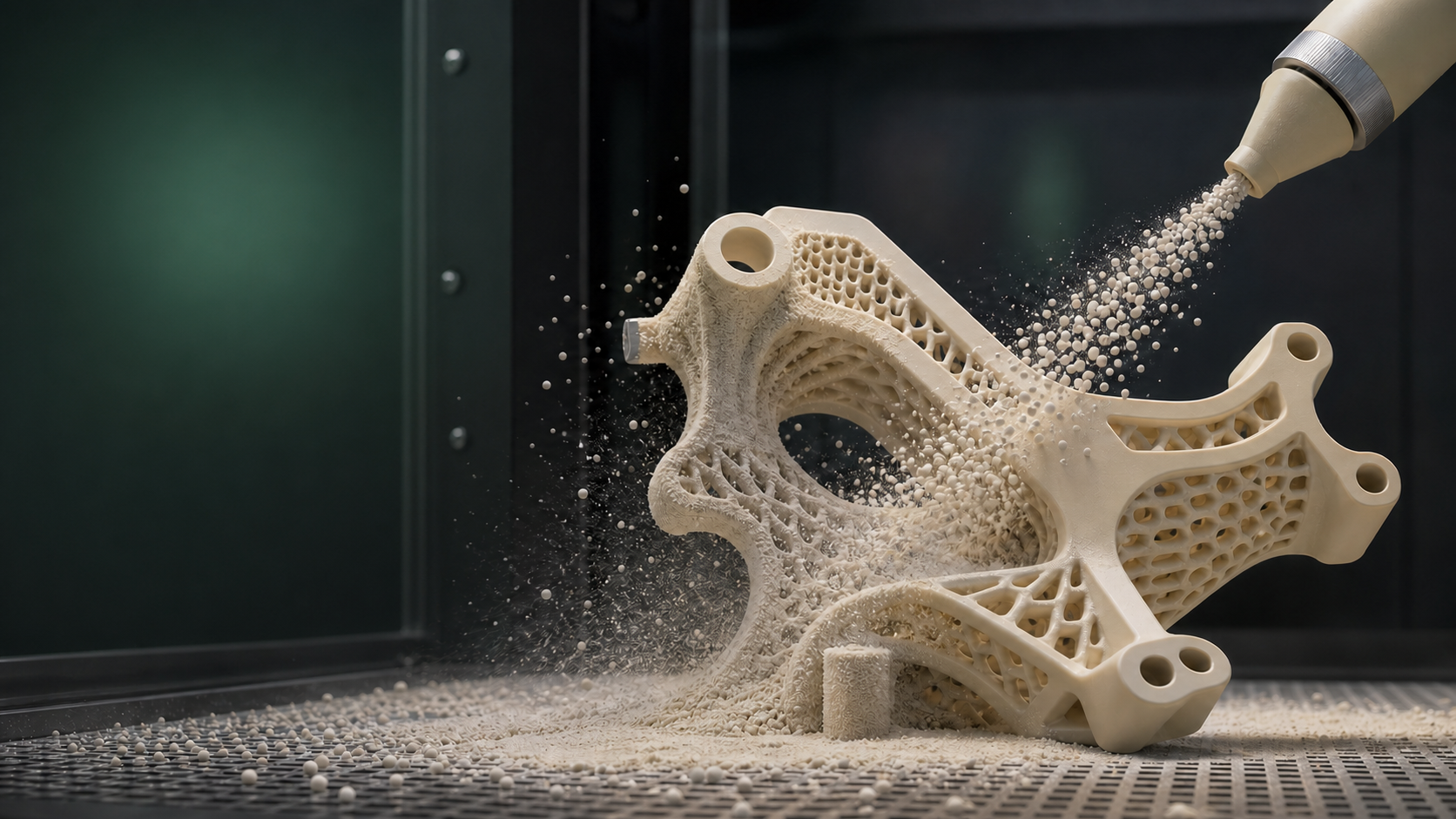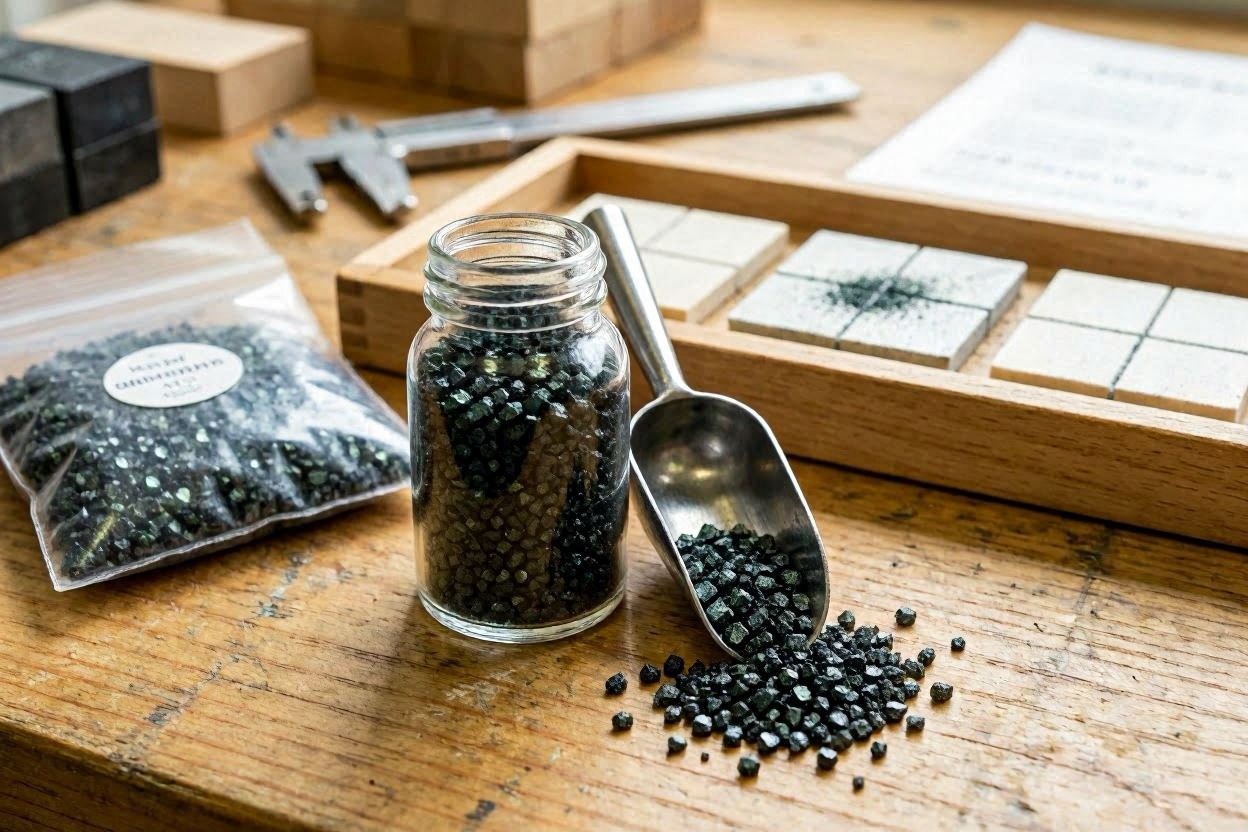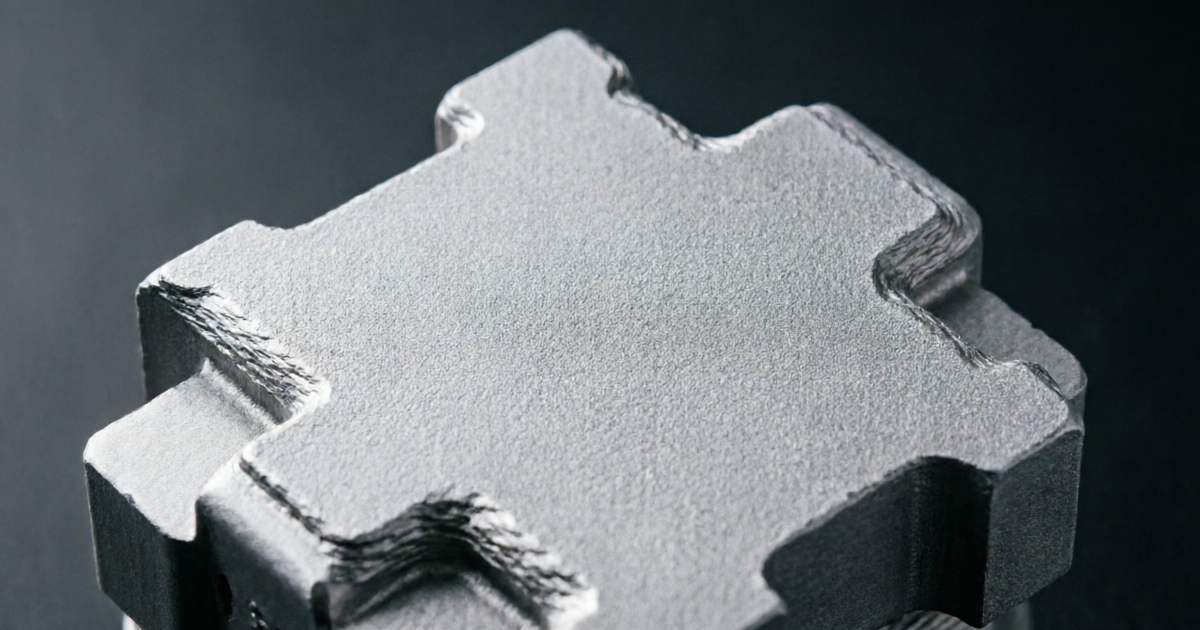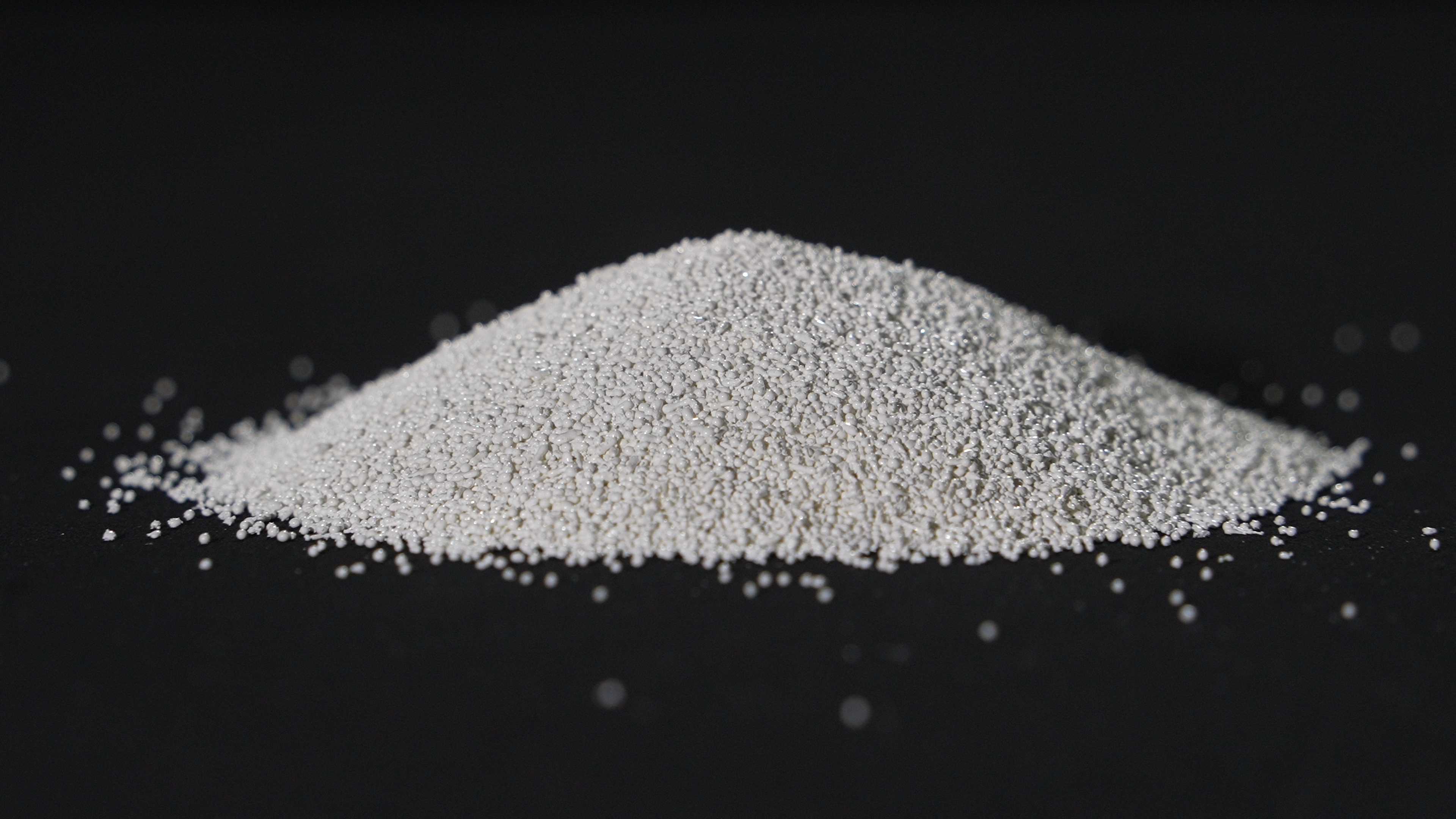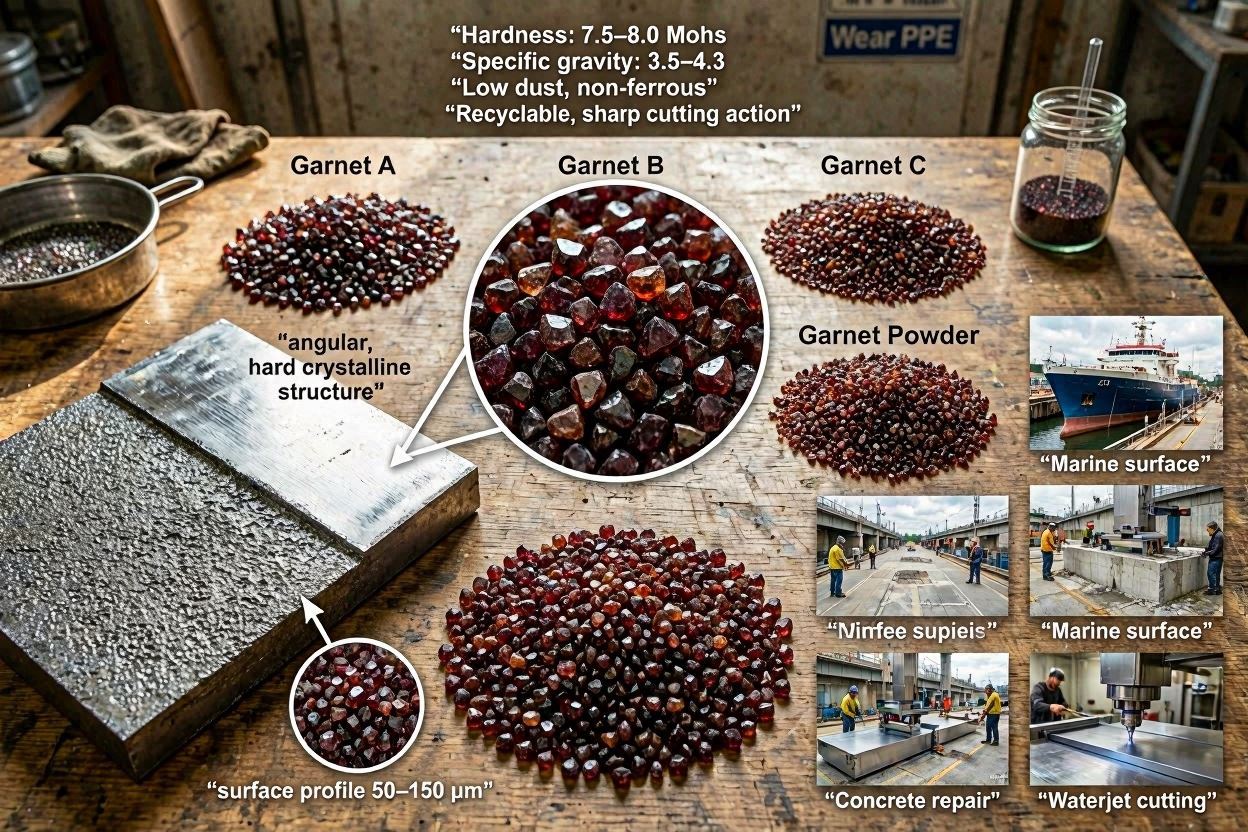
Quick answer: For stainless steel coating prep, ceramic beads usually win when you need a controlled satin, low embedment risk, and a finish that stays consistent across shifts. Garnet can still be the practical choice when you need aggressive cut and profile for thick coating systems. The right call depends on Ra target, contamination rules, and whether reclaim is part of the line.
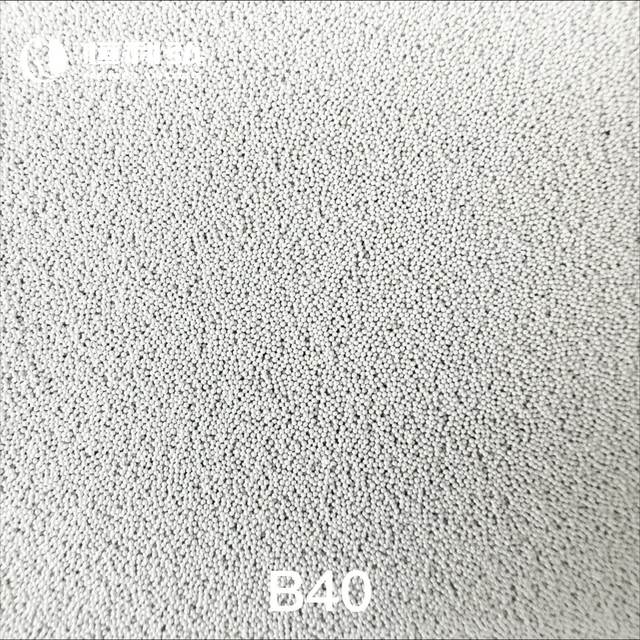
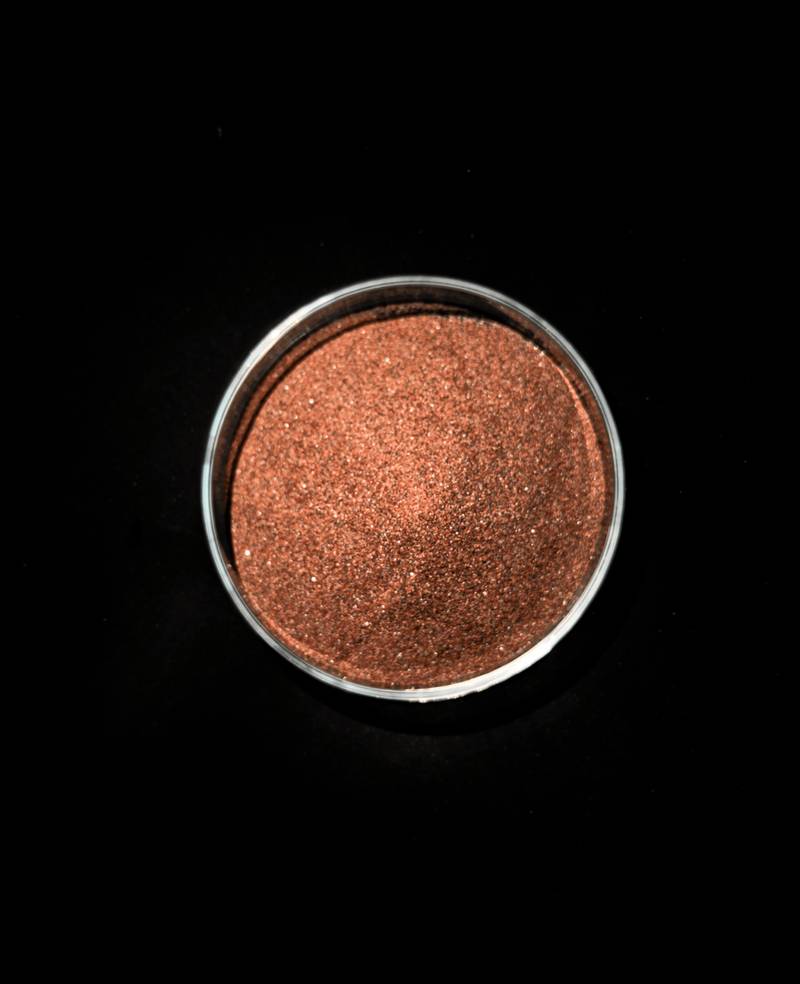
This guide compares ceramic beads and garnet for stainless steel before powder coating, with a shop-floor focus on profile vs cosmetic control—not brochure language.
Quick decision checklist
- Choose ceramic beads when you need repeatable satin, iron-free processing, or lower risk of sharp particle embedment.
- Choose garnet when the coating system demands a deeper angular profile and you can manage dust and media breakdown.
- If both look acceptable on coupons, lock Ra / visual class / adhesion checks before full production.
Side-by-side comparison
| Factor | Perles en céramique | Grenat |
|---|---|---|
| Best-fit goal | Controlled satin / low-contamination prep | Aggressive profile for coating bite |
| Forme des particules | Spherical | Angulaire |
| Surface risk | Lower gouge risk when grade/pressure match | Higher cut; watch over-blast on thin wall |
| Contamination | Iron-free ceramic helps on stainless/aluminum | Check dust and free silica handling rules |
| Media life | Often longer in closed reclaim loops | Breaks faster; more top-up |
| Key decision angle | finish consistency vs profile depth | Opposite trade-off on the same job |
| Cost pattern | Higher unit price, often lower scrap cost | Lower entry price, watch dust and rework |
| Trial advice | Prove Ra window and adhesion first | Do not copy ceramic settings blindly |
What matters most for stainless before powder coating
Engineers usually get burned by optimizing one metric only—blast speed, or “how rough it looks,” or bag price. For stainless coating prep, the durable process is the one that hits adhesion and cosmetic class with the least mid-shift tinkering.
Ceramic beads: where it tends to win
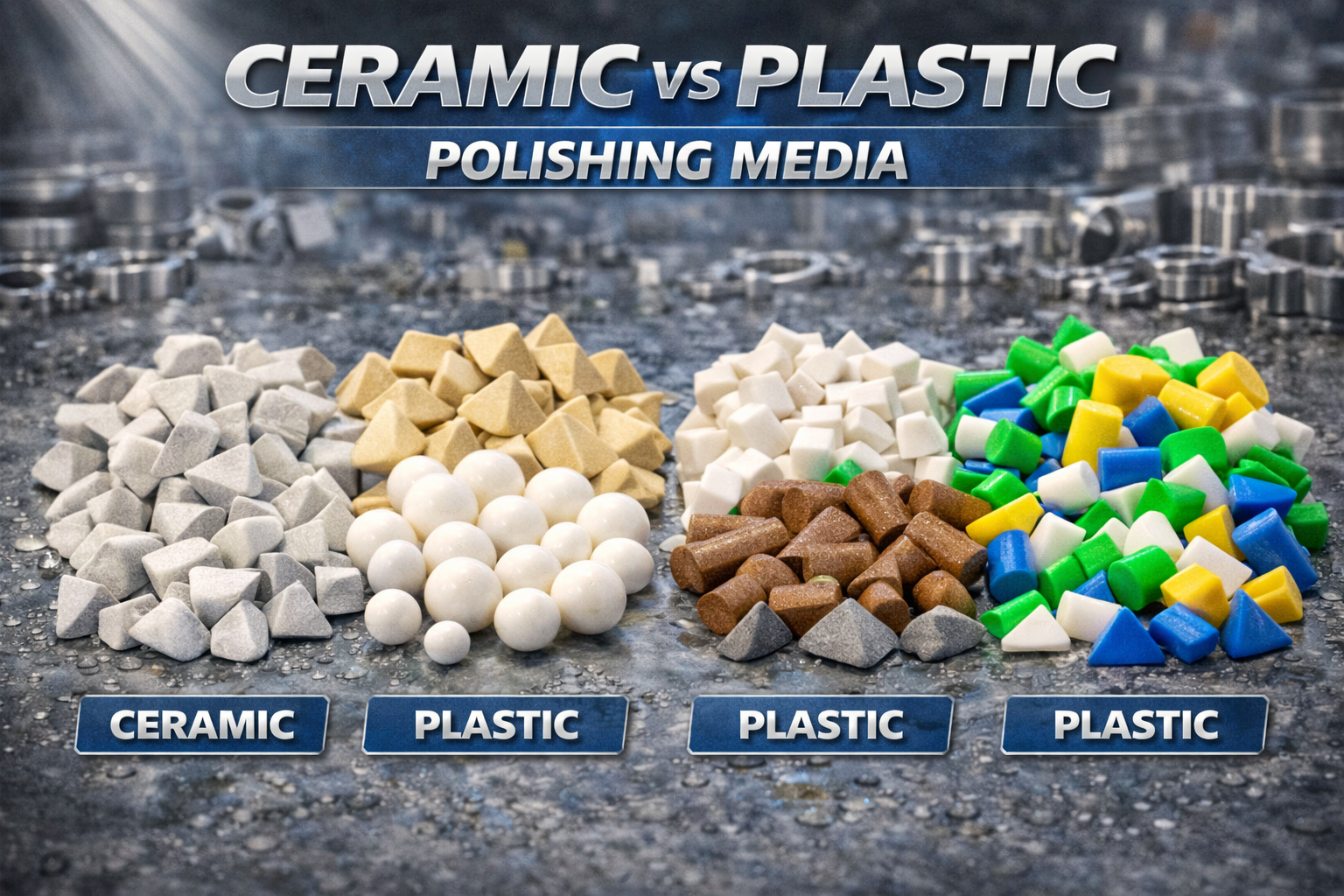
Ceramic beads is typically stronger when spherical impact, controlled texture, and iron-free media matter. In reclaim systems, that often means fewer surprise Ra shifts after a few hours of running. Matching B-series grade and classification discipline matters as much as brand labels.
Garnet: where it can still be right
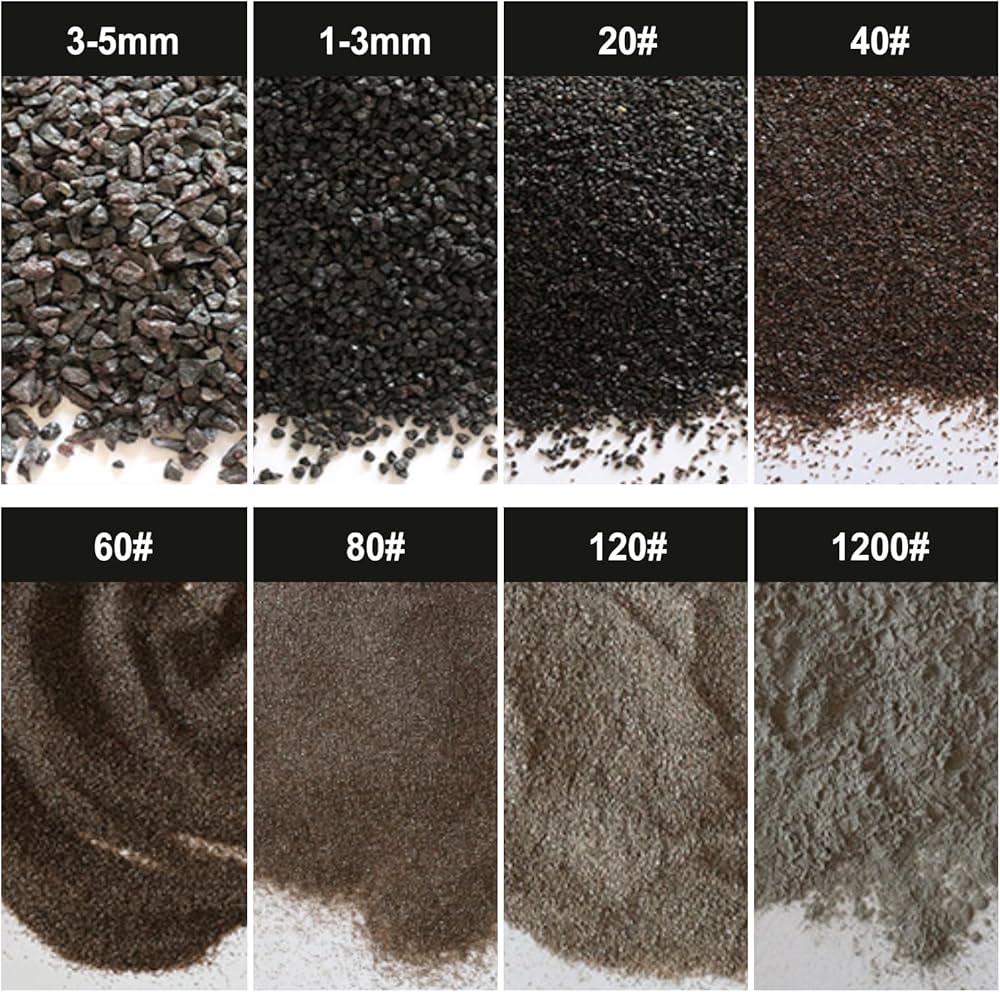
Garnet remains useful when the coating system is specified around an angular profile, or when you need faster stock removal before finishing. The mistake is copying pressure/flow from ceramic beads and expecting the same Ra and adhesion result.
Process notes that prevent scrap
- Start from the requirement (Ra, adhesion class, cosmetic grade), not from habit settings.
- Change one variable at a time—size grade, pressure, or flow—then re-check coupons.
- Keep reclaim classification honest. A “good media” filled with fines behaves like a different media.
- Document the accepted window so the next shift does not reinvent the process.
Cost thinking beyond the bag
Unit price is only the first line. Dust load, top-up frequency, rejected parts, and downtime usually decide the real cost for stainless coating prep. A higher-priced ceramic grade can still reduce cost per finished part when reclaim works and scrap drops.
FAQ
Is ceramic beads always better than garnet?
No. It is often better for controlled satin and iron-free stainless work, but garnet can win when a deeper angular profile is required by the coating system.
Can I mix both media types in one machine?
Avoid it for production control. Different density, hardness, and breakdown rates make the blend harder to keep inside a stable process window.
What should I put on the first trial request?
Share substrate, current media, target Ra or coating system, machine type (suction/pressure/wheel), and whether reclaim/classification is available. That short list prevents random grade guesses.
Need a production grade match for this use case? Review HLH ceramic beads for cleaning or browse the full ceramic media range, and send your current grade plus target finish for a practical recommendation.
Filtres