Garnet Mesh Size Chart: How to Choose the Right Grade
Pick the wrong mesh and you waste abrasive or miss your profile. This chart and decision guide matches every common garnet grade to the job it does best.
Get the Right Grade →How Mesh Size Works
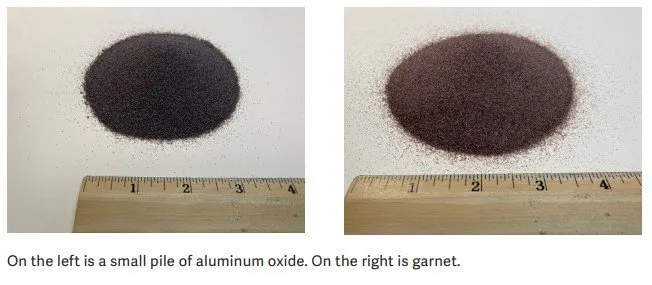
Mesh size refers to the screen openings used to grade the garnet. A 30/60 grade, for example, passes through a 30-mesh screen but is retained on a 60-mesh screen — so a higher number means finer grains. The trade-off is simple but important:
- Coarser grades (lower numbers) hit harder, cut faster through heavy build-up and create a deeper profile, but produce fewer impacts per area.
- Finer grades (higher numbers) deliver many more impacts per square foot, a higher peak density, a smoother finish and a tighter profile.
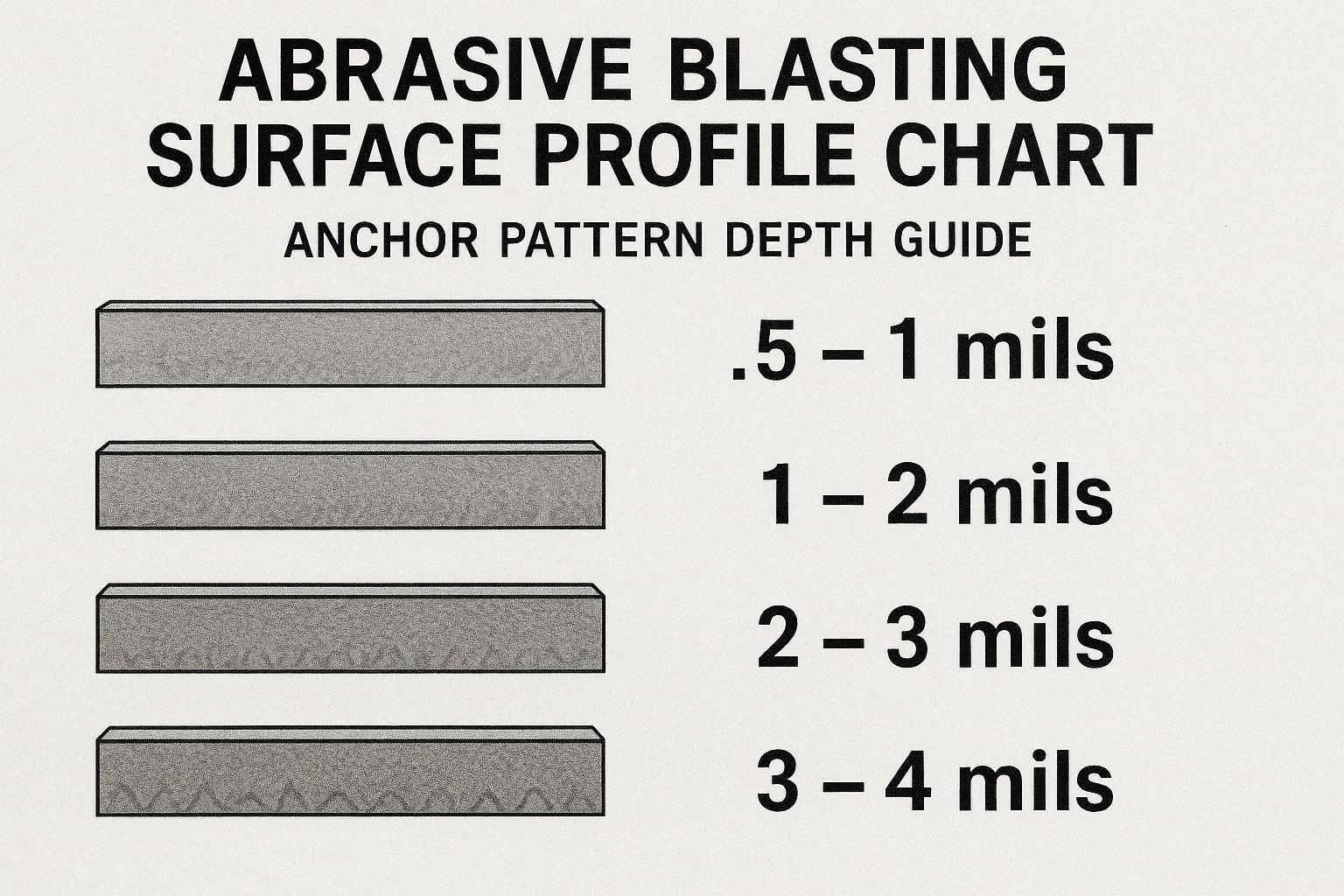
This grade choice flows directly from your required surface profile — see our garnet surface profile guide to work backward from your coating spec.
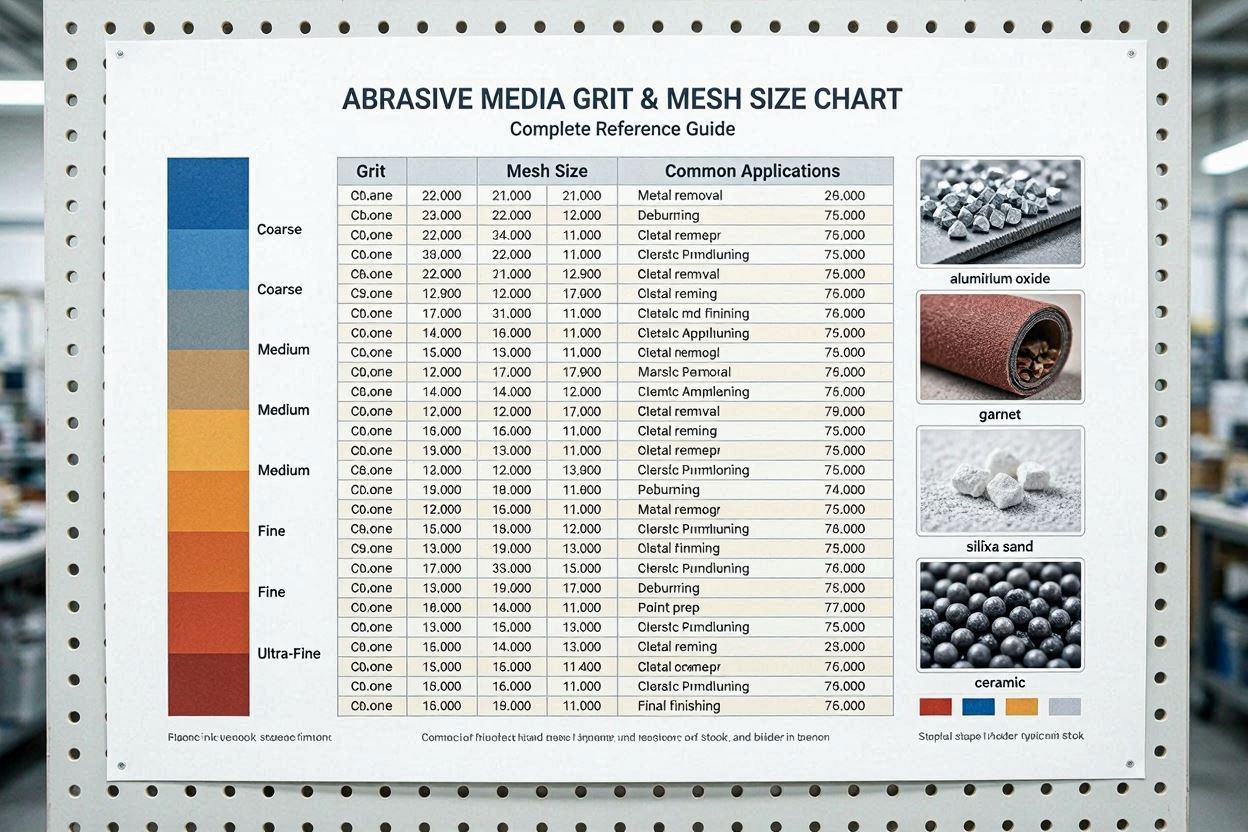
Garnet Mesh Size Chart
| Grade | Class | Profile (mil / µm) | Recommended For |
|---|---|---|---|
| 20/40 | Coarse | 3.5–4.5 / 90–115 | Heavy mill scale, thick coatings, deep profile |
| 30/60 | Medium (standard) | 2.5–3.5 / 65–90 | General steel surface prep |
| 80 | Fine | 1.5–2.5 / 40–65 | Thin coatings, smoother finish, waterjet |
| 120 | Very fine | 1.0–2.0 / 25–50 | Stainless, aluminium, glass, precision |
| 150 | Ultra-fine | < 1.0 / < 25 | Delicate substrates, matte/etch finish |
How to Choose Your Grade
- Start with the coating spec. The required anchor profile dictates the workable grade range.
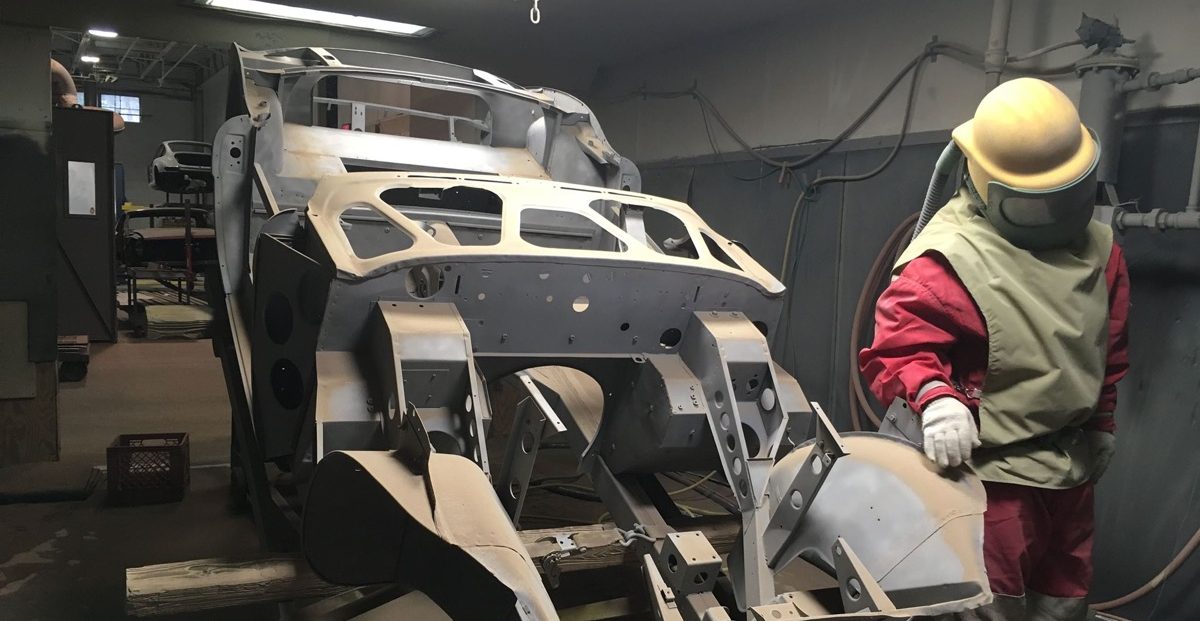
- Assess the substrate. Hard steel tolerates coarse grades; thin or soft metals need fine grades to avoid warping or embedding.
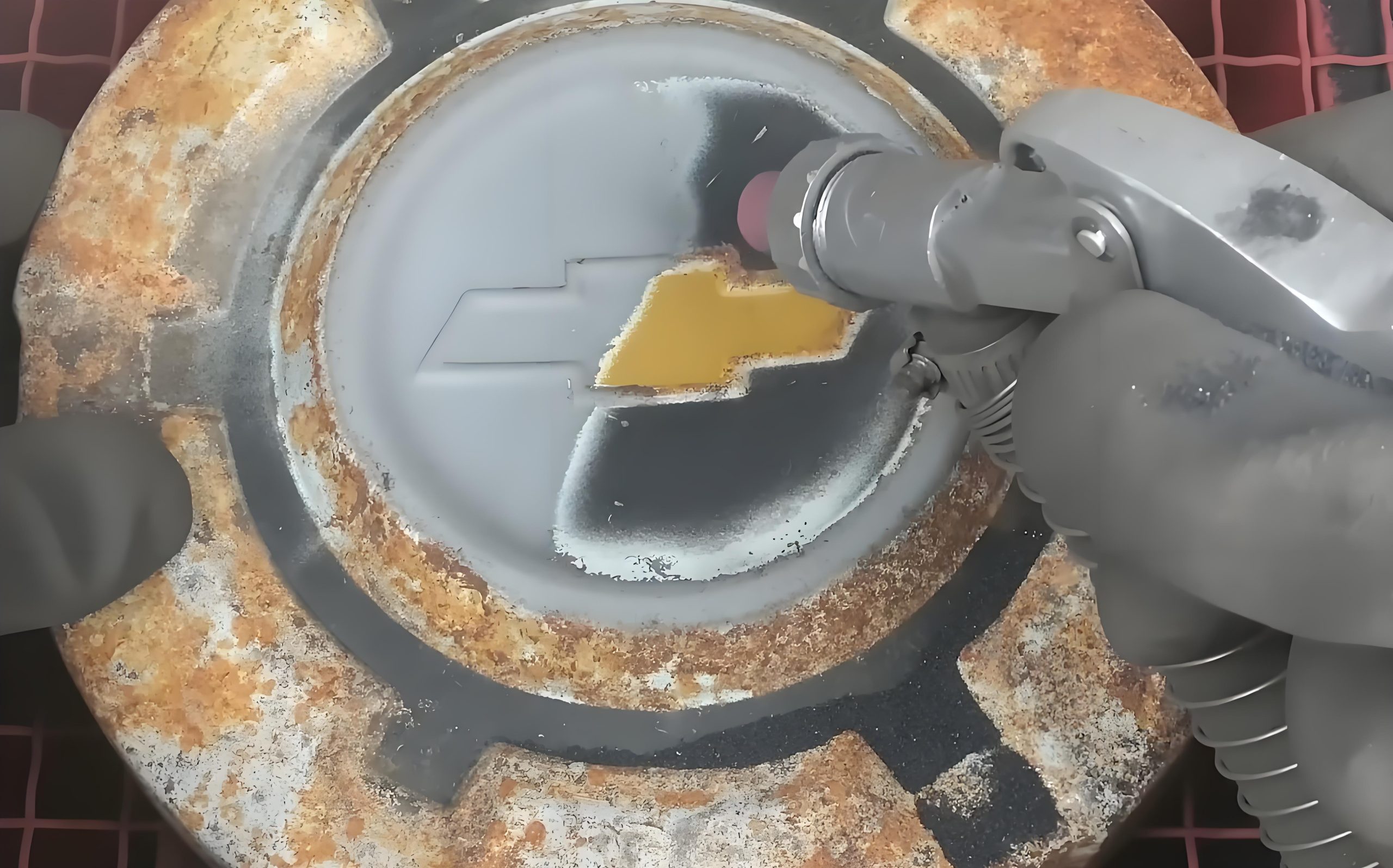
- Match the contamination. Heavy scale calls for coarse cutting power; light rust prefers a finer, higher-impact grade.
- Factor in recovery. If you reclaim and reuse, coarse and medium grades last more cycles.
Default choice: when in doubt on steel, 30/60 is the industry standard and a safe starting point for most general surface-preparation work.
Common Mistakes
- Defaulting to coarse for everything — it wastes abrasive and can over-blast thin substrates.
- Using too fine a grade on heavy scale, which slows production dramatically.
- Ignoring profile requirements and choosing by habit rather than spec.
Get the grade right and you can lift blasting rates and trim abrasive use at the same time. For the bigger picture across all grades and applications, return to our master guide on garnet abrasive blast media.
Questions fréquemment posées
What is the most common garnet grade?
30/60 mesh is the industry-standard medium grade, used for the majority of general steel surface-preparation jobs.
Which garnet grade is best for waterjet cutting?
Tightly graded 80 mesh is the most common waterjet grade, with 120 mesh used for finer, more precise cuts.
What grade should I use on stainless steel or aluminium?
Use fine grades such as 80 or 120 mesh to clean and finish without embedding contamination or damaging the softer substrate.
Order the Exact Grade You Need
Jiangsu Henglihong Technology stocks the full mesh range, graded to spec with a certificate of analysis. Tell us your application for a recommendation and quote.
Get a Quote →Filtres