Shot Peening Process – Industrial Surface Treatment Guide
Primary keyword: granallado · Secondary: Almen intensity, fatigue improvement, surface treatment processes
Introduction to Shot Peening
Shot peening is a cold working process that introduces compressive residual stress into metal surfaces, improving fatigue life, reducing stress corrosion cracking, and enhancing resistance to crack initiation. For an overview of how shot peening integrates into broader surface finishing workflows.

Peening Mechanism
High-velocity shots impact the component surface, creating plastic deformation pits. The surface layer undergoes compression while the subsurface experiences tensile stresses. Controlled compressive stress improves fatigue resistance significantly.
Key outcomes:
- Increased fatigue strength by 20–50% depending on material and coverage
- Reduction of stress concentrators such as scratches and micro-notches
- Improved coating adhesion in subsequent surface treatments
Equipment & Shot Selection
Types of equipment:
- Air blast peeners: high-pressure air propels shot
- Wheel blast peeners: rotating wheel accelerates shot
- Automated robotic peening systems for high-volume production
Shot media selection:
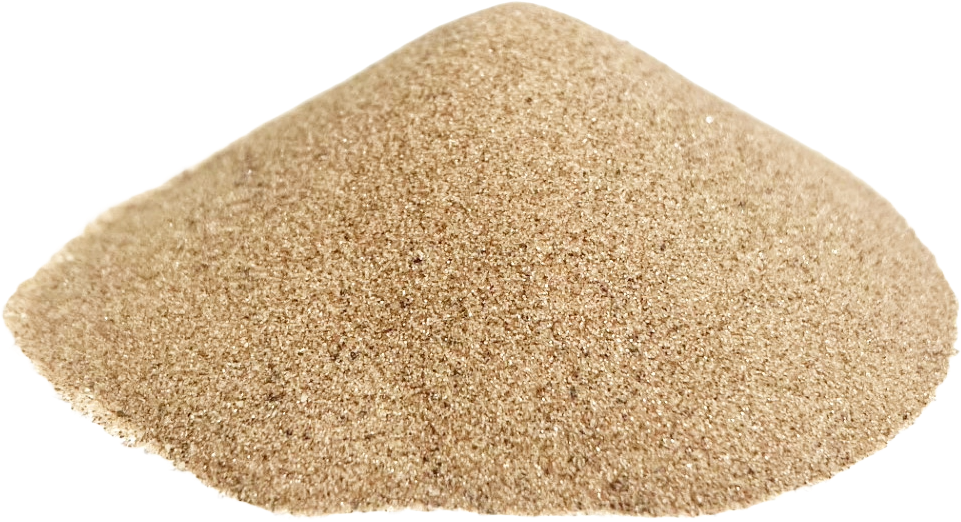
- Steel shots (S110–S230) for medium to high-strength steels
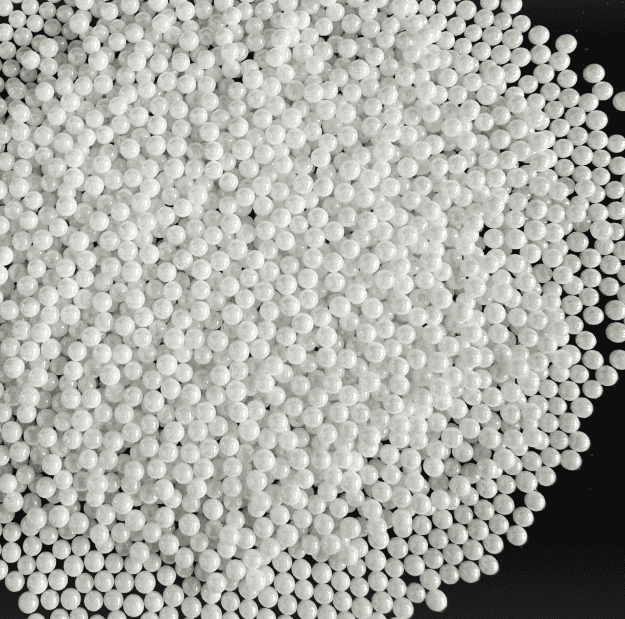
- Ceramic beads for aluminum alloys and sensitive substrates
- Size and hardness affect Almen intensity and surface coverage

Process Parameters
- Nozzle distance: 150–300 mm
- Nozzle speed: 0.5–2 m/s depending on part size
- Shot flow rate: 2–10 kg/min (material dependent)
- Coverage target: ≥98% of critical surface
- Almen intensity: 0.10–0.40 mm A (adjust per spec)
Almen Testing & Coverage
Almen strips measure peening intensity. Place strips adjacent to components to calibrate process parameters. Coverage verification is done using visual inspection, dye penetrant, or replica tape methods. Proper documentation ensures reproducibility and compliance with fatigue specifications.
Pilot Protocol
- Define component and fatigue targets (residual stress, Ra, coverage)
- Run sample batch (n=30–50 parts) under proposed parameters
- Measure Almen intensity and coverage
- Inspect dimensional change and surface quality
- Document results and adjust process as needed
Quality Control & Metrics
| Metric | Unit | Target | Method |
|---|---|---|---|
| Almen intensity | mm A | 0.10–0.40 | Almen gauge |
| Cobertura | % | >=98 | Visual / dye penetrant / replica tape |
| Dimensional change | mm | <0.05 | CMM / calipers |
| Surface roughness (Ra) | μm | 0.5–2.0 | Profilometer |
Applications & Case Studies
1. Automotive steel springs: Almen intensity 0.20 mm A, coverage 99%, fatigue life increased by 35%.
2. Aerospace aluminum landing gear components: Ceramic shot, 0.15 mm A, minimal surface distortion, improved coating adhesion.
3. Industrial shafts: Wheel blast peening, steel shot, 0.25 mm A, reduced crack initiation under cyclic loading.
Safety Considerations
- PPE: respirator, gloves, eye protection
- HEPA-filtered ventilation to control dust and particles
- Regular machine maintenance to prevent nozzle or media hazards
- Proper storage and handling of shot media
Filtros