Industrial Machinery Applications – Surface Treatment for Durable Parts
Introduction to Industrial Machinery Applications
Industrial machinery operates under high mechanical loads, continuous friction, and sometimes severe thermal conditions. Components such as gears, shafts, bearings, and pump casings demand reliable surface integrity to prevent wear, corrosion, and fatigue-related failures. Surface treatment, therefore, plays a decisive role in ensuring long-term performance and durability of these machine parts.
In essence, industrial surface treatment combines mechanical and chemical processes to modify the outermost layer of metal components, enhancing their mechanical strength, smoothness, and resistance to degradation. The use of abrasive media such as aluminum oxide, zirconia beads, and ceramic media ensures controlled finishing results with quantifiable improvements.
This cluster explores how abrasive-based finishing techniques are applied across industrial machinery sectors, presenting detailed process analysis, media selection guidelines, and case studies demonstrating tangible benefits.
For a broader view of cross-industry usage, visit the Industry Applications – Real-World Use Cases of Abrasive Media and Surface Treatment pillar page.

Key Surface Treatment Processes Used in Industrial Machinery
Industrial surface treatment involves multiple stages—cleaning, strengthening, and finishing. The most common techniques include granallado, surface cleaningy eliminación de revestimientos. Each addresses specific functional goals such as increasing fatigue resistance, removing contaminants, or preparing surfaces for coating.
1. Shot Peening
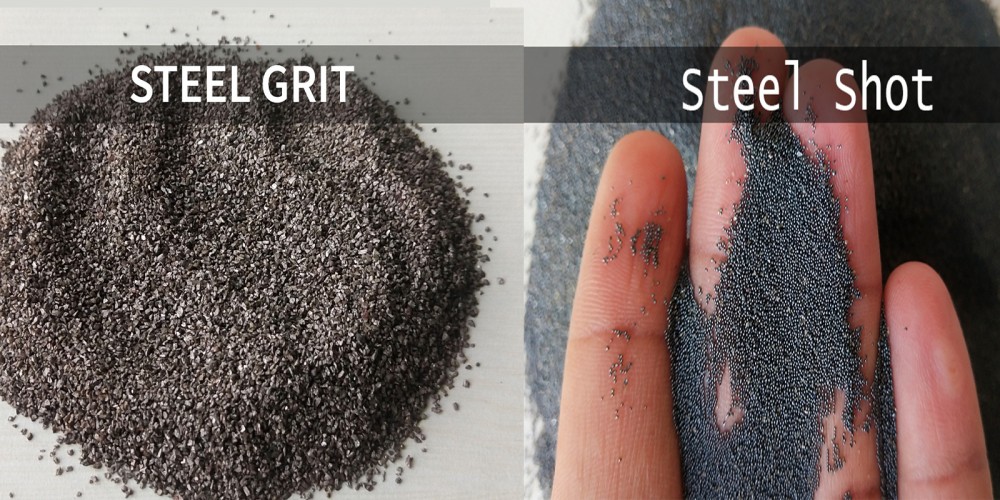
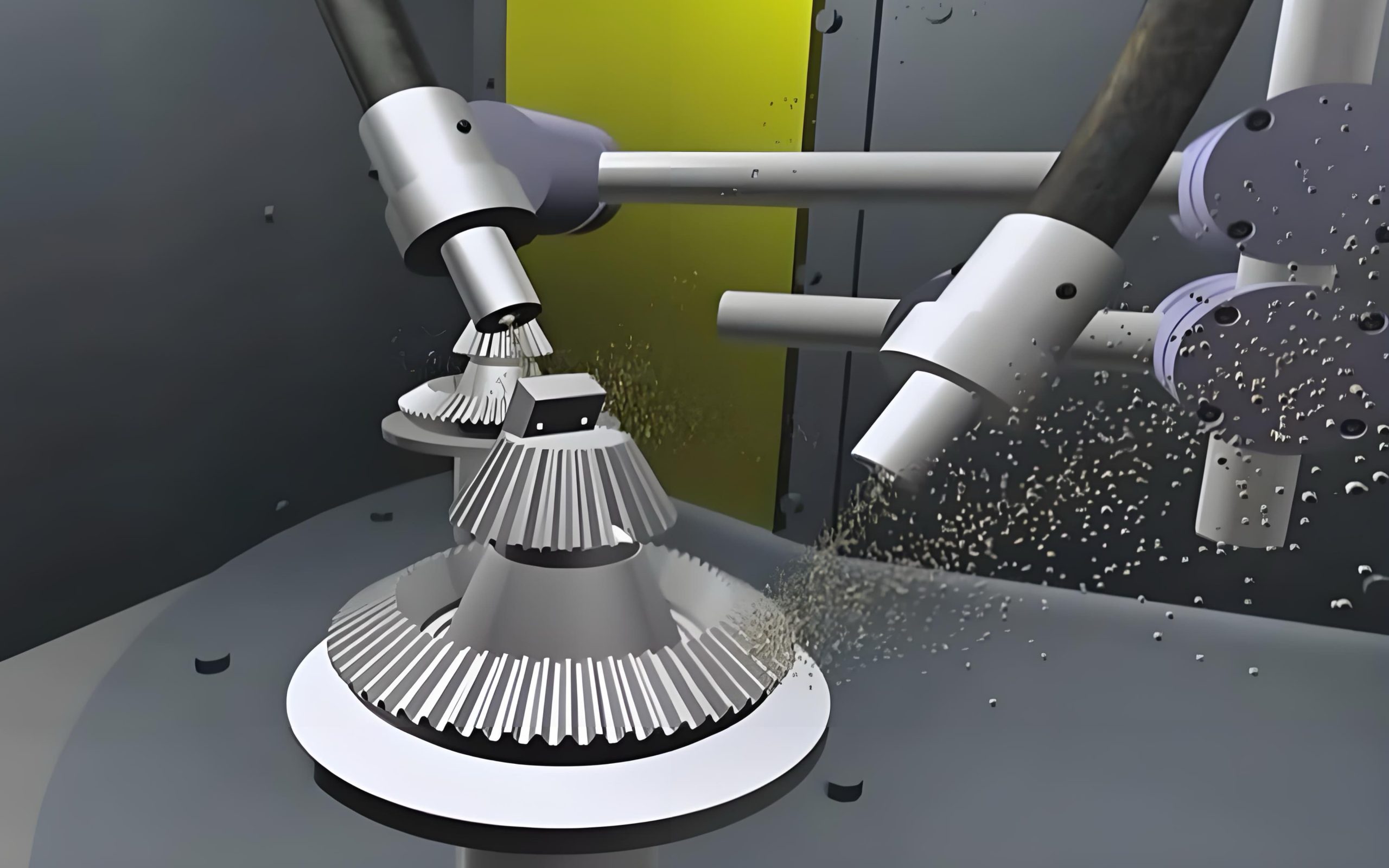
Shot peening introduces compressive residual stress into the component surface using spherical media, typically zirconia or ceramic beads. This process delays crack initiation and propagation, significantly improving fatigue strength in rotating or high-stress components like crankshafts, gears, and springs.
Typical process parameters include:
- Media: Zirconia beads (0.4–0.8 mm)
- Intensity: 0.008–0.012A (Almen scale)
- Coverage: 100–150%
- Air pressure: 5–7 bar
2. Surface Cleaning
Surface cleaning removes oxides, rust, and residues accumulated during machining or storage. It is essential before painting, coating, or bonding operations to ensure proper adhesion. Aluminum oxide is widely used for this purpose because of its sharp angular shape and high hardness.
- Abrasive type: Aluminum oxide (80–120 mesh)
- Pressure: 4–6 bar
- Surface profile: 25–60 µm (Ra)
3. Coating Removal
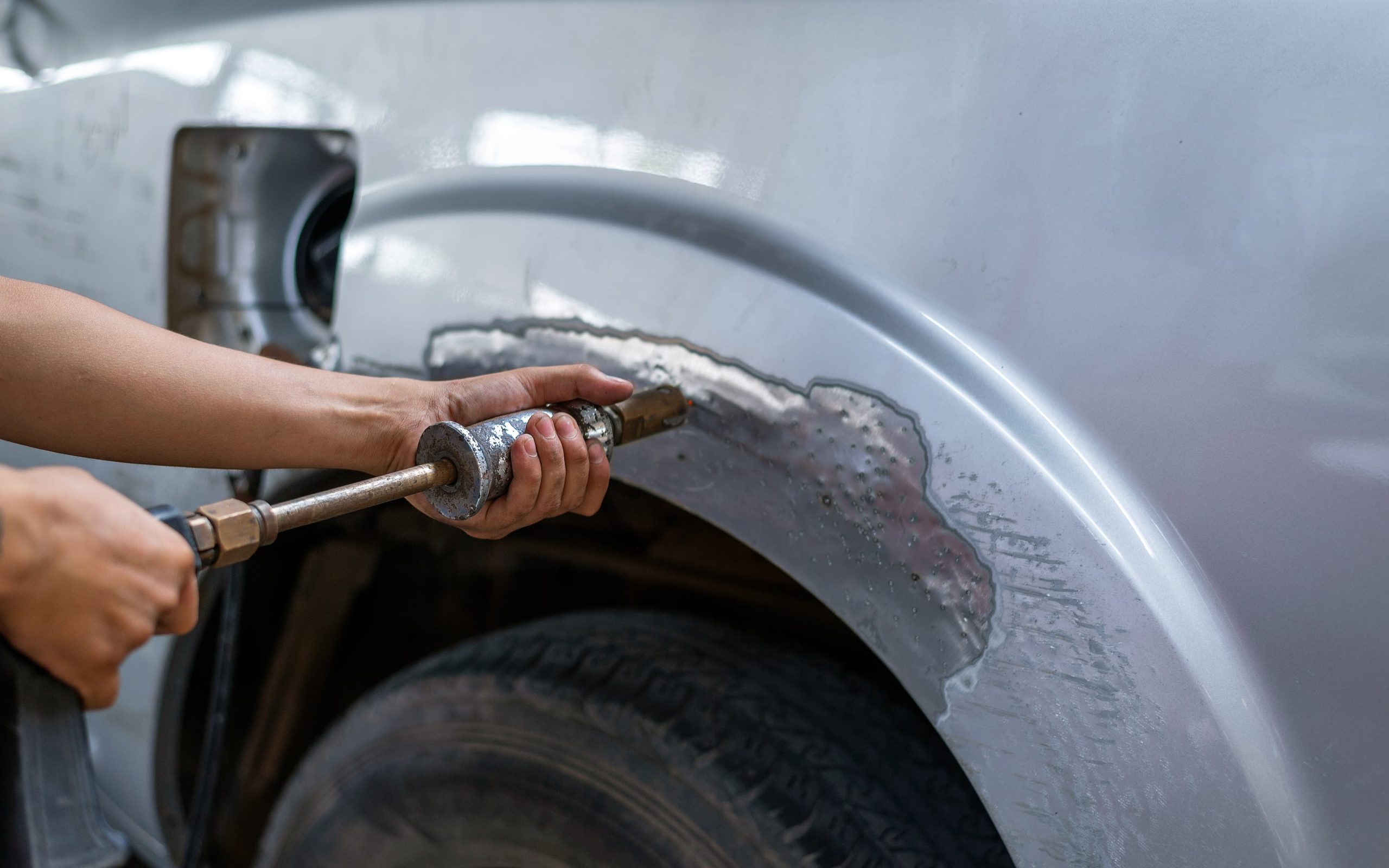
Old paints, corrosion layers, or worn coatings must often be stripped before recoating. Mechanical blasting using aluminum oxide or ceramic grit provides a precise, environmentally safe alternative to chemical stripping. Proper parameter control ensures coating removal without surface distortion or microcracking.
Media Selection for Industrial Components
Selecting the correct abrasive media determines both the efficiency and quality of surface treatment. The table below summarizes the most commonly used media in industrial machinery and their corresponding applications.
| Tipo de medio | Material | Primary Application | Ventajas |
|---|---|---|---|
| Óxido de aluminio | Al2O3 | Rust removal, coating preparation | High cutting ability, reusable, minimal contamination |
| Cuentas de circonio | ZrO2 | Shot peening, fatigue strengthening | High impact strength, low dust, improved fatigue resistance |
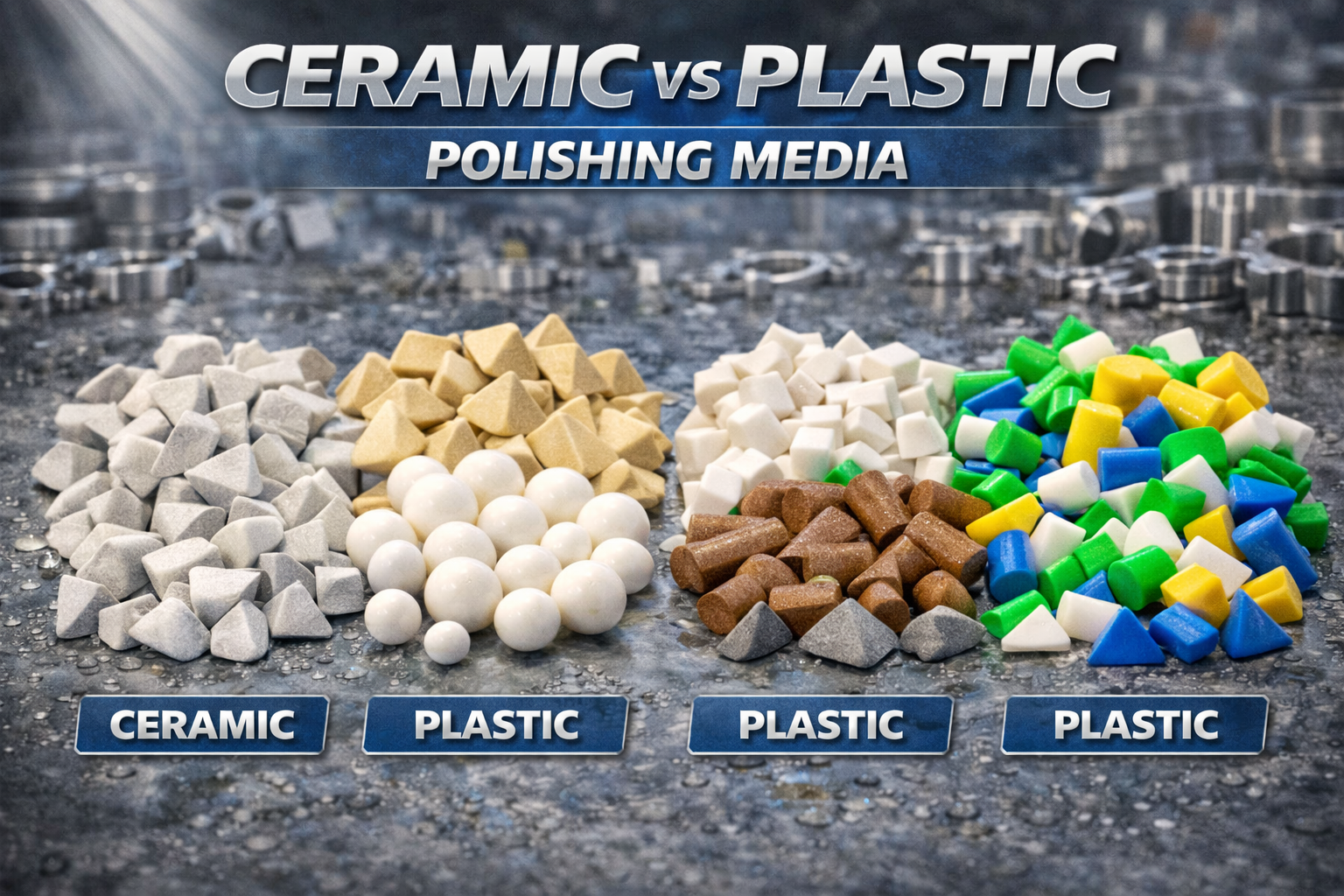
| Medios cerámicos | Alumina-silicate composite | Deburring, finishing, polishing | Balanced hardness, geometry versatility |
Compare Abrasive Media Performance in Detail
1. Aluminum Oxide – Efficient Cleaning and Coating Preparation
Due to its angular morphology and hardness (~9 Mohs), aluminum oxide quickly removes contaminants without excessive media breakdown. In industrial pump housings or cast components, it provides a consistent profile for better coating adhesion. Typical consumption rate: 5–8 kg/m² for moderate contamination levels.
2. Zirconia Beads – Fatigue Life Enhancement
Zirconia beads, with density around 6.0 g/cm³, are excellent for peening and strengthening applications. The high-impact energy they deliver improves component fatigue resistance by up to 40% in gears and shafts. Post-peening roughness typically stabilizes between Ra 0.4–0.7 µm.
Learn about Zirconia Beads Applications
3. Ceramic Media – Finishing Complex Parts
Ceramic media is ideal for controlled deburring and polishing in vibratory or centrifugal systems. It helps achieve micro-smooth surfaces on compressor impellers, pump blades, and gearbox components where dimensional precision is critical. Depending on geometry, process cycles last between 20–90 minutes.
View Ceramic Media for Finishing
[Insert Image: Comparison of media types in industrial finishing results]
Case Studies: Real-World Industrial Applications
Case Study 1 – Gear Deburring and Strengthening
A heavy-machinery gear manufacturer experienced frequent fatigue failures at tooth roots. After implementing zirconia bead shot peening at 0.010A intensity, compressive residual stress increased to 600 MPa, and fatigue life improved by 38%. Combined with post-peening polishing using ceramic media, overall noise reduction reached 12%.
Case Study 2 – Pump Housing Surface Preparation
A chemical processing plant used aluminum oxide blasting before recoating corroded pump housings. With controlled 5-bar pressure and 100-mesh grit, surface cleanliness reached SA 2.5 standard, ensuring optimal epoxy coating adhesion and extending maintenance cycles by 50%.
Case Study 3 – Bearing Finishing for Reduced Friction
An industrial bearing manufacturer integrated vibratory finishing using ceramic media followed by micro-polishing. The coefficient of friction (COF) decreased from 0.12 to 0.08, increasing bearing efficiency and lifespan under continuous load operation.
[Insert Image: Before and after surface treatment of gear and pump components]
Applying These Insights to Your Own Production
To replicate these industrial successes, it’s crucial to apply surface treatment techniques with precision control. Engineers should begin by defining the target properties—such as wear resistance, fatigue strength, or corrosion performance—and then choose the appropriate abrasive process.
- Identify Functional Requirements: Determine if the goal is improved fatigue life, coating adhesion, or surface refinement.
- Select Proper Media: Match hardness, density, and grain size with material and target finish.
- Optimize Parameters: Adjust pressure, cycle time, and coverage based on test results.
- Measure and Validate: Use surface roughness (Ra), hardness, or salt-spray test results as quantitative metrics.
These principles are not limited to heavy machinery—other sectors such as aeroespacial y automotive apply similar methodologies.
For a comprehensive overview of how abrasive media enhances multiple industries, visit the Industry Applications – Real-World Use Cases of Abrasive Media and Surface Treatment pillar page.
Conclusion & Call to Action
Surface treatment stands as a crucial factor in maximizing industrial machinery reliability and performance. From removing burrs to enhancing fatigue strength, the proper use of abrasive media can dramatically reduce downtime and extend service intervals.
If you are seeking to improve operational efficiency or durability of your components, consider exploring customized abrasive solutions tailored to your industry needs.
Request a Quote or contact a surface treatment specialist to discuss your application today.
Filtros