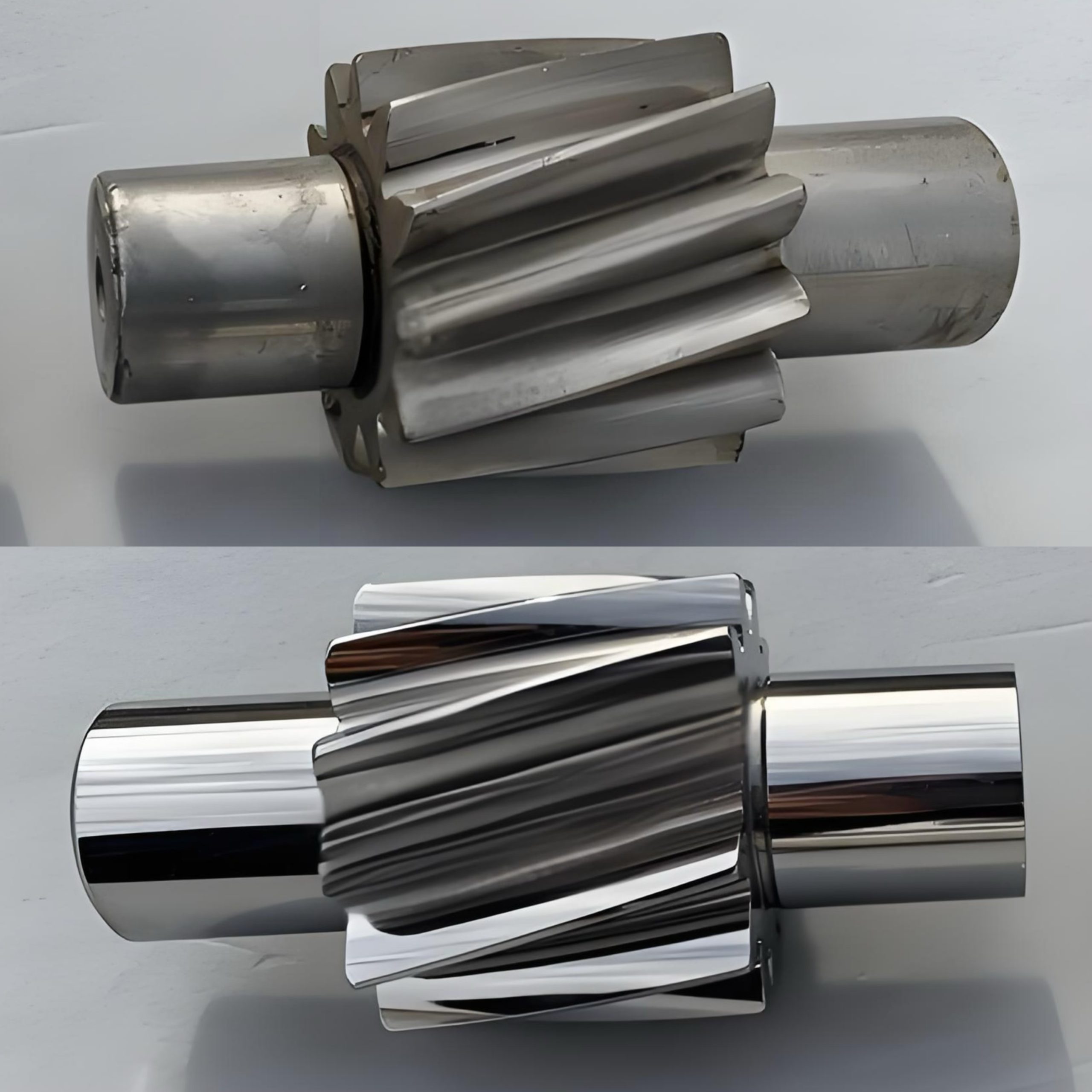
Ceramic Polishing Media: Engineering Guide to Surface Finish Control, Ra Optimization, and High-Quality Mass Finishing
What Is Ceramic Polishing Media
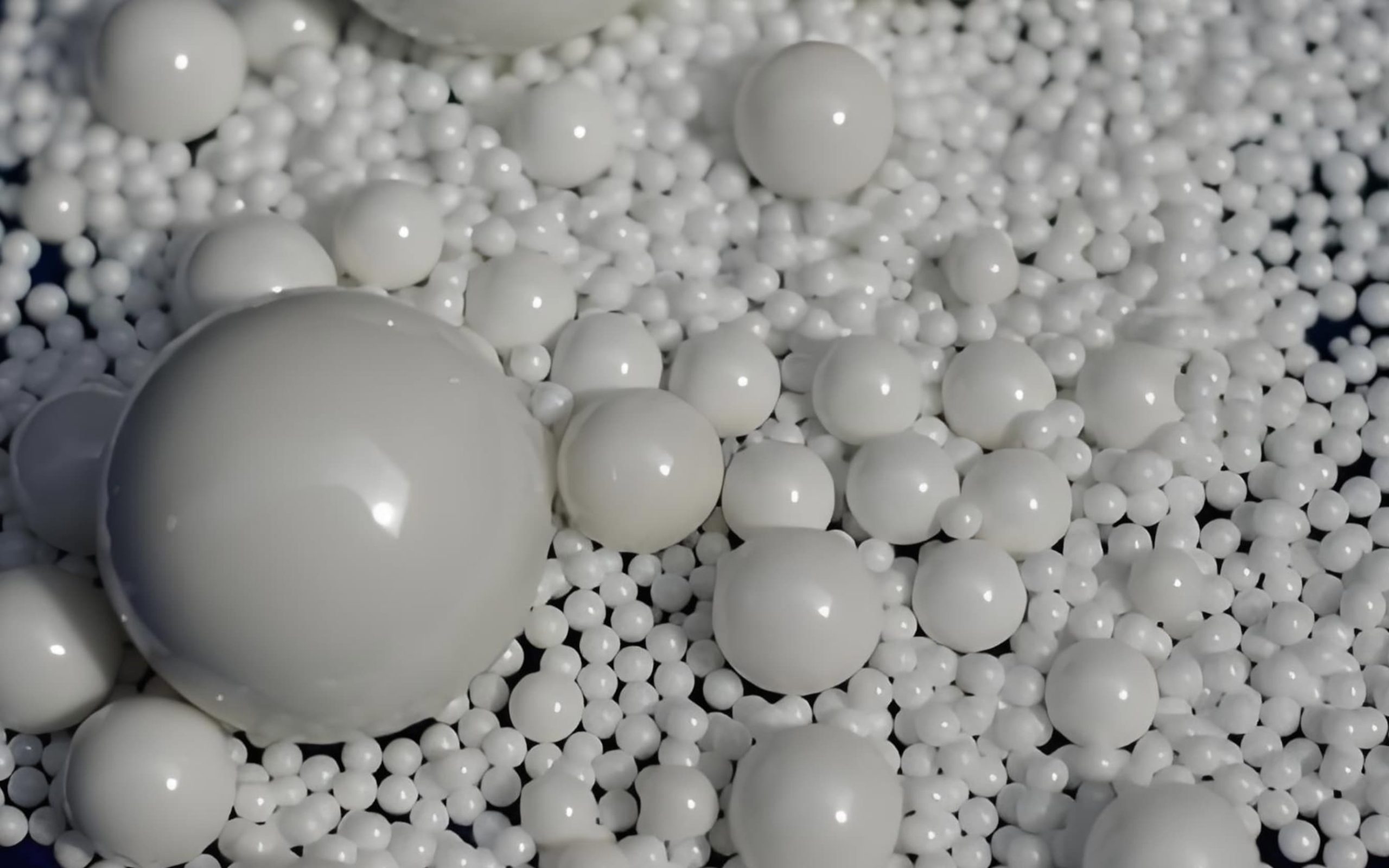
Ceramic polishing media is formulated with reduced abrasive concentration, finer abrasive grain size, and controlled bulk density to enable gradual surface smoothing rather than rapid material removal. Its primary function is to lower Ra values, eliminate machining haze, and create a uniform, process-stable surface suitable for anodizing, plating, coating, or direct assembly.
Different ceramic polishing media grades are designed to target specific Ra ranges and material sensitivities, making grade selection a critical engineering decision.
Surface Finish Mechanism and Polishing Behavior
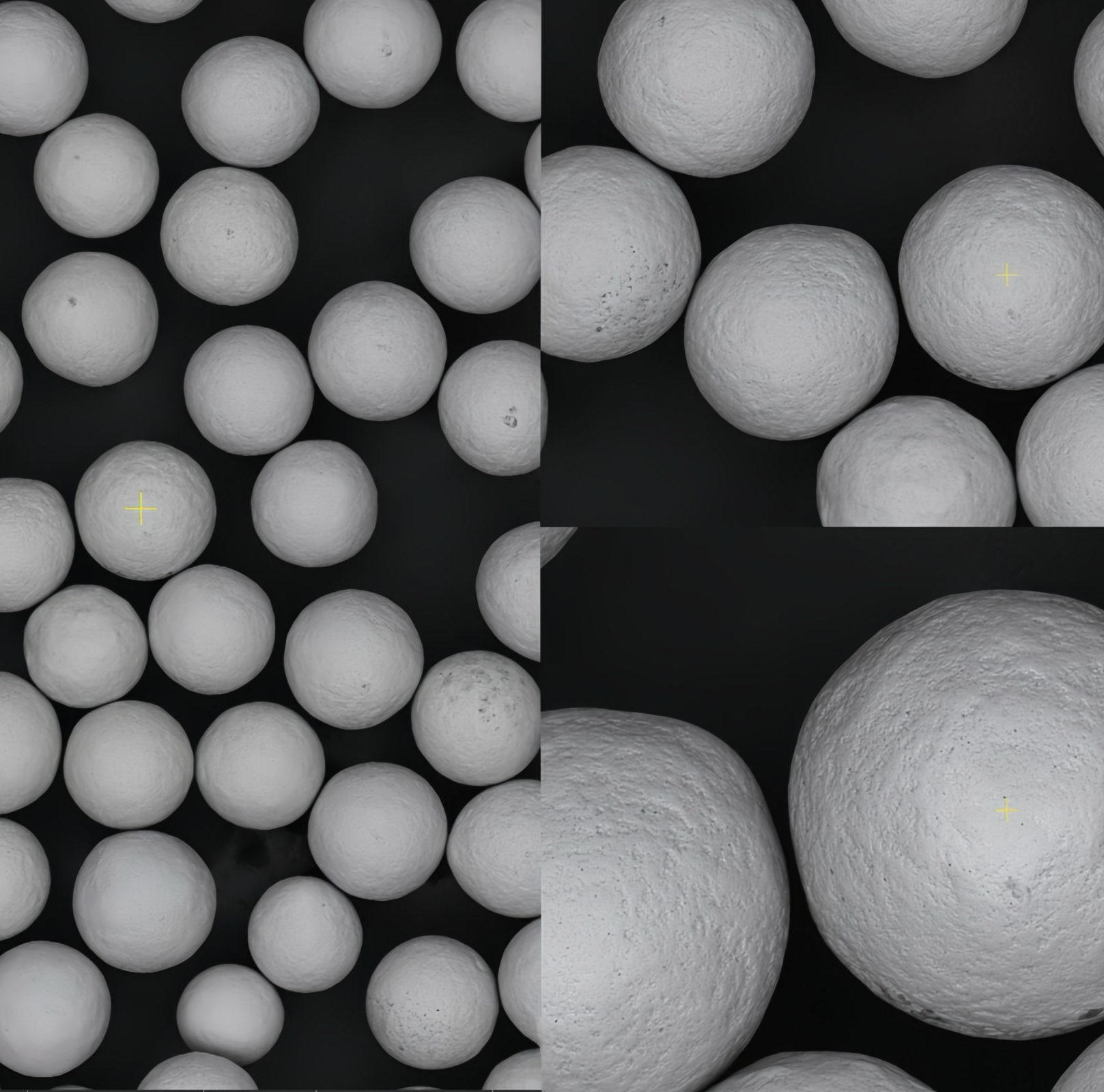
The polishing action of ceramic polishing media is governed by repeated low-energy contact between fine abrasive grains and surface asperities. Instead of cutting into the substrate, the media preferentially removes high peaks while leaving valleys intact, progressively reducing peak-to-valley height differences. Controlled porosity allows continuous slurry exchange, preventing surface loading and maintaining consistent polishing performance over extended cycles.
Quantitative surface improvement outcomes are best evaluated using a Ra performance chart, which correlates media grade, cycle time, and achievable surface roughness.
Achievable Surface Roughness (Ra) with Ceramic Polishing Media
| Initial Surface Condition | Media Grade | Cycle Time | Final Ra Range |
|---|---|---|---|
| Machined aluminum | Medium polishing | 60–120 min | Ra 1.0–1.2 µm |
| Pre-tumbled aluminum | Fine polishing | 90–180 min | Ra 0.6–0.8 µm |
| Steel / stainless steel | Ultra-fine polishing | 120–240 min | Ra 0.4–0.6 µm |
For deeper process design and Ra predictability analysis, refer to the Ceramic Polishing Media Ra Chart.
Ceramic Polishing Media Composition and Physical Parameters
The performance stability of ceramic polishing media is driven by its internal composition and physical structure.
| Parámetro | Typical Range | Engineering Function |
|---|---|---|
| Abrasive grain size | F400–F1000 | Controls surface refinement level |
| Abrasive content | 3–10 wt% | Limits cutting aggressiveness |
| Densidad aparente | 1.7–2.2 g/cm³ | Reduces impact energy on parts |
| Porosity | 18–30% | Prevents surface glazing and loading |
Materials Commonly Processed with Ceramic Polishing Media
Ceramic polishing media is compatible with a wide range of metallic materials when properly matched by grade and size.
- Aluminum alloys (6061, 7075, ADC12)
- Carbon steel and alloy steel
- Stainless steel (304, 316)
- Brass and copper alloys
- Powder metallurgy components
For aluminum-specific optimization strategies, including pre-anodizing surface control, see Ceramic Polishing Media for Aluminum.
Polishing Media Selection Logic
Selecting the correct ceramic polishing media requires aligning surface targets with material condition and production constraints. The following logic framework is recommended.
| Condition | Selection Guideline |
|---|---|
| Target Ra above 1.0 µm | Medium polishing grade |
| Target Ra 0.6–0.8 µm | Fine polishing grade |
| High cosmetic requirement | Ultra-fine polishing grade |
| Thin-wall or delicate parts | Lower density, smaller media size |
Grade differentiation and selection boundaries are detailed in Ceramic Polishing Media Grades, while expected Ra outcomes should be verified using the Ra performance chart.
Ceramic Polishing Media vs Plastic Polishing Media
Both ceramic and plastic polishing media are used for surface refinement, but their performance envelopes differ significantly. Ceramic polishing media offers higher dimensional stability, longer service life, and more predictable Ra control, particularly in high-volume production environments.
A detailed engineering comparison is provided in Ceramic vs Plastic Polishing Media.
Process Parameters for Consistent Polishing Results
Stable polishing performance depends on machine settings and process control.
| Machine type | Vibratory bowl, vibratory trough, centrifugal disc |
| Media-to-part ratio | 3:1 to 6:1 |
| Water flow | Continuous, low foam |
| Compound type | Mild alkaline or neutral |
| Cycle time | 60–240 minutes |
Detailed machine-specific tuning recommendations are covered in Ceramic Polishing Media Process Parameters.
Common Polishing Defects and Optimization Strategies
- Surface haze: reduce abrasive concentration or cycle time
- Uneven gloss: improve media size uniformity
- Residue embedding: adjust compound chemistry and rinsing
- Over-polishing: reduce amplitude or switch to lower-density media
Request Ceramic Polishing Media Recommendation
If you are targeting a specific Ra value, cosmetic finish, or post-treatment compatibility, provide your material type, initial surface condition, target Ra, and production volume. Our engineering team can recommend the optimal ceramic polishing media grade and process window.
Filtros