Pumps for Abrasive Blasting Systems: Selecting the Right Pump for Wet & Slurry Blast Applications
Wet abrasive blasting—also known as vapor blasting, slurry blasting, or hydro-blasting—delivers cleaner, dust-reduced surface preparation with superior surface finish quality compared to dry blasting. The pump at the heart of a wet blasting system must continuously circulate abrasive slurry from the mixing tank to the blast nozzle, handle particles specifically designed to cut and erode hard surfaces, and do so reliably over long daily operating cycles. Choosing the wrong pump is one of the most common and costly mistakes in wet blasting installation.
This guide covers everything you need to know about selecting, operating, and maintaining pumps specifically for abrasive blasting applications. For a broader overview of abrasive media pumping across all industries, see our complete reference: Pumps for Abrasive Media: The Complete Selection & Buying Guide.
1. How Wet Abrasive Blasting Works and Why the Pump Is Critical
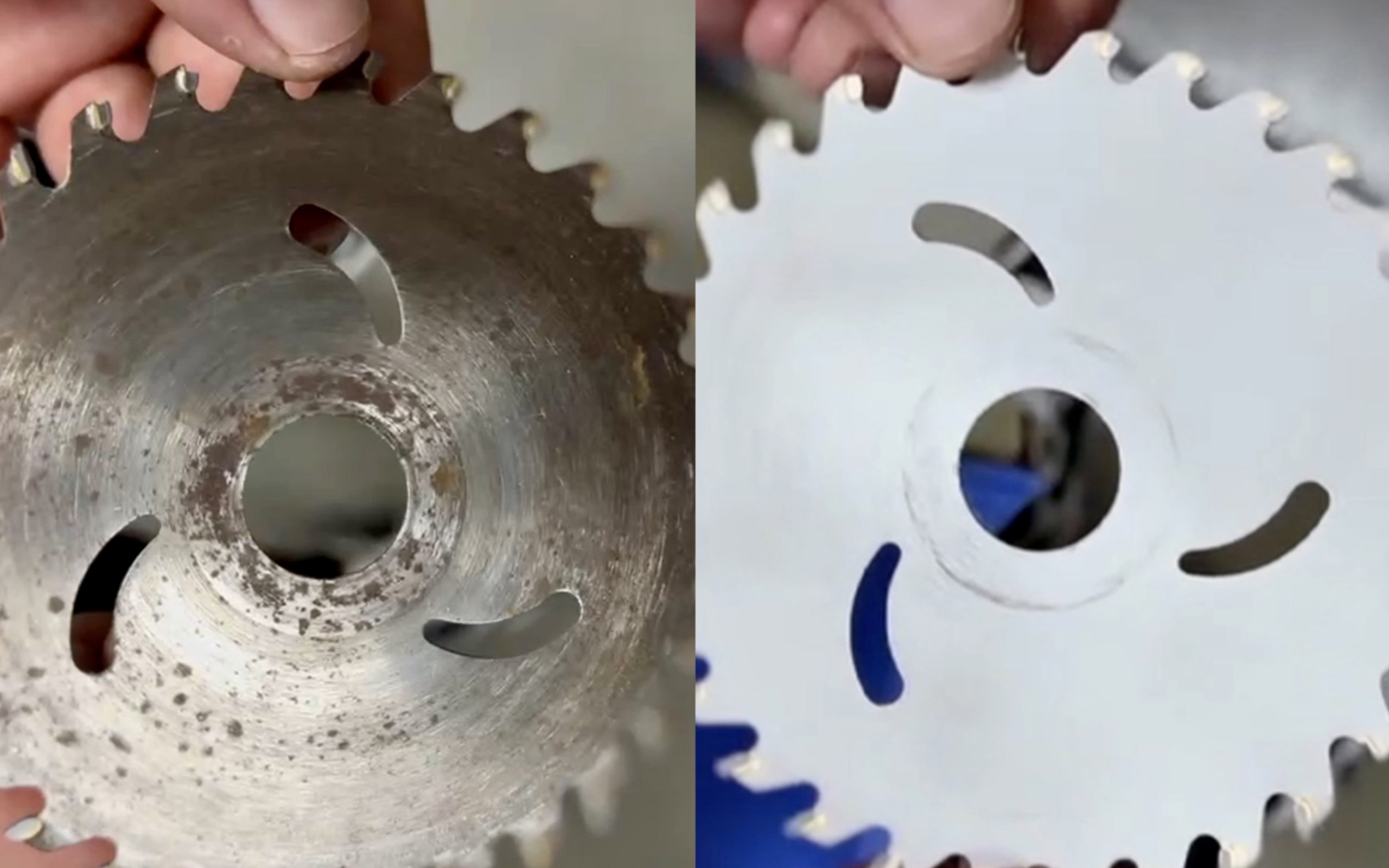
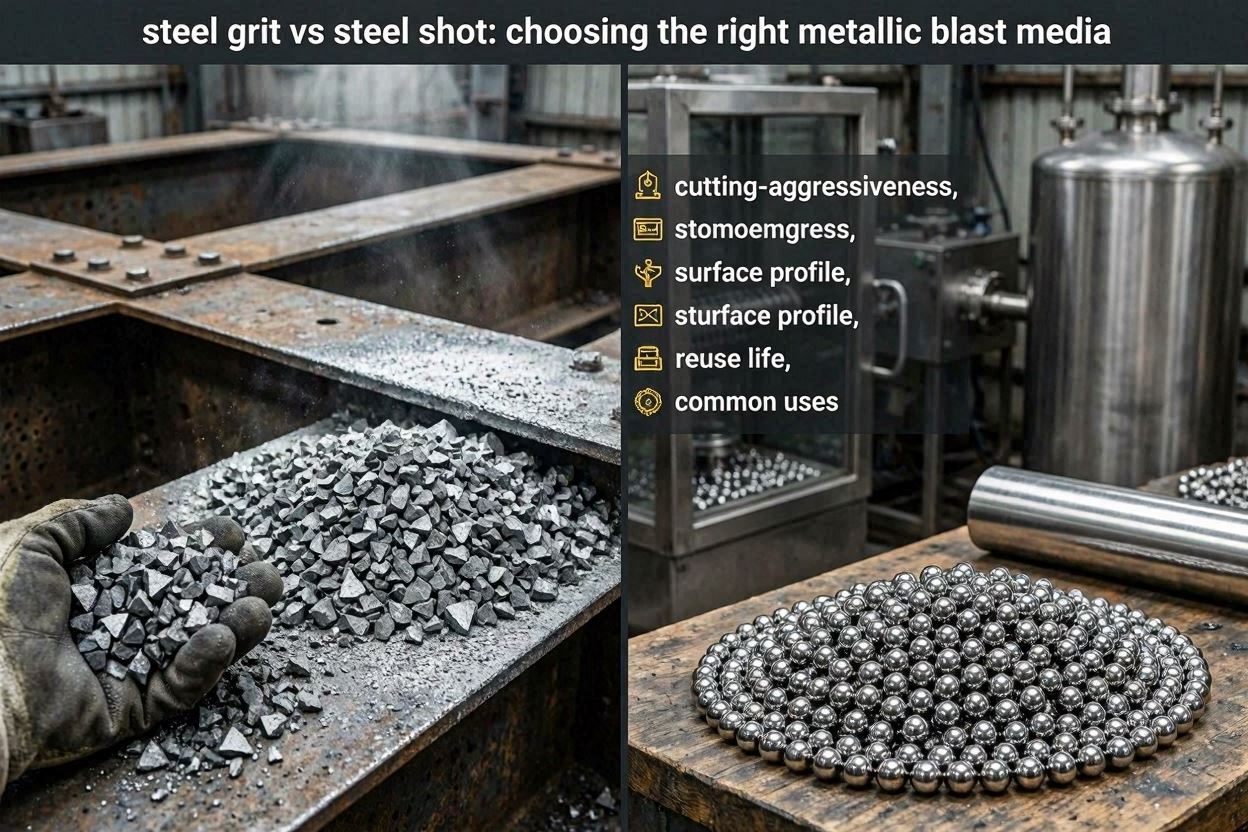
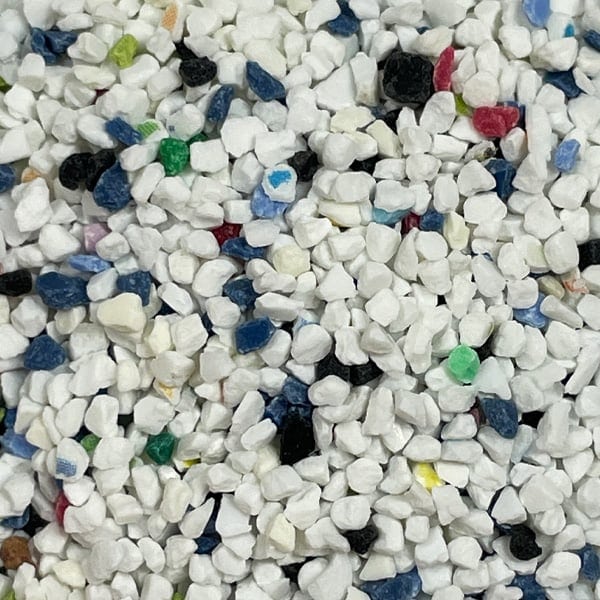
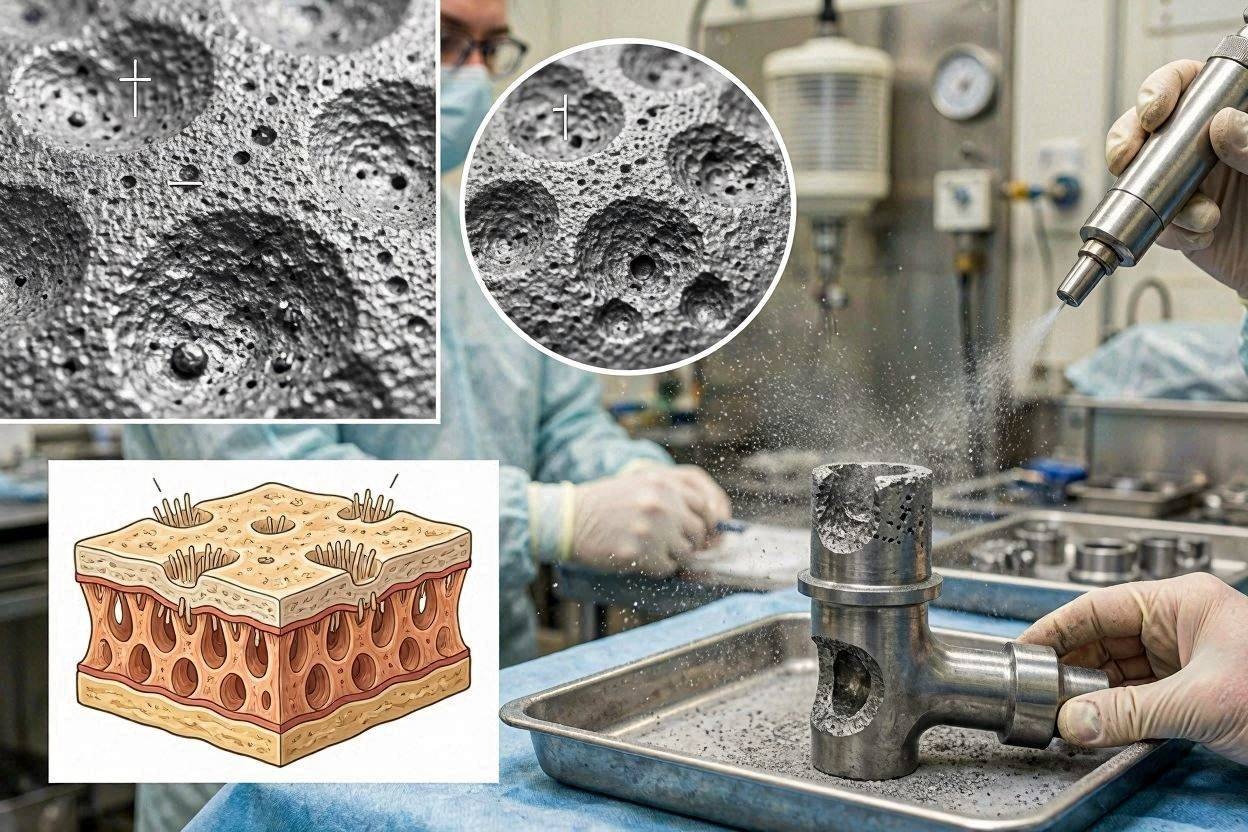
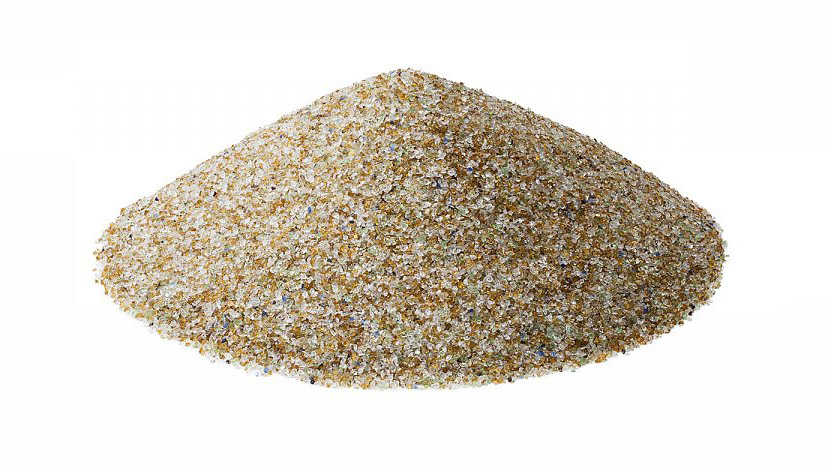
In a wet abrasive blasting system, abrasive particles—most commonly steel shot, steel grit, glass beads, garnet, or aluminum oxide—are mixed with water and a corrosion inhibitor in a slurry mixing tank. This slurry is pumped to a blast nozzle where it is accelerated by compressed air and directed at the workpiece. The water envelope around each particle reduces dust generation, prevents workpiece overheating, and produces a refined surface profile that is difficult to achieve with dry blasting.
The pump serves two critical functions: it maintains continuous slurry delivery from the mixing tank to the nozzle assembly, and in closed-loop systems, it returns spent slurry from the blast enclosure back to the tank for reuse. Unlike many industrial pump applications, a blasting system pump faces abrasive media that is specifically engineered to cut and erode hard surfaces—the same properties that make it effective as a blast medium make it unusually aggressive toward pump components. Insufficient nozzle pressure reduces blast effectiveness; inconsistent flow creates uneven surface profiles; unscheduled pump downtime halts the entire blasting operation.
2. Characterizing the Abrasive Blasting Slurry
Before selecting a pump for your blasting system, characterize the slurry precisely. Key parameters and typical values for wet blasting applications include:
- Abrasive concentration: Wet blasting systems typically operate at 10–30% abrasive by weight. Most applications are optimized at 15–25% w/w. Higher concentrations increase blast aggressiveness but accelerate pump wear non-linearly.
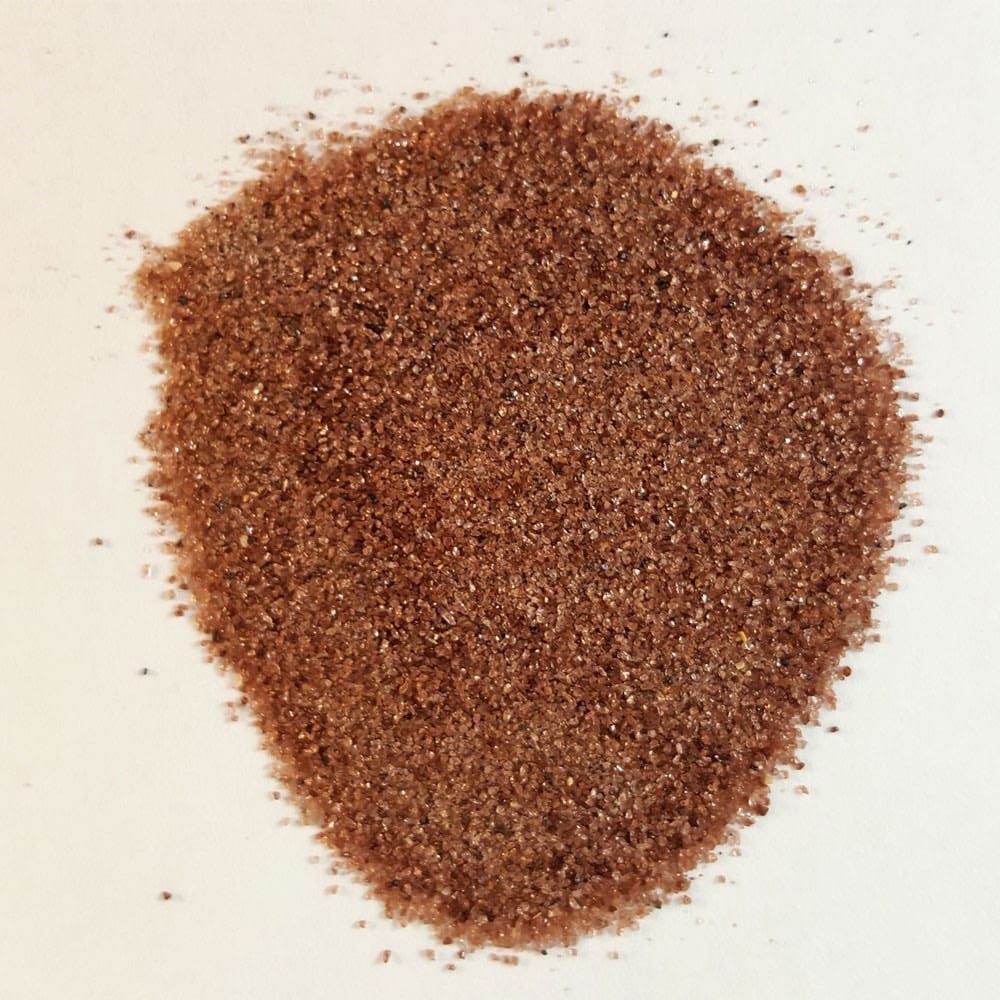
- Particle hardness: Steel shot and grit range from Mohs 5.5–7 depending on hardness grade. Glass beads are Mohs 5–5.5. Garnet is Mohs 7–7.5. Aluminum oxide is Mohs 9. Harder abrasives produce more pump wear per cycle—see our guide to pump materials for abrasive media to match materials to particle hardness.
- Particle size (d95): Wet blasting media typically ranges from 0.1–2.0 mm. The d95 must not exceed the pump’s minimum clear passage—typically 3–5 mm for most blasting pumps.
- Particle shape — critical factor: Steel shot is rounded (spherical), which produces lower pump wear through elastic deformation. Steel grit, crushed garnet, and aluminum oxide are angular—they cut pump surfaces rather than deforming them, producing significantly higher wear rates at equivalent hardness and concentration.
- Carrier fluid chemistry: The corrosion inhibitor added to blasting water must be chemically compatible with all pump wetted-surface materials. Most water-based inhibitors are compatible with polypropylene, PVDF, stainless steel, and natural rubber. Verify with your inhibitor supplier before finalizing pump materials.
Closed-Loop Particle ConditioningIn recirculating blasting systems, abrasive particles progressively fracture and become more angular with each blast cycle. Pump wear rates increase over time as the media becomes more aggressive. Design your maintenance schedule around the worn-media condition, not the fresh-media startup condition. Replenish with fresh media periodically to control this effect.
3. The Main Pump Types Used in Wet Abrasive Blasting
Air-Operated Double Diaphragm (AODD) Pumps
AODD pumps are the most widely used type in wet abrasive blasting, particularly for portable and semi-portable installations. Their advantages align precisely with blasting requirements: fully self-priming, safe to run dry, require no electricity (operating on compressed air already at the blast system), output adjustable by varying air supply pressure, and capable of handling solid particles up to their port diameter. Polypropylene AODD pumps are the standard choice for steel shot and glass bead applications. For harder media such as garnet or aluminum oxide, upgrade ball check valve and seat materials to harder-wearing grades. The primary limitations are pulsating flow (a pulse dampener is recommended for precision applications) and ball check valve wear from abrasive particle entrapment at the seat.
Peristaltic (Hose) Pumps
Peristaltic pumps are preferred for fine abrasive media applications (d50 below approximately 200 micron) and for systems handling highly aggressive abrasives where zero metal contact with the slurry is required. The abrasive slurry contacts only the interior of the flexible hose—never any metal components—providing outstanding service life with very hard abrasives at moderate concentrations. Hose replacement is the only regular maintenance task. The main limitation is lower maximum flow rate and operating pressure compared to AODD pumps of equivalent size.
Centrifugal Slurry Pumps
Large fixed-installation blasting systems—blast rooms, tunnels, and automated blasting lines—may use centrifugal slurry pumps for the recirculation loop where high-volume continuous flow is required. These require external priming, cannot run dry, and demand more extensive maintenance infrastructure, but deliver high sustained flow rates. They are typically found in large-scale industrial shot blast lines, not portable or workshop blasting setups.
| Pump Type | Best Application | Self-Priming | Dry-Run Safe | Pressure Range | Relative Wear Cost |
|---|---|---|---|---|---|
| AODD | Most portable and semi-fixed blasting systems | ✓ | ✓ | 1–8 bar | Medium |
| Peristaltic | Fine or aggressive media; precision flow control | ✓ | ✓ | 1–4 bar | Low (hose only) |
| Centrifugal Slurry | Large fixed blast rooms; very high flow volume | ✗ | ✗ | 1–6 bar | Alta |
For detailed comparison of these pump types in broader abrasive applications, see: Peristaltic vs. AODD vs. Progressive Cavity Pumps for Abrasive Media.
4. Key Selection Parameters for Blasting System Pumps
- Nozzle pressure requirement: Most wet blasting applications require 2–6 bar at the nozzle. Account for pressure loss in the hose from pump to nozzle—typically 0.5–2 bar depending on hose length and diameter—when sizing the pump’s discharge pressure capability.
- Flow rate: Determined by the nozzle orifice size and desired blast velocity. A 6 mm nozzle at 4 bar requires approximately 15–25 L/min. Multi-nozzle systems require proportionally more. Size the pump to supply at least 20% above calculated minimum to allow for performance degradation as wear progresses.
- Particle size (d95): Confirm that the pump’s port diameter and minimum internal clearance exceed your media’s d95. For standard wet blasting media with d95 of 0.5–2 mm, most AODD and peristaltic pumps are adequate; for coarser media, verify clear passage with the pump manufacturer.
- Chemical compatibility of inhibitor: Your corrosion inhibitor formulation must be verified against all pump wetted materials—diaphragms, check valve balls and seats, hose (if peristaltic), and body. Most standard inhibitors are compatible with polypropylene; specialty inhibitors may require PVDF or stainless steel wetted parts.
- Portability and power availability: Portable systems require AODD pumps (compressed-air driven, no electrical requirements). Fixed installations can use motor-driven alternatives. Confirm that available compressed air capacity is sufficient for both the blast nozzle and the AODD pump operating simultaneously.
For a complete eight-parameter pump selection framework applicable to all abrasive media applications, see: How to Select a Pump for Abrasive Media: 8 Critical Parameters.
5. Open-Loop vs Closed-Loop Blasting Systems: Pump Implications
Open-Loop (Single-Pass) Systems
- Abrasive used once and not recovered
- Simpler pump requirements — one-way delivery
- Lower pump wear: fresh rounded media every cycle
- Higher media consumption and running cost
- Common in portable and outdoor blasting
- Pump duty: intermittent or semi-continuous
Closed-Loop (Recirculating) Systems
- Abrasive recovered, cleaned, and reused
- Two pump duties: delivery + return circulation
- Higher pump wear: media becomes increasingly angular
- Lower media running cost over the long term
- Common in blast rooms and automated blast lines
- Pump duty: continuous, often shift-length or longer
In closed-loop systems, abrasive particles fracture and develop sharp edges with each blast cycle. Pump wear rates at 500 operating hours are typically 40–70% higher than at startup with fresh media. Design the pump selection and maintenance schedule around the conditioned-media condition. Install a media classifier in the recirculation loop to remove undersized broken fragments before they enter the pump—fine angular fragments are disproportionately abrasive relative to their mass and cause accelerated check-valve and diaphragm wear.
6. How Abrasive Media Quality Directly Affects Pump Performance
The connection between abrasive media quality and pump service life is direct and quantifiable. Four media quality attributes have measurable impact on pump wear rates in blasting systems:
- Particle size consistency (tight distribution): Media with a narrow, certified size distribution produces predictable pump wear. Poorly graded commodity abrasives with wide size distribution introduce oversize particles that cause localized impact wear at pump valve seats and clearance points, dramatically shortening service intervals.
- Hardness control and uniformity: Media manufactured to tight hardness specifications (HRC range for steel, Mohs range for mineral media) produces consistent pump wear behavior across the lot. Hardness variation—common when heat treatment is not tightly controlled—creates unpredictable wear spikes that make maintenance scheduling unreliable and cause unexpected equipment failures.
- Shape integrity: Steel shot manufactured to SAE J827 or ISO 11124-3 standards has defined sphericity requirements. Shot with low sphericity (hollow defects, spurs, or flat spots) behaves like an angular abrasive in the pump even though specified as “shot,” producing cut-through wear on rubber components designed for rounded media. Always request conformance documentation.
- Contamination control: Dust fractions, mixed-media batches, or hard inclusion particles cause unpredictable pump behavior. Request sieve analysis certificates from your media supplier confirming dust content and size distribution compliance on every delivery.
7. Maintenance Essentials for Blasting System Pumps
- End-of-shift flushing (all pump types): Flush the entire slurry circuit—tank, pump, hoses, nozzle lines—with clean water at the end of every operating shift. This prevents abrasive particles from settling and hardening inside the pump body, hoses, and valve passages during idle periods. Settled media on restart causes far more damage than circulating media during normal operation.
- AODD — ball check valve inspection (weekly in continuous service): Abrasive particles become trapped between the ball and seat on each pumping cycle, progressively eroding both. Inspect valve balls and seats weekly. Replace when sealing performance drops, indicated by reduced flow output at constant air supply pressure.
- AODD — diaphragm inspection (monthly): Diaphragms in abrasive blasting service can suffer accelerated fatigue wear from particulate ingestion at the flex zone. Inspect monthly for thinning, cracking, or pinholes. Many operators carry spare diaphragm kits and replace proactively at set intervals rather than waiting for failure.
- Peristaltic — hose wear monitoring (weekly): Monitor hose outer surface for hot spots (felt by touch during operation), which indicate impending localized rupture. Replace at the first sign of significant wall thinning. A planned hose change takes 15–20 minutes; an in-service hose rupture during blasting is significantly more disruptive.
- Suction strainer cleaning (daily): Install a suction strainer upstream of the pump to intercept oversize particles and debris. Clean or backflush at the start of each operating shift.
For a complete maintenance schedule covering inspection intervals, wear part replacement criteria, and failure prevention protocols for all abrasive pump types, see: Abrasive Media Pump Maintenance Guide.
Preguntas frecuentes
Premium Abrasive Media for Wet Blasting Systems
Jiangsu Henglihong Technology Co., Ltd. supplies certified steel shot, steel grit, glass beads, and stainless steel shot for wet and dry abrasive blasting. Our media is manufactured to SAE and ISO standards with controlled particle size distribution and documented hardness grades—giving your blasting system consistent, predictable performance and lower pump wear across the operating life.
Request Blasting Media Quotation →Filtros