Automotive Industry Applications – Abrasive Media and Surface Treatment
The automotive industry relies heavily on precision surface treatment technologies to ensure performance, safety, and durability. From engine components to body panels, abrasive media play a critical role in achieving the desired finish, enhancing fatigue resistance, and preparing parts for subsequent coatings or assembly.
Introduction to Automotive Applications
In modern automotive manufacturing, surface treatment has become a defining factor of product quality. The process involves the removal of imperfections, burrs, and contaminants to achieve a controlled surface roughness that meets stringent engineering specifications. Whether for combustion engines, braking systems, or electric vehicle components, each surface must meet precise dimensional and microstructural standards to ensure long-term reliability.
Surface finishing also plays a major role in reducing friction, improving adhesion of coatings, and preventing early component fatigue. In the era of lightweighting and electrification, new materials such as aluminum alloys, titanium, and advanced composites are widely used. These materials require specialized abrasive media and processing techniques to maintain performance without introducing micro-damage.
Main keyword: automotive surface treatment

Common Processes Used in Automotive Surface Treatment
The automotive industry utilizes multiple abrasive and mechanical surface treatment processes, each optimized for specific part geometries and performance goals. The most common include:
1. Deburring
Deburring removes sharp edges and residual material formed during machining or stamping. It ensures that components such as engine blocks, pistons, and gear sets fit precisely during assembly. Automated tumbling with abrasive media such as ceramic or plastic pellets allows uniform edge refinement while minimizing dimensional distortion.
2. Polishing
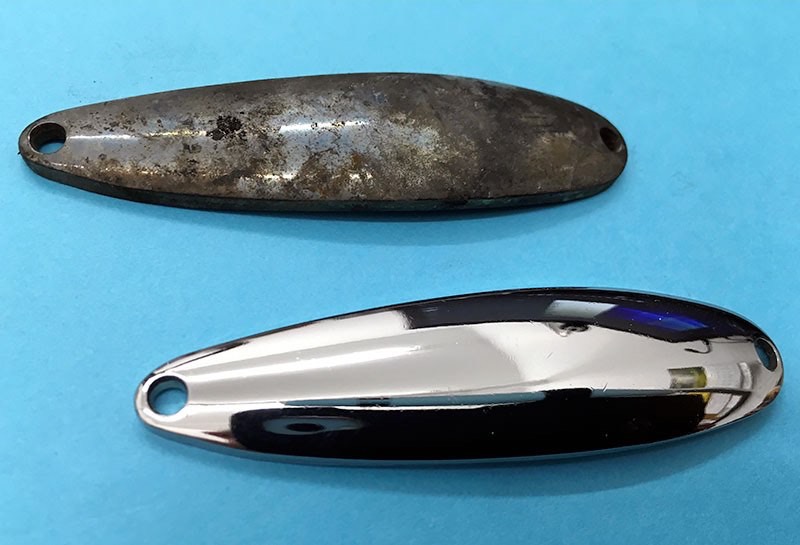
Polishing enhances the aesthetic appeal and functional smoothness of parts such as mirrors, trims, and reflectors. More importantly, micro-polishing reduces surface roughness to improve lubrication flow and reduce wear. Techniques like mechanical polishing or chemical-mechanical polishing (CMP) are often applied to precision engine parts and EV battery housings.
3. Shot Peening
Shot peening introduces compressive stresses into metal surfaces to increase fatigue strength. Automotive suspension springs, gears, and connecting rods undergo controlled shot peening using zirconia or steel shot. The process improves fatigue life by up to 100–200%, depending on part geometry and material hardness.
4. Coating Removal
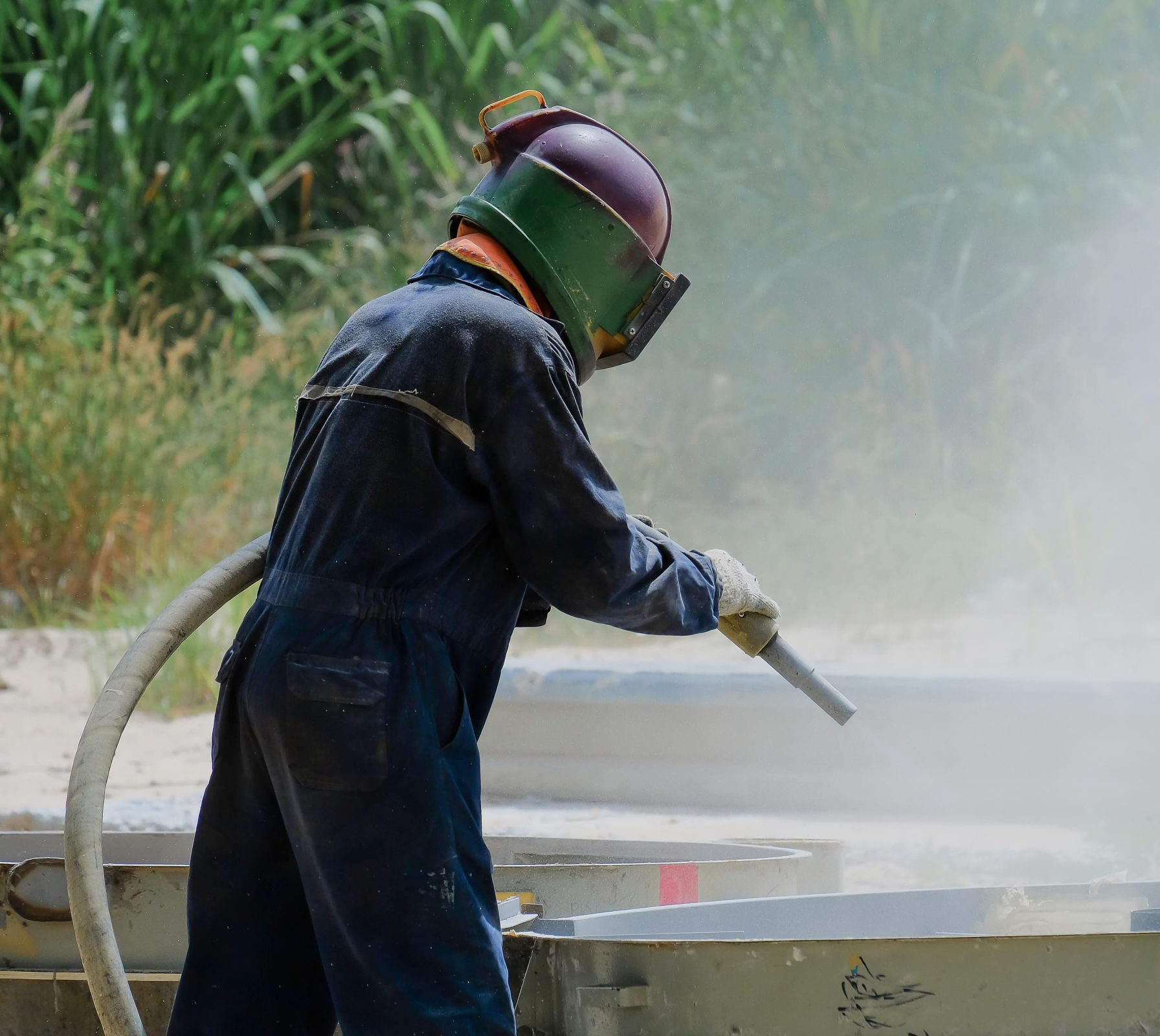
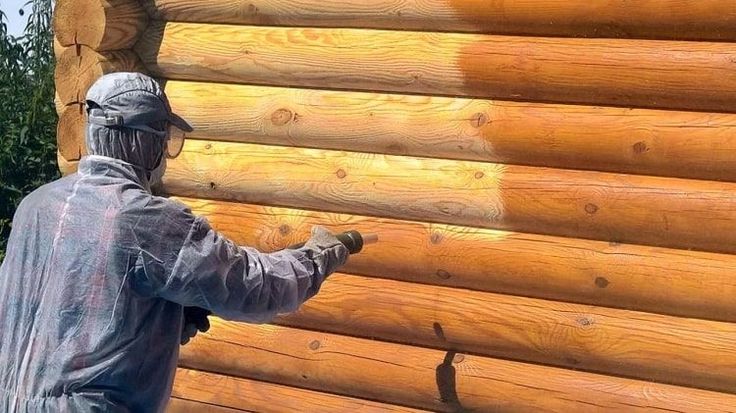
Prior to recoating or repainting, surfaces often need to be cleaned of old layers. Abrasive blasting with aluminum oxide or glass beads provides an efficient way to strip coatings without chemical residues, preparing car bodies and alloy wheels for a new surface finish.
Secondary keywords: automotive deburring, automotive polishing, automotive shot peening

Media Selection for Automotive Parts
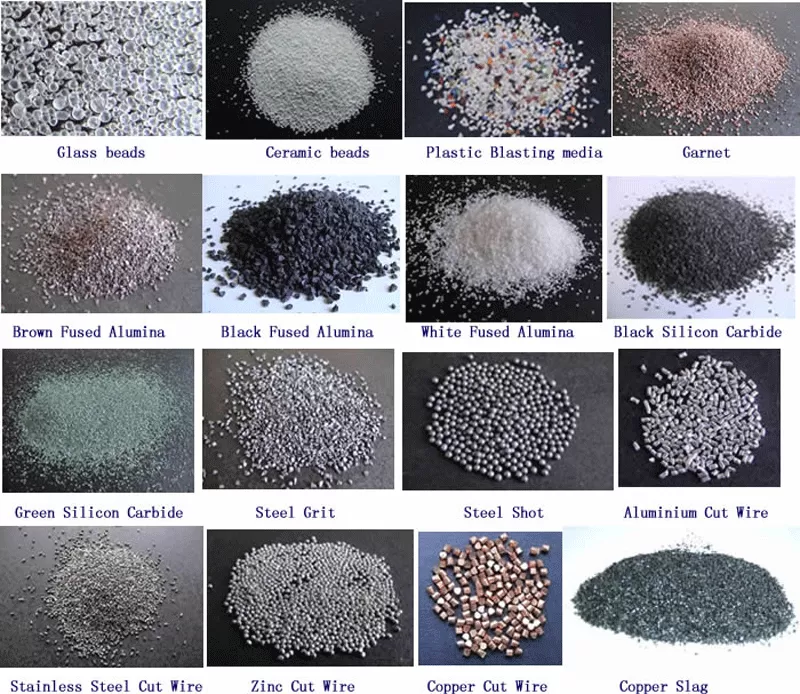
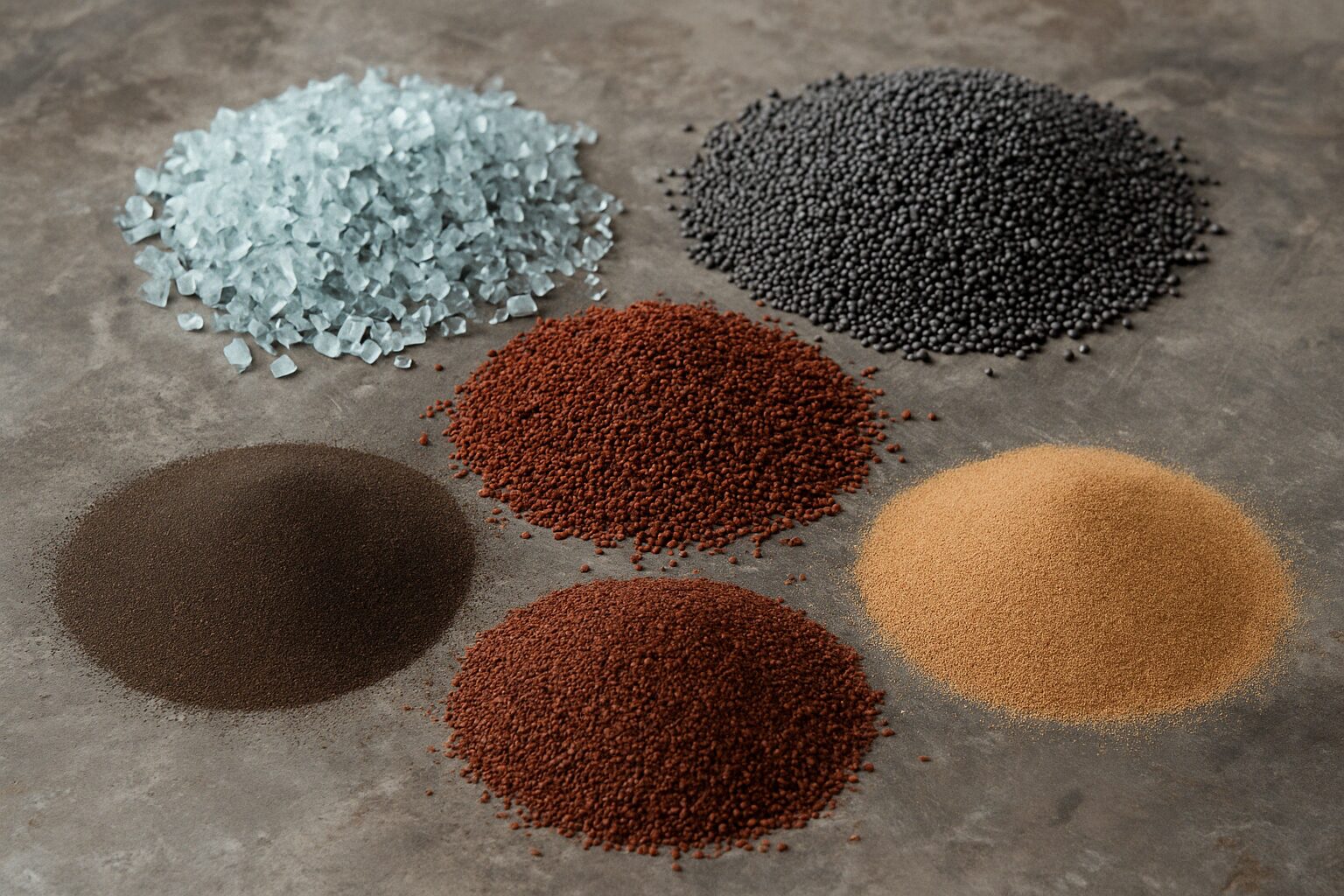
Selecting the right abrasive media is essential to achieve consistent and repeatable results. Each automotive component has its unique requirements in terms of hardness, geometry, and finish tolerance. Below is a comparison of three commonly used abrasive media types:
| Tipo de medio | Composition | Typical Hardness (HV) | Aplicaciones | Ventajas |
|---|---|---|---|---|
| Medios cerámicos | Alumina + Clay-based Matrix | 1000–1200 | Deburring of engine blocks, transmission parts | Durable, reusable, good balance of cut and finish |
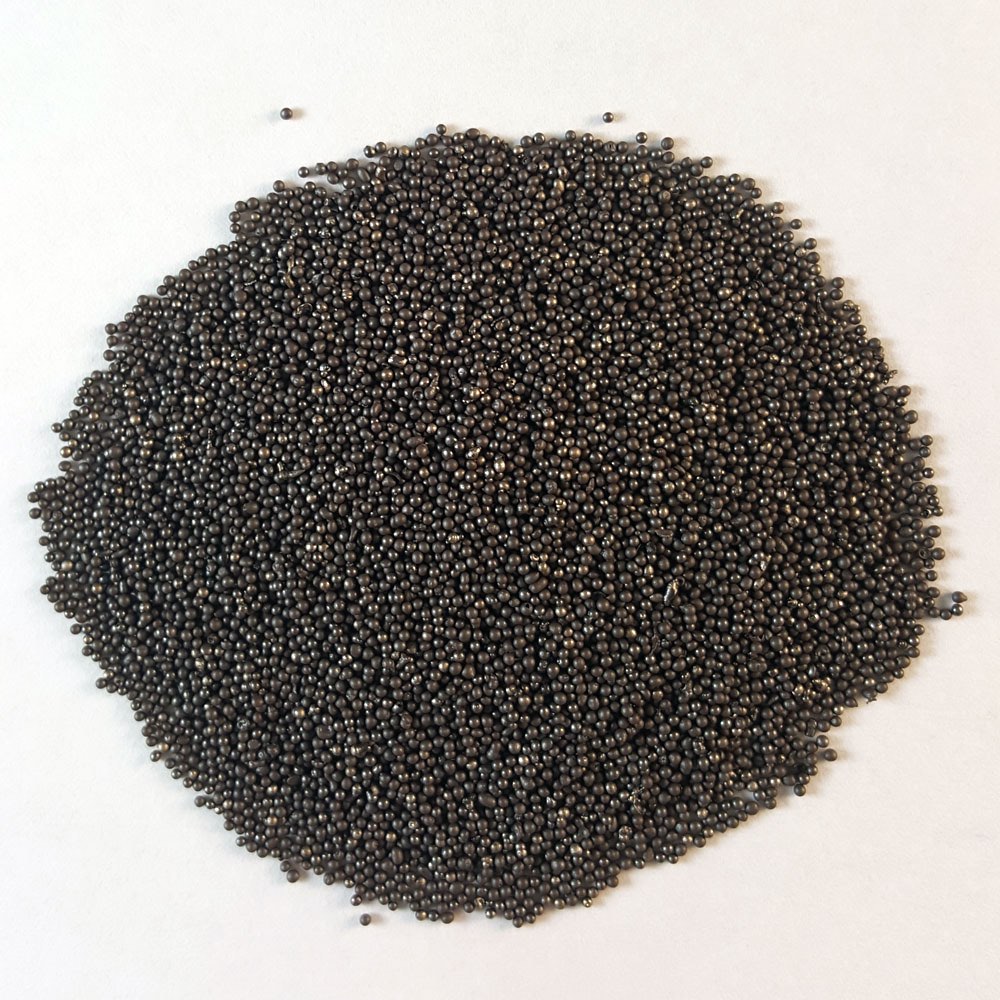
| Cuentas de circonio | ZrO₂ stabilized with Yttria | 1200–1300 | Shot peening, high-stress fatigue applications | High density, superior impact energy, minimal contamination |
| Óxido de aluminio | Al₂O₃ | 1800–2000 | Coating removal, rough surface cleaning | High cutting power, suitable for hard metals |
For softer materials like aluminum engine components, fine ceramic or plastic media are recommended to prevent overcutting. In contrast, steel and titanium components benefit from denser media such as zirconia beads or fused aluminum oxide. The choice of shape (triangular, spherical, cylindrical) also affects contact pattern and finish consistency.
Further technical comparisons of abrasive materials are available on the Media Comparison page.

Case Studies: Real Automotive Surface Treatment Projects
Case 1: Engine Block Deburring and Surface Smoothing
A leading automotive manufacturer implemented a vibratory tumbling process using medium-cut ceramic media to remove machining burrs from aluminum engine blocks. Process optimization reduced cycle time from 90 minutes to 55 minutes while achieving Ra surface roughness of less than 0.6 μm. This improvement not only accelerated production but also reduced oil flow turbulence, resulting in better fuel efficiency.

Case 2: Headlight Lens Polishing
Plastic and polycarbonate headlight lenses undergo sequential micro-polishing using fine plastic media and silica slurry. The process improved light transmittance by 12% and eliminated surface haze without altering lens curvature. Using precision-controlled media ensured uniform polishing across multiple batches with less than ±0.01 mm dimensional deviation.
Case 3: Suspension Spring Shot Peening
High-carbon steel suspension springs were subjected to shot peening using zirconia beads (0.6–0.8 mm). The residual compressive stress increased from −350 MPa to −620 MPa, effectively doubling fatigue life. Post-process testing confirmed consistent Almen intensity (0.008–0.010A) across production lots.

Each of these examples demonstrates how well-optimized abrasive media selection and process control lead to tangible performance benefits—reduced wear, improved strength, and enhanced appearance.
Conclusion: From Process Insight to Practical Application
The integration of advanced abrasive media technologies has transformed automotive manufacturing from manual surface conditioning to data-driven, automated systems. By understanding the interaction between material properties, media characteristics, and mechanical forces, engineers can tailor each process to achieve the desired result efficiently and repeatably.
For manufacturers seeking to enhance component reliability and aesthetic quality, investing in precise surface treatment solutions is not just an operational decision—it’s a competitive advantage.
Ready to Optimize Your Automotive Components?
Explore our comprehensive range of abrasive media and surface treatment technologies designed for the automotive industry.
Filtros