Surface Cleaning Solutions – Effective Industrial Methods
Primary keyword: surface cleaning · Secondary: industrial surface cleaning, chemical cleaning, mechanical cleaning
Why Surface Cleaning is Critical
Surface cleaning is the foundation of all downstream finishing, coating, or assembly processes. Residual oils, oxides, metal fines, or dust particles can compromise adhesion, accelerate corrosion, or reduce part performance. Engineers often underestimate cleaning; however, proper cleaning can increase coating adhesion by 30–50% and reduce rework rates.

Cleaning also ensures repeatable results across batches. For critical aerospace and electronics parts, failure to remove micro-contamination can lead to early fatigue or functional failure.
Mechanical Cleaning Methods
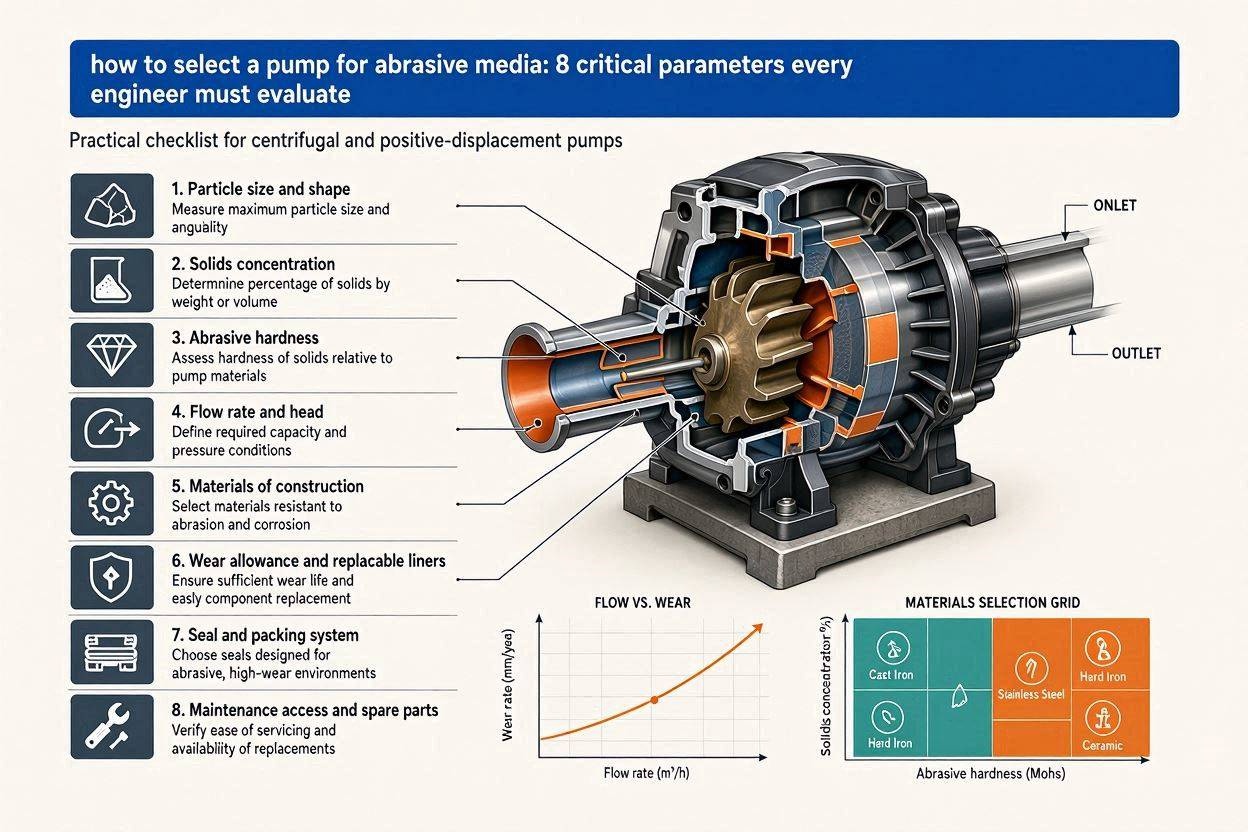
Mechanical methods utilize physical action to remove contaminants, oxide layers, or burrs. Key methods include:
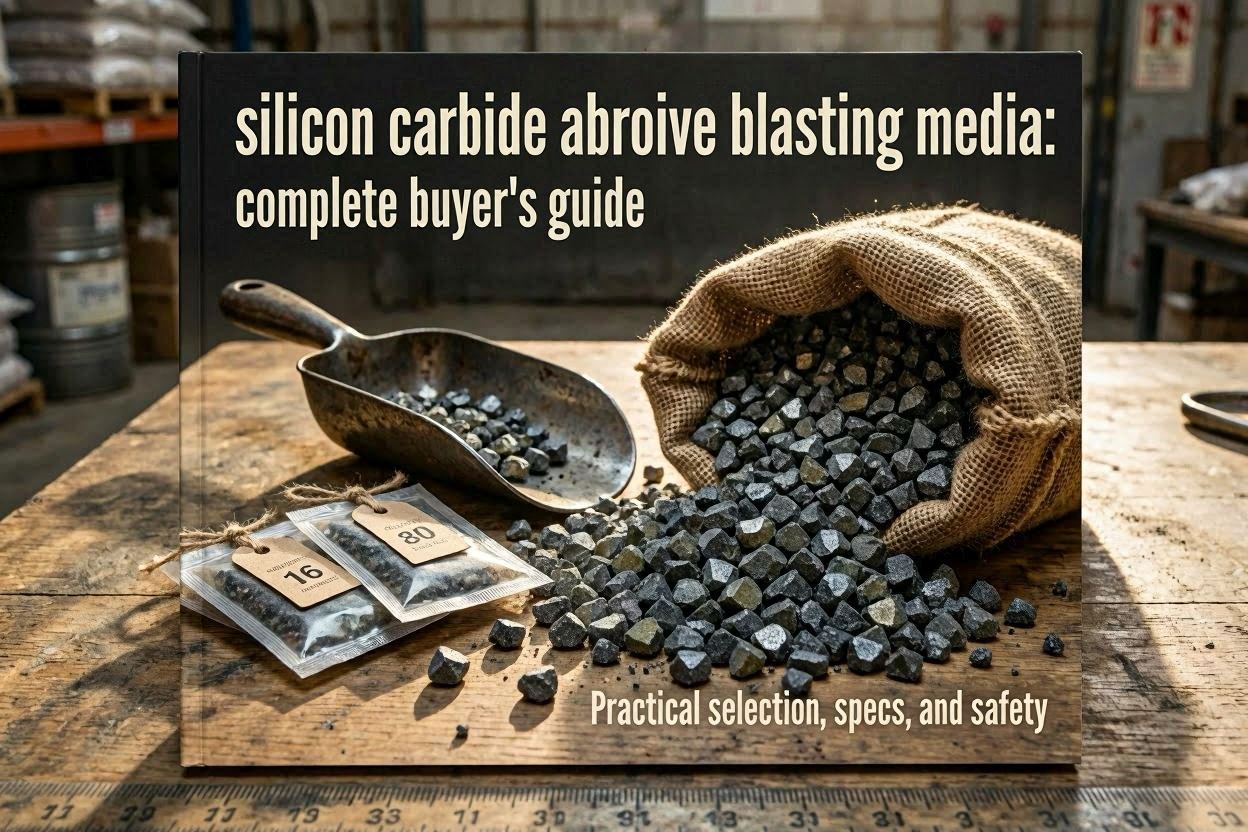
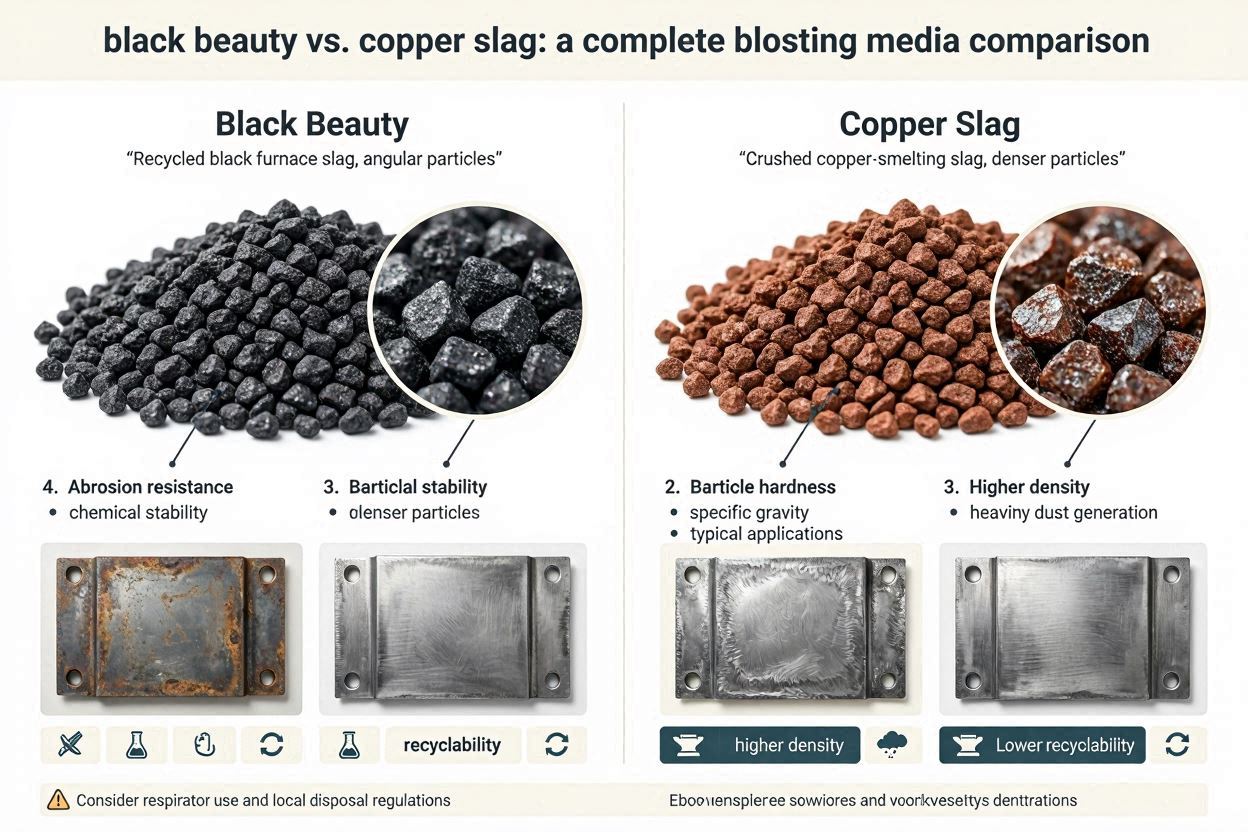
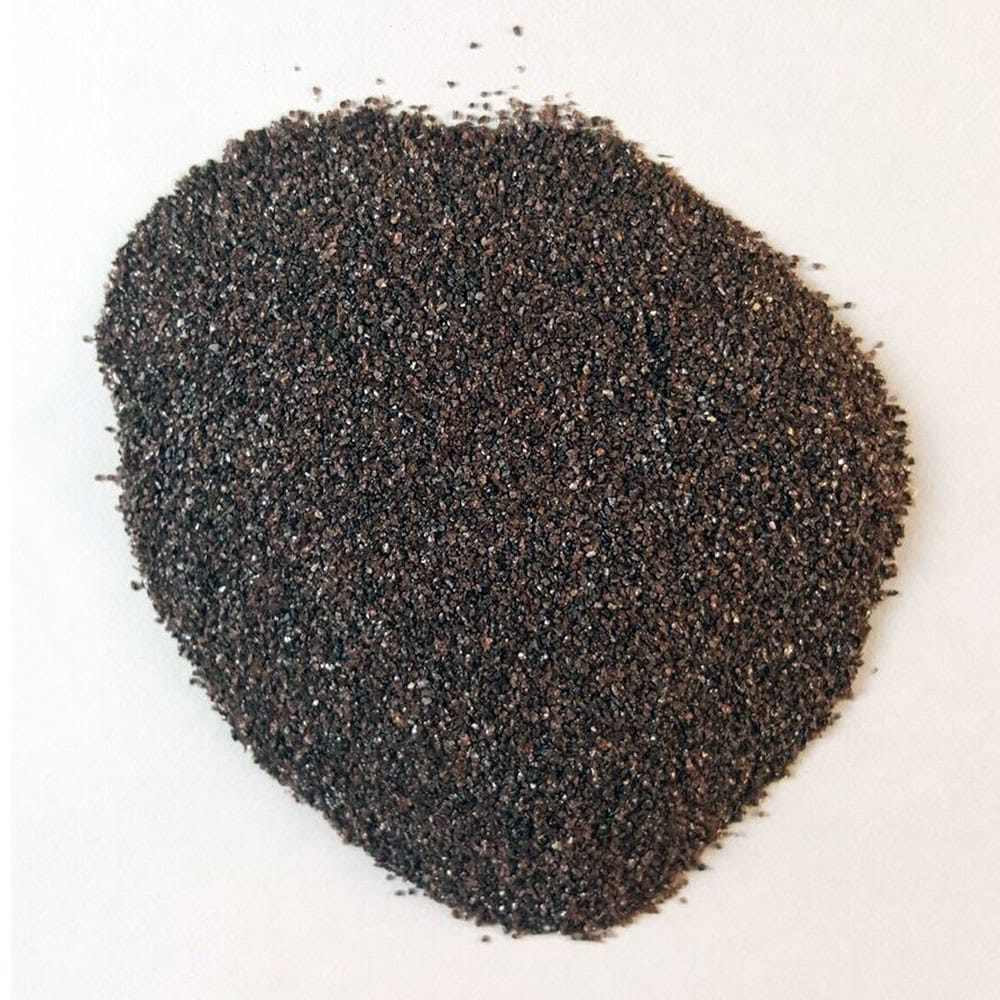
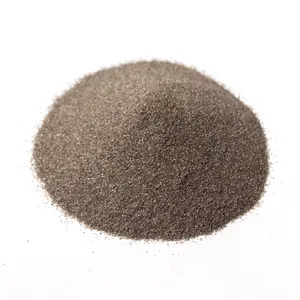
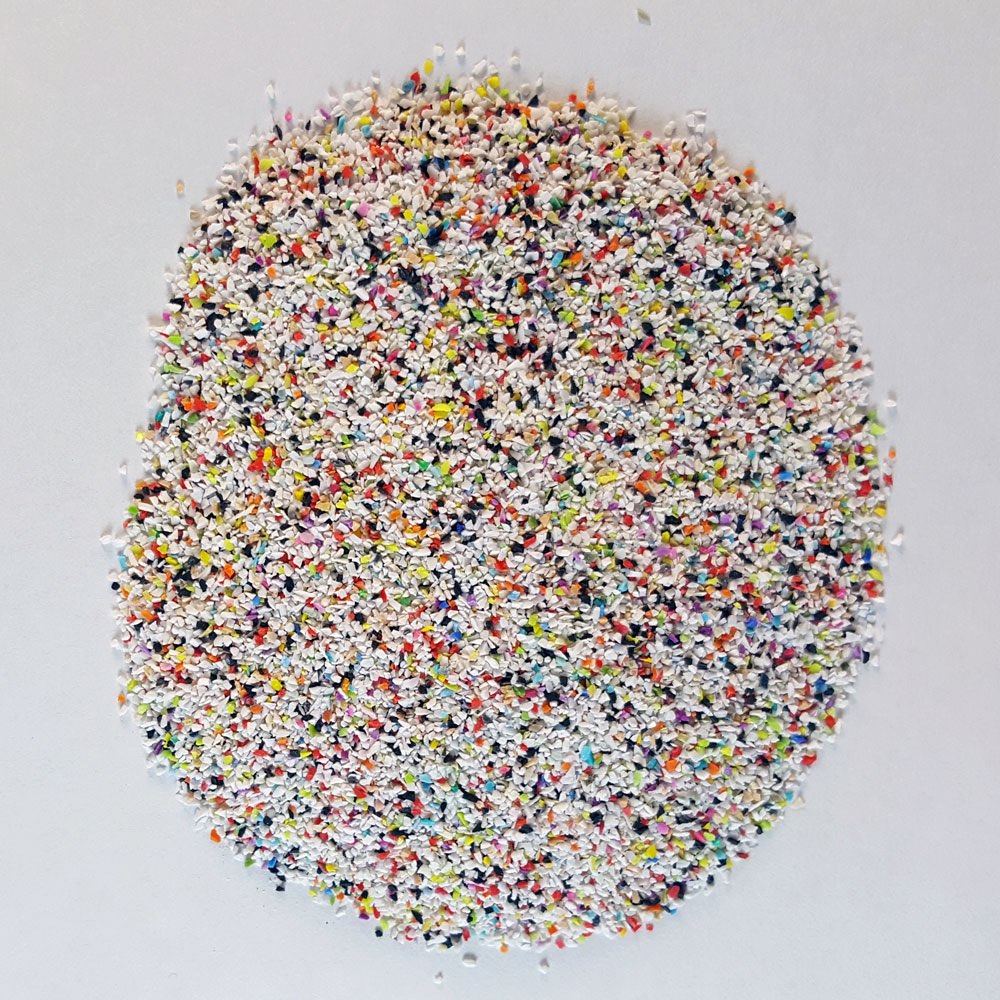
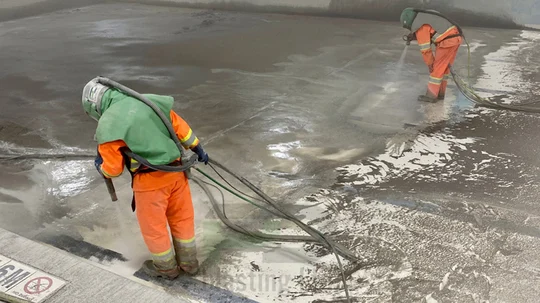
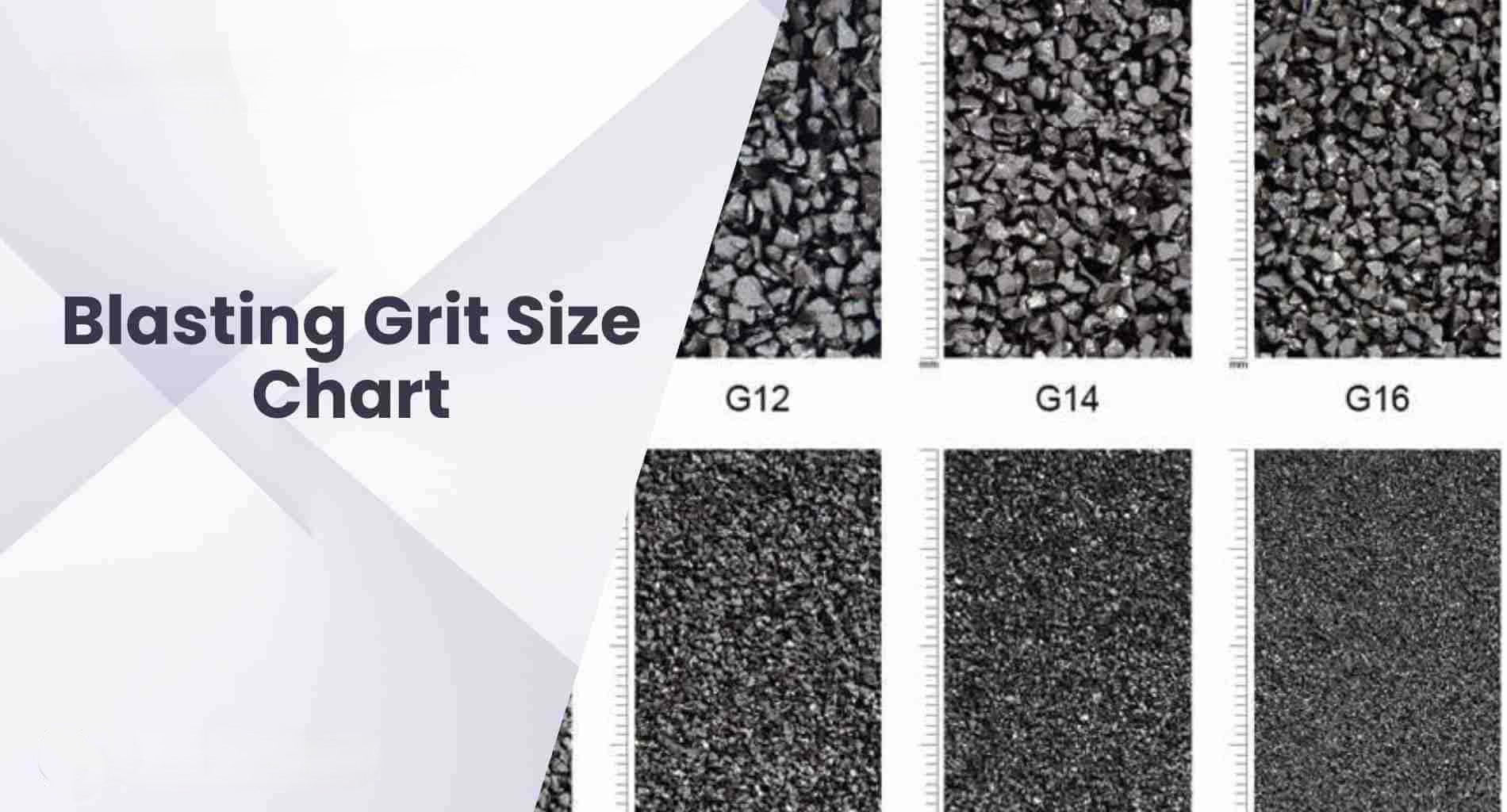
- Abrasive blasting: Aluminum oxide, ceramic media, or plastic media; parameters include grit size, pressure, nozzle angle, and stand-off distance.
- Vibratory/tumble finishing: Media to part ratio 3:1, cycle time 10–60 min, rotation frequency 1200–2200 rpm; suitable for deburring, polishing, and mild surface cleaning.
- Wire brushing and grinding: For localized oxide or scale removal on steel or aluminum.
- Shot blasting: High-energy, precise cleaning of castings, forgings, and complex geometries; typically used for rust removal and pre-coating preparation.
| Method | Media / Tool | Typical Parameters |
|---|---|---|
| Vibratory finishing | Ceramic beads / plastic media | Freq: 1500–2200 rpm, 10–60 min, media:part 3:1 |
| Blast cleaning | Aluminum oxide 80–120 µm | Pressure: 3.5–6 bar, nozzle 6–12 mm, 150–300 mm stand-off |
| Wire brushing | Stainless steel brush | Manual or motorized, feed rate 10–50 mm/s |
Chemical Cleaning Methods
Chemical cleaning leverages reactions to remove oxides, oils, or scale. Common techniques include:
- Alkaline cleaning: Degreasing oils and organic residues; typical 1–5% NaOH or proprietary detergent at 40–60°C for 5–15 min.
- Acid pickling: Removes oxide layers and rust; controlled concentration of HCl, H2SO4, or phosphoric acid; always neutralize after treatment.
- Limpieza con disolvente: Organic solvents for oil/grease; ensure ventilation and PPE.
- Mixed chemical baths: Alkaline + surfactant + inhibitor to achieve specific cleaning targets without damaging base material.
| Cleaning Type | Chemistry | Temperature / Time | Key Notes |
|---|---|---|---|
| Alkaline degreasing | 1–5% NaOH / detergent | 40–60°C, 5–15 min | Rinse thoroughly to avoid residue |
| Acid pickling | 5–15% HCl or H2SO4 | 20–30°C, 5–10 min | Neutralize and rinse; corrosion inhibitors recommended |
| Solvent wash | Isopropanol, acetone, proprietary solvents | Ambient to 40°C, 2–10 min | Ensure proper ventilation and PPE |
Ultrasonic and Advanced Cleaning
Ultrasonic cleaning uses cavitation to remove fine particles, grease, or biofilms. Ideal for complex geometries, small bore tubes, and high-value precision parts.
- Frequency: 20–40 kHz typical; higher frequency for delicate parts
- Solution chemistry: Mild alkaline, surfactants, or specialty formulations for metal, plastic, or ceramic parts
- Temperatura: 25–60°C depending on chemistry and part sensitivity
- Duration: 5–30 minutes depending on contamination level

Choosing the Right Cleaning Method
Decision depends on:
- Material type and hardness
- Contamination type (oil, grease, scale, oxide, particulate)
- Part geometry (bore depth, thin walls)
- Throughput requirements
- Downstream coating or assembly needs
Example mapping:
| Contaminant | Recommended Method | Notes |
|---|---|---|
| Oil / grease | Alkaline degreasing or solvent wash | Rinse thoroughly; monitor surface tension |
| Rust / scale | Acid pickling or abrasive blasting | Neutralize acids; select correct grit |
| Micro particles / bore residues | Ultrasonic cleaning | Check frequency compatibility |
Pilot Protocol — Validating Surface Cleaning
- Define target cleanliness (ISO 8502, Ra < 0.8 μm, residual oil <10 mg/m²)
- Select 30–100 representative parts per batch
- Run cleaning cycle with pre-defined parameters
- Measure surface residues via contact tape, gravimetric oil removal, or microscopy
- Adjust cycle, chemistry, or media as needed; iterate until acceptance criteria met
Quality Control Metrics
| Metric | Unit | Target | Measurement |
|---|---|---|---|
| Oil / grease residue | mg/m² | <10 | Gravimetric or FTIR |
| Surface roughness (Ra) | μm | ≤0.8 | Profilometer |
| Visual cleanliness | ISO 8502-3 | Sa 2.5–3 | Magnified inspection |
| Particle count | #/cm² | <50 | Optical particle counter |
Case Studies
1. Aluminum Aerospace Brackets: Ultrasonic degrease + alkaline rinse achieved Ra 0.6 μm and complete oil removal. Cycle time: 12 min per batch.
2. Steel Forgings: Abrasive blasting followed by acid pickling reduced rust and improved coating adhesion from 8 MPa → 14 MPa in pull-off tests.
3. Circuit Board Frames: Ultrasonic cleaning with mild detergent prevented micro-contamination in blind vias; reduced rework by 35%.
Safety & Environmental Considerations
- PPE: gloves, goggles, respirators depending on chemicals and dust exposure
- Ventilation: LEV for solvent vapors, dust extraction for blasting
- Waste: segregate spent media and chemicals; neutralize acids; comply with local hazardous waste rules
- Training: ensure operators understand handling of flammables, corrosives, and electrical hazards with ultrasonic systems
For integration into broader finishing workflows, see the surface treatment processes guide.
Filtros