Aluminum Oxide vs Zirconia Beads – Comparison and Selection Guide
Overview of Both Media
When evaluating abrasive media selection, two materials frequently compared are Aluminiumoxid und Zirkoniumdioxid-Perlen. Both are widely used in blasting, grinding, polishing, and milling applications, yet their material properties and performance characteristics differ significantly. Understanding these differences enables manufacturers to optimize both process efficiency and product quality.
What is Aluminum Oxide?
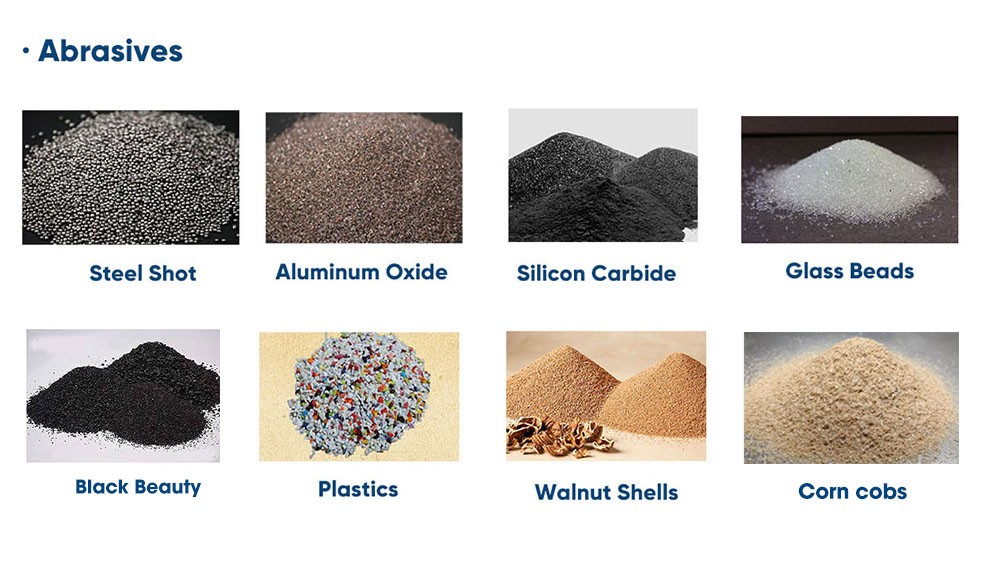
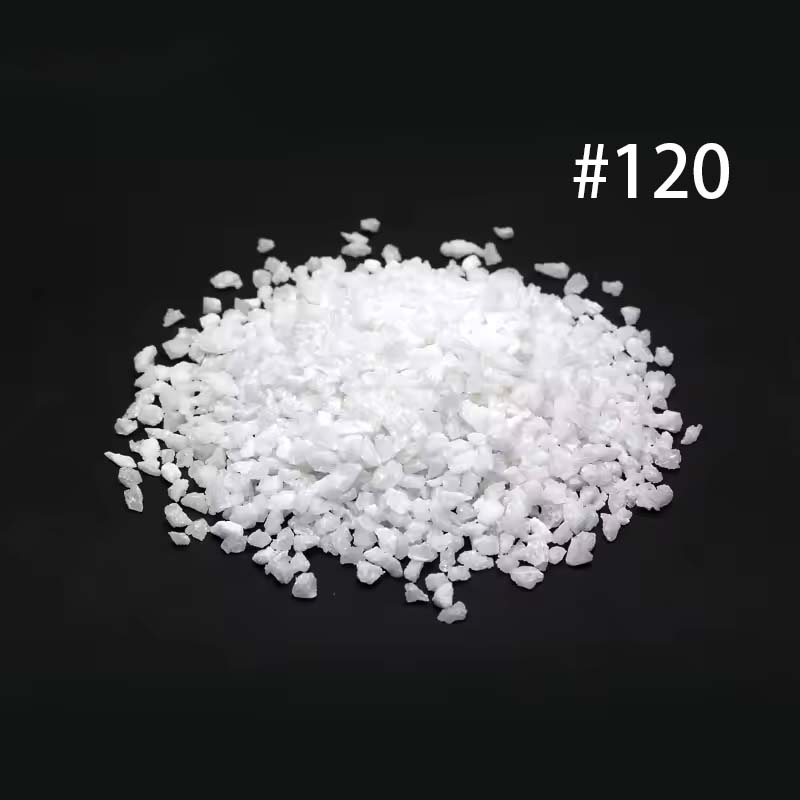
Aluminum oxide (Al₂O₃) is one of the most commonly used abrasives in the world. It is produced through the Bayer process, which refines bauxite into alumina. With a Mohs hardness of about 9, aluminum oxide is extremely hard and sharp, making it effective for cutting, blasting, and grinding operations. It is available in multiple grades, including brown fused alumina (tough and economical) and white fused alumina (high purity for precision finishing).

What are Zirconia Beads?
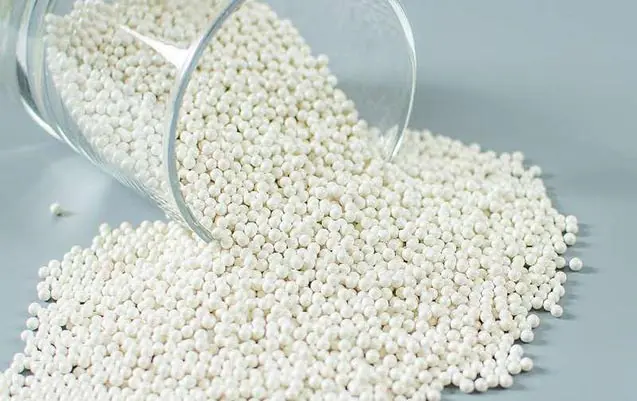
Zirconia beads are spherical grinding and milling media made from zirconium dioxide (ZrO₂). They are manufactured through high-temperature sintering and stabilization with yttria or magnesia. Zirconia beads are known for their exceptional density (≥6 g/cm³), high fracture toughness, and superior wear resistance. These qualities make them ideal for high-energy milling, fine grinding, and applications requiring consistent particle size reduction.

Performance Comparison
To decide between aluminum oxide vs zirconia beads, engineers typically assess performance parameters such as hardness, wear resistance, lifespan, and efficiency. Below is a detailed comparison:
1. Hardness
Aluminum oxide is extremely hard, with a Mohs hardness rating of about 9. Zirconia beads, while slightly softer (around Mohs 8), offer higher impact resistance. This makes aluminum oxide better suited for aggressive cutting and blasting, while zirconia beads are preferred for sustained, controlled grinding.
2. Wear Resistance
Zirconia beads exhibit outstanding wear resistance thanks to their dense microstructure. They last significantly longer than aluminum oxide in high-energy milling applications. Aluminum oxide, though hard, fractures more easily, generating dust and requiring more frequent replenishment.
3. Lifespan
In continuous-use environments, zirconia beads can outlast aluminum oxide by up to 5–10 times. This longevity translates into reduced downtime and lower replacement costs in the long term.
4. Efficiency
Aluminum oxide excels in surface blasting and cleaning, offering high removal rates and sharp cutting edges. Zirconia beads, by contrast, provide consistent grinding efficiency, maintaining particle size control in applications such as pharmaceuticals, coatings, and ceramics.
For additional comparisons, see our Ceramic Media vs Plastic Media guide or the Abrasive Media Comparison Overview.
Anwendungsszenarien
The choice between aluminum oxide and zirconia beads often depends on industry-specific requirements. Below are real-world examples that highlight how each media performs in different sectors:
Luft- und Raumfahrtindustrie
In aerospace, zirconia beads are favored for finishing turbine components and high-strength alloys. Their durability and ability to maintain tight tolerances make them suitable for high-precision polishing and surface preparation. Aluminum oxide, while useful for general blasting, may cause micro-cracking in sensitive alloys.
Autoindustrie
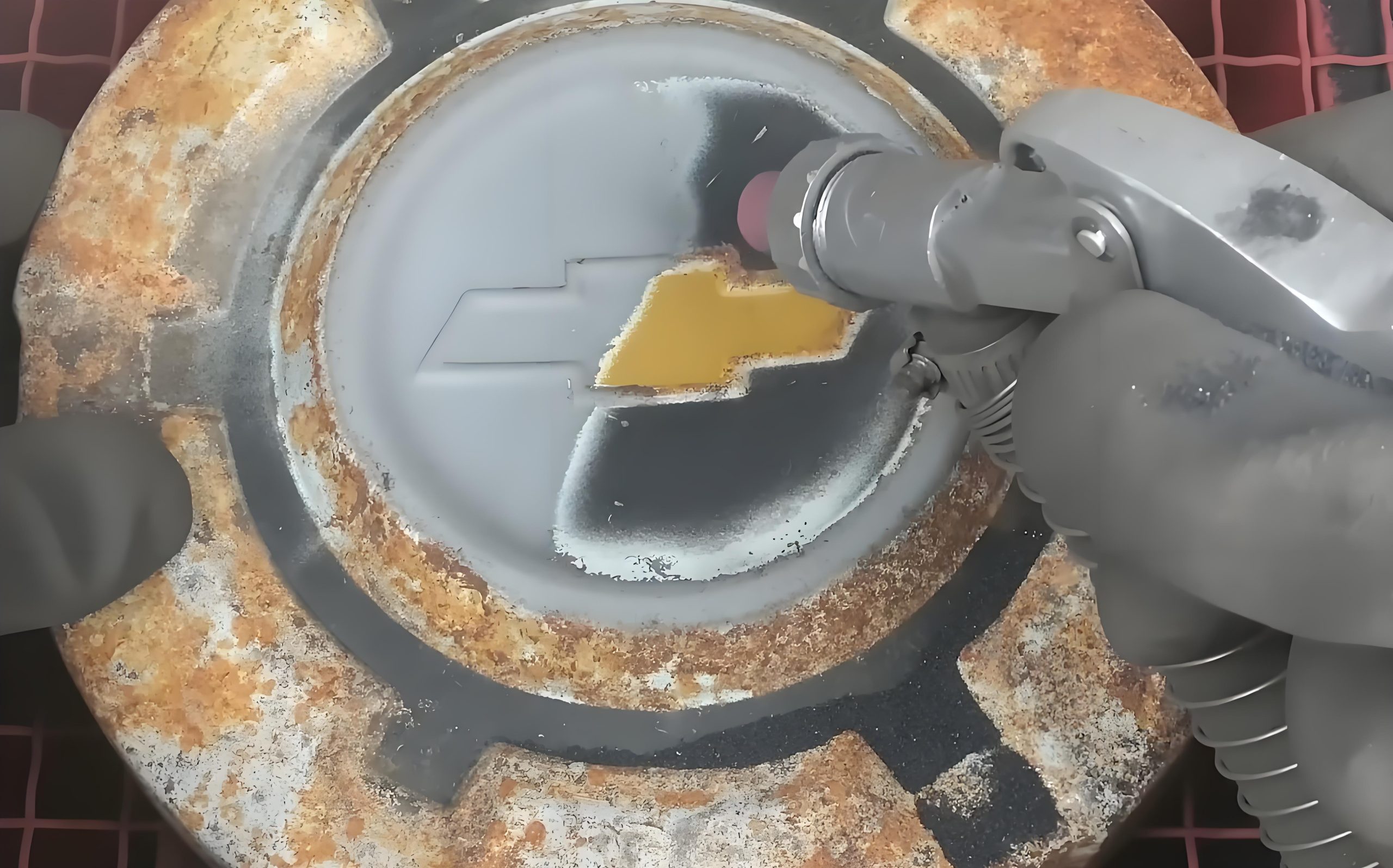
Aluminum oxide is widely used in automotive manufacturing for surface cleaning, rust removal, and preparation of steel panels before coating. Zirconia beads, though more expensive, are applied in engine component finishing where precision and consistency are critical.

Precision Manufacturing
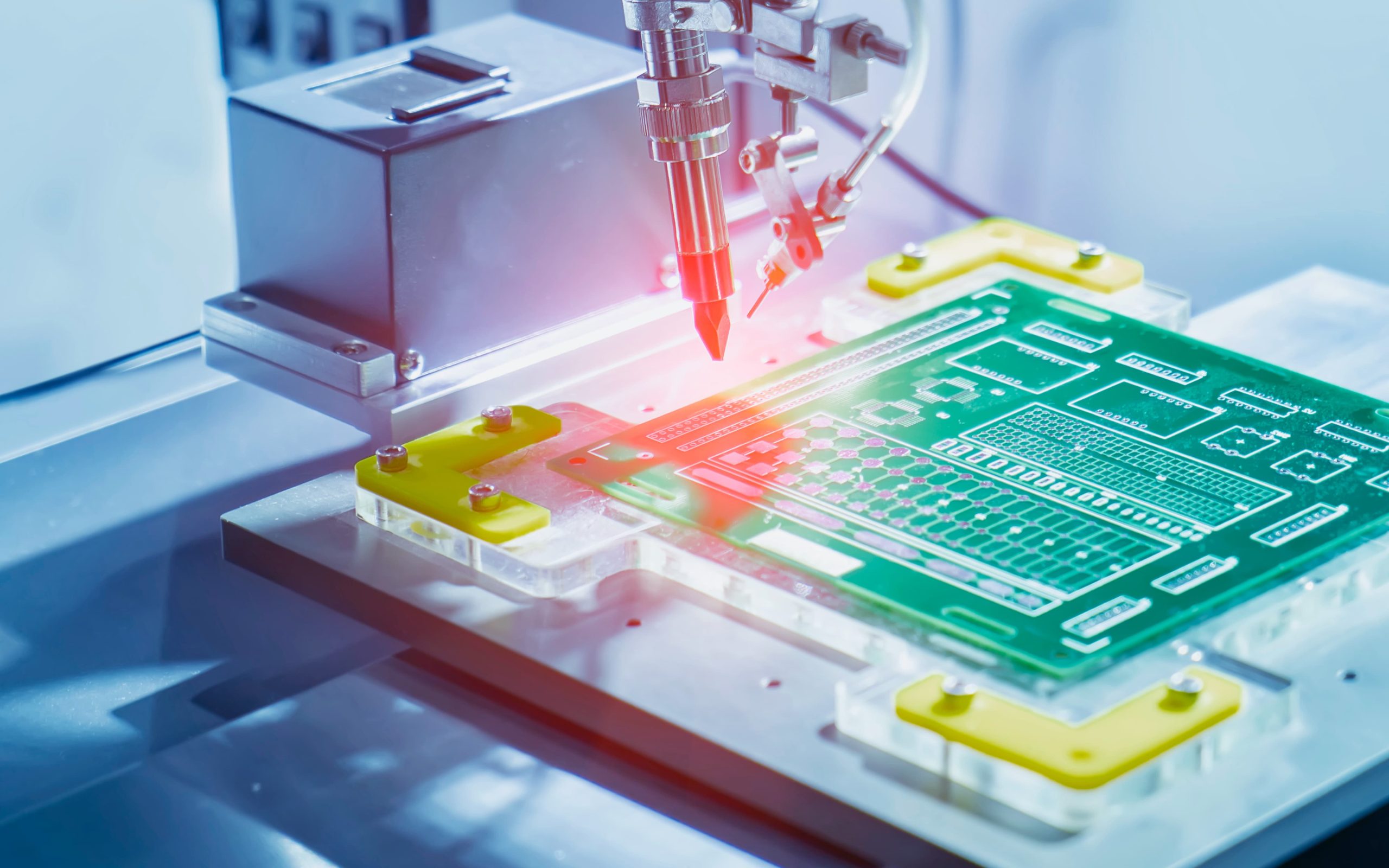
Industries producing medical devices, electronics, and fine ceramics often prefer zirconia beads due to their ability to achieve nano-scale grinding and consistent particle dispersion. Aluminum oxide is less effective in such applications due to its brittle fracture characteristics.
Cost vs Benefits
Cost is often the deciding factor when comparing aluminum oxide vs zirconia beads. While aluminum oxide is far less expensive per kilogram, zirconia beads deliver greater long-term value due to their extended lifespan and consistent performance.
Initial Cost
Aluminum oxide typically costs 5–10 times less than zirconia beads. This makes it attractive for short-term or large-volume blasting applications where abrasive turnover is expected.
Operational Longevity
Zirconia beads can last up to 10 times longer than aluminum oxide, reducing replacement frequency. This leads to less downtime, fewer machine stoppages, and lower labor costs.
ROI Analysis
Consider a coating plant requiring continuous grinding:
- Aluminum Oxide: Low initial cost, but media replenishment needed weekly, generating dust and disposal costs.
- Zirconia Beads: High upfront cost, but replacement required only quarterly, significantly reducing TCO.
Over 12 months, zirconia beads often deliver a better return on investment despite their higher purchase price.
Recommendations
Based on industry data and real-world case studies, the following recommendations can guide abrasive media selection:
- Choose Aluminum Oxide if: You require an affordable, aggressive abrasive for blasting, surface cleaning, or large-volume operations where cost efficiency is prioritized.
- Choose Zirconia Beads if: Your process demands precision, long service life, and consistent performance in high-energy or fine grinding applications.
For broader comparisons across multiple abrasive media, see our Product Comparison & Selection Guide.
Häufig gestellte Fragen
Q1: Can aluminum oxide and zirconia beads be used interchangeably?
No. Aluminum oxide is better for blasting and surface cleaning, while zirconia beads are designed for fine grinding and milling. Substituting one for the other may compromise process outcomes.
Q2: Which media generates more dust?
Aluminum oxide tends to fracture during use, generating more dust. Zirconia beads maintain their shape longer, producing less airborne particulate matter.
Q3: Are zirconia beads suitable for food and pharmaceutical industries?
Yes. High-purity zirconia beads are often used in pharmaceuticals and food processing due to their inertness and ability to maintain contamination-free grinding.
Request a Quote
Not sure whether aluminum oxide or zirconia beads are best for your process? Our technical specialists can provide tailored guidance based on your industry, materials, and production goals.
Filter