Coal Slag & Copper Slag Abrasive Suppliers: Cost, Safety & Applications
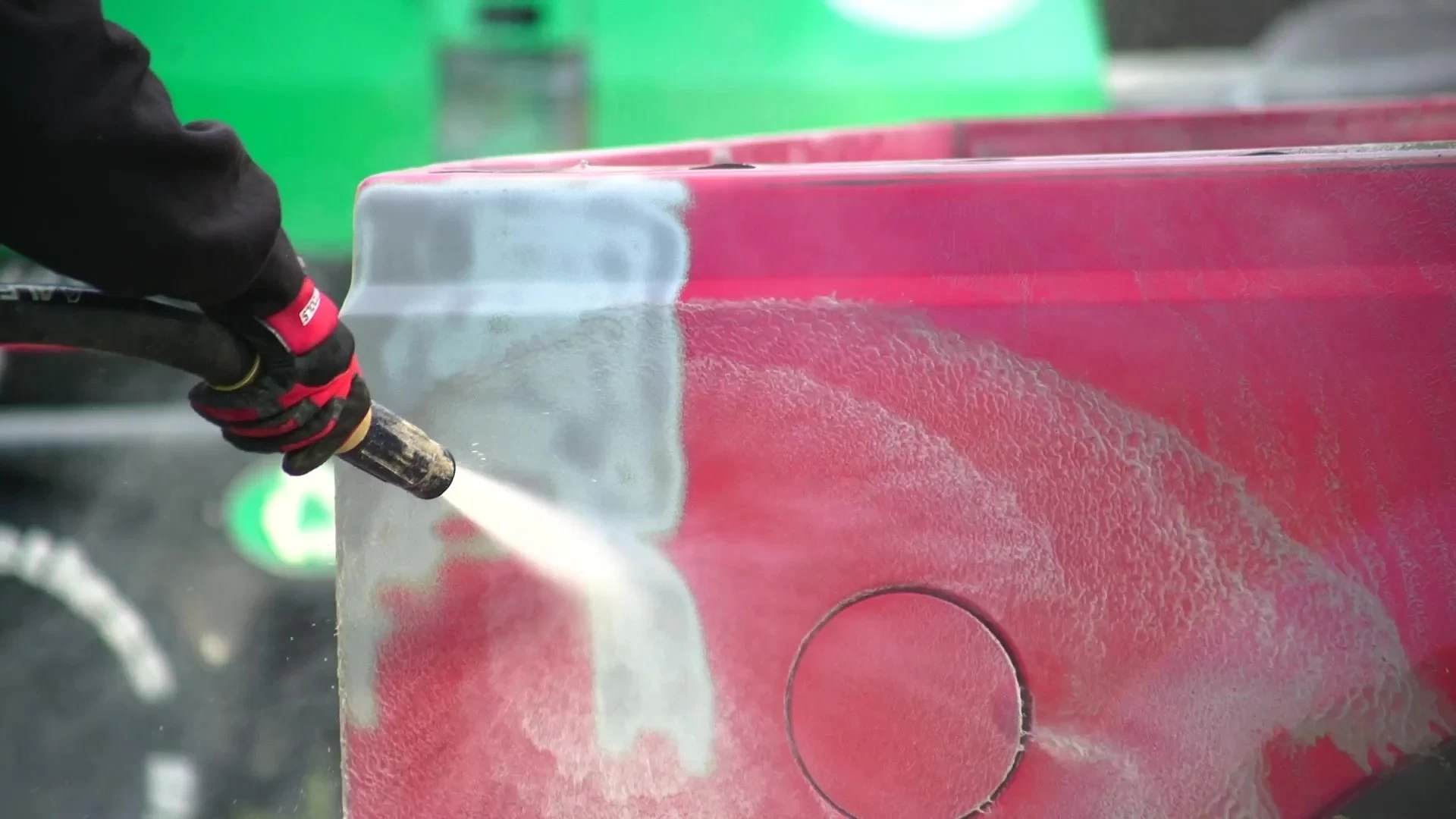
Coal slag and copper slag are among the most affordable abrasive blasting materials on the market — and for field blasting operations where single-use media economics make sense, they have earned a legitimate place in the surface preparation industry. However, the low unit price masks real costs in disposal, dust management, and long-term equipment wear. For buyers evaluating coal slag and copper slag abrasive suppliers, understanding the full picture — including safety compliance, total project cost, and when these materials are and are not appropriate — is essential before placing an order.
This page is part of the comprehensive Sandblasting Media Suppliers: Industrial Buyer’s Complete Guide by Jiangsu Henglihong Technology Co., Ltd.
1. What Are Slag Abrasives?
Slag abrasives are industrial byproducts — glassy, amorphous materials formed during high-temperature industrial processes that are subsequently crushed and screened for use as blasting abrasives. Unlike purpose-manufactured abrasives such as steel grit or aluminum oxide, slag abrasives are derived from waste streams, which accounts for their very low unit cost.
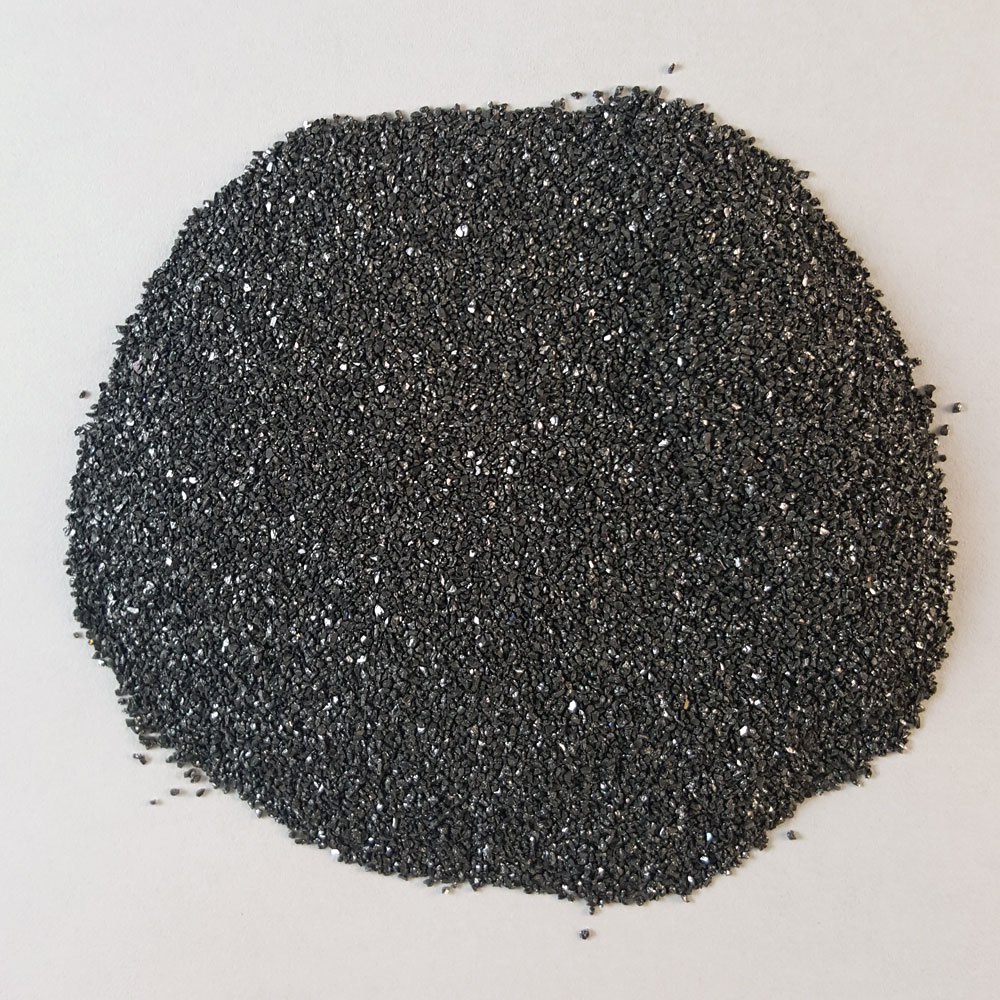
The two dominant types in the market are coal slag (also called Black Beauty® in North America, a trade name that has become somewhat generic) produced as a byproduct of coal-fired power generation, and copper slag produced during copper smelting. Both are angular, vitreous materials with moderate hardness (Mohs 6–7) that produce aggressive cutting action suitable for heavy rust and scale removal.
2. Coal Slag: Properties & Specifications
Coal slag (or coal fly ash slag) is produced when pulverized coal is burned in power plant boilers. The molten mineral residue is rapidly quenched in water, forming glassy, angular granules. After crushing and screening, the product is sold as an abrasive blasting material under various brand names.
Typical Coal Slag Properties
| Property | Typical Value | Notes |
|---|---|---|
| Mohs hardness | 6.0–7.0 | Moderate; less than garnet or Al₂O₃ |
| Specific gravity | 2.7–3.0 g/cm³ | Lighter than metallic abrasives |
| Free silica (crystalline) | <1% (amorphous SiO₂ may be higher) | Must verify via XRD — critical for OSHA compliance |
| Heavy metals | Variable — may contain trace As, Pb, Cr, Hg | Depends on coal source; key disposal concern |
| Wiederverwertbarkeit | Single-use only | Not suitable for blast room recovery |
| Staubentwicklung | High relative to metallic abrasives | Requires enhanced dust control and PPE |
3. Copper Slag: Properties & Specifications
Copper slag is generated during copper smelting when impurities are separated from molten copper and the resulting silicate melt is quenched. The product is extremely hard, dense, and angular — making it one of the more aggressive non-metallic blasting abrasives available. It is widely used in Singapore, the Middle East, and Southeast Asia, where copper smelting facilities generate reliable local supply.
Typical Copper Slag Properties
| Property | Typical Value | Notes |
|---|---|---|
| Mohs hardness | 6.5–7.0 | Slightly harder than coal slag |
| Specific gravity | 3.4–3.9 g/cm³ | Denser than coal slag; heavier impact |
| Free silica (crystalline) | <1% | Typically low; verify with XRD |
| Heavy metals | Low — well-characterized byproduct | Cu, Fe, Si matrix; low As, Pb vs. coal slag |
| Wiederverwertbarkeit | Single-use only | Breaks down quickly on impact |
| Staubentwicklung | Moderate-high | Better than coal slag; worse than garnet |
| Profile depth (medium) | 40–70 µm | Similar to garnet 30/60 |
4. Coal Slag vs. Copper Slag: Side-by-Side
| Criterion | Coal Slag | Copper Slag |
|---|---|---|
| Härte | Mohs 6.0–7.0 | Mohs 6.5–7.0 |
| Dichte | 2.7–3.0 g/cm³ | 3.4–3.9 g/cm³ |
| Surface profile | 30–60 µm | 40–70 µm |
| Staubentwicklung | Hoch | Moderate-high |
| Heavy metal risk | Higher (varies by coal source) | Lower (well-characterized) |
| Unit cost (FOB) | $60–$150/MT | $80–$180/MT |
| Disposal risk | Higher — potential hazardous waste | Lower — generally non-hazardous |
| Regional availability | North America, Europe | Middle East, SE Asia, Singapore |
| OSHA compliance (silica) | Yes (verify XRD) | Yes |
5. Safety & Regulatory Considerations
Both coal slag and copper slag are OSHA-compliant from a free silica standpoint, provided they have been tested and certified to contain less than 1% crystalline silica. However, several additional safety and regulatory issues deserve careful attention:
- Heavy metals in spent abrasive: If the surface being blasted has lead paint or chromate primer, the spent abrasive mixture will be contaminated with heavy metals. Combined with potential heavy metals in coal slag itself, this can trigger RCRA hazardous waste classification for the spent abrasive — significantly increasing disposal costs.
- Dust volumes: Slag abrasives generate substantially more dust per square meter blasted than metallic or garnet abrasives. This means higher engineering control requirements, more frequent filter changes on blast equipment, and higher respiratory protection costs.
- Moisture and expansion: Coal slag can absorb moisture, which degrades blasting performance and can cause equipment clogs in blast pot systems. Store in dry conditions and verify moisture content (<0.5%) on delivery.
For the full OSHA regulatory framework governing blast media selection and dust exposure limits, see: OSHA Sandblasting Safety: Why Silica Sand Is Banned and What to Use Instead.
6. True Cost: Unit Price vs. Total Project Cost
The most common mistake buyers make with slag abrasives is selecting them solely on the basis of low unit price per ton, without accounting for the factors that drive total project cost upward:
| Cost Factor | Coal/Copper Slag | Steel Grit (comparison) |
|---|---|---|
| Unit cost / MT (FOB) | $60–$180 (low) | $450–$700 (high) |
| Consumption rate / m² | 150–300 kg/m² (single-use) | 0.3–2 kg/m² (recycled) |
| Disposal cost / MT spent | $80–$300+ (may be hazardous) | $40–$80 (non-hazardous metal) |
| Dust collection costs | High (filter replacement, etc.) | Low–moderate |
| Equipment wear rate | Moderate (non-metallic, lower density) | Low–moderate (well-characterized wear) |
| True cost / m² prepared | $0.25–$0.70 (often higher when disposal included) | $0.04–$0.12 |
7. Applications & Limitations
Where Slag Abrasives Are Used
- Open-air structural steel rust removal for bridge maintenance, industrial plant construction
- Ship hull maintenance in dry-dock where containment and disposal infrastructure is available
- Pipeline field joints and repair blasting
- Concrete surface preparation — see full guidance: Concrete & Masonry Blasting Media Guide
Where Slag Abrasives Are Not Appropriate
- Enclosed blast rooms and blast cabinets (not recyclable; generates excessive dust)
- Projects with strict heavy metal contamination limits (coal slag variable chemistry)
- Stainless steel, titanium, or non-ferrous substrate blasting (risk of iron and heavy metal contamination)
- Any project where disposal costs for spent abrasive make total economics unfavorable vs. recyclable alternatives
8. Frequently Asked Questions
Need Help Selecting the Right Blast Media?
If you are weighing slag abrasives against recyclable alternatives for your project, our technical team at Jiangsu Henglihong Technology Co., Ltd. can provide a full cost comparison and media recommendation based on your specific application.
Contact Our Team →Filter