Garnet Blasting for Shipbuilding & Steel Structures
Marine and structural steel demand fast cutting, low chloride and a dependable profile. Here’s why garnet is the abrasive of choice for shipyards and fabricators.
Get Project Supply →Why Garnet in Marine & Structural Work
Shipbuilding and structural steel fabrication are among the most demanding environments for an abrasive. Surfaces are large, coatings are heavy-duty, and corrosion protection has to last decades in salt-laden or industrial conditions. Garnet suits the task because it cuts mill scale and rust quickly at moderate pressure, produces a uniform anchor profile for thick protective coatings, generates low dust in busy yards, and carries low chloride to protect coating integrity.
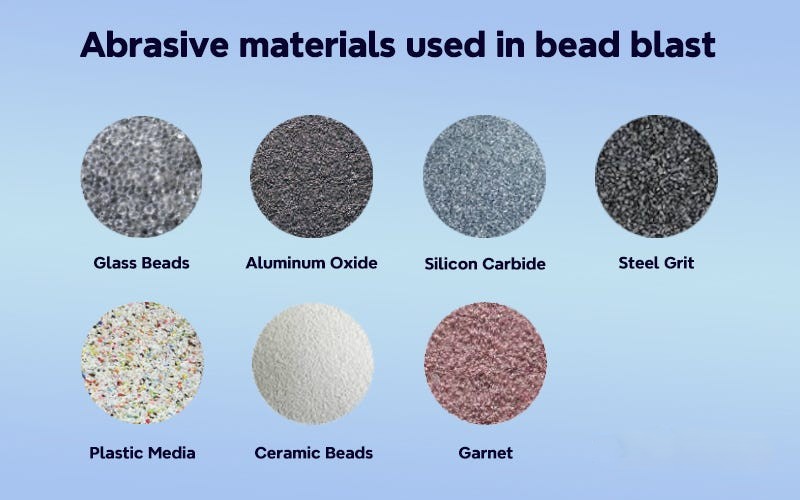
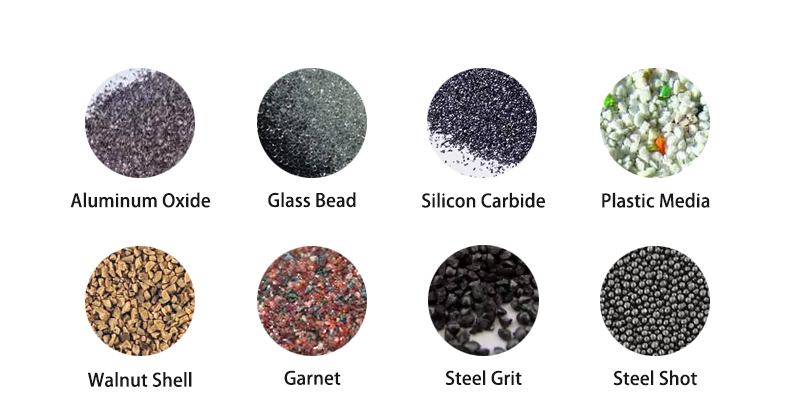
It sits within a wider toolkit covered in our guide to garnet abrasive blast media.
Where It’s Used
- Hull preparation — exterior and interior surfaces before anti-corrosive and antifouling systems.
- Ballast & cargo tanks — confined spaces where low dust and clear visibility matter.
- Decks & superstructure — large flat areas needing consistent profile.
- Structural steel, bridges & tanks — mill-scale removal ahead of heavy coatings.
- Offshore platforms — maintenance blasting in corrosive marine air.
Standards & Grade Selection
Marine and structural coatings are typically specified to a cleanliness grade such as ISO 8501-1 Sa 2½ (near-white) or SSPC-SP 10 / NACE No. 2, with a defined anchor profile. Grade selection follows:
| Task | Suggested Grade | Profile |
|---|---|---|
| Heavy scale / new fabrication | 20/40 | 3.5–4.5 mil |
| General hull & structural prep | 30/60 | 2.5–3.5 mil |
| Thin-film / touch-up | 80 | 1.5–2.5 mil |
Match the grade to the coating spec with help from our surface profile guide そして mesh size chart.
The Chloride Factor
In marine and offshore work, soluble salts are a leading cause of premature coating failure — trapped chlorides draw moisture through the coating and trigger under-film corrosion. A low-chloride abrasive is therefore essential. Garnet’s typically low chloride content and low conductivity make it well suited to salt-sensitive marine coatings.
Spec tip: always confirm the chloride figure on the certificate of analysis for marine and tank-lining work — it directly affects coating life.
よくある質問
What garnet grade is best for shipbuilding?
30/60 is the general-purpose choice for hull and structural prep; use 20/40 for heavy scale and 80 for thin-film or touch-up work.
Why is low chloride important for marine blasting?
Soluble salts trapped under coatings cause under-film corrosion and early failure, so a low-chloride abrasive like garnet helps coatings last longer.
What cleanliness standard do ship coatings need?
Most marine coatings specify near-white metal, ISO 8501-1 Sa 2½ or SSPC-SP 10 / NACE No. 2, with a defined profile range.
Reliable Garnet Supply for Shipyards & Fabricators
Jiangsu Henglihong Technology supplies low-chloride garnet in bulk and container quantities, graded to your coating spec. Request project pricing and a free sample.
Get a Quote →フィルター