Black Beauty vs. Copper Slag: A Complete Blasting Media Comparison
A neutral, engineer-focused comparison of two slag abrasives that are often direct substitutes — covering performance, cost, chemistry, environmental compliance, and when to choose each.
1. What Each Material Is
Black Beauty (Coal Slag)
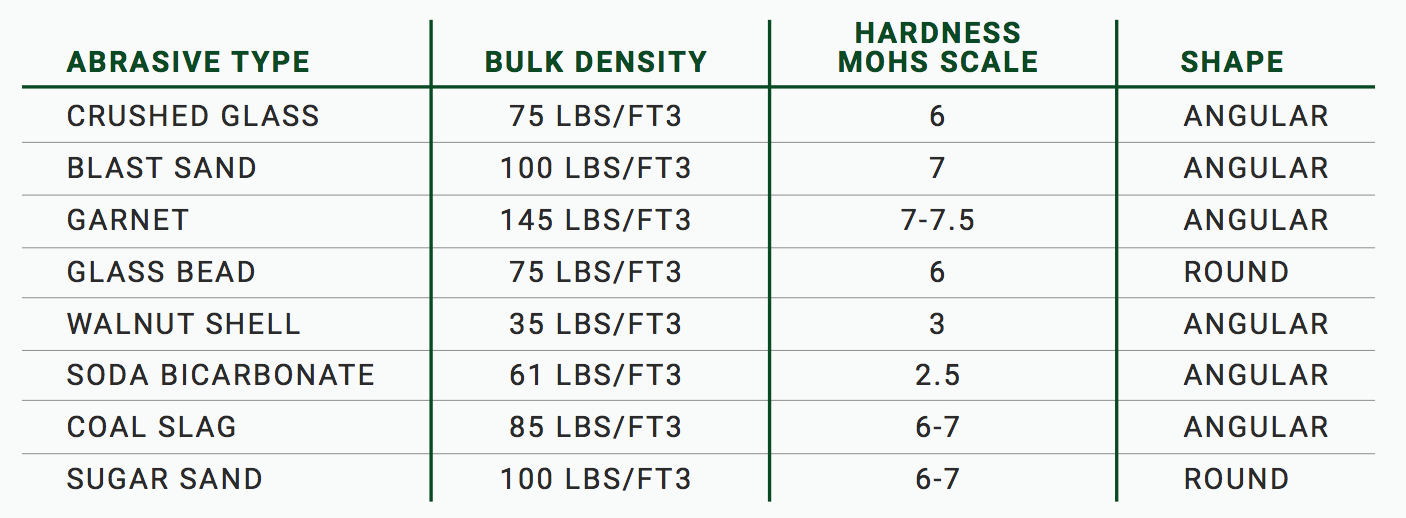
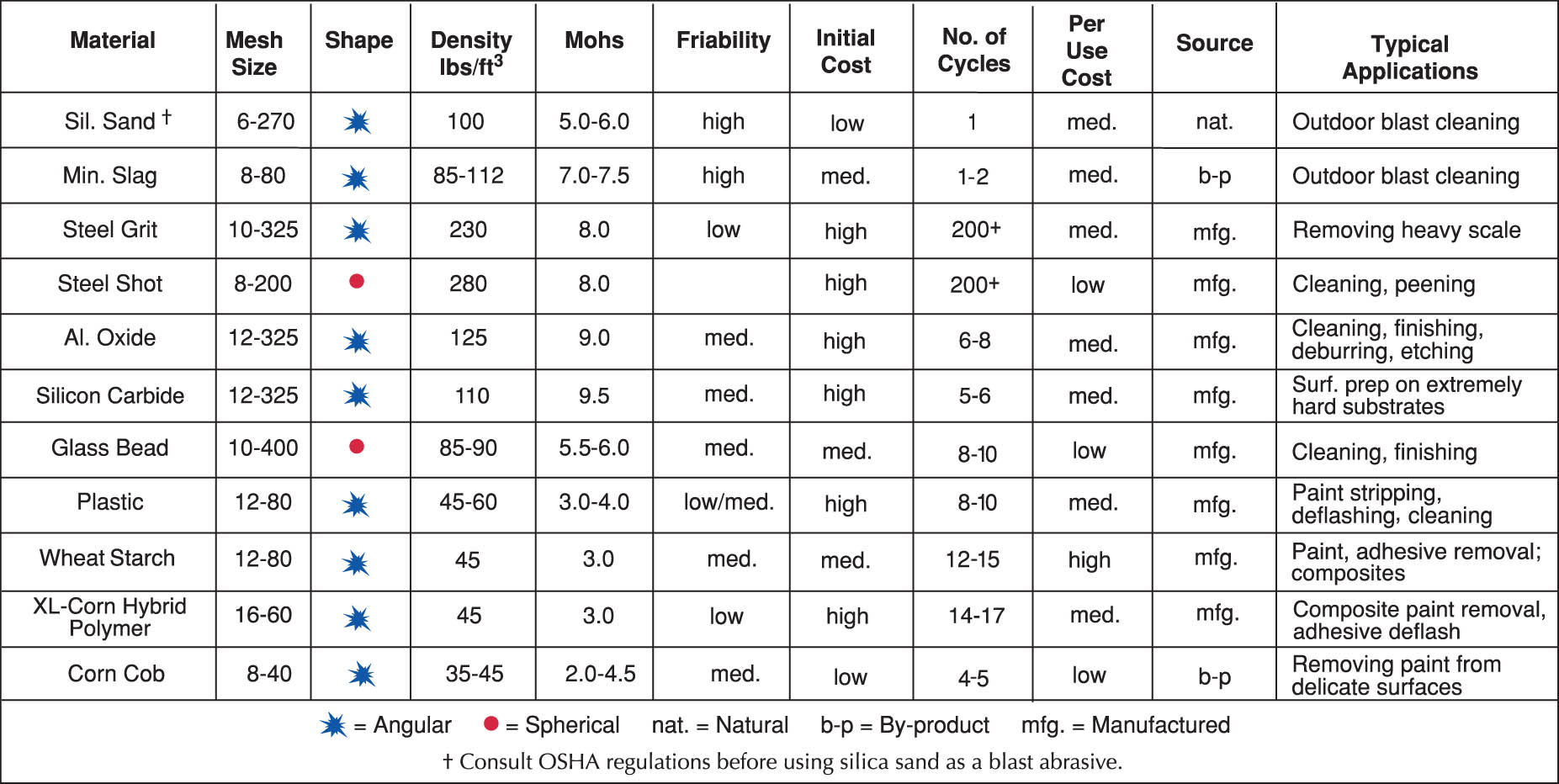
Processed coal boiler slag — vitrified mineral byproduct of coal combustion. Primary constituents: amorphous silica, alumina, and iron oxides. Produced at coal-fired power plants globally; feedstock availability tied to coal power generation activity. Mohs hardness 6–7, primarily single-use economics.
Copper Slag
Copper slag — also marketed as iron silicate slag or by trade names such as SHARPSHOT® and Black Diamond Copper Slag — is the byproduct of copper smelting operations. When copper ore concentrates are smelted in reverberatory or flash furnaces, the gangue minerals and fluxes form a molten silicate slag that is quenched, crushed, and screened in essentially the same manner as coal boiler slag. The primary mineral phase in copper slag is fayalite (iron silicate, Fe₂SiO₄), which gives it a higher specific gravity and slightly different abrasion characteristics compared to coal slag.
Both are SSPC AB 1 compliant, both are recycled byproduct-based, and both are primarily single-use abrasives in field blasting applications. They are the closest specification equivalents in the blast media market, and the choice between them is often more nuanced than a simple “better/worse” evaluation.
For the full context: Black Beauty Abrasive Blasting Media: The Complete Buyer’s Guide.
2. Head-to-Head Specification Comparison
| Property | Black Beauty (Coal Slag) | Copper Slag (Iron Silicate) |
|---|---|---|
| Primary mineral phase | Amorphous aluminosilicate glass | Fayalite (Fe₂SiO₄) — iron silicate |
| モース硬度 | 6.0 – 7.0 | 6.0 – 7.0 |
| 比重 | 2.6 – 2.9 g/cm³ | 3.3 – 3.7 g/cm³ |
| Free Crystalline Silica | < 0.1% | < 1.0% |
| カラー | Dark grey to black | Black to dark brown |
| 粒子形状 | Angular (conchoidally fractured) | Angular — often slightly glassier, sharper edges |
| Reuse Cycles | 1 (disposable) | 1 (disposable) |
| Relative Cutting Speed | 高い | Slightly higher (due to higher SG) |
| Dust Generation | 低い | Low (comparable) |
| Copper content | なし | Trace (varies by source; typically <0.1% Cu) |
| Bulk Price (per ton) | $150 – $220 | $180 – $280 |
| SSPC AB 1 Compliant | Yes | Yes |
| ISO 11126-3 Compliant | No (coal slag) | Yes (copper refinery slag spec) |
3. Chemistry and Composition Differences
Despite similar field performance, coal slag and copper slag have meaningfully different chemistries that matter in specific application contexts:
- Iron content: Copper slag has significantly higher iron content (as iron silicate, FeO·SiO₂) — typically 35–45% FeO+Fe₂O₃ versus 10–18% in coal slag. This contributes to copper slag’s higher specific gravity and slightly greater kinetic energy per particle.
- Silica content: Coal slag contains more total amorphous silica (40–55%) than copper slag (25–40%). Both have very low free crystalline silica.
- Trace copper: Copper slag from copper smelting contains trace residual copper — typically below 0.1% by weight — which can be a concern in TCLP testing and for projects with strict heavy-metal contamination limits. Chloride content can also vary by source and must be verified for marine or tank lining applications.
- アルミナ Coal slag typically contains more alumina (20–28%) than copper slag (5–10%), which contributes to coal slag’s glassy hardness characteristics.
4. Blasting Performance
In comparable grades and at identical blasting parameters, copper slag’s higher specific gravity (3.3–3.7 vs. 2.6–2.9 for coal slag) means each particle carries slightly more kinetic energy — translating to a modest performance advantage on very heavy mill scale and thick corrosion deposits. Published independent studies and contractor field reports generally find copper slag to be approximately 10–15% faster cutting than coal slag at comparable mesh grades and blast pressures on Grade C/D carbon steel.
This performance advantage narrows and sometimes reverses on thinner, lighter corrosion deposits (Grade A/B steel with light paint removal) where the anchor profile depth — not cutting speed — is the limiting specification constraint. In these applications, coal slag’s slightly lower cutting aggressiveness can actually be an advantage for hitting a tight anchor profile window without over-profiling the substrate.
5. Environmental and Safety Profiles
Both materials are primarily non-hazardous in clean blasting applications, but there are important environmental differences to be aware of:
| Environmental Parameter | Black Beauty | Copper Slag |
|---|---|---|
| TCLP non-hazardous status (clean use) | Typically passes — non-haz solid waste disposal | Typically passes — but Cu/Ba leachate must be verified by source |
| Heavy metal leachate concern | Very low — no inherent heavy metals of concern | Low-moderate — trace Cu and Ba leachate requires batch TCLP confirmation |
| Chloride content | Low to moderate — verify supplier data for marine projects | Variable — verify for immersion and offshore applications |
| Environmental origin | 100% recycled power plant byproduct | 100% recycled copper smelter byproduct |
| Regulatory acceptability | Global — accepted in all major industrial markets | Global — accepted in all major markets; ISO 11126-3 provides international framework |
6. Cost Comparison
Copper slag typically commands a 15–30% price premium over coal slag in comparable grades. In the U.S. market as of June 2026:
- Coal slag (Black Beauty grade): $150–220/ton bulk, FOB plant
- Copper slag (iron silicate): $180–280/ton bulk, FOB point of supply
Both are single-use abrasives in field applications. Copper slag’s modest price premium is typically justified by its slightly higher cutting speed on heavy corrosion deposits — reducing labor hours per square foot in high-volume shipyard and heavy industrial applications. For projects where blasting is not the production rate bottleneck, the price premium does not translate to a proportional project cost benefit.
For cost comparison tools: Black Beauty Pricing Guide & Bulk Buying Tips.
7. When to Choose Each
✅ Choose Black Beauty (Coal Slag) When:
- Cost minimization is the primary objective and cutting speed is not a bottleneck
- Grade B or C steel with moderate rust and paint — coal slag’s cutting speed is adequate
- Projects specifying SSPC AB 1 compliant coal slag specifically
- Regional availability: coal slag plants near the job site reduce freight cost
- TCLP compliance is needed — coal slag has the cleaner heavy-metal profile
- Bridge maintenance and general structural steel maintenance — most widely accepted specification
✅ Choose Copper Slag When:
- Grade D steel with very heavy corrosion — copper slag’s higher SG provides a meaningful speed advantage
- Shipyard and dry-dock blasting at high volume where throughput rates are critical
- ISO 11126-3 is specified in the project tender (common on international projects)
- Regional availability: copper slag supply is closer than coal slag
- Contractor has established copper slag supply relationships with competitive pricing
8. The Verdict
Bottom Line
Black Beauty coal slag and copper slag are the most direct specification equivalents in the blast media market — both angular, both single-use, both SSPC AB 1 compliant, and both in the same Mohs hardness range. The differences are at the margins, not in fundamental performance category.Choose Black Beauty when cost is paramount and regional supply is convenient. Choose copper slag when maximum cutting speed on heavy corrosion or international ISO specification compliance is required, or when copper slag supply is more economical than coal slag in your region.
In either case, verify batch TDS data — free silica, TCLP results, conductivity, and gradation — from your specific supplier. Brand loyalty is less important than batch-level compliance documentation.
Return to overview: Complete Buyer’s Guide · Also compare: Black Beauty vs. Garnet · Black Beauty vs. Aluminum Oxide
フィルター