Ceramic Media for Aluminum: Engineering Selection Guide for Deburring, Surface Finishing & Mass Production
Why Aluminum Requires Specialized Ceramic Tumbling Media
Aluminum alloys typically exhibit Brinell hardness values between 15–95 HB depending on alloy and temper, significantly lower than steel or stainless steel. During tumbling or vibratory finishing, this softness creates three primary risks: smearing instead of cutting, surface loading of abrasive grains, and uncontrolled edge deformation. Standard high-density ceramic media designed for steel may remove material too aggressively, while overly soft media may polish without effective burr removal. Therefore, ceramic media for aluminum must balance controlled cutting ability with low surface aggressiveness.
Compared with steel parts, aluminum components are far more sensitive to media composition, abrasive grain size, and contact pressure. This is why aluminum-specific ceramic media formulations are engineered with lower abrasive concentration, optimized bond porosity, and reduced bulk density.
Typical Aluminum Parts Processed with Ceramic Media
- Die-cast aluminum housings and enclosures
- CNC-machined aluminum brackets and structural parts
- Extruded aluminum profiles
- Automotive aluminum components (gearbox housings, mounts)
- Aerospace aluminum alloy parts (7075, 6061, 2024)
- Consumer electronics aluminum frames
For these applications, ceramic tumbling media is typically used before anodizing, powder coating, painting, or direct assembly.
Ceramic Media Composition Optimized for Aluminum
Unlike ceramic media for hard metals, aluminum-oriented ceramic media uses a carefully controlled matrix to reduce aggressiveness while maintaining consistent cutting action.
| コンポーネント | Typical Range | Function in Aluminum Processing |
|---|---|---|
| Alumina Abrasive Content | 5–18 wt% | Provides controlled cutting without deep scratches |
| Ceramic Bond Density | 1.8–2.3 g/cm³ | Lower density reduces impact energy on soft aluminum |
| Porosity | 15–25% | Prevents aluminum smearing and media loading |
| Grain Size | F220–F600 | Fine grain minimizes surface damage |
This formulation allows aluminum burrs to be sheared rather than smeared, resulting in cleaner edges and more uniform surface texture.
Recommended Ceramic Media Shapes for Aluminum Parts
Shape selection is critical when processing aluminum because sharp edges or excessive point contact can easily cause over-cutting or deformation.
| Media Shape | Typical Size | Best Aluminum Applications |
|---|---|---|
| Angle Cut Triangle | 3×3 mm – 6×6 mm | Light deburring of machined aluminum edges |
| Cylinder | Ø4–Ø8 mm | General smoothing of flat and curved surfaces |
| Ball / Spherical | Ø3–Ø6 mm | Surface blending and cosmetic finishing |
| Wedge / Tristar | 4–6 mm | Accessing narrow grooves without aggressive cutting |
For complex aluminum geometries, smaller media sizes are preferred to reduce lodging risk. A detailed size matching method is explained in our Ceramic Media Size Chart.
Deburring Aluminum with Ceramic Media
Deburring is the most common reason manufacturers select ceramic media for aluminum. Typical burr heights range from 0.02–0.15 mm depending on machining conditions. Proper ceramic media selection allows burr removal without rounding functional edges.
Process parameters (typical vibratory finishing):
| Machine Type | Vibratory Bowl / Vibratory Trough |
| Amplitude | 2.0–3.0 mm |
| Cycle Time | 30–90 minutes |
| Compound | Mild alkaline, aluminum-safe |
| Water Ratio | Continuous flow, low foam |
This setup achieves consistent burr removal while preserving dimensional accuracy.
Surface Finish Results on Aluminum
One of the key advantages of ceramic media over metal or aggressive plastic media is the predictable surface roughness outcome.
| Process Stage | Initial Ra | Final Ra | Visual Appearance |
|---|---|---|---|
| Machined Aluminum | Ra 2.5–3.2 µm | – | Tool marks visible |
| Ceramic Deburring | – | Ra 1.2–1.8 µm | Uniform matte finish |
| Fine Ceramic Smoothing | – | Ra 0.8–1.2 µm | Smooth, anodizing-ready |
Ceramic Media vs Plastic Media for Aluminum
Many buyers compare ceramic media with plastic media when finishing aluminum. The choice depends on burr size, tolerance sensitivity, and throughput requirements.
| Factor | セラミック・メディア | プラスチック・メディア |
|---|---|---|
| Material Removal Rate | Medium and controllable | 低い |
| Edge Control | Good with proper shape | 素晴らしい |
| Cycle Time | Shorter | Longer |
| Media Life | Long | Medium |
| Cost per Part | Lower at scale | Higher for large volumes |
A deeper comparison is available on our Ceramic vs Plastic Tumbling Media page.
Common Problems When Finishing Aluminum and How to Avoid Them
- Surface Smearing: Increase media porosity and reduce abrasive grain size.
- Over-Rounding: Switch to smaller media or reduce cycle time.
- Embedded Abrasive: Use aluminum-specific compounds and proper rinsing.
- Part-to-Part Impacts: Increase media-to-part ratio.
Integration with Ceramic Tumbling Media Pillar
This aluminum-specific guide is part of our broader ceramic media knowledge base. For a full overview of ceramic media types, shapes, densities, and machine compatibility, refer to our main pillar page: Ceramic Tumbling Media. Shape-specific guidance can also be found on Ceramic Tumbling Media Shapes.
Where to Add Images and Videos
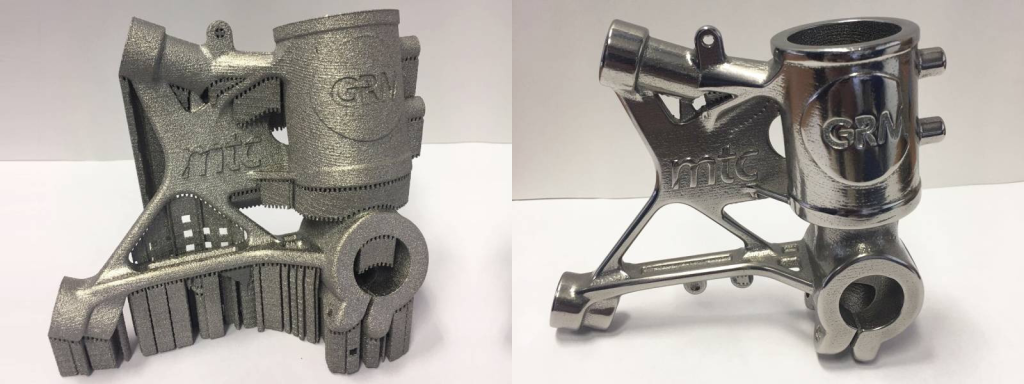
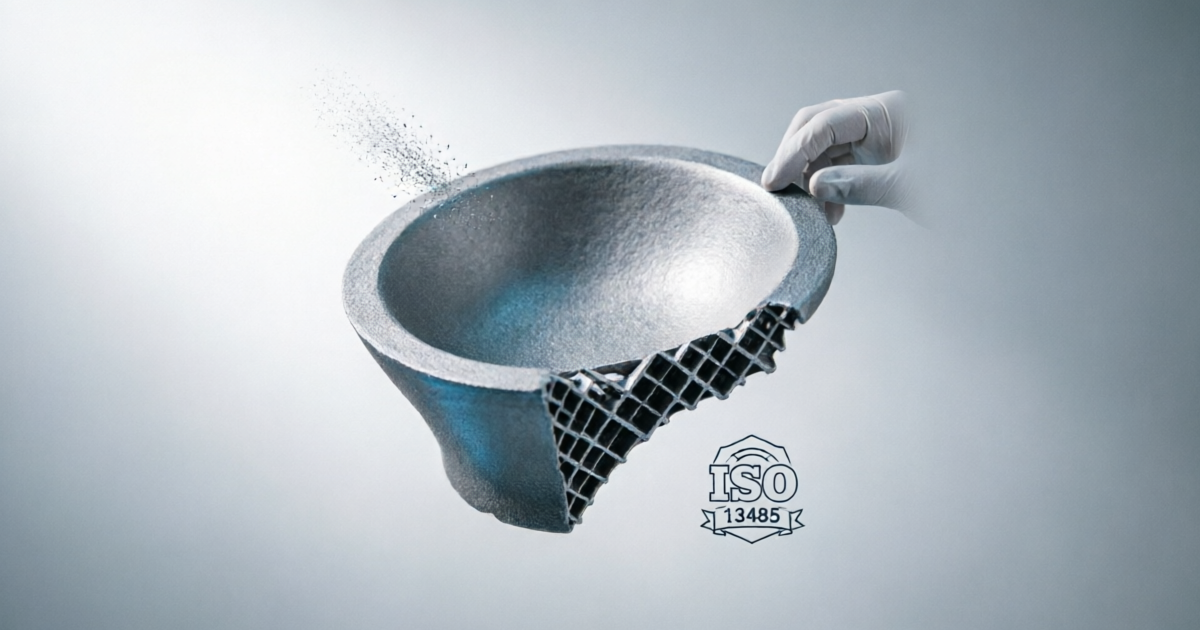
[Image Placeholder] Aluminum CNC parts before and after ceramic tumbling [Image Placeholder] Cross-section of porous ceramic media structure [Video Placeholder] Vibratory finishing process using ceramic media for aluminum housingsRequest a Media Recommendation for Your Aluminum Parts
Every aluminum alloy and part geometry behaves differently in mass finishing. For precise selection of ceramic media size, shape, density, and abrasive level, contact our technical team with your alloy grade, burr size, target Ra, and production volume. We provide test-based recommendations and process optimization support.
フィルター