Dry vs. Wet Sandblasting: What’s the Difference and When to Use Each?
4月 25, 2025
In the world of surface treatment, understanding the difference between dry そして wet sandblasting is crucial for selecting the right process. While both methods are designed to clean, texture, or prepare surfaces, their applications, advantages, and limitations vary significantly. Choosing the wrong one could result in inefficient processing or even surface damage.

🌬 What Is Dry Sandblasting?
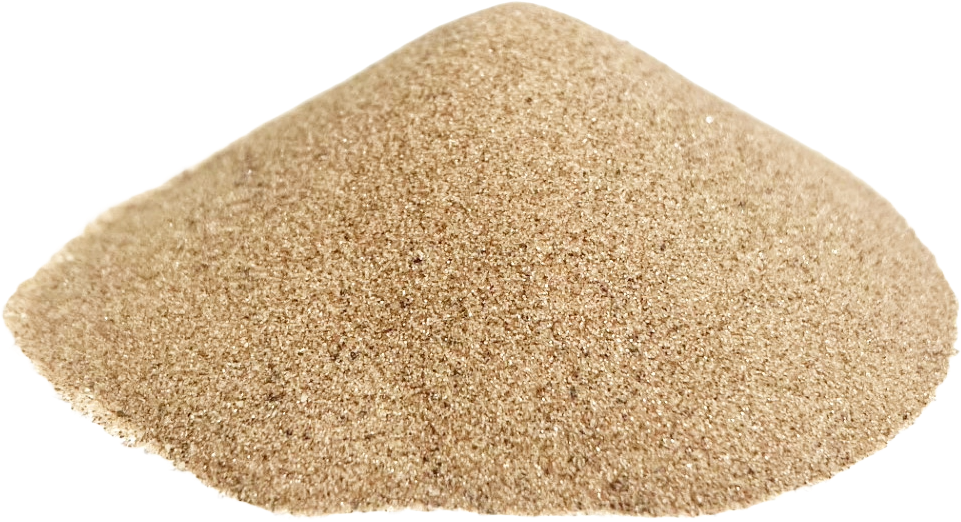
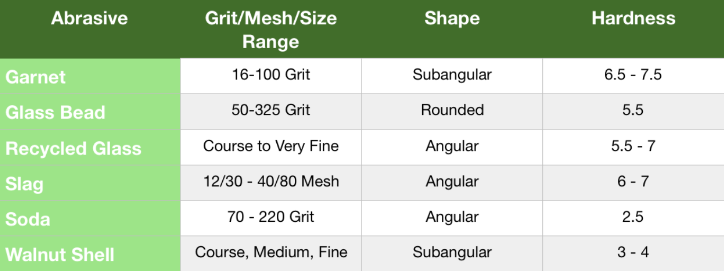
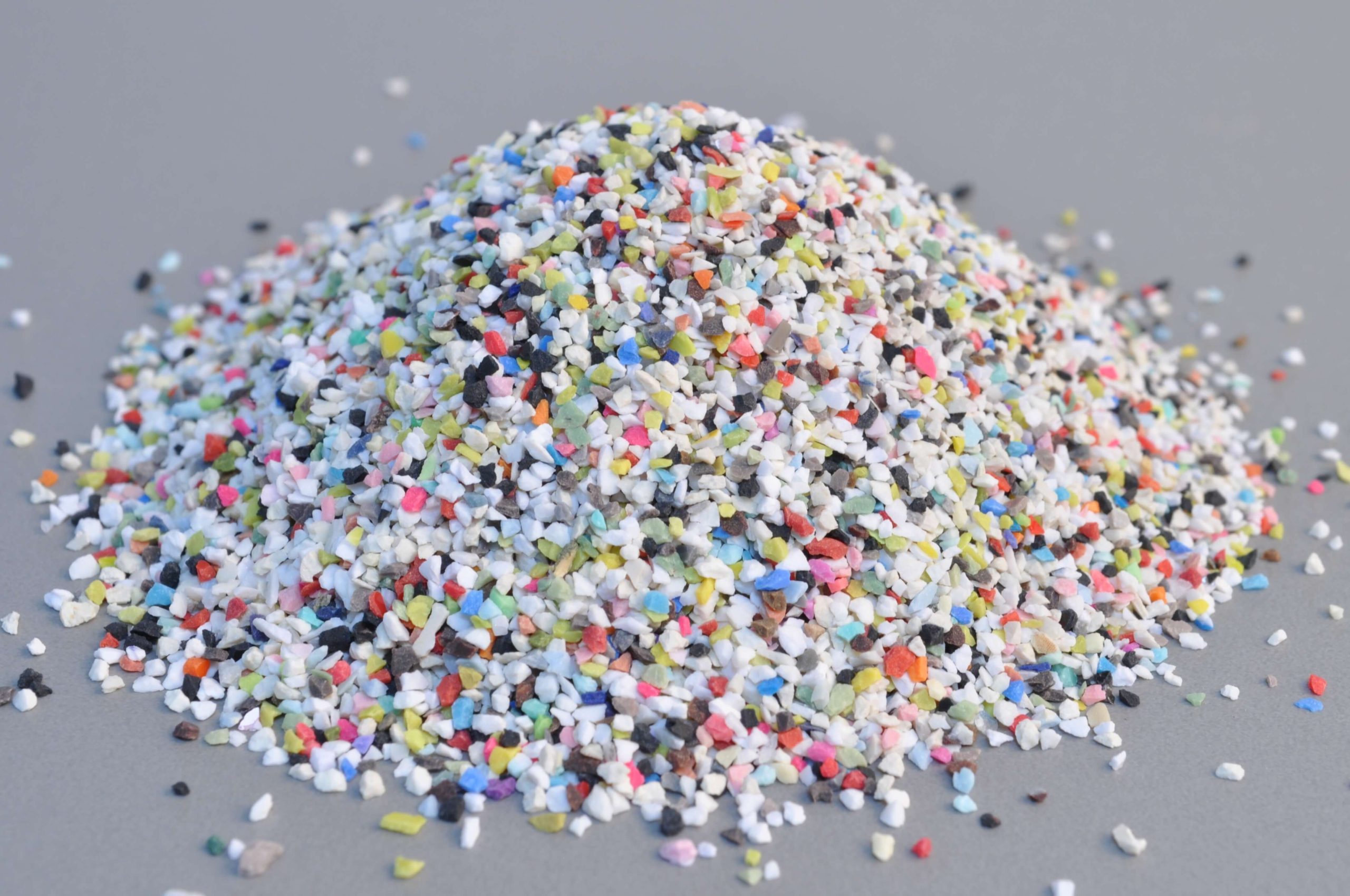
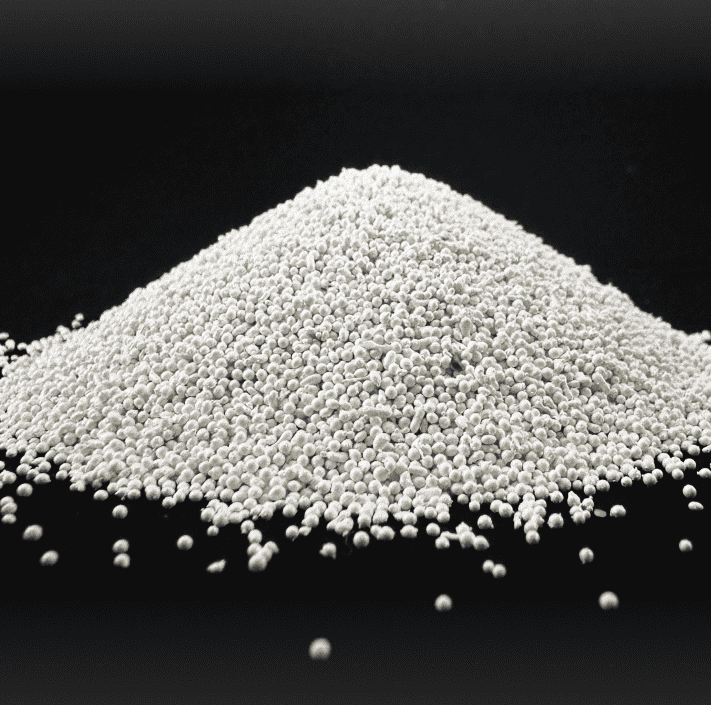
Dry sandblasting is the most common form of abrasive blasting. It involves propelling dry abrasive media—like ceramic beads, glass beads, aluminum oxide, or steel grit—at high speeds using compressed air.
Key Applications:
- Removing rust, paint, or coatings from metal surfaces
- Deburring or texturing hard materials
- Surface preparation for painting, coating, or welding
- Industrial cleaning of tools, parts, or molds
メリット
- High material removal rate
- Greater variety of abrasive media options
- Suitable for heavy-duty applications
- Typically faster for large or hard surfaces
制限:
- Generates large amounts of dust
- May require containment and air filtration systems
- Can be too aggressive for delicate surfaces
💧 What Is Wet Sandblasting?
Wet sandblasting—also known as vapor blasting or slurry blasting—mixes water with the abrasive media. This creates a gentler, dust-free blasting process, ideal for sensitive materials or cleanroom requirements.
Key Applications:
- Polishing and refining delicate parts
- Cleaning aerospace, automotive, or medical components
- Surface finishing of 3D-printed parts and soft metals
- Operations requiring low-dust environments
メリット
- Virtually dust-free operation
- Reduced abrasive wear and surface damage
- Cleaner finish with lower surface roughness
- Eco-friendly and safer for operators
制限:
- Slower than dry blasting in high-volume jobs
- More complex equipment setup
- Requires water handling and disposal


⚖️ How to Choose Between Dry and Wet Blasting?
| Situation | Recommended Method |
|---|---|
| Heavy rust or thick coating | ドライブラスト |
| Fine polishing or cleaning | ウェットブラスト |
| Sensitive electronic parts | ウェットブラスト |
| Fast industrial descaling | ドライブラスト |
| Low-dust, enclosed environments | ウェットブラスト |
🧠 Right Method, Better Results
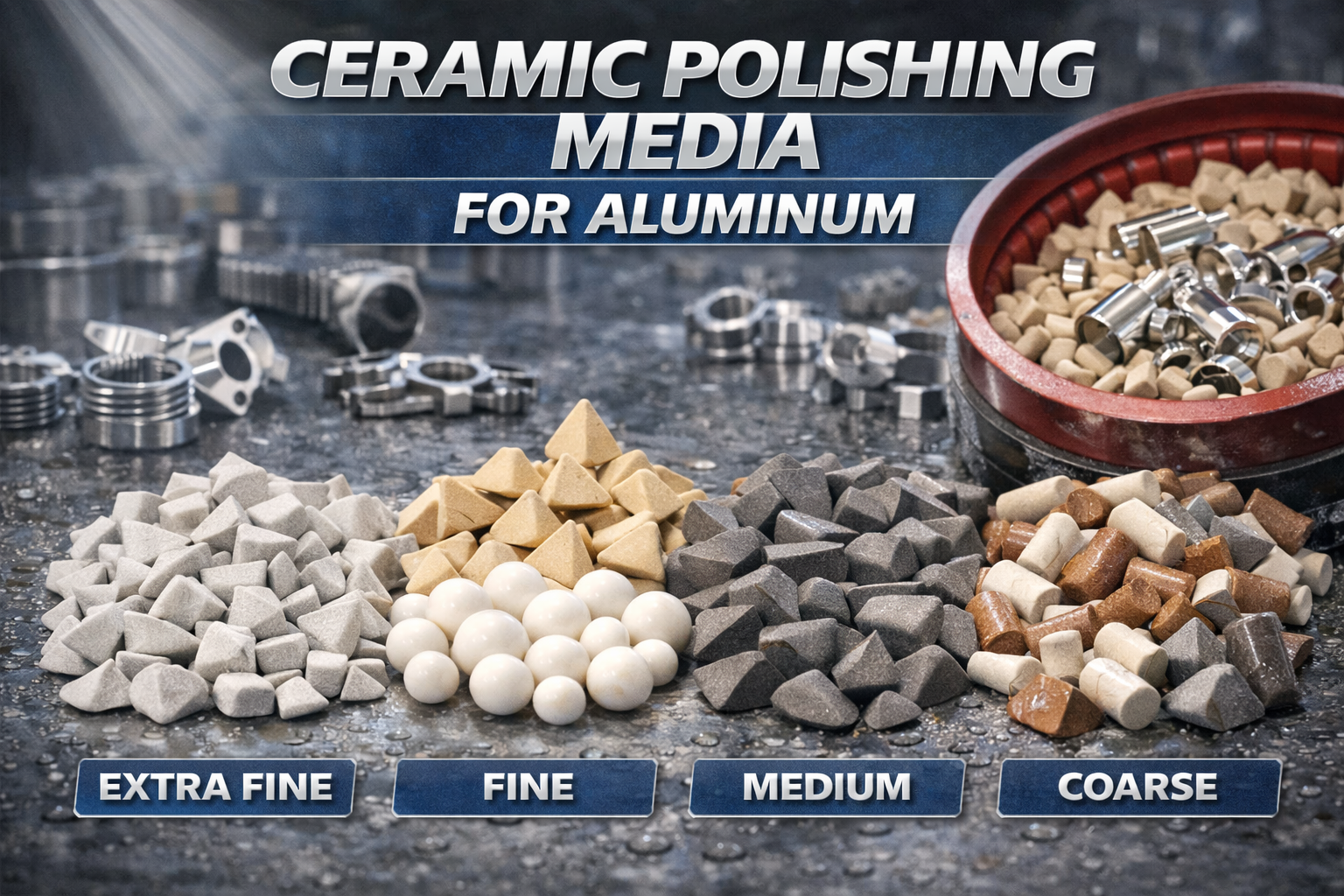
Whether you’re preparing aerospace alloys, refining 3D-printed components, or cleaning surgical instruments, the right blasting method makes all the difference. Dry blasting is powerful and fast, while wet blasting offers control and cleanliness. For industries requiring precision and surface integrity, ceramic bead media can be used effectively in both methods.
フィルター