Coating Removal Techniques – Industrial Surface Treatment Guide
Introduction to Coating Removal
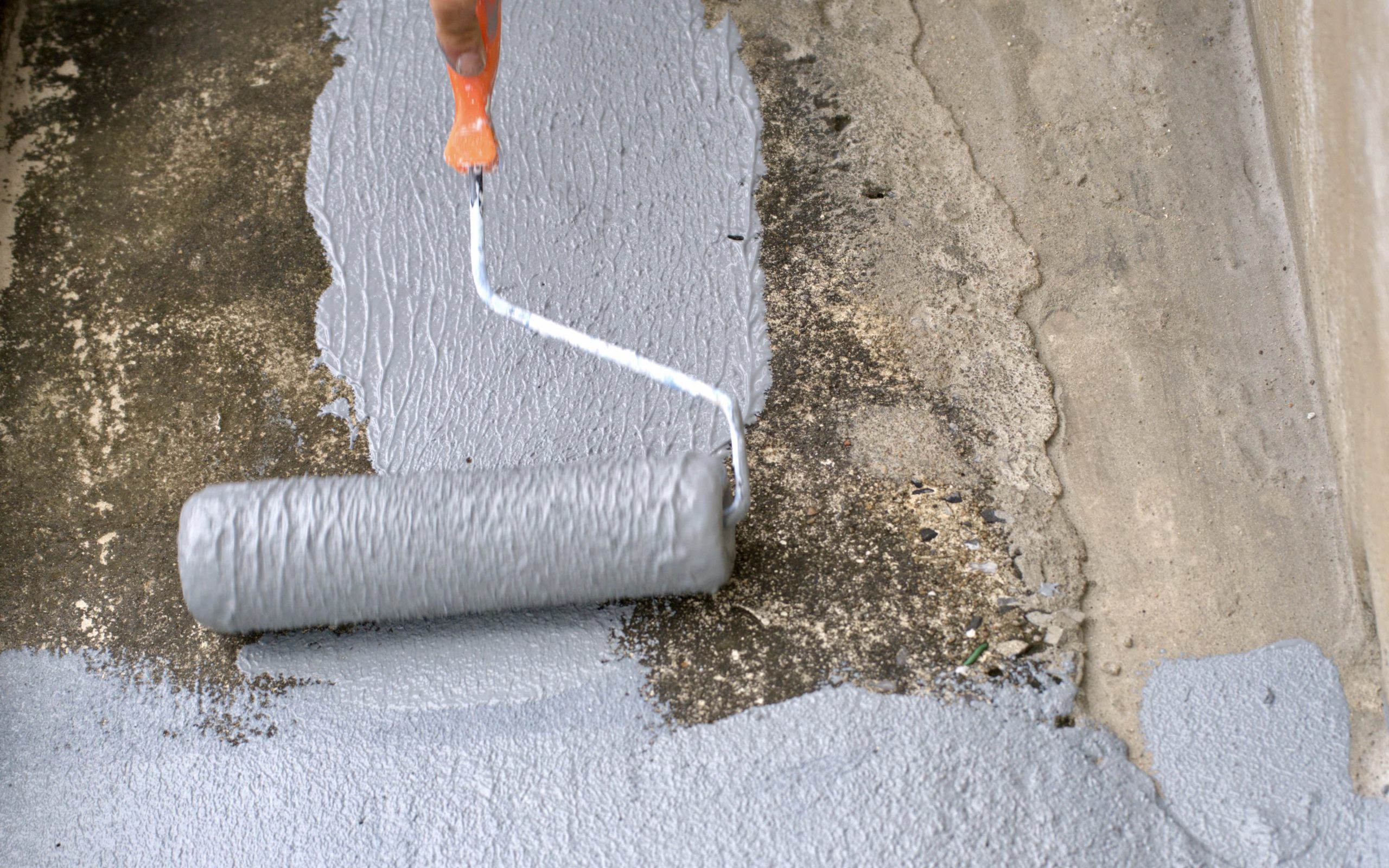
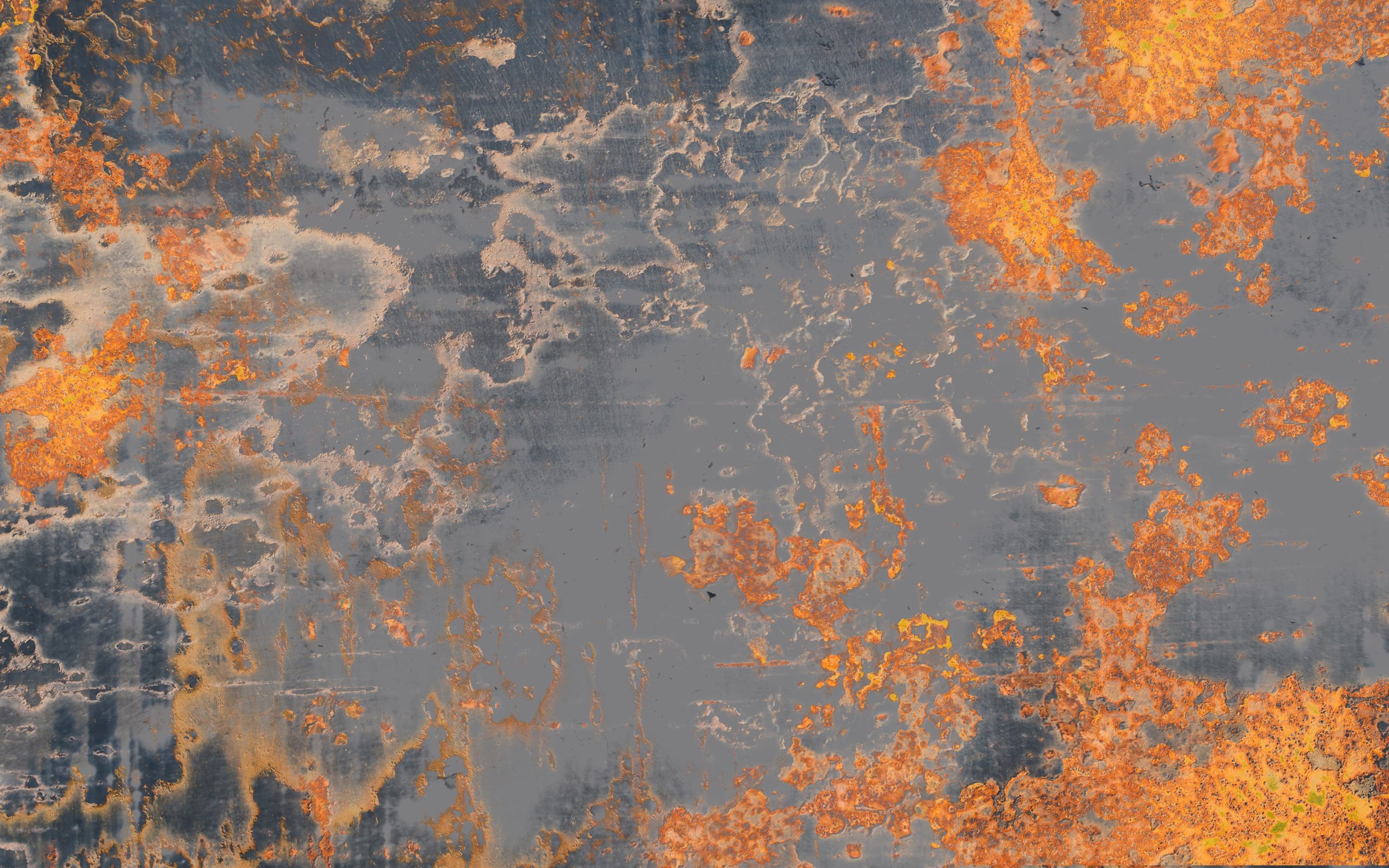
Coating removal is a critical step in surface preparation for re-coating, welding, or refurbishing. Improper removal can damage the substrate or leave residues that affect adhesion and corrosion protection. Common coatings include paint, powder coating, anodization, plating, and protective polymer layers.

For broader context on integrating coating removal with cleaning, deburring, and shot peening, see the surface treatment processes guide.
Mechanical Methods
Mechanical removal involves physically stripping coatings using abrasive energy. Methods include:
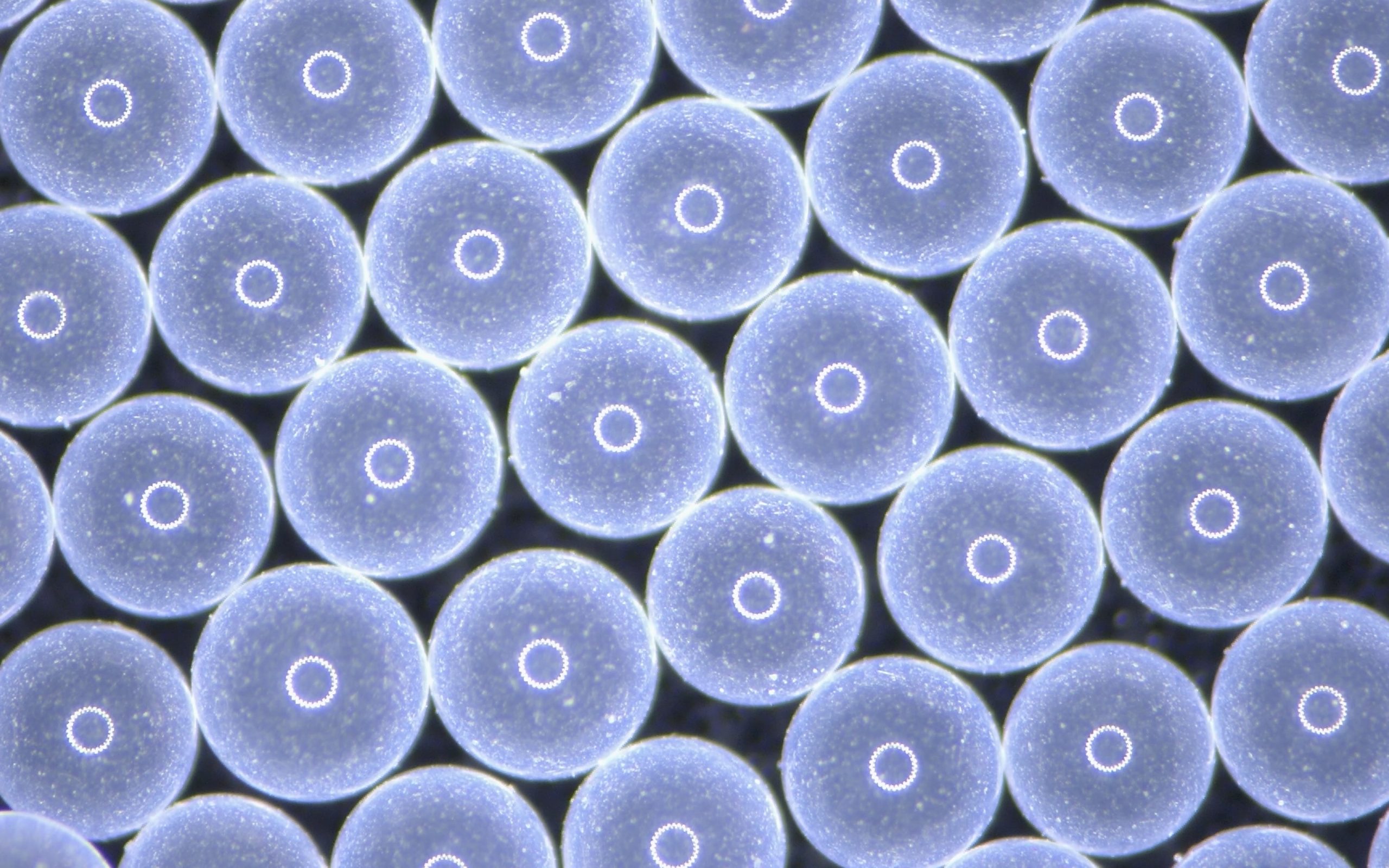
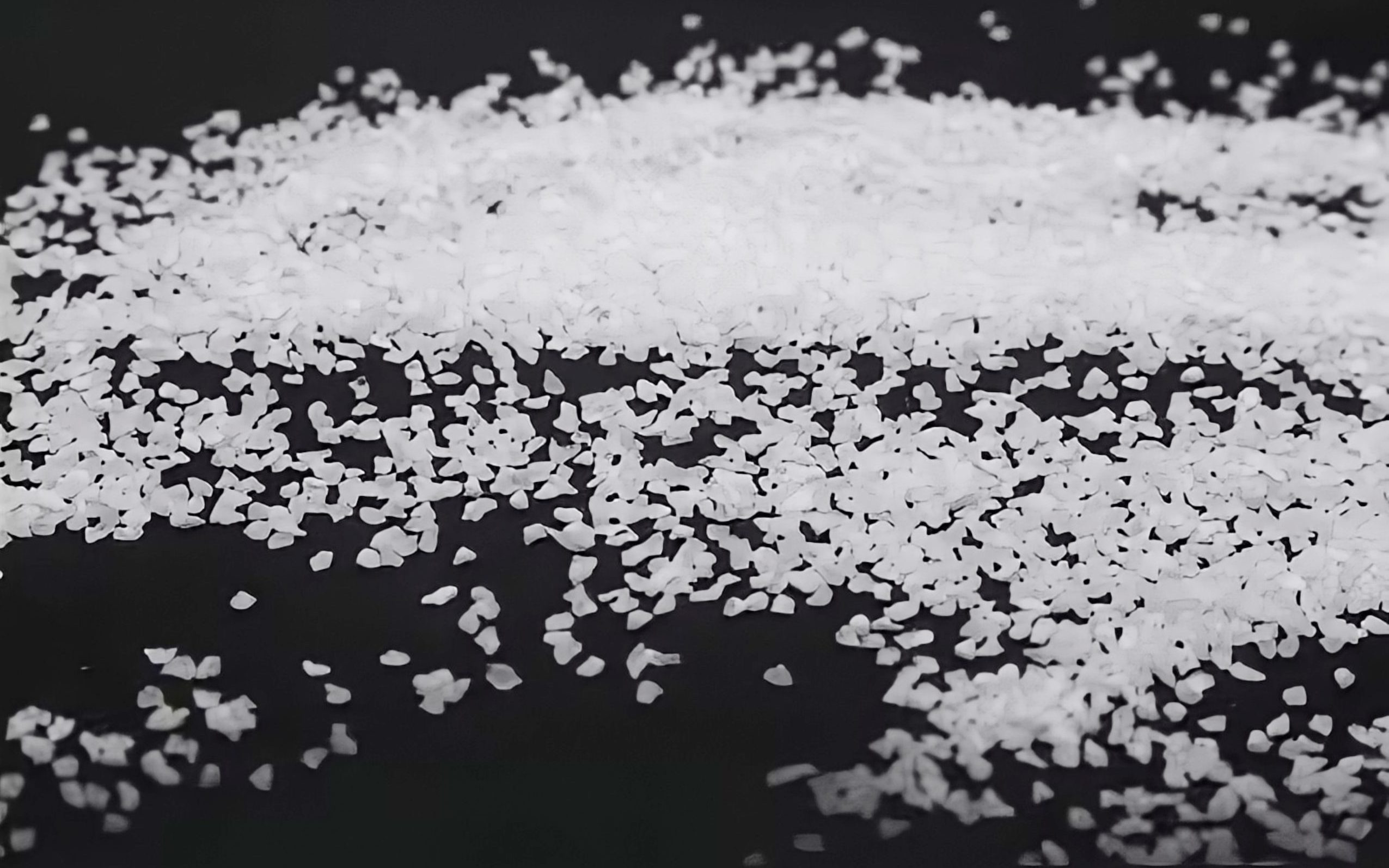
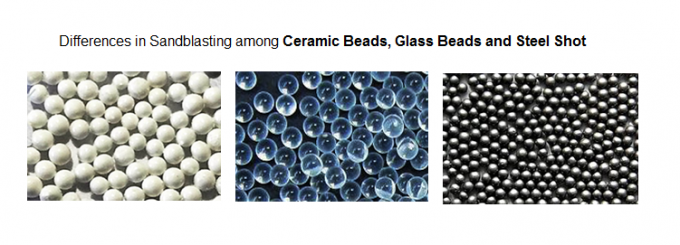
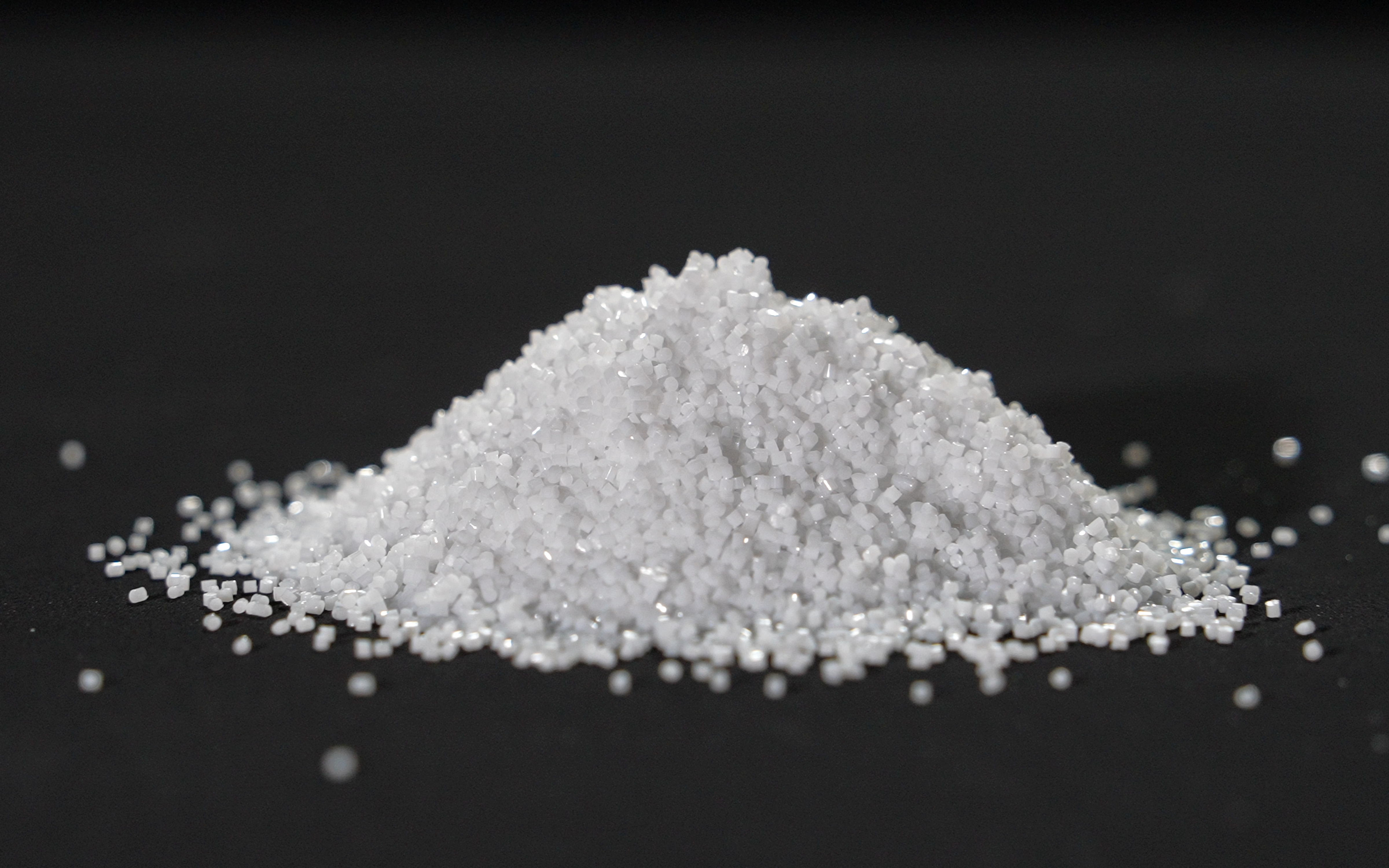
- Sand or grit blasting: Aluminum oxide, steel shot, or ceramic beads depending on substrate
- Rotary wire brushing: For localized removal on small components
- Scabbling and grinding: For thick or hard coatings
Key considerations: substrate hardness, coating thickness, surface roughness, and dust control.
Chemical Methods
Chemical stripping uses solvents, caustics, or acidic etchants to dissolve or soften coatings. Examples:
- Paint strippers based on methylene chloride or NMP
- Alkaline cleaners for powder coatings
- Acid pickling for oxide layers on aluminum or steel
Parameters to control include concentration, temperature, dwell time, and agitation to ensure uniform removal without substrate damage.
Hybrid Techniques
Hybrid approaches combine mechanical and chemical methods for difficult coatings:
- Blasting after chemical softening
- High-pressure water jet with chemical additives
- Laser ablation for precision stripping in aerospace or electronics
Process Parameters
Critical process variables include:
- Media type and grit size for mechanical removal
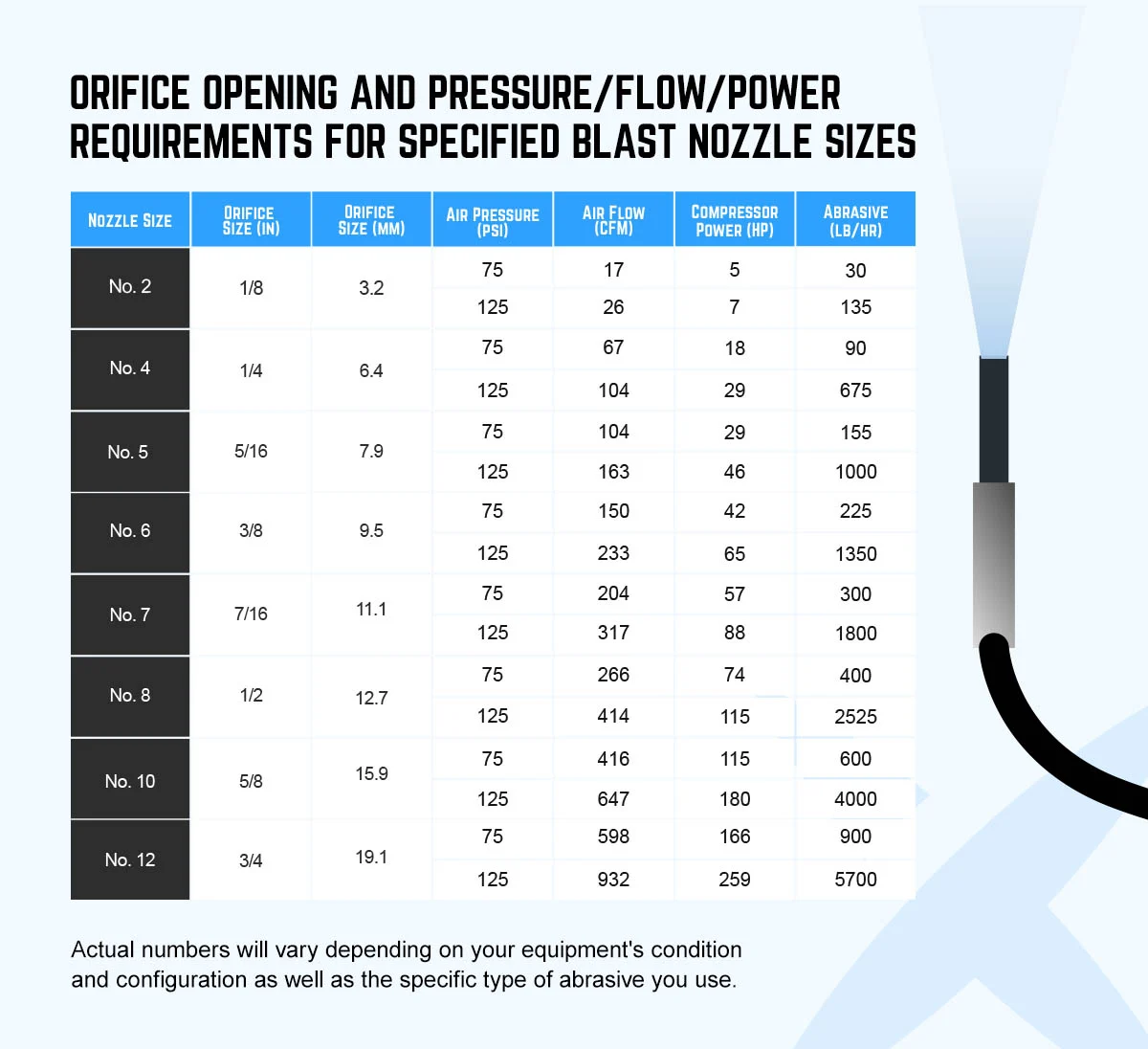
- Pressure and flow rate for blasting or water jet systems
- Chemical concentration, temperature, and exposure time
- Surface monitoring to prevent substrate erosion
Pilot Protocol
- Select sample parts representing geometry and coating type
- Run small batch with proposed method
- Inspect substrate for damage, residual coating, and surface roughness
- Measure dimensional changes and adhesion readiness
- Document results and refine parameters
Quality Control
| KPI | Unit | Target / Acceptable | Measurement Method |
|---|---|---|---|
| Residual coating thickness | μm | <5 | Coating gauge / cross-section |
| Surface roughness (Ra) | μm | 0.5–1.5 | Profilometer |
| Dimensional change | mm | <0.05 | CMM / calipers |
| Substrate damage | N/A | なし | Visual inspection / microscopy |
Safety Considerations
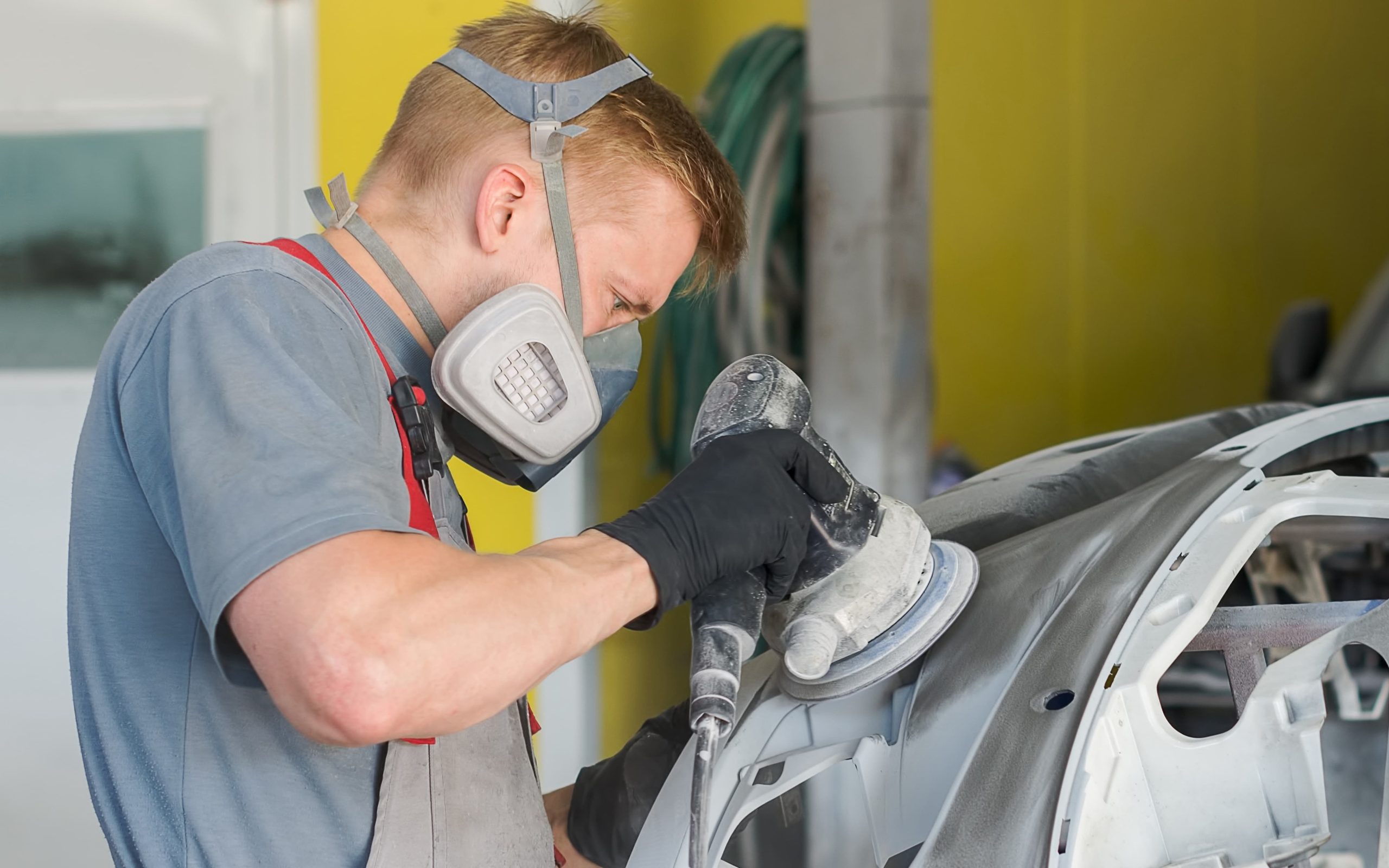
- Wear chemical-resistant gloves, eye protection, and respirators
- Ventilation and dust collection for mechanical methods
- Neutralize chemicals before disposal
- Follow local hazardous waste regulations
Applications & Case Studies
1. Aerospace aluminum panels: chemical stripping followed by fine grit blasting achieved complete coating removal without substrate damage.
2. Automotive steel parts: combination of alkaline bath and wheel blasting removed powder coating efficiently, prepared surface for repainting.
3. Industrial machinery: laser ablation used for precision removal on small, heat-sensitive components.
フィルター