Sand Blasted Glass: Etching, Frosting & Decorative Architectural Applications
Glass responds to sandblasting with frosting, etching, and patterned decoration depending on mask design and parameters. This guide covers the process, media compatible with glass, decorative techniques, and architectural specifications for shower enclosures, signage, and partition panels.
How Glass Responds to Sandblasting
Glass is amorphous silica — hard (Mohs 5.5–6.0) but brittle. When abrasive media strikes a glass surface, it removes material by micro-fracture rather than plastic deformation. The result is a textured, light-scattering surface that appears matte or translucent depending on depth.
The same fundamental process used on steel — covered in our pillar guide on sand blasted surface — applies to glass, but with different media, lower pressures, and decorative rather than functional intent.
Compatible Media for Glass
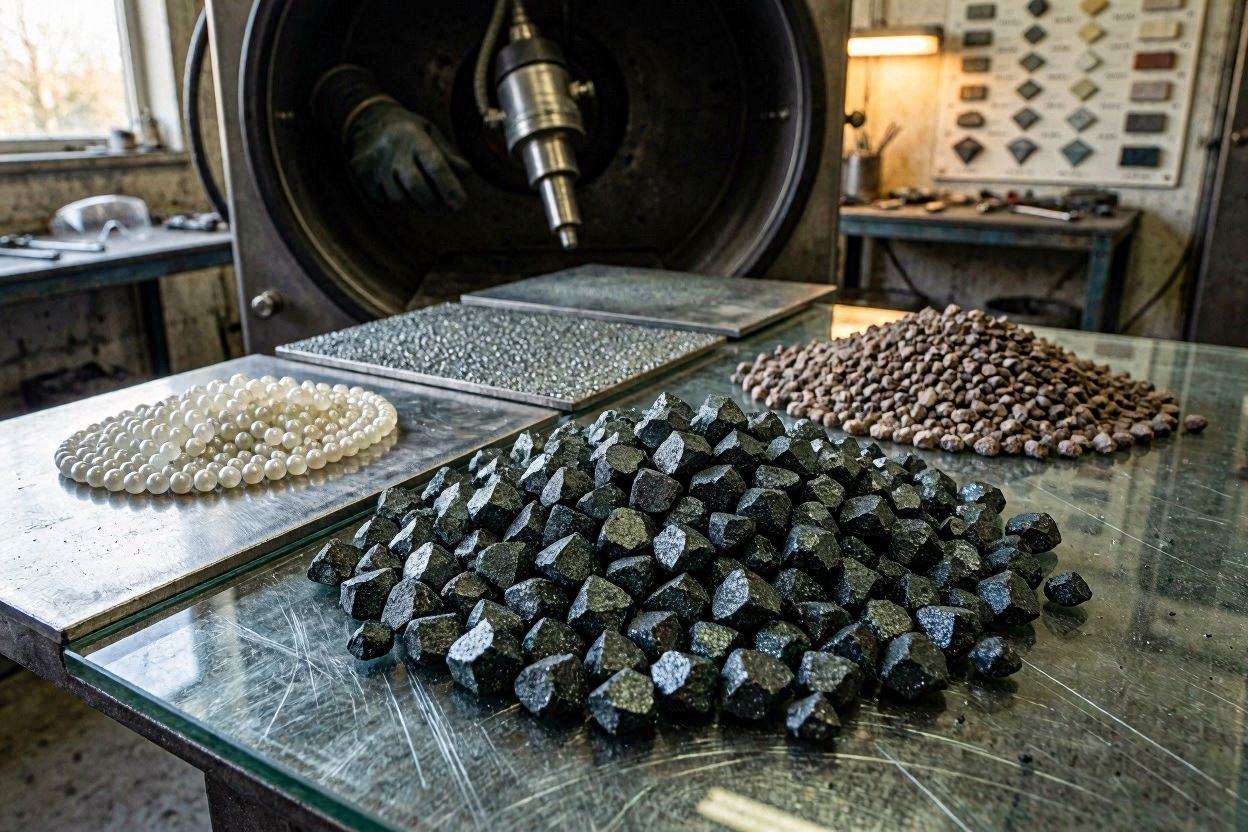
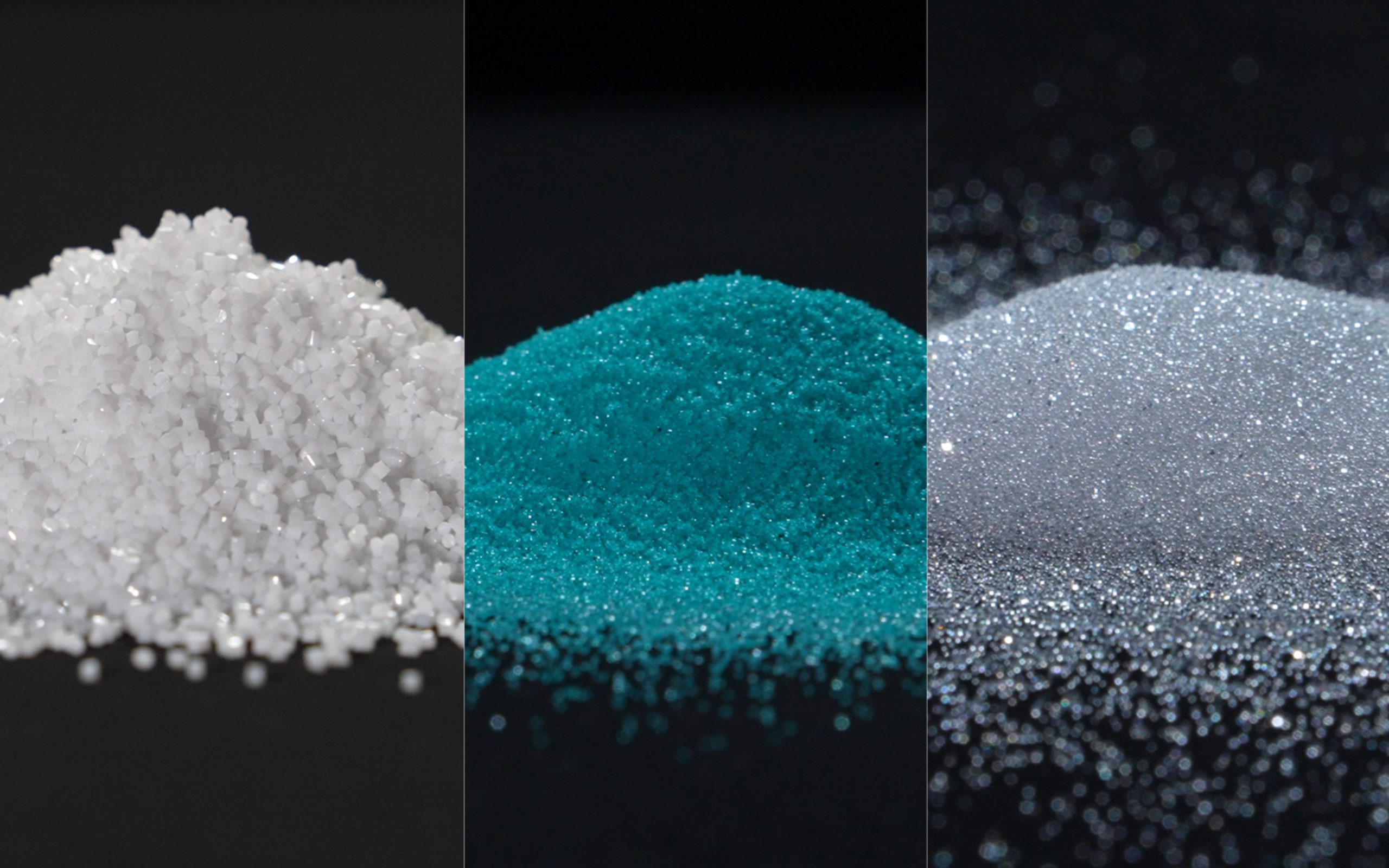
Three media types dominate glass blasting:
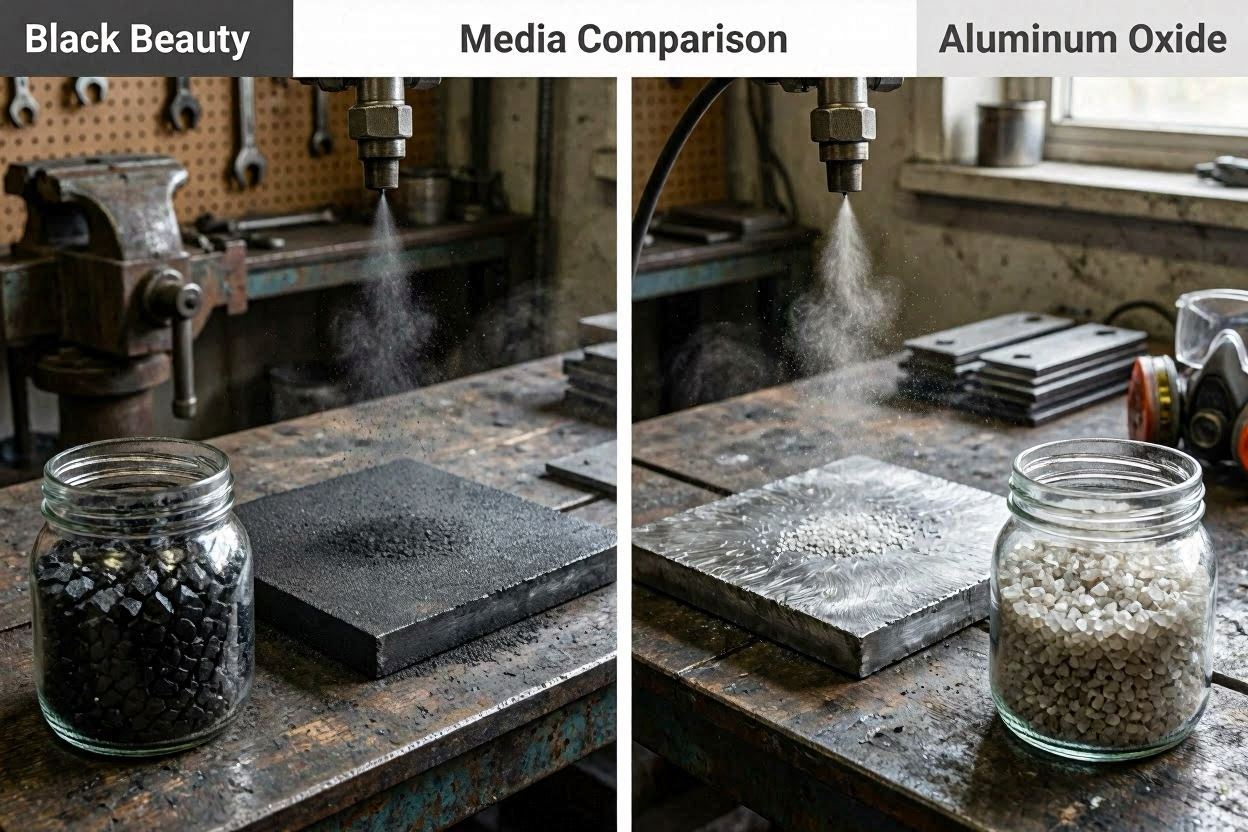
- Aluminum oxide (#80–#180) — sharp angular media for crisp etched edges; standard choice for decorative work.
- Garnet (80–120 mesh) — gentler than alumina, produces softer frosted appearance.
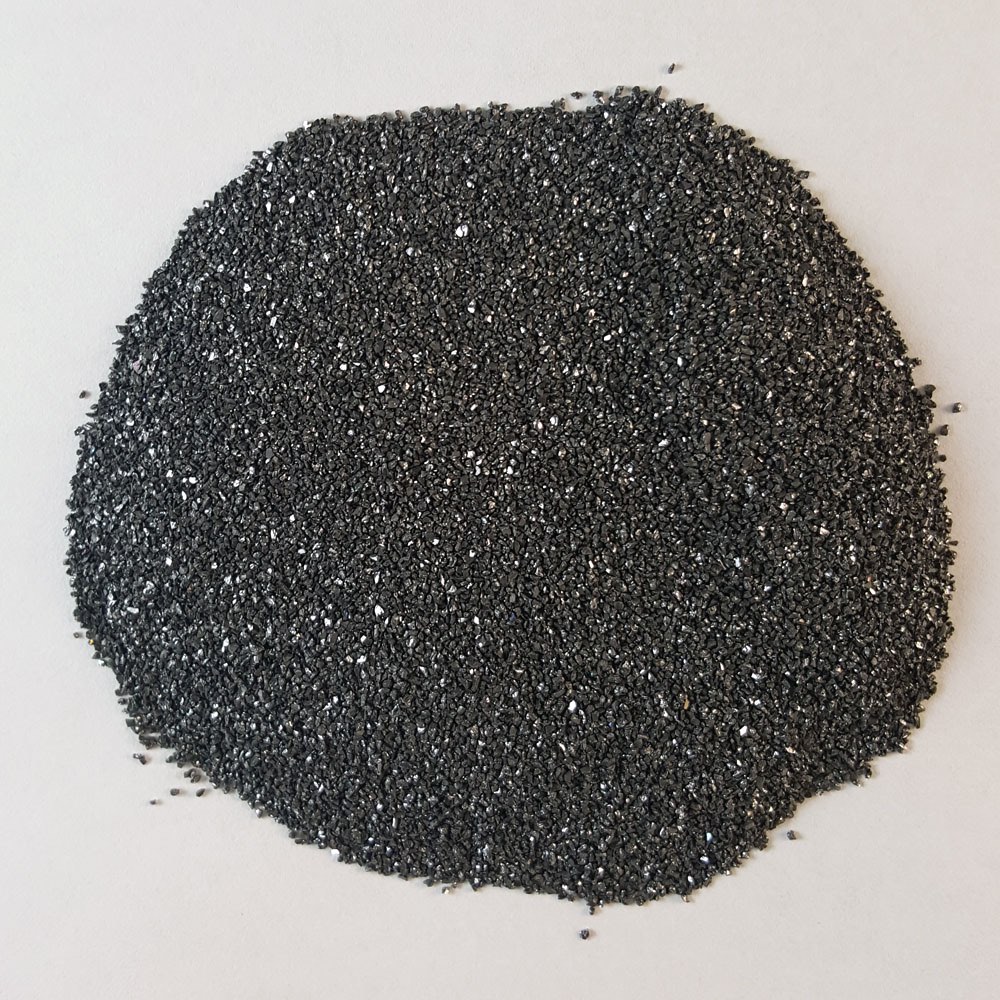
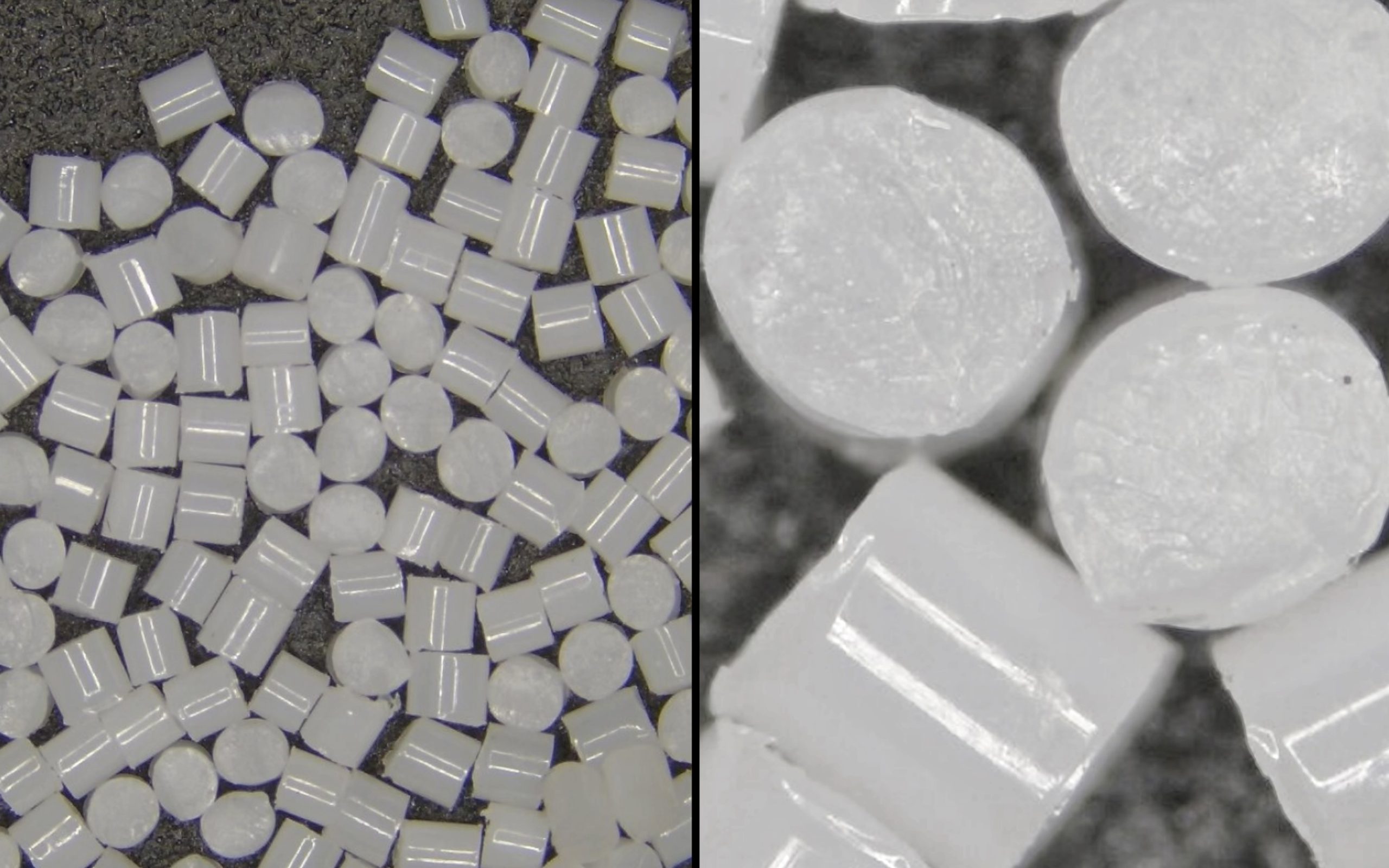
- Specialty soda lime abrasive — engineered alternative to silica sand, designed for occupational compliance.
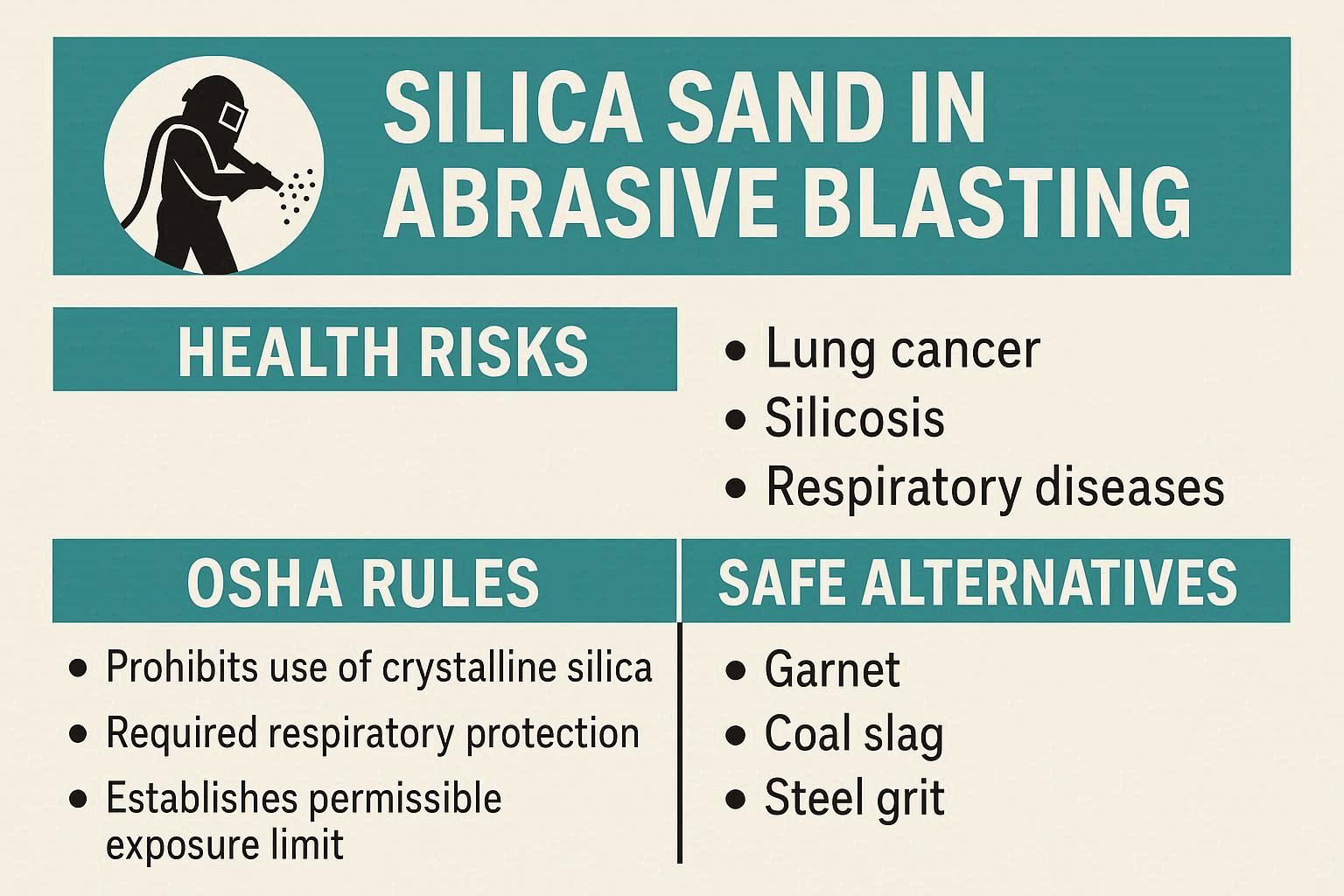
Silica sand is no longer used in regulated markets due to crystalline silica health regulations covered in our guide on the OSHA silica rule and eco-friendly alternatives.
Three Exposure Levels
Light Frosting
Brief surface treatment producing a translucent matte appearance. Visual depth less than 5 µm. Typical for shower glass, partition panels.
Medium Etching
Defined texture with visible depth (50–200 µm). Used for signage, logos, decorative patterns. Crisp edges achievable with rigid masks.
Deep Cut
3D relief carving (0.5–5 mm depth). Used for premium architectural panels, monumental work. Requires multiple passes and progressive masking.
Stencil Masking Techniques
Decorative glass blasting depends almost entirely on masking. The mask defines the pattern; the blast simply removes material from exposed areas. Mask types:
- Vinyl adhesive stencils — most common; cut from rolls by computer-controlled vinyl cutters. Good for medium-depth work.
- Photoresist film — UV-exposed and developed, producing very fine detail; used for premium signage and fine artwork.
- Rubber/sandcarving resists — thick rubberized masks for deep 3D carving work.
- Liquid masking — sprayable masks for irregular surfaces and combined techniques.
Gradient effects (a frosted area that fades to clear) are achieved by varying blast dwell or by using progressively-removed masks (multiple stages where additional mask is peeled away).
Architectural Applications
Shower enclosures and partition panels
Light frosting at low pressure (30–50 psi) with fine glass-compatible media produces the uniform translucent appearance standard in modern bathroom design. The blast typically covers full panels for privacy partitions, or selectively for decorative effect.
Wayfinding signage
Etched glass signage uses medium-depth blasting with vinyl masks. Building directory signs, conference room markers, and architectural identification commonly specify this technique. Custom logos with depth and texture are produced by combining masking with selective deep cut.
Decorative architectural panels
Premium architectural work combines deep sandcarving with optical effects. Tempered low-iron glass with multi-stage masked deep cuts produces dimensional glass panels for high-end commercial installations.
Tempered (heat-strengthened) glass has a stressed outer layer that gives it its strength. Deep sandblasting can penetrate this layer and cause spontaneous shattering. Tempered glass is typically blasted before tempering, or only with light frosting if blasted after.
Safety and Specifications
Glass blasting safety considerations:
- Glass dust is mechanically irritating but not silicosis-causing (with non-silica media)
- Containment is required to prevent operator and bystander exposure to fine abrasive dust
- Workpiece breakage during blasting can cause flying glass fragments — protective glazing of work area is mandatory
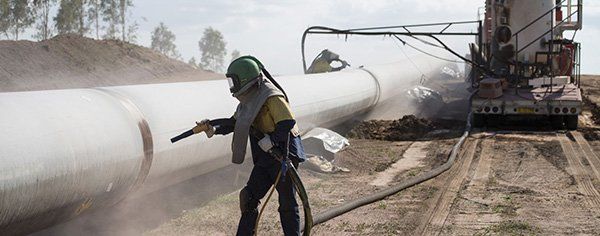
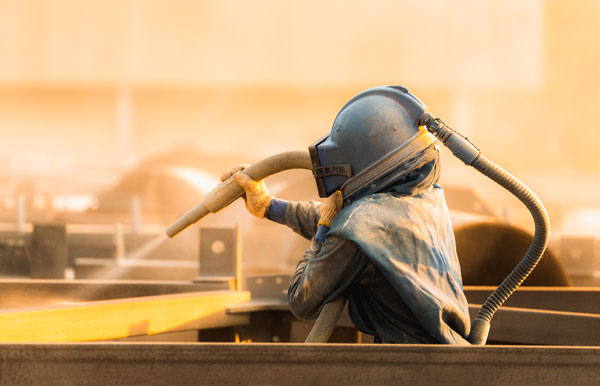
- Operators wear supplied-air respirators, blast suits, and full face/eye protection
Specifications for blasted architectural glass typically include: glass thickness, tempered/laminated status, mask file or pattern reference, frost density (light/medium/heavy), depth tolerance, and edge sharpness requirement.
よくある質問
What media is used to sandblast glass?
Aluminum oxide (#80–#180) is the most common, producing crisp etched edges. Garnet (80–120 mesh) is gentler and produces softer frosting. Specialty soda lime abrasives are engineered substitutes for silica sand.
Can tempered glass be sandblasted?
Light frosting on tempered glass is acceptable, but deep blasting can penetrate the heat-strengthened surface stress layer and cause spontaneous shattering. For deep effects, blasting is done before tempering.
What is the difference between frosted and etched glass?
Frosted refers to light surface treatment producing translucent matte appearance. Etched refers to deeper blasting producing defined texture with visible depth. The terms are sometimes used loosely; specifications should call out depth or visual effect rather than just terminology.
Can you sandblast designs into glass at home?
Yes, with vinyl stencils and small blast cabinets, though professional results require controlled equipment and dust containment. Most commercial decorative glass is produced in dedicated facilities with photoresist masking for fine detail.
Does sandblasted glass break more easily?
Light frosting has minimal effect on strength. Deep blasting and deep sandcarving create stress concentrators that reduce impact strength. For load-bearing or safety-critical applications, laminated or tempered glass should be specified.
Request an Abrasive Blasting Media Sample
Jiangsu Henglihong Technology Co., Ltd. supplies certified aluminum oxide, garnet, glass bead, steel grit, and steel shot to global industrial buyers. Request a sample with full batch documentation for technical evaluation.
Request a Sample →フィルター