What Is Abrasive Blast Media? Types, Uses & How Blasting Works
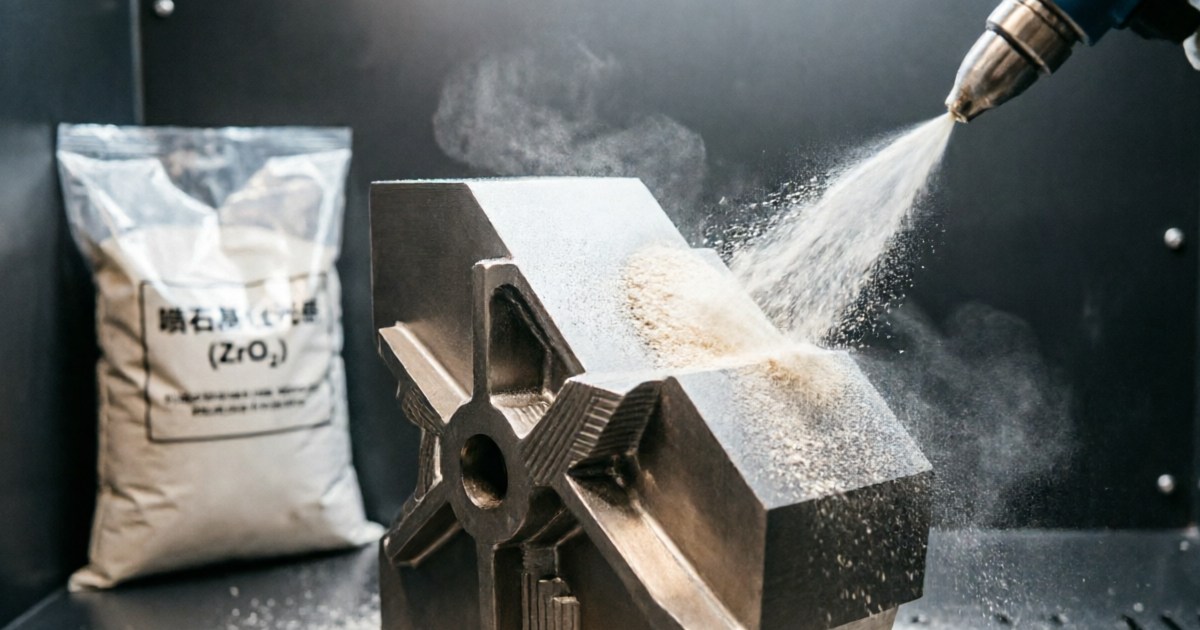
Abrasive blast media is the granular or particulate material propelled at high velocity against a surface to clean it, texture it, or remove material from it. The blast process is used across an extraordinary range of industries and applications — from stripping paint from a naval vessel’s hull and preparing a pipeline for coating, to etching a decorative design into a trophy glass and polishing rough gemstones to a mirror finish. In every case, the working principle is the same: hard particles impact the surface with sufficient kinetic energy to abrade, cut, or compress the substrate material at the microscopic level, producing a defined and measurable surface condition.
This guide provides a foundation-level introduction to abrasive blast media — what it is, how the blasting process works physically, what the main media types are and where each is used, and what the key performance parameters mean. It is the starting point for anyone new to abrasive media selection, and a reference for more experienced buyers approaching an application outside their normal specialty. For the full purchasing guide with all product details and internal links to every media type in depth, see: Abrasive Media Supplies: Complete Buyer’s Guide & Product Catalog.
Defining Abrasive Blast Media
Abrasive blast media is defined by three core characteristics:
- Твердость: The media must be harder than the material it is being used to abrade, cut, or profile. A particle softer than its target substrate simply deforms on impact rather than cutting the surface.
- Форма частиц: Angular particles cut and profile; spherical particles peen and burnish. The geometry of each particle determines the type of surface interaction — and therefore the type of surface result.
- Particle size (grit): Larger particles carry more kinetic energy and produce deeper surface texture; smaller particles produce finer surface texture. Grit size is the primary variable the blasting operator adjusts to hit a specific surface profile specification.
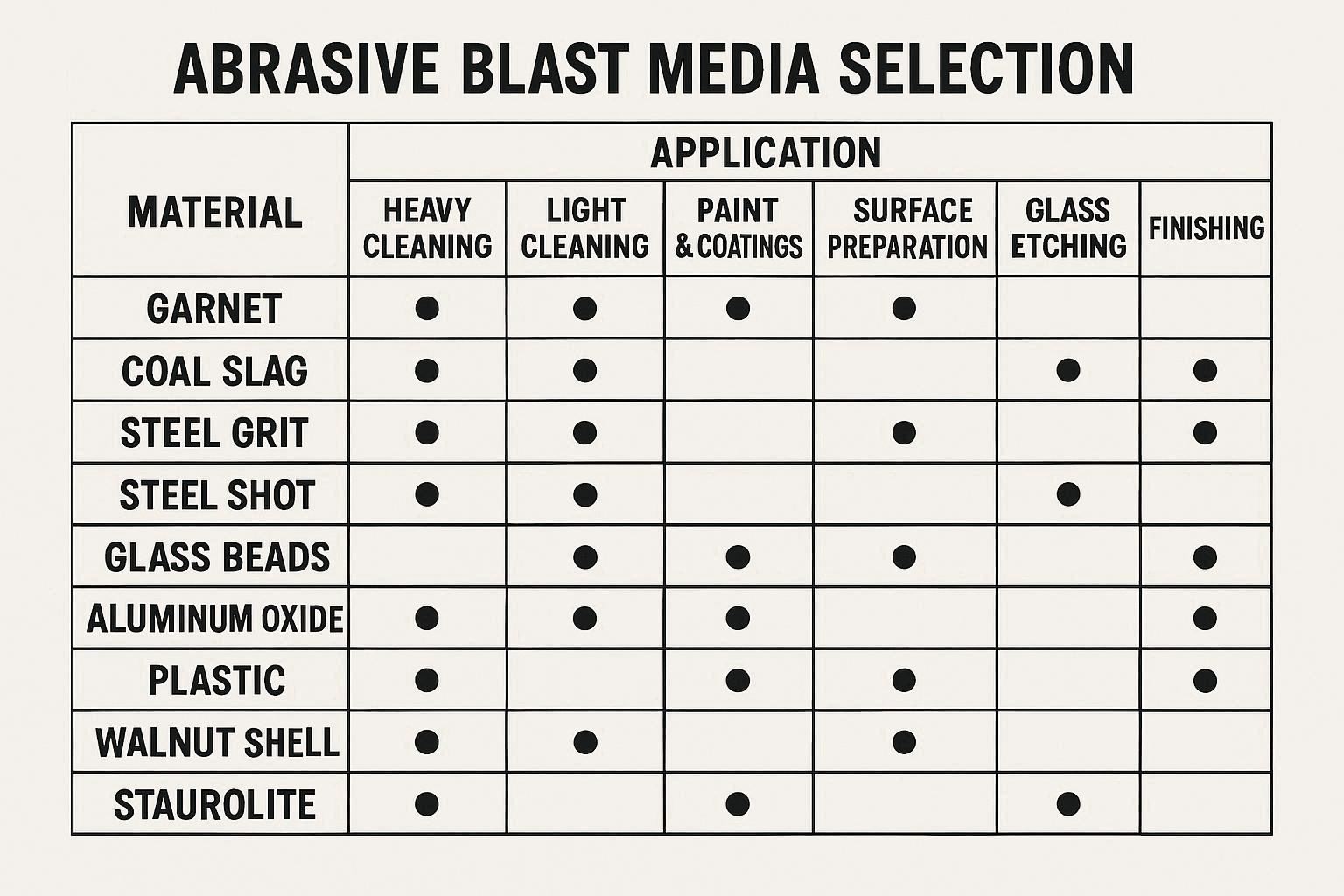
All commercially significant abrasive blast media falls into one of three material categories: metallic (steel shot and grit, cast iron), mineral (garnet, copper slag, coal slag), or synthetic engineered materials (aluminum oxide, silicon carbide, glass beads, plastic grit, sodium bicarbonate). Each category has a different hardness range, specific gravity, production method, and set of optimal applications.
How Abrasive Blasting Works
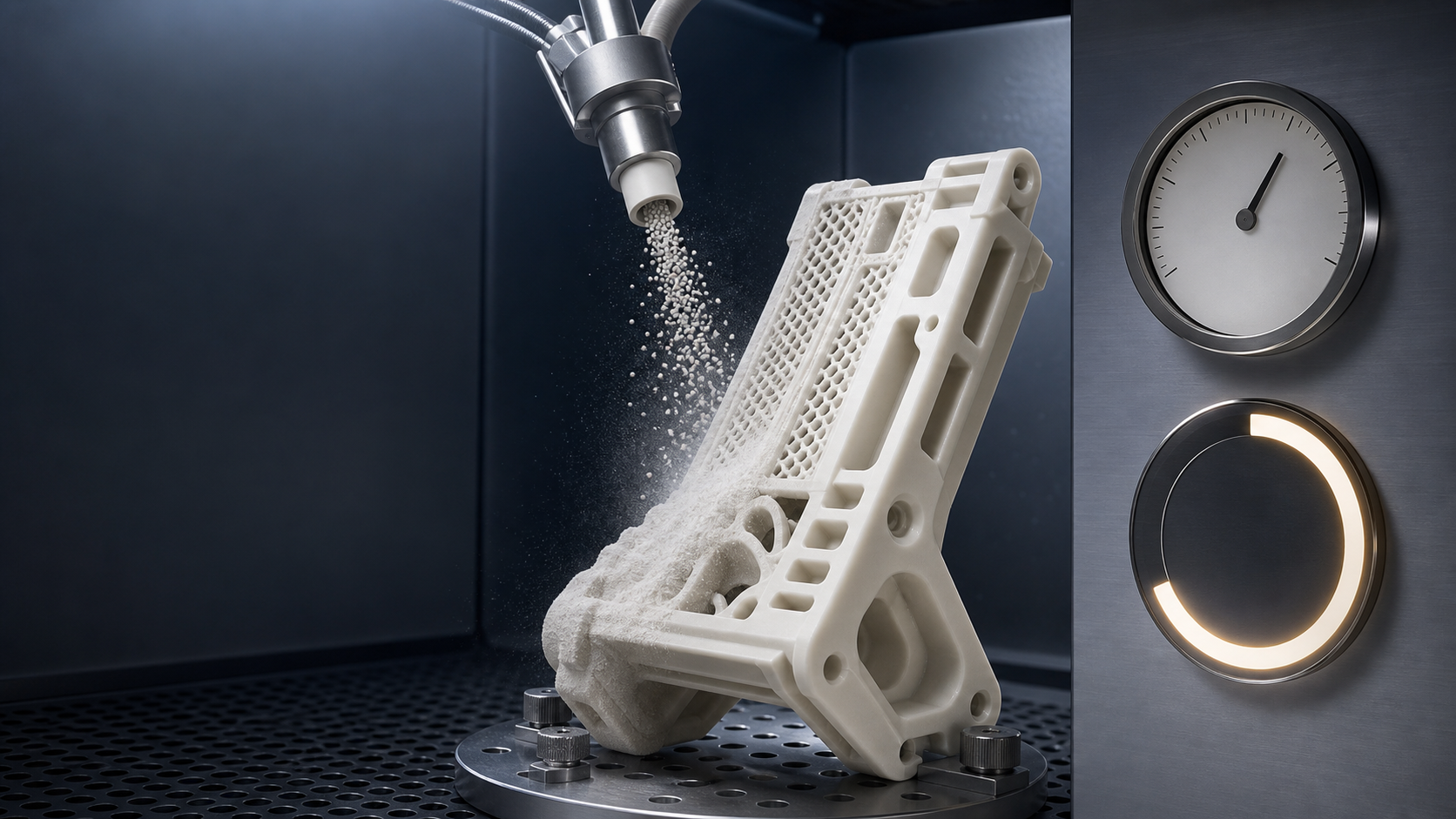
In the most common form of abrasive blasting — air-powered pressure blasting — a compressed air stream at 60–120 psi picks up abrasive particles from a pressurized pot and accelerates them through a blast hose to a nozzle, where the mixed stream of air and media exits at velocities typically between 100 and 250 meters per second depending on particle size and density. The nozzle concentrates and directs the particle stream onto the target surface.
At impact, each particle:
- Transfers its kinetic energy to the surface over a microscopic contact area
- If angular: concentrates stress at its cutting edges, exceeding the substrate’s elastic limit locally and causing micro-plastic deformation or fracture — this is cutting and profiling
- If spherical: distributes stress over the contact footprint, causing uniform plastic compression — this is peening and burnishing
- Rebounds off the surface with reduced velocity, carrying away fractured substrate material (loose scale, rust, or coating) embedded in or adhering to the particle surface
The cumulative result of millions of these events across the blasted area is a cleaned, textured surface — with a roughness profile determined by the size and shape of the particles used, the blast pressure, the nozzle angle, and the substrate hardness.
The Nine Main Abrasive Media Families
| Media Family | Hardness (Mohs) | Shape | Primary Strength | Typical Uses |
|---|---|---|---|---|
| Стальной выстрел | 5–6 (HRC 40–51) | Spherical | Highest reuse cycles (3,000) | Peening, descaling, wheel blast |
| Стальная крошка | 7–8 (HRC 54–65) | Angular | Deep anchor profile, Sa 3 capable | Heavy coating prep, structural steel |
| Гранат | 7.5–8.5 | Sub-angular | Low dust, <1% free silica | Pipeline, marine, infrastructure |
| Оксид алюминия | 9.0 | Angular | 50–100 reuse cycles, wide grit range | General blasting, thermal spray, lapping |
| Карбид кремния | 9.5 | Sharp angular | Highest hardness, self-sharpening | Glass etching, stone, lapidary |
| Стеклянные бусины | 5.5 | Spherical | Smooth finish, no dimensional change | Peening, cosmetic finishing, medical |
| Copper Slag | 6-7 | Angular | Low unit cost | Shipyards, infrastructure, single-use |
| Walnut Shell / Organic | 3.5–4 | Irregular | Substrate-safe, biodegradable | Turbine blades, delicate alloys |
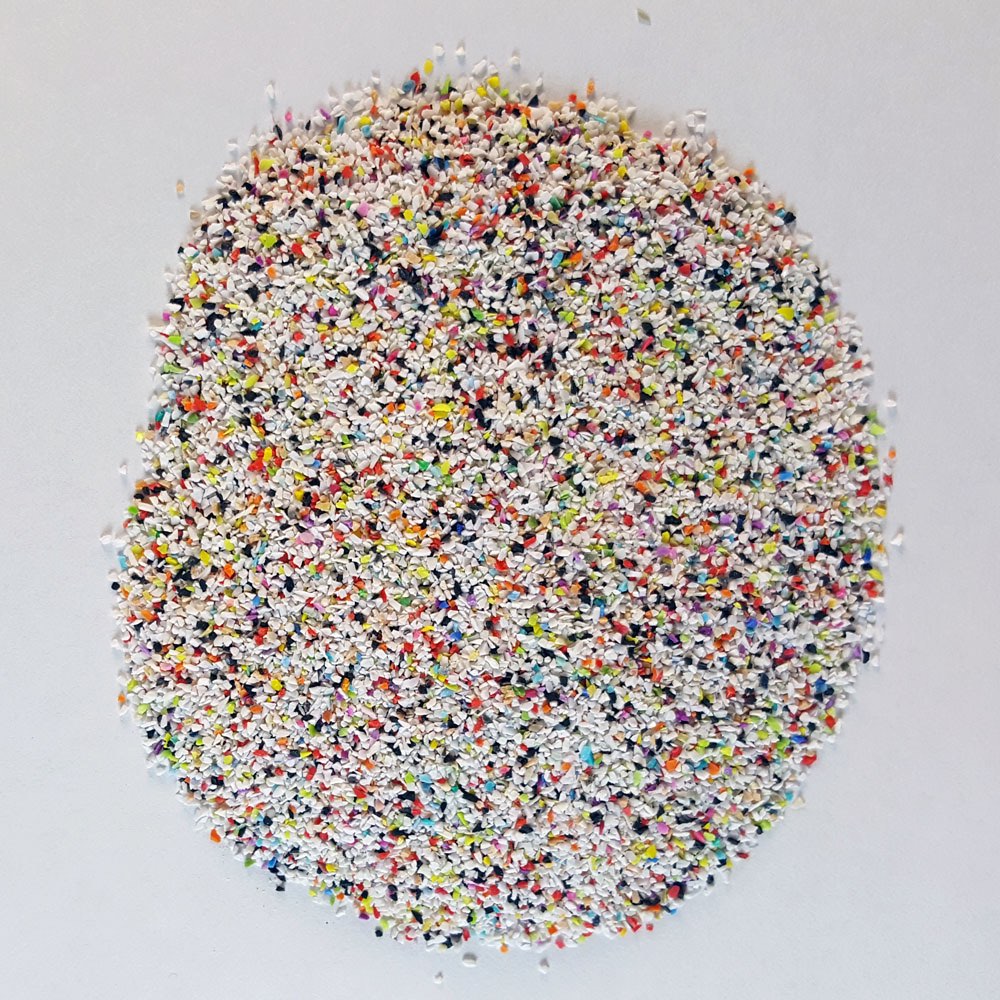
| Plastic Grit | 3–4 | Angular | Strips coatings without substrate damage | Aerospace MRO, automotive, composites |
Where Abrasive Blast Media Is Used
Industrial Surface Preparation Before Coating
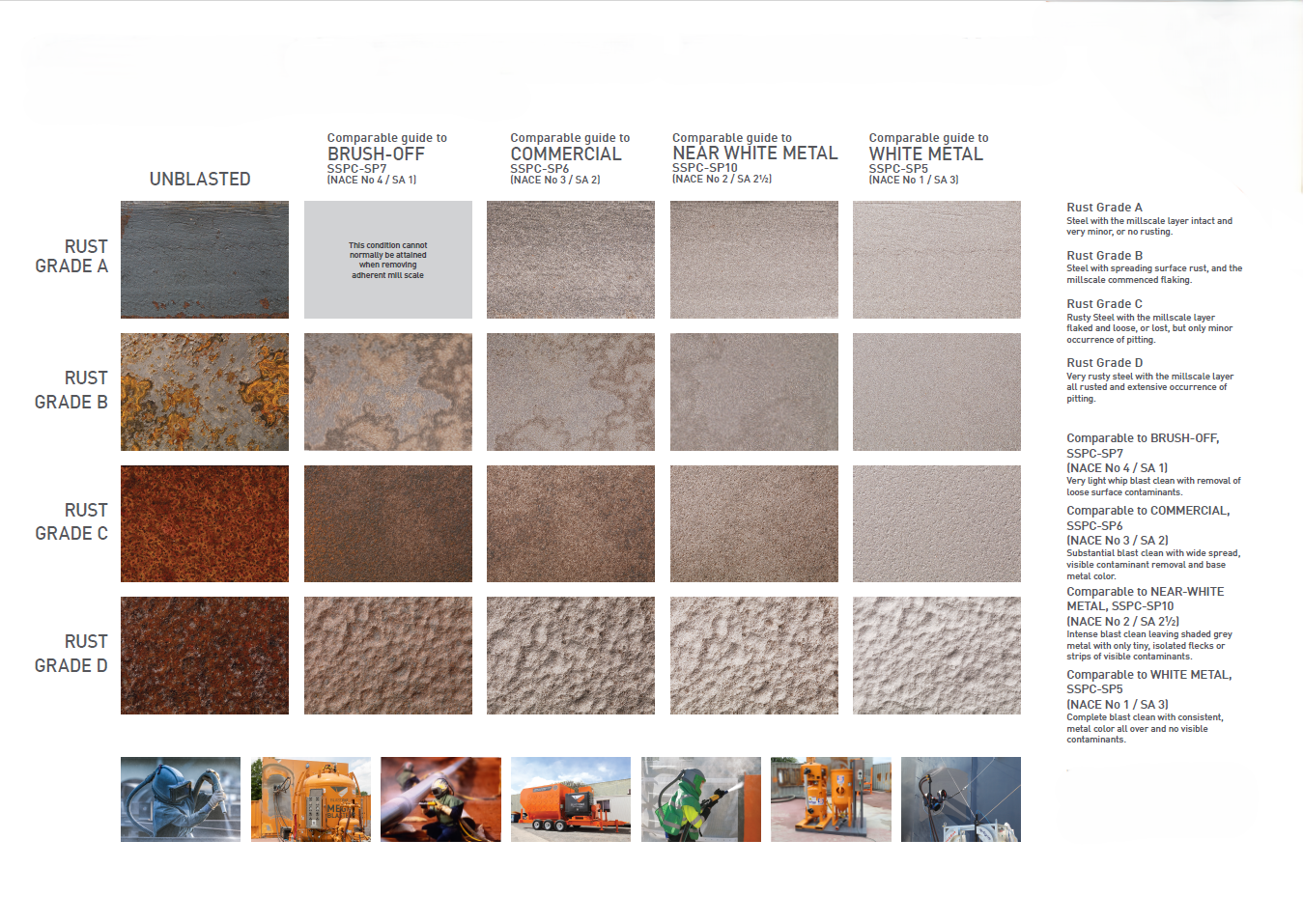
The largest single use of abrasive blast media globally is preparing steel and metal surfaces for protective coatings — removing rust, mill scale, and prior coatings, and creating an anchor profile that the new coating mechanically adheres to. This covers structural steel fabrication, pipeline coating, shipbuilding and repair, offshore platform maintenance, storage tank lining, and bridge and infrastructure rehabilitation. Full guide: Abrasive Media for Industrial Surface Preparation.
Shot Peening for Fatigue Life
Steel shot and glass beads are used in shot peening — a controlled surface treatment that introduces compressive residual stress in metal components to extend their fatigue life. Springs, gears, crankshafts, connecting rods, turbine blades, and welded structural joints are common peening applications across automotive, aerospace, and heavy engineering.
Automotive and Aerospace Maintenance
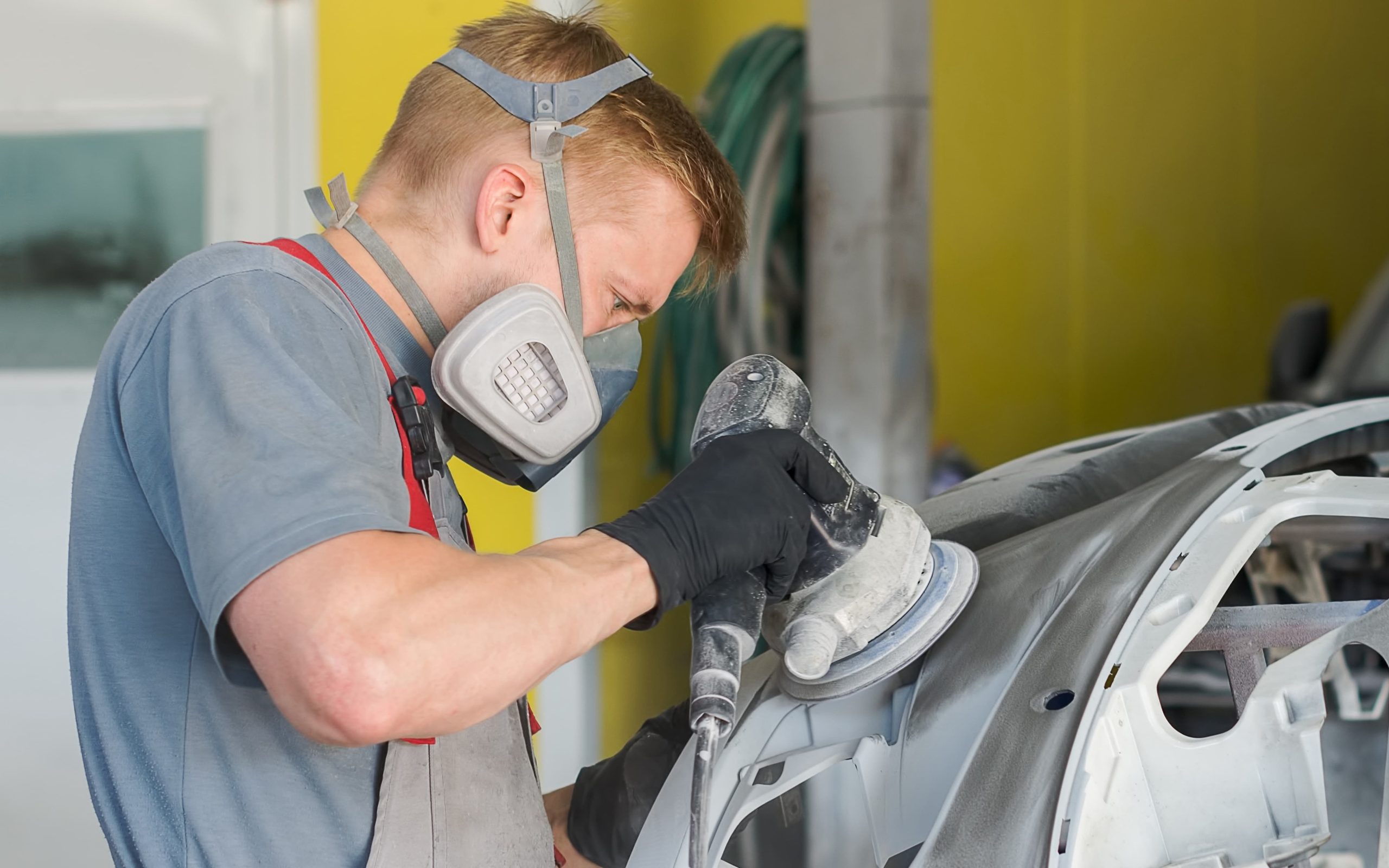
Paint stripping from vehicle bodies and aircraft airframes uses plastic grit, sodium bicarbonate, and walnut shell — soft media that removes coatings without substrate damage. Glass beads and aluminum oxide are used for finishing and cleaning metal components. Full guides: Автомобили и Aerospace MRO.
Sandcarving and Glass Etching
Silicon carbide and aluminum oxide in fine grit sizes (F 60–F 120) are used in sandcarving studios to create decorative patterns cut into glass, stone, and solid surface materials by blasting through a vinyl resist mask. Full guide: Abrasive Media for Sandcarving & Glass Etching.
Lapidary and Rock Tumbling
Silicon carbide grit in four progressive stages (60, 120, 400, polish) is used in rotary rock tumblers to shape and polish rough mineral specimens to gemstone-quality smooth surfaces. Full guide: Rock Tumbling Abrasive Grit.
Key Performance Parameters
Understanding the following parameters is essential for anyone specifying or purchasing abrasive blast media:
- Mohs hardness: The standard scale for mineral hardness from 1 (talc) to 10 (diamond). Media must be harder than the substrate to cut it effectively. See full hardness comparison: Abrasive Media Hardness Comparison: Mohs Scale.
- Grit size: Particle diameter expressed in grit number (FEPA, ANSI) or mesh number (US standard). Larger particles = deeper profile. See: Grit & Mesh Size Chart.
- Surface profile (Rz): The peak-to-valley height of the blasted surface texture, measured in microns. Coating manufacturers specify a minimum and maximum Rz for adhesion performance.
- Cleanliness grade (ISO Sa): The level of contamination removal from Sa 1 (light sweep) through Sa 3 (white metal — zero visible contamination). Required grade is set by the coating system specification.
- Free silica content: The percentage of crystalline silicon dioxide (quartz) in the abrasive. Must be below 1% for OSHA compliance without special engineering controls.
- Reuse cycles: How many times the media can be recirculated through a blast system before performance degrades below specification. See: Recyclable vs Single-Use Analysis.
Часто задаваемые вопросы
“Sandblasting” is a colloquial term for the abrasive blasting process that dates from when silica sand was the standard blasting abrasive. Today, the professional industry uses the terms “abrasive blasting” or “blast cleaning” because the media in use is almost never silica sand — it has been replaced by garnet, steel shot and grit, aluminum oxide, glass beads, and other silica-free alternatives under OSHA and international health and safety regulations. “Sandblasting” remains in common use as a casual description of the process, but specifying or procuring “sandblasting sand” in a modern industrial context is both a regulatory hazard and an anachronism.
Both are abrasive processes, but they differ in how the abrasive is applied. In blasting, discrete abrasive particles are propelled at high velocity through air (or water, in wet blasting) to impact a free surface — the particles and the workpiece are not in physical contact with each other except at the brief impact event. In grinding, an abrasive medium (wheel, belt, disc, or lapping plate) is in continuous contact with the workpiece under mechanical pressure, removing material by sustained sliding abrasion. Blasting excels at covering large surface areas quickly and uniformly in all orientations (including vertical and overhead surfaces) without mechanical contact; grinding excels at precise dimensional stock removal and achieving very fine surface finishes on flat or cylindrical surfaces.
Ready to Source Abrasive Blast Media?
Jiangsu Henglihong Technology Co., Ltd. manufactures and exports all nine principal abrasive media families. Factory-direct pricing, ISO 9001 quality, full documentation. Start with the complete buyer’s guide or contact us directly for a quotation.
Contact HenglihongФильтры