How to Write a Sand Blasted Surface Spec for Suppliers (Free Template)
A defensible procurement specification for a sand blasted surface contains seven mandatory elements that protect both buyer and supplier. This guide walks through each element with example wording and presents a one-page template usable in RFQs and supplier qualification.
Why Specification Matters
A vague specification — “sandblast to clean steel” — guarantees a dispute. Either the supplier under-delivers and the buyer absorbs the cost of re-work, or the supplier over-delivers and bills accordingly. A defensible specification ensures both parties agree on the target before work begins.
This guide presents the seven elements of a complete specification with example wording. For the broader context, see the pillar guide on sand blasted surface.
The Seven Mandatory Elements
1. Substrate Identification
Material grade, thickness, prior condition. e.g., “Mild steel ASTM A36, 6mm thickness, with mill scale and light atmospheric rust.”
2. Cleanliness Standard
Reference both SSPC and ISO. e.g., “SSPC SP 10 (ISO 8501-1 Sa 2½), near-white metal blast.”
3. Profile Requirement
Range with units and method. e.g., “Rz 60–90 µm measured per ASTM D4417 Method C.”
4. Approved Media
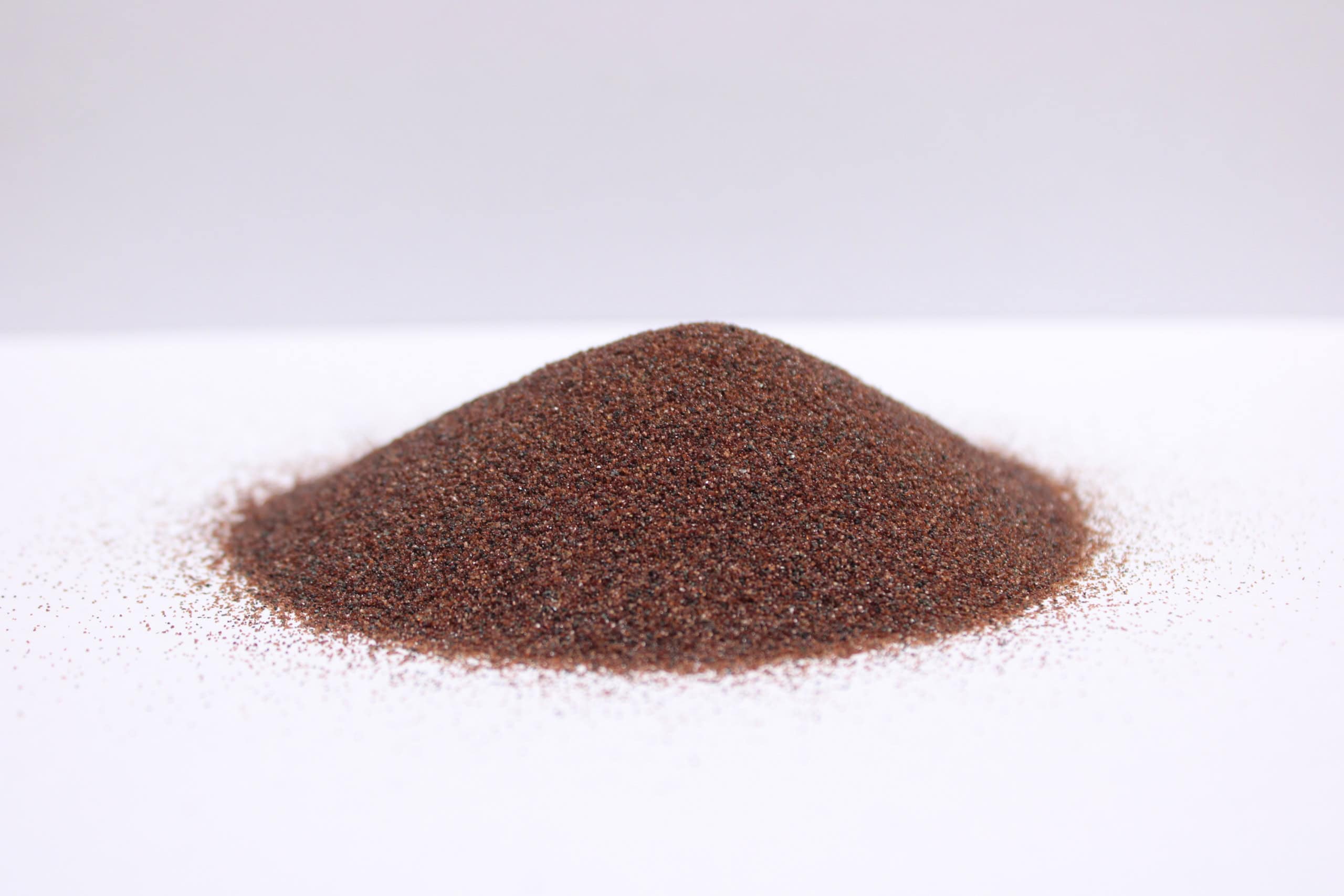
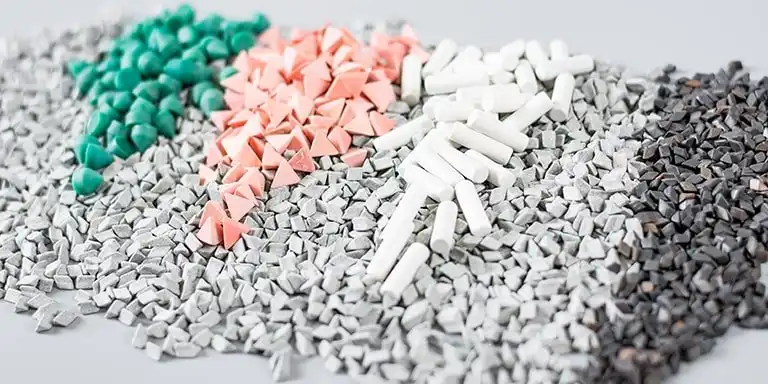
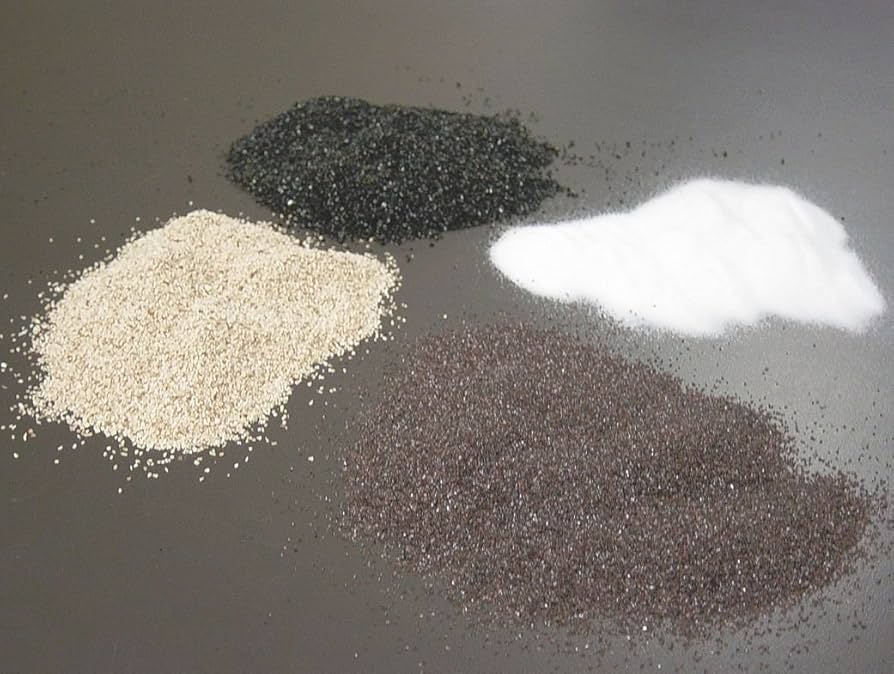
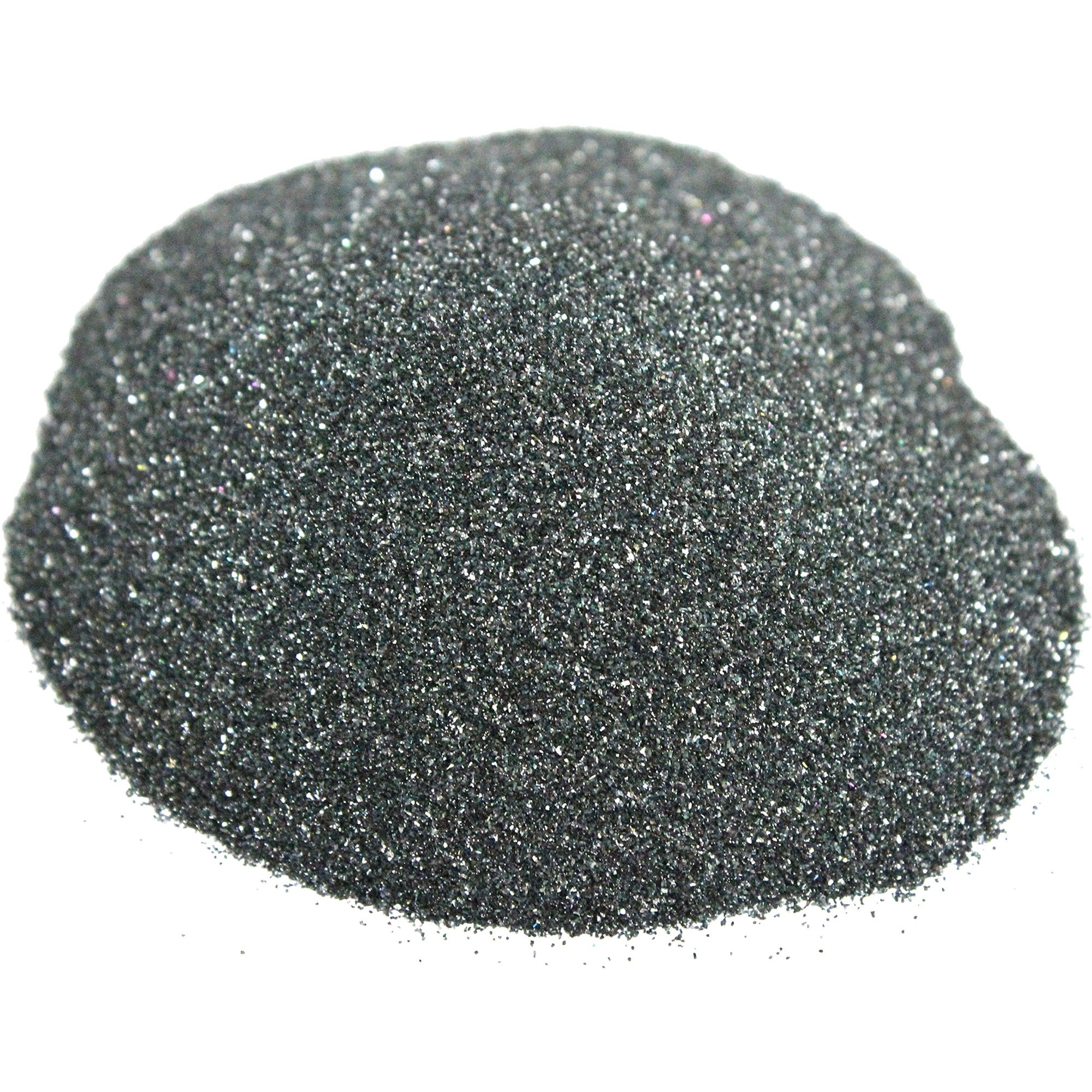
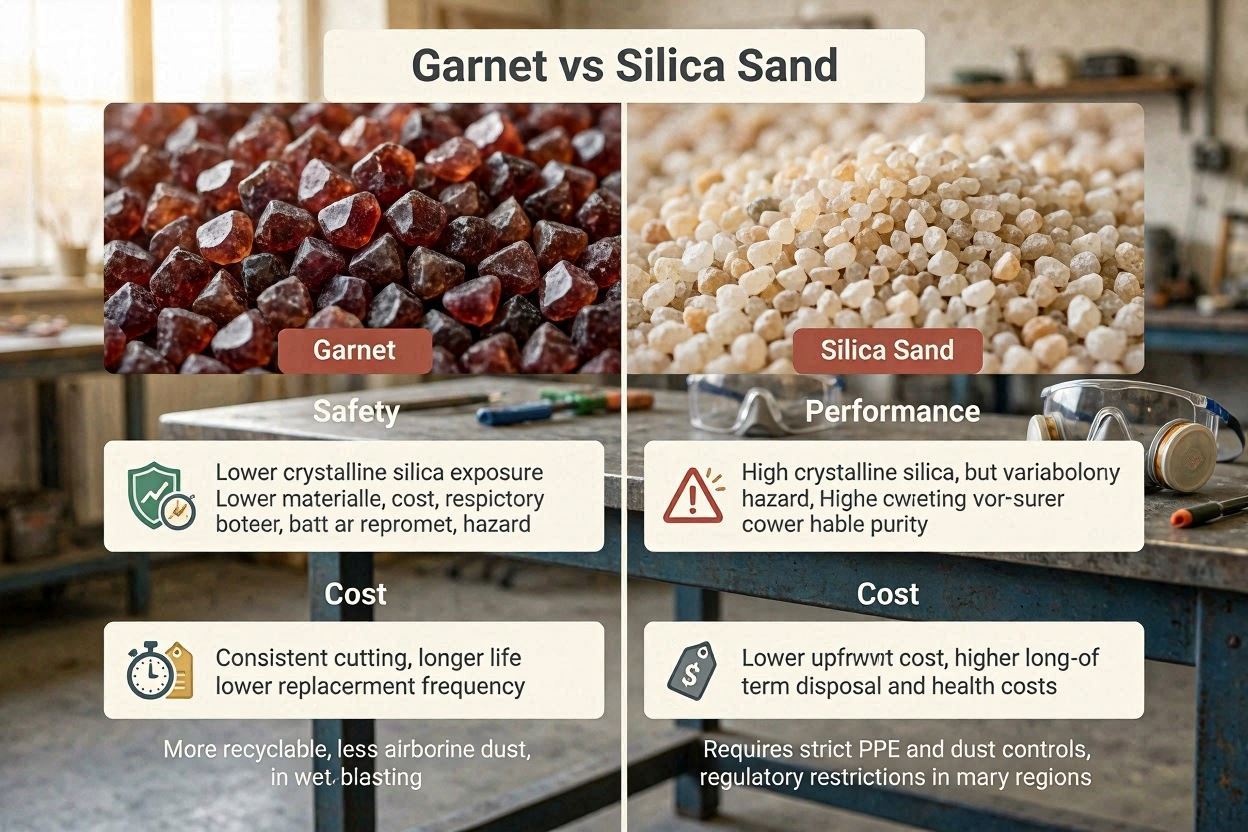
Media type and grit range. e.g., “Garnet 30/60 mesh or aluminum oxide #36–#80.”
5. Holding Time
Maximum time before priming. e.g., “Coating to be applied within 4 hours of blast completion.”
6. Inspection Method & Frequency
e.g., “Visual against ISO 8501-1 plates each panel; replica tape 1 per 25 m²; chloride test 1 per 100 m².”
7. Acceptance & Rejection
e.g., “Non-conforming surfaces shall be re-blasted at supplier’s cost. Rejection criteria: visible shadowing > 5%, embedded particles > 5/m², chloride > 30 mg/m².”
One-Page Specification Template
SAND BLASTED SURFACE SPECIFICATION
1. Substrate: [Material grade, dimensions, prior condition]
2. Pre-cleaning: Solvent clean per SSPC-SP 1 to remove oils, grease, and surface contaminants.
3. Cleanliness: Blast to SSPC SP 10 / ISO 8501-1 Sa 2½ (near-white metal blast).
4. Profile: Anchor pattern Rz [60–90] µm, measured per ASTM D4417 Method C (replica tape).
5. Approved media: [Garnet 30/60 mesh OR aluminum oxide #36–#80 OR steel grit G-40], silica-free, conductivity ≤ 50 µS/cm, chloride ≤ 25 ppm.
6. Process parameters: Blast pressure ≥ 90 psi at nozzle; impact angle 60°–90°; standoff 200–400 mm.
7. Holding time: Primer to be applied within [4] hours of blast completion; flash rust at any grade invalidates the blast.
8. Inspection & documentation: Visual per ISO 8501-1 each panel; replica tape per 25 m²; chloride contamination test (Bresle, ISO 8502-6) per 100 m²; results documented in QC log.
9. Acceptance: Surface accepted when all four conditions met: visual matches ISO 8501-1 Sa 2½ photograph; profile within Rz [60–90] µm; chloride ≤ [30] mg/m²; no embedded particles or flash rust.
10. Non-conformance: Non-conforming areas re-blasted at supplier’s cost prior to coating. Repeated non-conformance is grounds for contract review.
Common Specification Mistakes
- Cleanliness without profile. “Sa 2.5” specifies how clean but not how rough. Coatings fail without a profile target.
- Profile minimum without maximum. “Minimum 50 µm Rz” allows the supplier to deliver Rz 150 µm, causing peak projection through the coating.
- No measurement method. Different instruments give different readings; specify ASTM D4417 Method C or ISO 4287 stylus.
- Vague media reference. “Suitable abrasive” is meaningless; specify type and grit range.
- No holding time. Without a holding limit, surfaces sit overnight and develop flash rust.
- No inspection frequency. Without specified frequency, the supplier may inspect once for the entire project.
Example Specifications by Application
Marine new-build (ballast tank)
“SSPC SP 10 (ISO 8501-1 Sa 2½) with anchor pattern Rz 75–100 µm per ASTM D4417 Method C. Garnet 30/60 mesh, low-iron certified. Bresle chloride test ≤ 50 mg/m². Primer (inorganic zinc) within 4 hours of blast completion. Reference IMO PSPC for ballast tanks.” See our marine and offshore workflow guide for full context.
Architectural stainless
“Glass bead blast #170 at 60 psi to uniform matte appearance, Ra 0.5–0.8 µm measured by stylus profilometer per ISO 4287. Dedicated stainless equipment; no ferrous cross-contamination. Citric acid passivation per ASTM A967 within 24 hours.” See our stainless steel guide.
Industrial epoxy floor
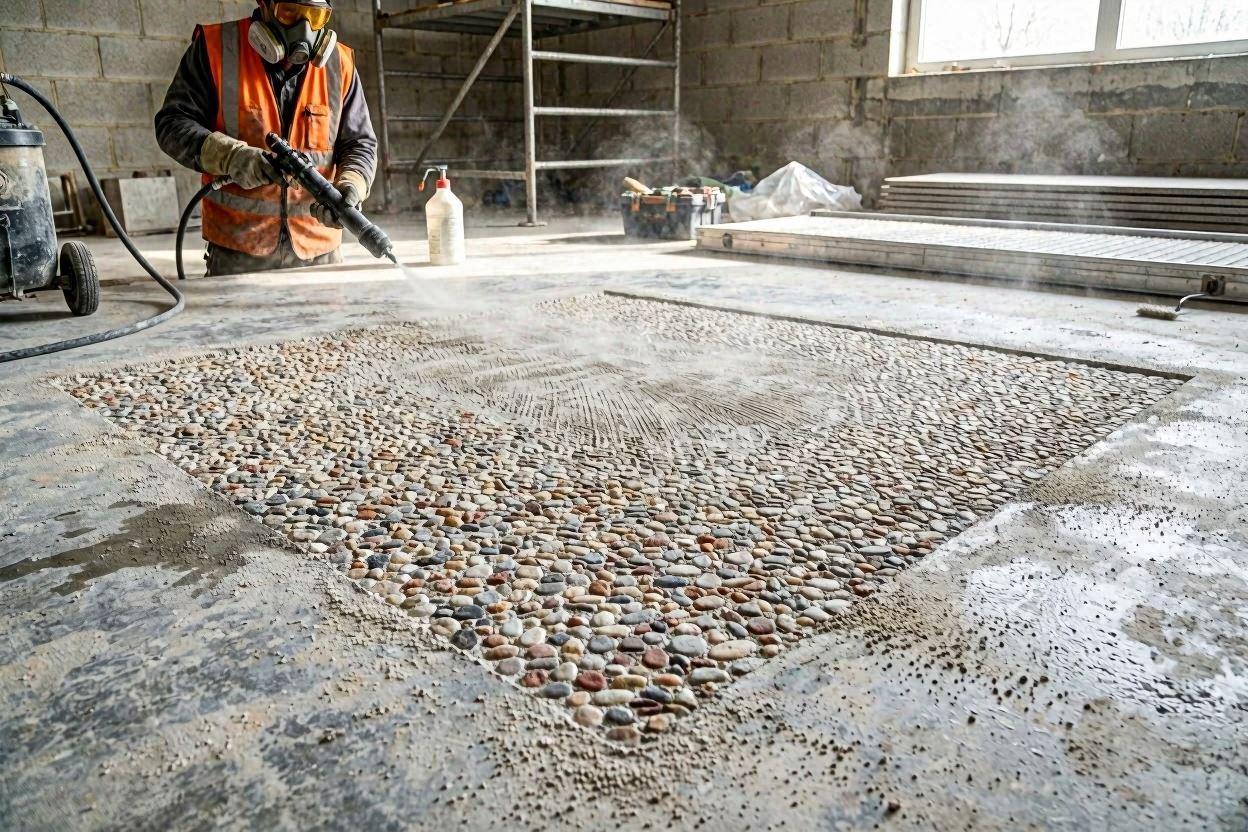
“Sand blast concrete to ICRI CSP 4. Vacuum recovery system to control dust per OSHA 1926.1153. Coating applied same day. No visible carbonation or contamination on prepared surface.”
Часто задаваемые вопросы
What should a sandblasting specification include?
A complete specification includes seven elements: substrate identification, cleanliness standard, profile requirement (with range and measurement method), approved media, holding time, inspection method and frequency, and acceptance/rejection criteria.
Should I specify Ra or Rz in the spec?
For anchor pattern (coating preparation), Rz is preferred because it captures peak-to-valley extreme. For cosmetic uniformity, Ra is acceptable. Specifications should always include the measurement method.
Why specify both SSPC and ISO designations?
International projects involve suppliers and inspectors familiar with different standards systems. Citing both (e.g., ‘SSPC SP 10 / ISO Sa 2½’) eliminates ambiguity and is universally understood.
How specific should the media call-out be?
Specify the media type and a grit range (e.g., ‘aluminum oxide #36 to #80’). Avoid naming only one grit unless the application demands it. Also specify any contamination limits (chloride, conductivity) for marine or stainless work.
What is the difference between ‘inspection’ and ‘acceptance’ in a spec?
Inspection defines how and how often the surface is checked. Acceptance defines the criteria under which the surface is approved. Both must be specified explicitly to prevent dispute.
Request an Abrasive Blasting Media Sample
Jiangsu Henglihong Technology Co., Ltd. supplies certified aluminum oxide, garnet, glass bead, steel grit, and steel shot to global industrial buyers. Request a sample with full batch documentation for technical evaluation.
Request a Sample →Фильтры