Blasting Media for Automotive Restoration: Component-by-Component Guide
From chassis and frame to thin body panels, alloy wheels, engine castings, and brake components — every automotive restoration part has different material properties, corrosion conditions, and surface finish requirements. This guide maps the right blasting media to every major component category so you get the correct result first time.
1. Why Media Selection Is Critical in Automotive Restoration
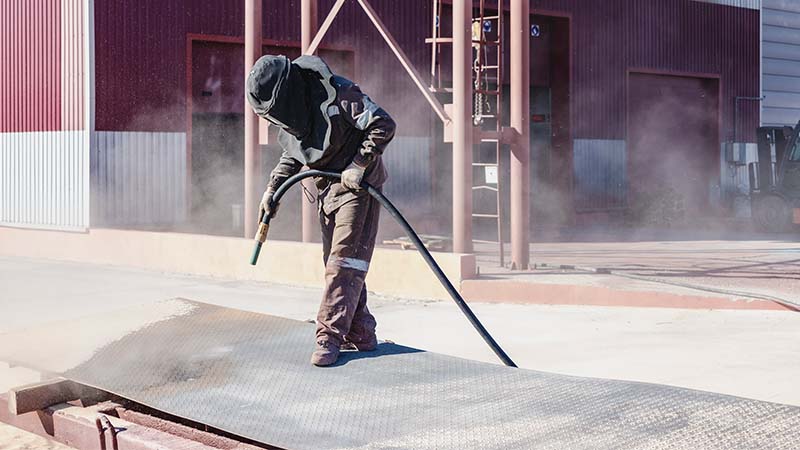
Automotive restoration involves blasting a wider variety of materials — in a wider range of conditions — than almost any other industrial application. A single vehicle can contain heavy structural steel frame sections with heavy surface rust, thin-gauge sheet metal body panels susceptible to heat distortion, cast iron engine components with tight dimensional tolerances, aluminum alloy wheels that must not be contaminated with iron, and small chrome or stainless trim pieces requiring a gentle touch.
Using the wrong blasting media on any of these components creates problems that are expensive, time-consuming, or impossible to correct. Coarse angular abrasives on thin body panels cause warping that requires professional straightening — or scrapping the panel entirely. Steel-based abrasives on aluminum alloy wheels embed iron particles that initiate galvanic corrosion within weeks of re-installation. Insufficient aggression on a heavily rusted frame section leaves pitting and scale that no primer system can bridge, leading to early paint failure.
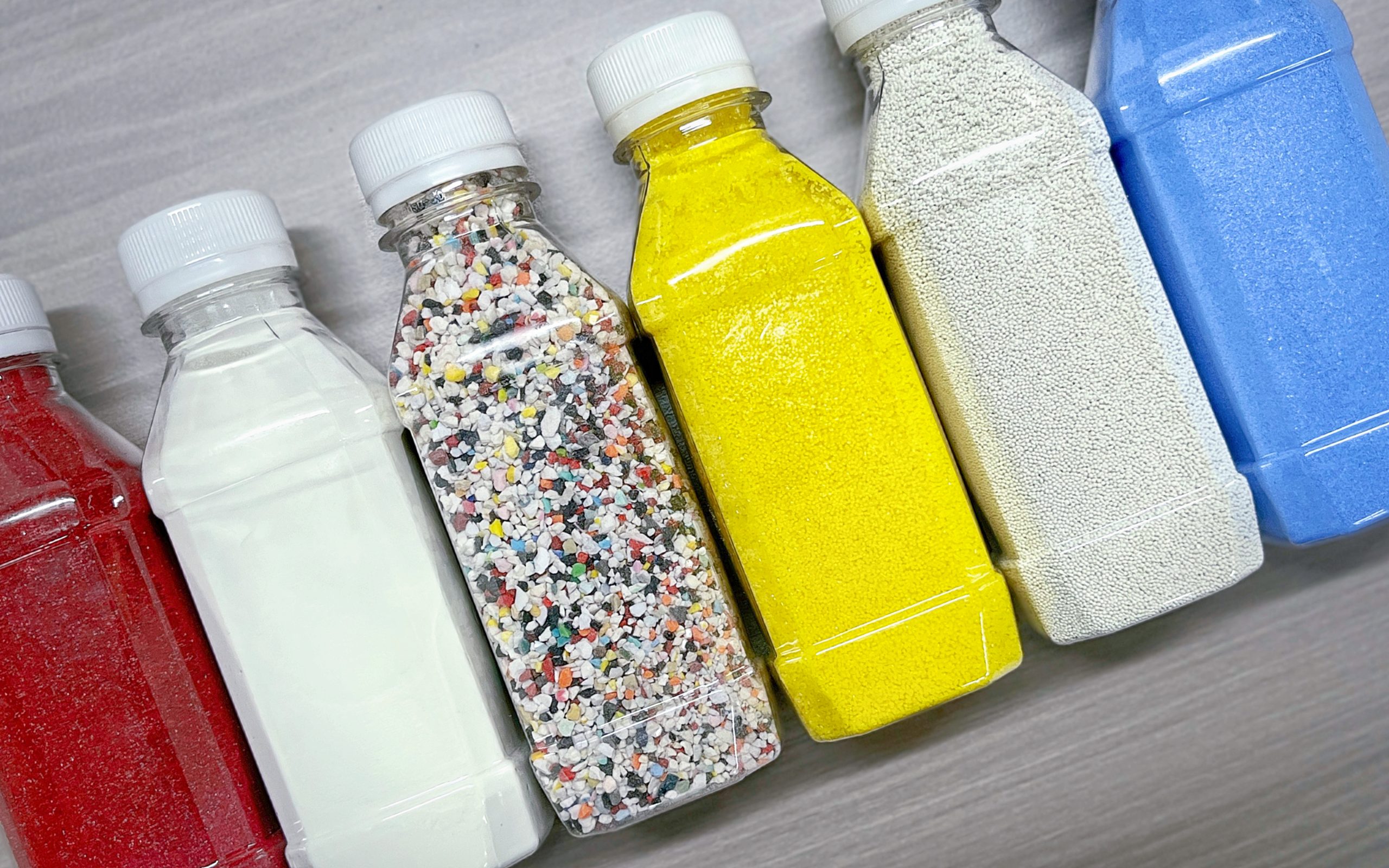
The fundamental principle is that automotive restoration is a multi-media operation. Professional restorers typically maintain at least three media types — one aggressive angular abrasive for heavy steel work, one spherical or soft media for panels and aluminum, and one fine abrasive for precision finishing — and select deliberately for each component category. This guide provides the framework for those decisions.
2. Master Quick-Reference Table
Use this table as your starting point for every component in a restoration project. Verify the selected media against the component’s actual condition and the primer or coating system you will apply before blasting.
| Компонент | Материал | Primary Media | Alternative | Avoid |
|---|---|---|---|---|
| Chassis / frame rails | Carbon steel (thick) | Al₂O₃ 36–60G | Garnet 30–60M Steel Grit G40 | Glass bead Пластиковые носители |
| Floorpan / firewall | Carbon steel (medium) | Al₂O₃ 54–80G | Garnet 40–80M | Coarse angular media at high pressure |
| Steel body panels | Sheet metal (thin) | Glass bead #8–#11 | Plastic media 20–30M Fine Al₂O₃ 120G (low PSI) | Coarse Al₂O₃ Стальная крошка |
| Aluminum body panels | Aluminum alloy (thin) | Plastic media 20–30M | Glass bead #10–#12 | All steel & iron media Coarse mineral abrasives |
| Engine block (iron) | Cast iron | Al₂O₃ 54–80G | Steel shot S230 | Coarse grit near machined surfaces |
| Cylinder heads (iron) | Cast iron | Al₂O₃ 80–120G | Glass bead #8–#10 (cosmetic) | Coarse abrasives near valve seats |
| Aluminum engine parts | Cast aluminum | Glass bead #8–#10 | Fine Al₂O₃ 120G | Steel media Coarse angular abrasives |
| Alloy wheels | Cast / forged aluminum | Glass bead #8–#10 | Fine Al₂O₃ 100–120G | Any steel or iron media |
| Steel wheels | Carbon steel | Al₂O₃ 54–80G | Garnet 40–60M | Glass bead (insufficient) |
| Brake calipers (iron) | Cast iron | Al₂O₃ 80G | Glass bead (cosmetic only) | Coarse abrasives — avoid piston bores |
| Stainless trim / hardware | Нержавеющая сталь | Glass bead #10–#12 | White Al₂O₃ 120G | All steel & iron media |
| Suspension components | Carbon / alloy steel | Al₂O₃ 60–80G | Garnet 40–60M | Avoid blasting bearing surfaces |
3. Chassis, Frame & Structural Steel
- Aluminum oxide 36–60 grit — primary choice for rust removal and anchor profile creation. Creates the 50–80 µm profile that epoxy primer requires for adhesion to bare steel.
- Garnet 30–60 mesh — excellent alternative for open blasting where dust is a concern. Lower dust than aluminum oxide, similar profile quality on heavy steel.
- Steel grit G40–G80 — ideal in a cabinet blast system for high-volume frame work. Exceptional recyclability keeps long-run costs low.
- Blast pressure: 5–7 bar (73–102 psi) — heavy sections tolerate full pressure
- Grit size: 36G for heavy rust / mill scale; 54–60G for moderate rust
- Target cleanliness: Sa 2.5 (ISO 8501-1) or SSPC-SP10 near-white
- Target profile: 50–80 µm for most epoxy primer systems
- Prime immediately after blasting — bare steel re-rusts within hours in humid conditions
4. Body Panels & Sheet Metal
- Glass bead #8–#11 — best for steel body panels. Cleans and conditions without warping. Creates a smooth, consistent anchor for high-build primer.
- Plastic media 20–30 mesh (melamine) — essential for aluminum panels (hoods, doors on modern vehicles). Only safe option for CFRP body components.
- Fine aluminum oxide 100–120 grit at reduced pressure — acceptable on thicker steel panels only, but glass bead is preferred.
- Blast pressure: maximum 3–4 bar (44–58 psi) — higher pressure warps thin panels
- Standoff distance: 200–300 mm — never concentrate the blast on one area
- Technique: sweeping passes — no dwelling on a single spot
- Check for heat buildup by touching the panel back — if it feels hot, stop and let it cool
- Support panels properly — an unsupported panel that flexes during blasting is more vulnerable to distortion
5. Engine Components & Castings
- Cast iron block: Al₂O₃ 54–80G for exterior surfaces. Avoid machined surfaces (deck, bores, main bearing saddles) — mask or protect before blasting.
- Cast iron heads: Al₂O₃ 80G or glass bead #8–#10 for exterior. Never blast combustion chambers or valve seats — media embedment causes serious engine damage.
- Aluminum intake manifolds & valve covers: Glass bead #8–#10 for cleaning and brightening. Fine aluminum oxide 100–120G as an alternative.
- Carburetors & small aluminum parts: Walnut shell or glass bead at very low pressure for carbon and varnish removal without dimensional damage.
- Plug all oil passages, water jackets, and threaded holes before blasting — media contamination causes catastrophic engine failure
- Never blast cylinder bores, main bearing saddles, cam journals, or valve guides
- Avoid blasting head gasket surfaces — creates porosity that causes head gasket leaks
- Thoroughly clean all blasted engine parts in a hot tank or parts washer before reassembly — abrasive media particles in oil passages destroy bearings
- After blasting cast iron, apply WD-40 or light oil immediately to prevent flash rusting before painting
6. Alloy Wheels & Brake Components
- Alloy wheels (aluminum): Glass bead #8–#10 is the standard. Removes old paint and oxidation, leaves a uniform satin finish ready for powder coating or painting. Never use steel abrasives — embedded iron causes corrosion under new coatings within months.
- Forged aluminum wheels: Fine aluminum oxide 100–120G at reduced pressure, or glass bead #8–#10. Avoid coarse angular media that can alter spoke geometry on lightweight forged wheels.
- Brake calipers (iron): Aluminum oxide 80G for rust removal. Avoid blasting caliper bore, piston bore, or brake pad contact faces. High-temperature paint or powder coat preparation.
- Steel abrasive particles embed in aluminum at a microscopic level during blasting
- These iron particles act as galvanic corrosion initiators — aluminum and iron form a galvanic couple in the presence of moisture
- Corrosion starts beneath the new coating layer within weeks to months of re-installation
- The coating bubbles, peels, and fails — appearing identical to poor coating adhesion but caused by media contamination
- The only solution is to re-blast with non-ferrous media and recoat — prevention is far cheaper than remediation
7. Trim, Hardware & Small Parts
Small parts — door handles, hinges, window regulators, hood latches, brackets, and ornamental trim — present a range of materials and finish requirements that often get overlooked in media selection. The principles are consistent with larger components: match the media to the substrate material and desired outcome.
- Chrome-plated trim: Glass bead #10–#12 at low pressure to clean without damaging the chrome. Coarse media will cut through thin chrome plating immediately. If the chrome is pitted or peeling, it must be professionally re-plated — blasting is not a repair for failed chrome.
- Stainless steel trim: Glass bead #10–#12 or white aluminum oxide 120G. Never use steel or iron media — rust staining on stainless is permanent without chemical treatment.
- Zinc die-cast parts: Glass bead #10–#12 at very low pressure (2–3 bar). Zinc is soft and easily damaged by aggressive blasting.
- Brass fittings and hardware: Glass bead #10–#12 or fine aluminum oxide at low pressure. Brightens and cleans without removing base material.
- Rubber-bonded parts: Do not blast — abrasive blasting destroys rubber compounds and adhesive bonds. Clean chemically instead.
8. Blast Pressure Guidelines by Component
Blast pressure is the parameter most frequently responsible for damaged panels and components in automotive restoration. A common misconception is that higher pressure always means faster or better results — in reality, excessive pressure on thin or soft substrates causes irreversible damage that no amount of skill can correct.
9. Recommended Restoration Workflow
A systematic approach to blasting a complete vehicle during restoration minimizes rework and ensures each component receives the correct treatment. The following sequence reflects professional restoration practice as of March 2026.
Complete Vehicle Restoration Blasting Sequence
For comprehensive guidance on media selection across all industrial applications — including the full technical comparison of aluminum oxide, glass bead, garnet, plastic media, and steel abrasives — see the complete blasting media selection guide and the Blasting Media Comparison Chart.
10. Frequently Asked Questions
Related Resources
Explore the full blasting media resource library from Jiangsu Henglihong Technology for technical detail on each media type and broader selection guidance:
- Blasting Media: Complete Industry Guide — full overview of all media types and applications
- How to Choose the Right Blasting Media — step-by-step selection framework and substrate matrix
- Types of Blasting Media: Complete Guide — technical data on every major media type
- Aluminum Oxide Blast Media: Uses & Grit Guide — the workhorse for chassis and frame work
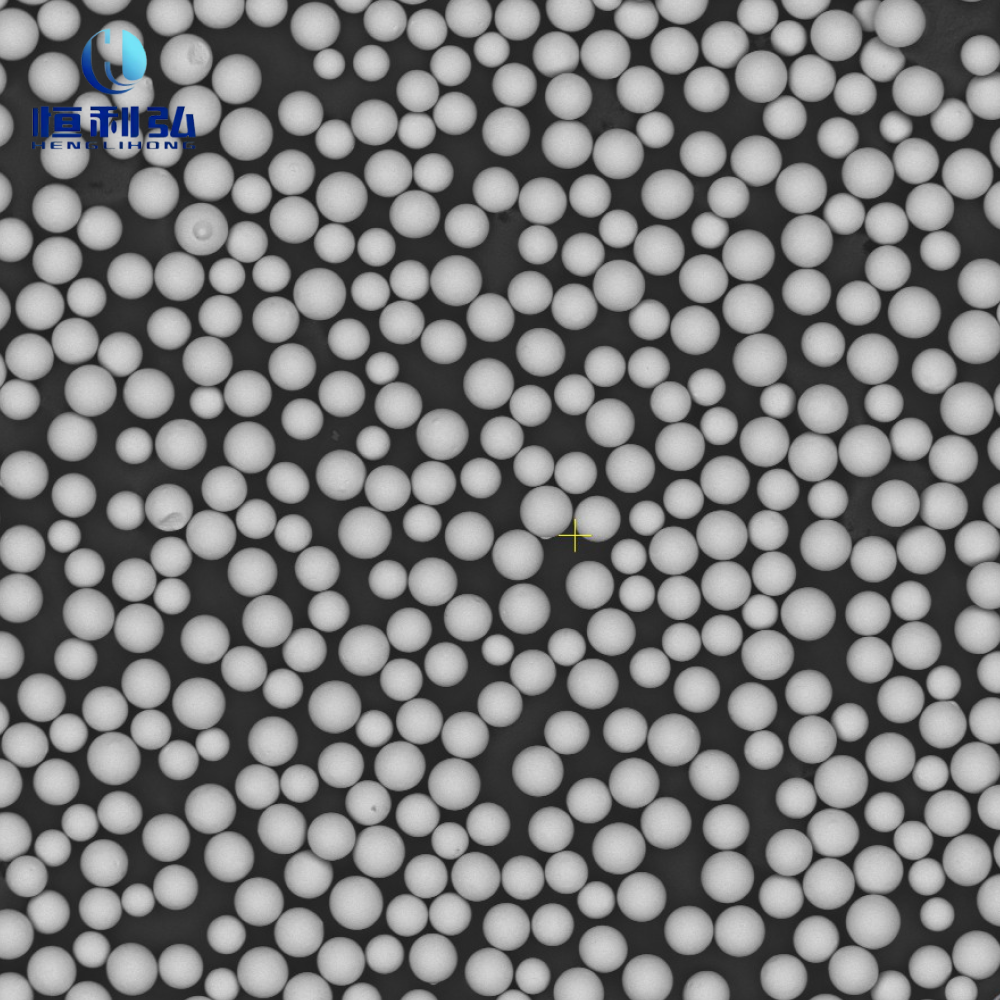
- Glass Bead Blasting Media — the go-to for body panels, alloy wheels, and aluminum components
- Garnet Blasting Media — low-dust alternative for open-air frame and chassis blasting
- Plastic Blast Media for Aerospace & Automotive — essential for aluminum panels and composite components
- Steel Grit vs Steel Shot — metallic abrasives for high-volume cabinet blast operations
- Blasting Media Comparison Chart — side-by-side data for all major abrasives
- Blasting Media Cost Guide & ROI Analysis — price benchmarks and cost-per-m² modeling
- Blasting Media Safety Guide — PPE requirements and silica compliance
- Eco-Friendly Blasting Media — silica-free, low-dust options for regulated environments
- Industrial Surface Prep: Best Blasting Media for Metal
- Silicon Carbide Blast Media: Hardest Abrasive Explained
Source the Right Blasting Media for Your Restoration Project
Jiangsu Henglihong Technology supplies aluminum oxide, glass bead, garnet, plastic media, and specialty abrasives in the grades required for professional automotive restoration, with reliable export logistics and full quality documentation.
Request a Quote or Sample PackФильтры