Zirconia Beads – High-Density Media for Precision Grinding and Finishing
Primary keywords: ジルコニア・ビーズ, zirconia grinding media. This page covers their material properties, types, applications, performance comparisons, selection guide, and FAQs.
What are Zirconia Beads?
定義 Zirconia beads (also called zirconium oxide beads or zirconia grinding media) are spherical or cylindrical beads produced from stabilized zirconium dioxide. Their very high density (5.5–6.1 g/cm³) makes them ideal for high-energy grinding and dispersing applications.
Manufacturing: Raw zirconia powder is blended with stabilizers such as yttria or ceria, then formed into beads via molding or granulation, followed by sintering at >1400°C. This yields beads with extremely low porosity and very high fracture toughness.

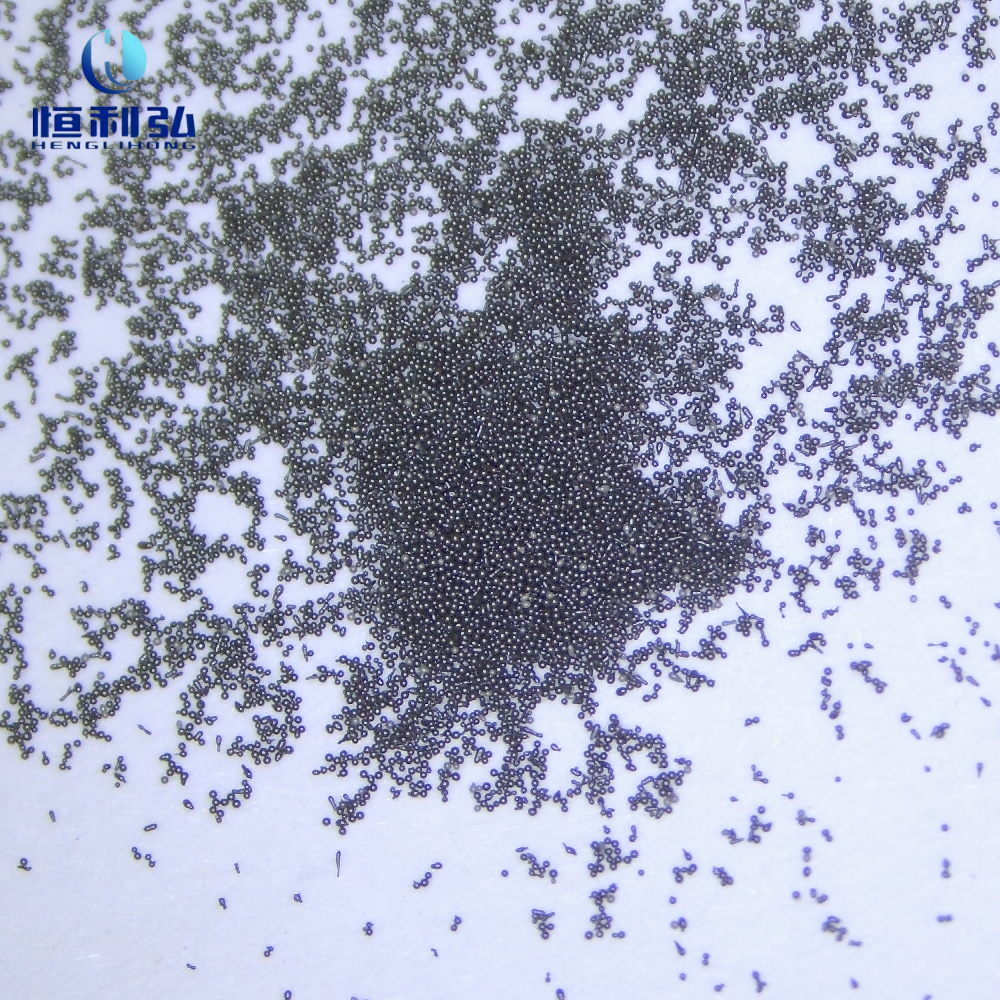
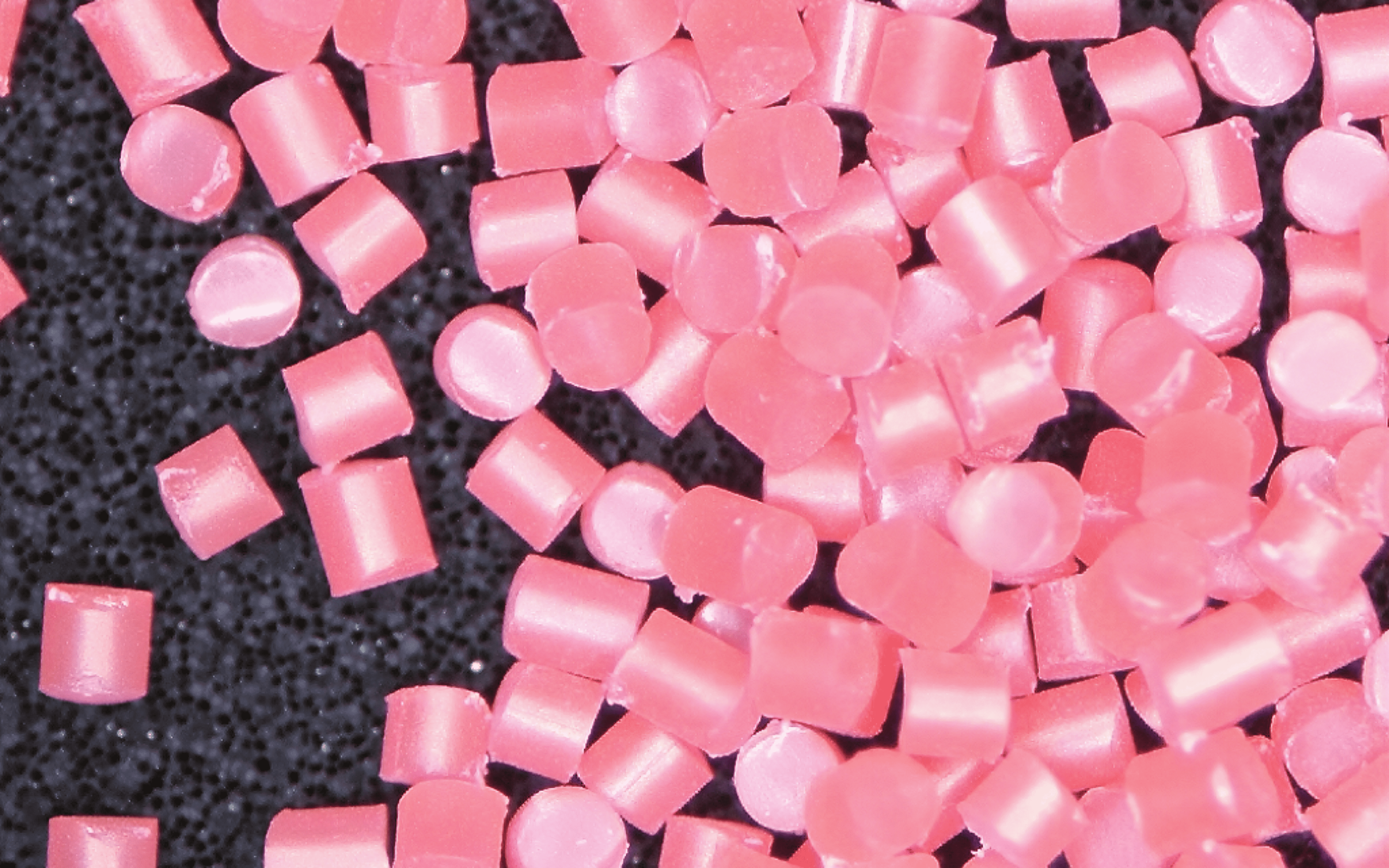
Close-up of stabilized zirconia beads used in industrial grinding mills.
Types of Zirconia Beads
There are several grades of zirconia beads depending on stabilizer type and intended use:
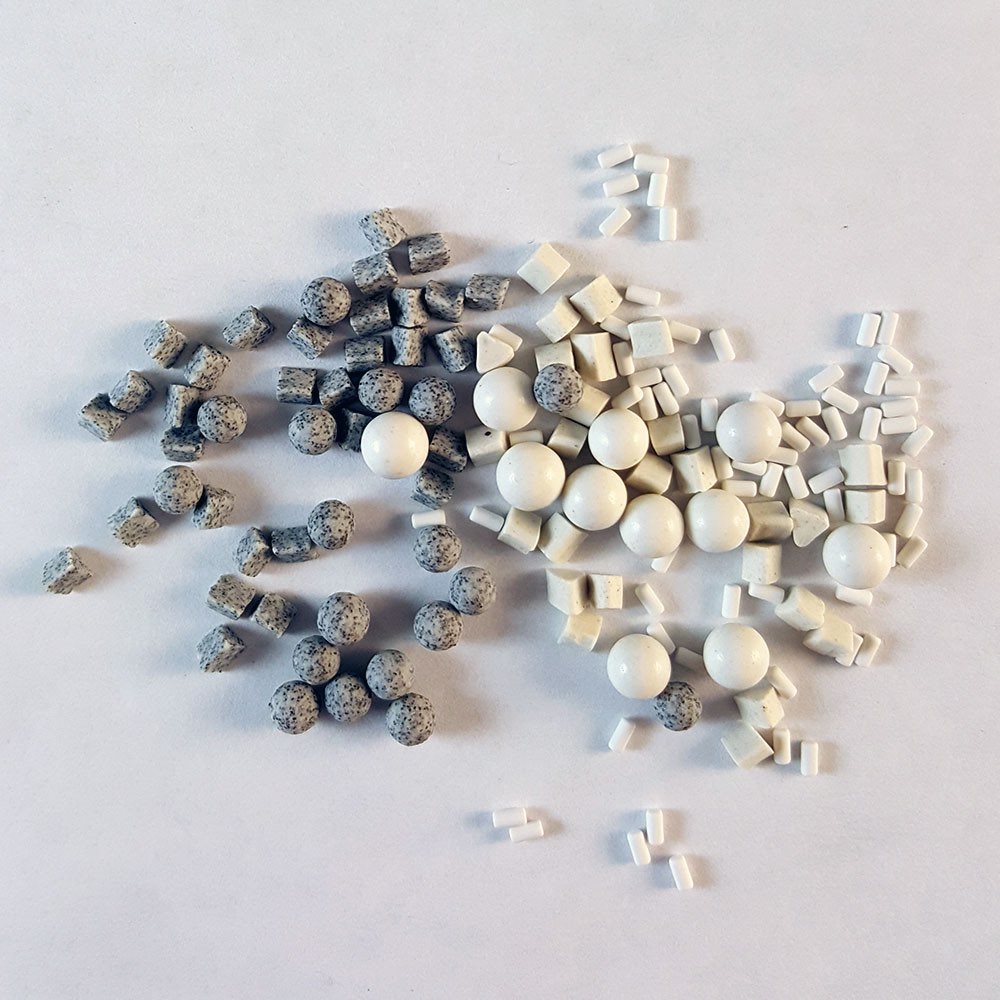
- Yttria-stabilized zirconia (YSZ): Most common. Excellent toughness, wear resistance, and density. Preferred for high-energy milling.
- Ceria-stabilized zirconia (CSZ): Slightly lower density, improved resistance to thermal shock. Used in some specialized milling processes.
- Partially stabilized zirconia (PSZ): Balanced cost vs performance, suitable for medium-energy grinding.
For most industrial users, YSZ zirconia beads are the go-to choice due to their superior balance of performance and durability.
Key Properties & Specifications
- 密度が高い: 5.5–6.1 g/cm³ (about 2–3× heavier than ceramic media).
- 硬度: ~1200 HV (Vickers), enabling extreme wear resistance.
- Roundness: >95% sphericity ensures uniform contact and reduced dead zones in mills.
- Contamination level: Ultra-low wear reduces contamination, critical for pharmaceuticals, electronics, and high-purity chemicals.
- Thermal stability: Stable up to 1000°C continuous, making them resistant to heat build-up in milling.

Industrial Applications
Paints, Inks & Coatings
Zirconia beads are widely used in horizontal and vertical mills to grind pigments and disperse particles for high-quality paints and inks. Their high density ensures rapid particle size reduction.
Pharmaceuticals
Used in wet milling of APIs (Active Pharmaceutical Ingredients). Zirconia minimizes contamination and maintains particle purity.
Electronics & Advanced Materials
Essential in dispersing nano-materials such as lithium battery materials, ceramic powders, and electronic pastes. Uniform bead roundness ensures stable nano-scale particle distribution.
Mining & Minerals
Applied in fine grinding of minerals, zirconia media last longer than steel shot or ceramic beads, reducing downtime and maintenance.

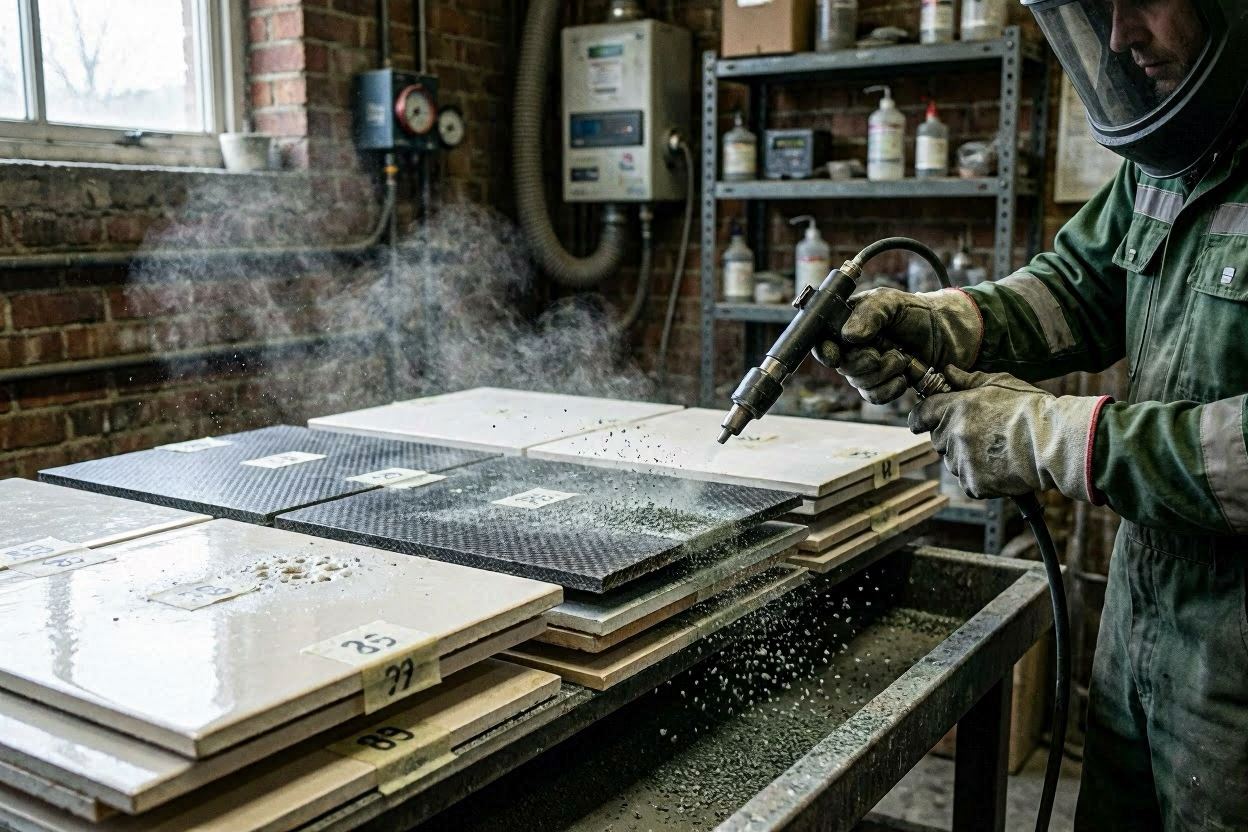
Industrial bead mill using zirconia beads for high-efficiency pigment dispersion.
Zirconia vs Ceramic vs Alumina Media
When deciding which media to use, compare these factors:
| Property | ジルコニア・ビーズ | セラミック・メディア | 酸化アルミニウム |
|---|---|---|---|
| 密度 | 5.5–6.1 g/cm³ | 2.2–2.8 g/cm³ | ~3.9 g/cm³ |
| 耐久性 | Very high | Medium | Medium-high |
| Contamination Risk | Very low | Medium | Higher (friable) |
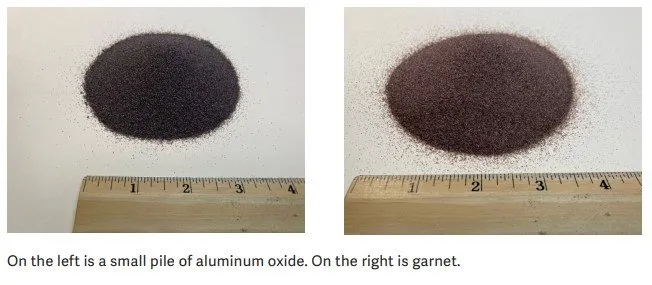
| Best For | High-energy, high-purity grinding | Deburring, vibratory finishing | General blasting, aggressive cut |
See our Media Comparison Guide for a detailed breakdown.
How to Select Zirconia Beads
- Define process: milling, grinding, dispersing, or finishing? Clarify desired particle size reduction (e.g., <200 nm).
- Match mill type: High-energy horizontal mills require YSZ zirconia; low-energy vertical mills may allow PSZ.
- Bead size: Smaller beads (0.1–1.0 mm) for nano-dispersion; larger beads (1–6 mm) for coarse grinding.
- Purity requirement: For pharma/food/electronics, choose medical/food-grade certified zirconia with COA (Certificate of Analysis).
- Lifecycle cost: Calculate not only purchase price but also replacement intervals, downtime, and contamination impact.
Tip: Start pilot trials with 0.3–0.6 mm YSZ beads for nanoparticle dispersions in high-energy mills, then optimize size distribution.
Sample Product Specification Table
| Product Code | 素材 | サイズ(mm) | 密度 (g/cm³) | Hardness (HV) | アプリケーション |
|---|---|---|---|---|---|
| ZB-101 | YSZ | 0.3–0.5 | 6.0 | 1200 | Nano-dispersion in pharma |
| ZB-202 | YSZ | 1.0–2.0 | 5.9 | 1200 | Pigments and paints |
| ZB-305 | CSZ | 2.0–3.0 | 5.7 | 1100 | Mineral grinding |
Frequently Asked Questions (FAQ)
Q: How long do zirconia beads last compared to ceramic?
A: In high-energy mills, zirconia beads often last 3–5× longer than ceramic media, making them more cost-effective over time.
Q: Do zirconia beads cause contamination?
A: Very little. Wear rates are extremely low, making them safe for high-purity applications like pharma or electronics.
Q: Can zirconia beads be reused?
A: Yes, they can be washed and sieved to remove fines. However, once beads fracture or lose roundness, they should be replaced.
Q: What bead size is best for nanoparticle dispersion?
A: 0.1–0.6 mm YSZ zirconia beads are commonly used for achieving particle sizes below 200 nm.
フィルター