Types of Blasting Media: A Complete Guide to Every Major Abrasive
From aluminum oxide and silicon carbide to garnet, glass bead, steel grit, and organic media — this guide covers every commercially significant blasting media type with detailed technical data, application guidance, and sourcing considerations for industrial buyers.
1. How Blasting Media Are Classified
With dozens of commercially available blasting abrasives on the market as of March 2026, understanding how they are categorized is the first step toward confident selection. Industrial blasting media are broadly grouped by their origin and composition into four families:
Within each family, individual abrasives differ across five key technical dimensions that determine their fitness for any given application:
- Твердость (Mohs scale): determines cutting aggression and whether the media can damage the substrate
- Форма частиц: angular particles cut and etch; spherical particles peen and smooth
- Плотность: heavier media carries more kinetic energy per particle at the same blast velocity
- Возможность вторичной переработки: how many blast cycles the media survives before it fractures below usable grit size
- Chemical inertness: whether the media reacts with the substrate or contaminates it (critical for stainless steel, titanium, and aerospace alloys)
2. Mineral & Ceramic Abrasives
Mineral and ceramic abrasives are the workhorses of the industrial blasting world. They offer a wide range of hardness — from the moderate aggression of garnet to the extreme cutting power of silicon carbide — and most are completely silica-free, making them compliant with modern occupational health regulations in the EU, UK, USA, and Australia.
Aluminum Oxide (Al₂O₃)
Aluminum oxide — also sold as aluminium oxide, corundum, or brown fused alumina (BFA) — is the most widely used blasting media in global industrial manufacturing. Its combination of very high hardness, sharp angular morphology, chemical inertness, and outstanding recyclability makes it the go-to specification for surface preparation of carbon steel, stainless steel, titanium alloys, nickel superalloys, and ceramic components.
It is available in two primary grades: brown fused alumina (BFA), which contains 95–97% Al₂O₃ and small amounts of titanium oxide giving it its characteristic brown color, and white fused alumina (WFA), which is purer (99%+ Al₂O₃), harder, and preferred for stainless steel and titanium applications where iron contamination from lower-grade media could cause surface corrosion.
Grit sizes range from very coarse (F12, F16) for aggressive mill scale and heavy corrosion removal, to very fine (F150, F220) for creating smooth anchor profiles prior to thin-film coatings or electroplating. In recirculating blast cabinet or blast room systems, aluminum oxide is typically the most cost-effective mineral abrasive over a full production year, despite a higher upfront unit price than garnet or slag.
- Best for: Carbon steel, stainless steel, titanium, nickel alloys, ceramics, composites
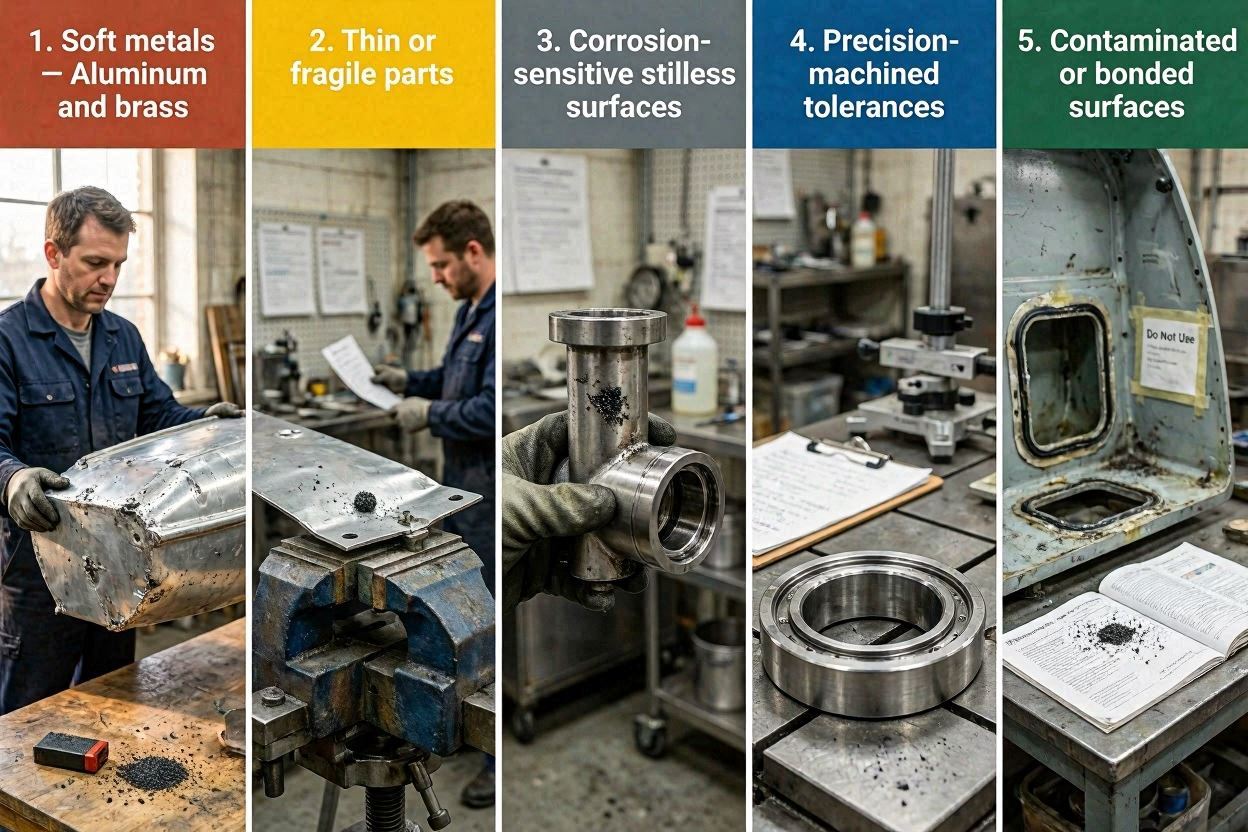
- Avoid for: Soft aluminum body panels (warping risk with coarse grit at high pressure); composites (use plastic media instead)
- Key standards: ISO 11127-1, FEPA F-grade sizing, ANSI B74.12
Silicon Carbide (SiC)
Silicon carbide is the hardest blasting media available commercially, sitting at Mohs 9.5 — harder than aluminum oxide and harder than most materials it is used to treat. Its extremely sharp, splintery fracture pattern means it cuts faster than any other mineral abrasive, making it the preferred choice when working on extremely hard substrates that would wear out aluminum oxide too quickly.
Primary application areas include glass etching and carving (monument industry, glass art, and architectural glass treatment), surface preparation and texturing of cemented carbide and technical ceramic components, and cleaning of silicon wafers and other semiconductor substrates in specialized equipment. Silicon carbide is available in both black SiC (98%+ purity) and green SiC (99%+ purity, sharper, preferred for precision applications).
Because silicon carbide fractures readily into new sharp edges, its recyclability is lower than aluminum oxide. However, for applications where no other abrasive achieves the required cutting rate on extremely hard materials, there is no practical substitute.
- Best for: Glass etching, hard ceramics, cemented carbide, stone carving, silicon wafers
- Avoid for: General carbon steel work (cost-prohibitive vs. aluminum oxide); any substrate where SiC contamination is unacceptable
Гранат
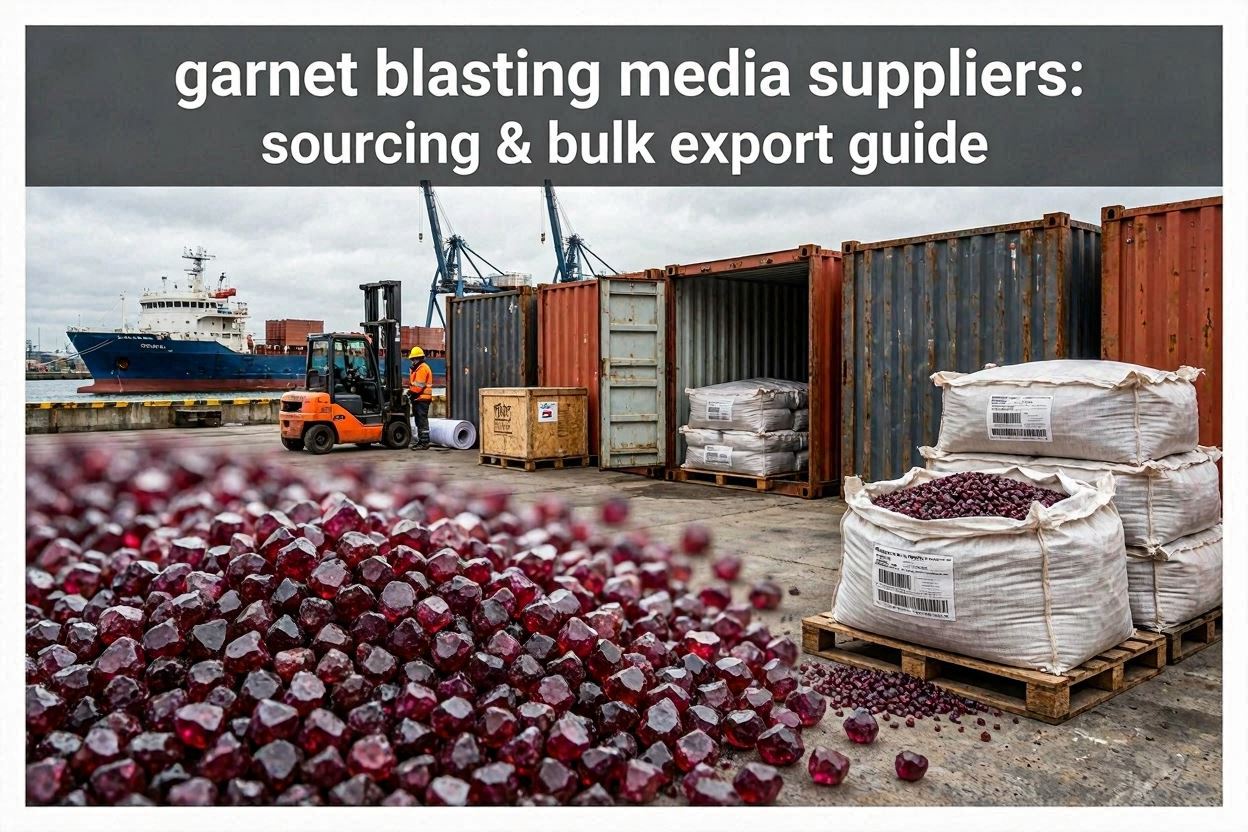
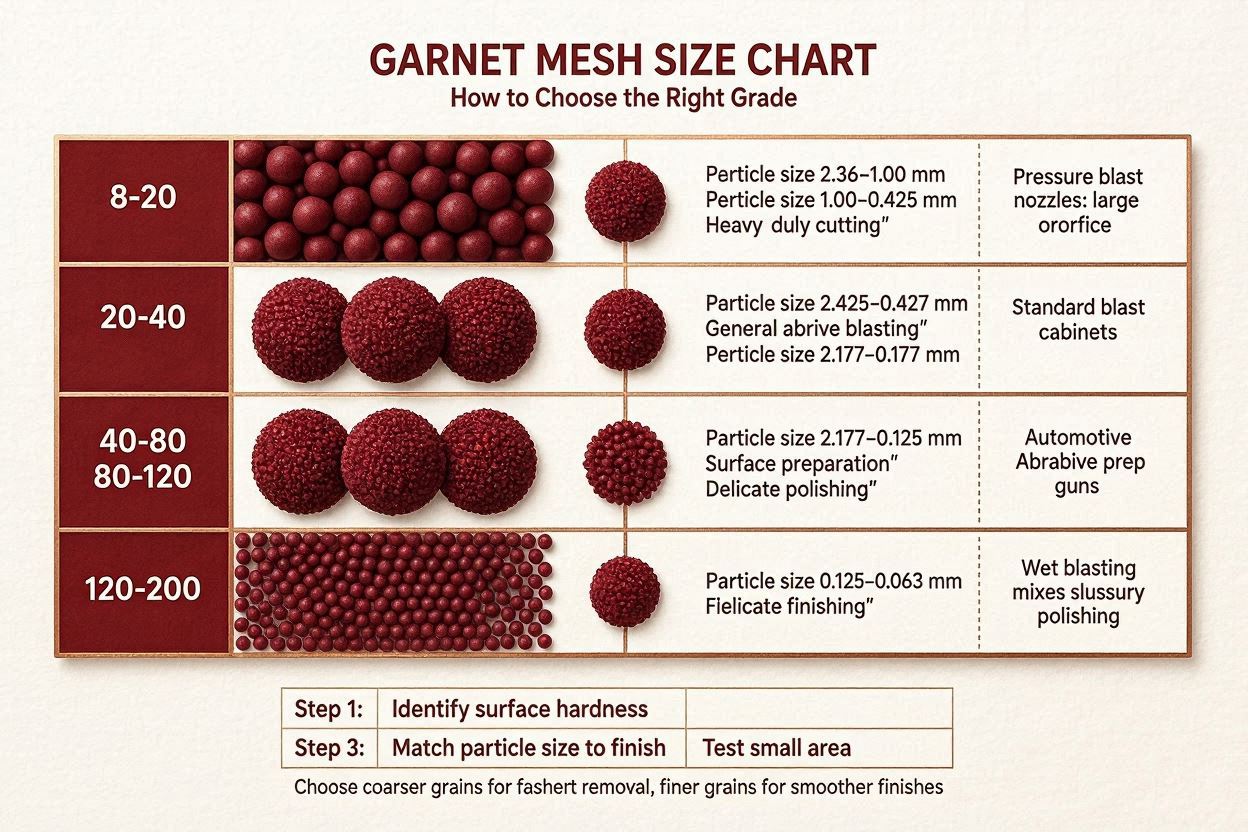
Garnet is a naturally occurring iron-aluminum silicate mineral mined primarily in Australia, India, and parts of China. It occupies a valuable middle ground in the blasting media market: harder than glass bead, softer than aluminum oxide, with a sub-angular particle shape that produces a well-defined anchor profile without the extreme aggression of corundum abrasives.
One of garnet’s most important characteristics is its extremely low free silica content (typically less than 1%) and very low dust generation upon fracture — properties that make it the preferred choice for open-air blasting in environments where dust suppression and operator health are priorities. It is widely used in shipyards, pipeline coating projects, and bridge maintenance programs across North America, Europe, and the Middle East.
Garnet is also the abrasive of choice for waterjet cutting operations, where its hardness, density, and consistent particle sizing make it superior to most alternatives. For buyers who need to balance cleaning performance, environmental responsibility, and regulatory compliance, garnet is frequently the most defensible specification — especially in regions with strict OSHA or EU RCS exposure limits.
- Best for: Open-air steel blasting, pipeline coating prep, waterjet cutting, eco-sensitive sites, marine applications
- Avoid for: High-volume recirculating cabinet work (low recycle life increases cost vs. aluminum oxide)
3. Metallic Abrasives
Metallic abrasives — manufactured from high-carbon steel, stainless steel, or cast iron — dominate high-volume automated blast rooms and production-line shot blast equipment. Their key advantage is exceptional recyclability: a well-maintained steel abrasive system can achieve 500–2,000 cycles per charge, making the per-m² cost of metallic abrasives among the lowest of any category over a full production run.
Стальная крошка
Steel grit is manufactured by crushing high-carbon steel shot and re-heat-treating the angular fragments to a controlled hardness. The angular geometry produces an aggressive, jagged anchor profile on steel surfaces — ideal for heavy-duty coating systems (epoxy, polyurethane, zinc-rich primers) that require a deep mechanical key for adhesion. Steel grit is graded by particle size (G10 through G120) and hardness (GL = low hardness, GM = medium, GH = high).
It is the primary abrasive in automated tumble blast, table blast, and hanger blast equipment used in automotive component manufacturing, structural steel fabrication, and heavy engineering. Because it is a metallic abrasive, steel grit should never be used on stainless steel, aluminum, titanium, or any substrate where iron contamination would cause corrosion or metallurgical problems.
Steel Grit vs Steel Shot: Full Comparison GuideСтальной выстрел
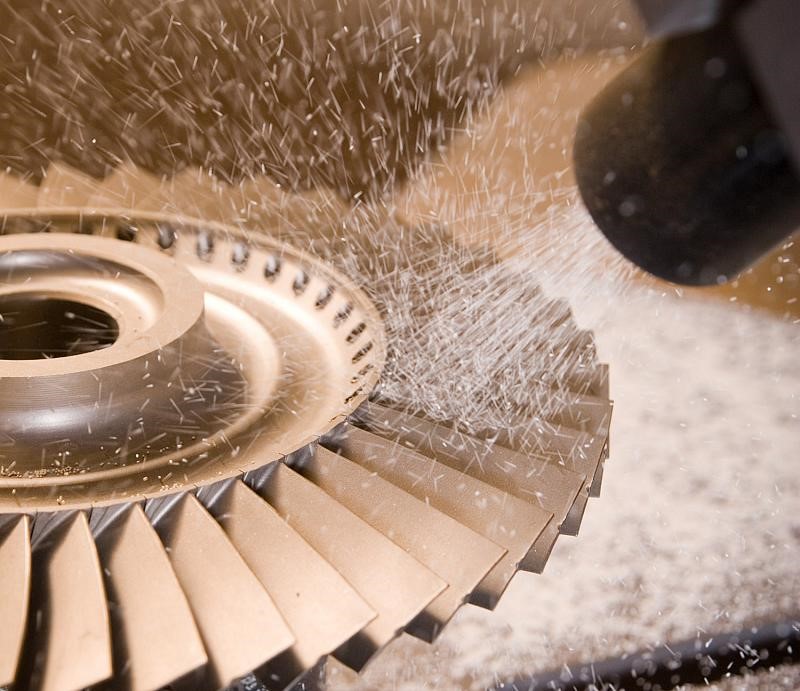
Steel shot consists of spherical particles produced by atomizing molten high-carbon steel and rapidly cooling the droplets. Unlike steel grit, shot does not cut the surface — it hammers it, creating a dimpled, compressively stressed surface layer. This peening effect is highly valuable in two distinct contexts: descaling and cleaning (removing mill scale, light rust, and casting sand from steel components) and дробеструйное упрочнение (inducing beneficial compressive residual stress in springs, gears, aircraft landing gear, and turbine components to improve fatigue life).
The relatively shallow, smooth surface profile produced by steel shot means it is not suitable as the sole preparation abrasive for heavy coating systems — it is often used in combination with steel grit to achieve both cleaning and profile simultaneously, or in dedicated peening operations where the surface finish is the primary objective.
Full Steel Grit vs Steel Shot Guide4. Synthetic & Manufactured Media
Glass Bead
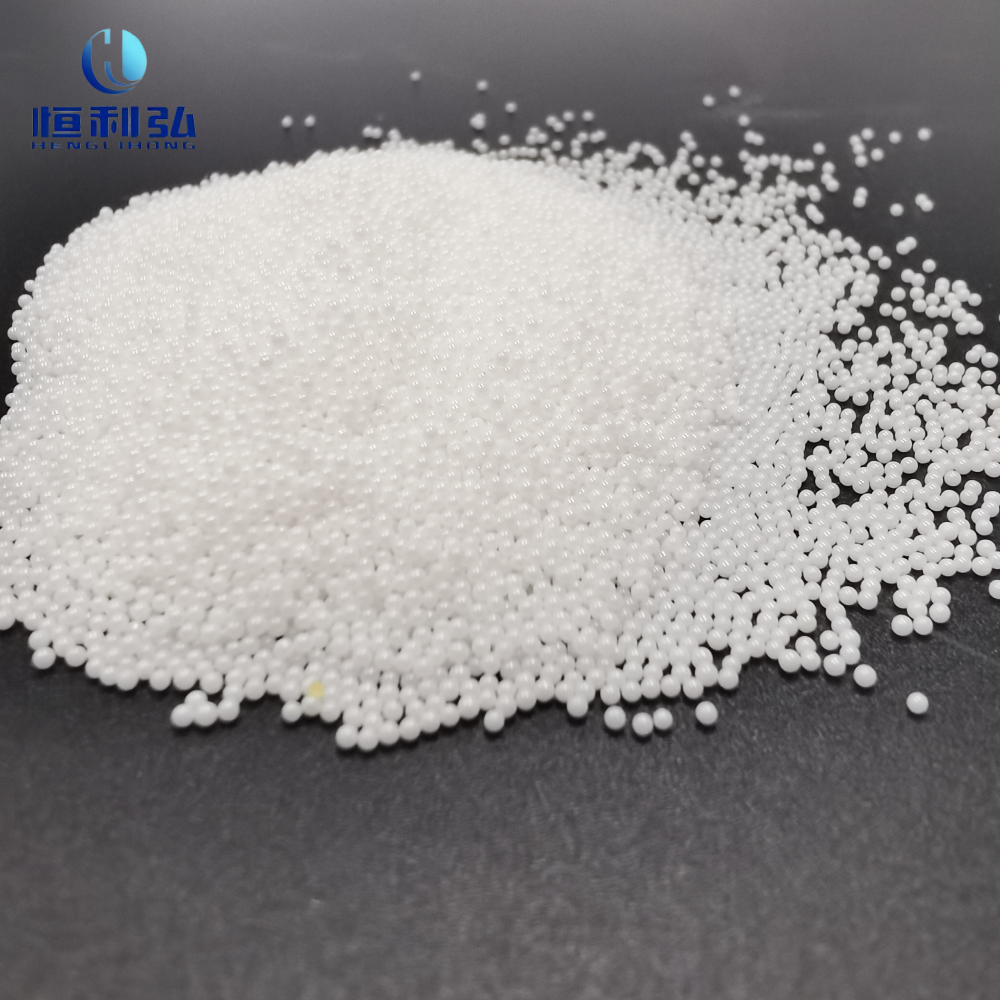
Glass bead is manufactured from soda-lime glass melted into perfectly spherical particles, then sized to precise grade ranges. The spherical shape is the defining characteristic: it produces a smooth, satin, non-directional finish rather than an etched anchor profile, cleaning the surface without embedding into it or significantly roughening the substrate. This makes glass bead the preferred finishing media for a wide range of applications where appearance and dimensional precision matter as much as cleanliness.
Common glass bead applications include: deburring and finishing of stainless steel fabrications (food processing equipment, pharmaceutical machinery); brightening and satin finishing of aluminum alloy wheels, motorcycle components, and sporting goods; cleaning of hydraulic cylinders and precision valves between maintenance cycles without altering bore dimensions; cosmetic finishing of titanium medical implants; and general surface conditioning of castings and forgings in preparation for inspection or anodizing.
Glass bead is chemically inert and contains no free crystalline silica (it is manufactured from amorphous glass), making it compliant with OSHA RCS exposure standards. It is available in a wide range of grades from very fine (MIL-G-9954 #13, equivalent to approximately 90 µm) to medium-coarse (#4, approximately 600 µm).
- Best for: Stainless steel, aluminum, titanium, decorative metalwork, medical components, precision finishing
- Avoid for: Heavy rust or coating removal from structural steel (insufficient aggression); composites (shatter risk)
Plastic Blast Media
Plastic blast media — manufactured from urea formaldehyde, melamine, or acrylic thermoplastic resin — is the only commercially available blasting abrasive that can strip paint, coatings, and adhesives from extremely thin-gauge aluminum sheet, carbon fiber reinforced polymer (CFRP), fiberglass, and other composite structures without causing substrate damage, dimensional change, or fiber breakout.
This property makes plastic media indispensable in the aerospace industry, where regulatory requirements mandate that aircraft coating removal be performed without any measurable substrate damage. It is also widely used in the automotive refinishing industry for stripping paint from aluminum hoods, doors, and body panels; in the defense sector for vehicle and weapons system refurbishment; and in the electronics industry for deflashing plastic-encapsulated components.
Plastic media is available in multiple resin types (urea for lightest cutting, melamine for moderate, acrylic for most aggressive) and a range of particle sizes, allowing the operator to tune the cutting action precisely. Because the particles are low-density, higher blast pressures and closer nozzle distances are typically needed compared to mineral abrasives.
- Best for: Aircraft aluminum skins, CFRP components, fiberglass bodies, thin-gauge auto body panels, composite marine hulls
- Avoid for: Heavy rust or scale removal from structural steel; any application requiring a defined anchor profile for coating adhesion
5. Organic & Agricultural Media
Walnut Shell & Corn Cob
Agricultural media — crushed walnut shells, ground corn cob, and peach pit grit — are among the gentlest abrasive blasting materials available. Their low hardness means they remove surface contamination (grease, carbon deposits, soft coatings, biological growth) without scratching, etching, or dimensionally altering even the softest metal or non-metallic substrate. They are fully biodegradable and generate no hazardous waste.
Typical applications include: cleaning carbon deposits from aircraft and automotive engine components (carburetors, cylinder heads, valve bodies); stripping antique wooden furniture or stone monuments without damage; removing graffiti from delicate masonry and brick; decontaminating oil field equipment; and gentle surface cleaning in food processing or pharmaceutical facilities where chemical contamination cannot be tolerated. For environmentally sensitive or regulatory-compliant operations, see our broader guide on eco-friendly and silica-free blasting media.
6. Industrial By-Product Abrasives
Several widely used blasting media are by-products of other industrial processes. Their primary commercial advantage is very low purchase price per tonne — typically $80–$200/MT — making them attractive for large-scale open blasting projects where media cost per tonne dominates the budget. However, they are all single-use materials with no recyclability, and some carry regulatory concerns regarding heavy metal content.
Copper Slag
A by-product of copper smelting, copper slag is a dark, angular abrasive with good hardness (Mohs ~7) and high density. It produces a strong anchor profile on structural steel and has been widely used in shipyards and on large infrastructure projects (bridges, tanks, offshore platforms). Regulatory scrutiny of heavy metal leaching from spent copper slag has increased in recent years in the EU and certain US states — always verify local waste classification before specifying. It is appropriate for large outdoor structural steel projects where spent media will be collected and disposed of through a licensed contractor. For industrial metal surface preparation at scale, see our dedicated guide on best blasting media for metal surface prep.
Coal Slag (Black Beauty)
A by-product of coal combustion in power stations, coal slag is perhaps the lowest-cost blasting abrasive per tonne on the market. It is angular, moderately hard (Mohs ~6–7), and produces acceptable surface profiles for structural steel coating preparation. Like copper slag, it is single-use, generates significant dust, and its regulatory status regarding free silica content varies by source — always request a certified analysis from the supplier confirming free crystalline silica content below relevant exposure thresholds.
7. Master Comparison Table — All Major Types
The table below consolidates the essential technical and commercial data for all major blasting media types covered in this guide. For an expanded interactive version, visit the dedicated Blasting Media Comparison Chart. For cost data including price per MT and cost-per-m² analysis, see the Blasting Media Cost Guide.
| Тип носителя | Hardness (Mohs) | Shape | Profile | Возможность вторичной переработки | Silica-Free | Категория |
|---|---|---|---|---|---|---|
| Оксид алюминия | Angular | Высокий |
|
✓ | Mineral | |
| Карбид кремния | Angular | Very High |
|
✓ | Mineral | |
| Гранат | Sub-angular | Высокий |
|
✓ | Mineral | |
| Стальная крошка | Angular | Very High |
|
✗ | Metallic | |
| Стальной выстрел | Spherical | Low–Med |
|
✗ | Metallic | |
| Glass Bead | Spherical | Низкий |
|
✓ | Synthetic | |
| Пластиковые носители | Angular | Minimal |
|
✓ | Synthetic | |
| Walnut Shell | Irregular | Negligible |
|
✓ | Organic | |
| Copper Slag | Angular | Высокий |
|
✓ | By-Product | |
| Coal Slag | Angular | Med–High |
|
Verify | By-Product |
Recyclability dots: ●●●●● = 500+ cycles | ●●●○○ = 100–200 cycles | ●●○○○ = 20–50 cycles | ●○○○○ = 1–5 cycles | ○○○○○ = single use
8. Frequently Asked Questions
9. Choosing the Right Type for Your Application
Understanding each media type’s technical profile is the foundation — but translating that knowledge into a specific purchase specification requires applying a structured decision process against your actual application requirements. The four variables that drive the decision are: substrate material and hardness, required surface cleanliness grade and profile depth, environmental and safety constraints, and total cost target including recyclability.
For a complete step-by-step selection framework — including a substrate-to-media matching matrix, grit size selection table, and guidance on how to calculate true cost per m² — refer to our dedicated guide: How to Choose the Right Blasting Media.
If you are working in a specific industry context, the following application guides provide targeted recommendations:
- Blasting Media for Automotive Restoration — component-by-component media selection for frame, body panels, engine parts, and wheels
- Plastic Blast Media for Aerospace & Automotive — paint stripping from composites and thin-gauge aluminum without substrate damage
- Industrial Surface Prep: Best Blasting Media for Metal — heavy structural steel, pipeline, and marine coating preparation
- Eco-Friendly Blasting Media — silica-free, low-dust, and biodegradable options for regulated environments
- Blasting Media Safety Guide — OSHA and EU regulatory requirements, PPE selection, and silica risk management
This article is part of the complete blasting media resource library produced by Jiangsu Henglihong Technology. For the full overview of the topic, return to the Blasting Media: Complete Industry Guide
Need Abrasive Blasting Media for Your Operation?
Jiangsu Henglihong Technology supplies aluminum oxide, garnet, glass bead, silicon carbide, steel abrasives, and specialty media to industrial buyers worldwide. Full QC documentation, competitive pricing, and reliable export logistics.
Request a Quote or Sample PackФильтры