Sandblasting vs Shot Blasting vs Bead Blasting: Surface Differences Explained
Three blasting processes that look similar on the spec sheet produce three measurably different surface outcomes. This guide explains the equipment, media, and surface signatures that distinguish sandblasting, shot blasting, and bead blasting for industrial buyers.
Three Processes, Three Outcomes
Casual conversation treats sandblasting, shot blasting, and bead blasting as interchangeable. Engineering specifications do not. Each uses different equipment, different media geometry, and produces a measurably different surface. Specifying the wrong one in an RFQ wastes both money and time.
This article focuses on the practical differences. For the broader specification context — Ra values, cleanliness standards, and downstream coating implications — see the complete pillar guide to sand blasted surface.
Side-by-Side Process Comparison
| Attribute | Пескоструйная обработка | Shot Blasting | Bead Blasting |
|---|---|---|---|
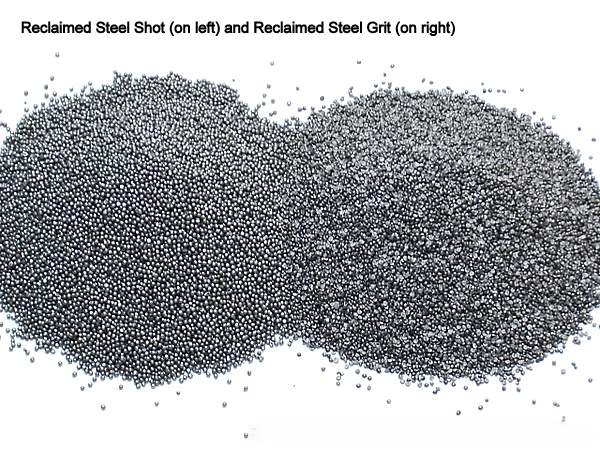
| Media geometry | Angular | Spherical | Spherical |
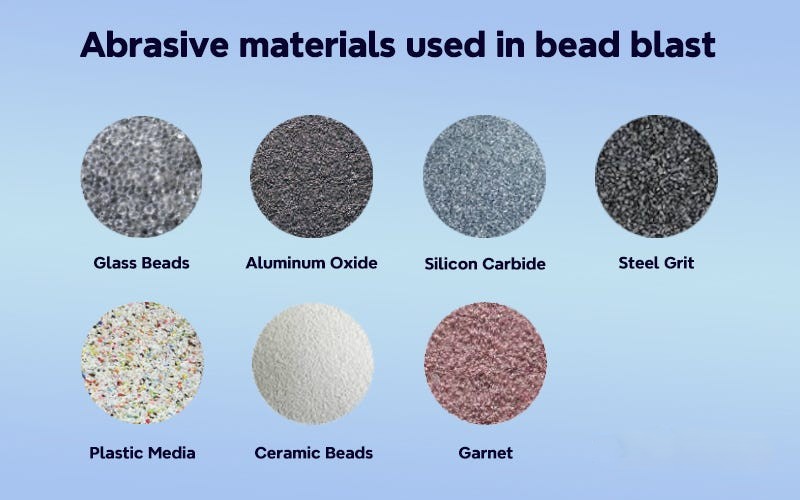
| Typical media | Aluminum oxide, garnet, steel grit | Cast steel shot | Glass bead, ceramic bead |
| Acceleration | Compressed air nozzle | Centrifugal wheel | Compressed air nozzle |
| Surface action | Cutting / fracturing | Impact / peening | Dimpling / cleaning |
| Typical Ra | 1.5 – 7.0 µm | 2.0 – 4.0 µm | 0.4 – 1.2 µm |
| Media reuse | 3 – 20 cycles | 100+ cycles | 15 – 30 cycles |
| Primary use | Coating prep, paint removal | Foundry cleaning, peening | Cosmetic finish, deburring |
Sandblasting in Detail
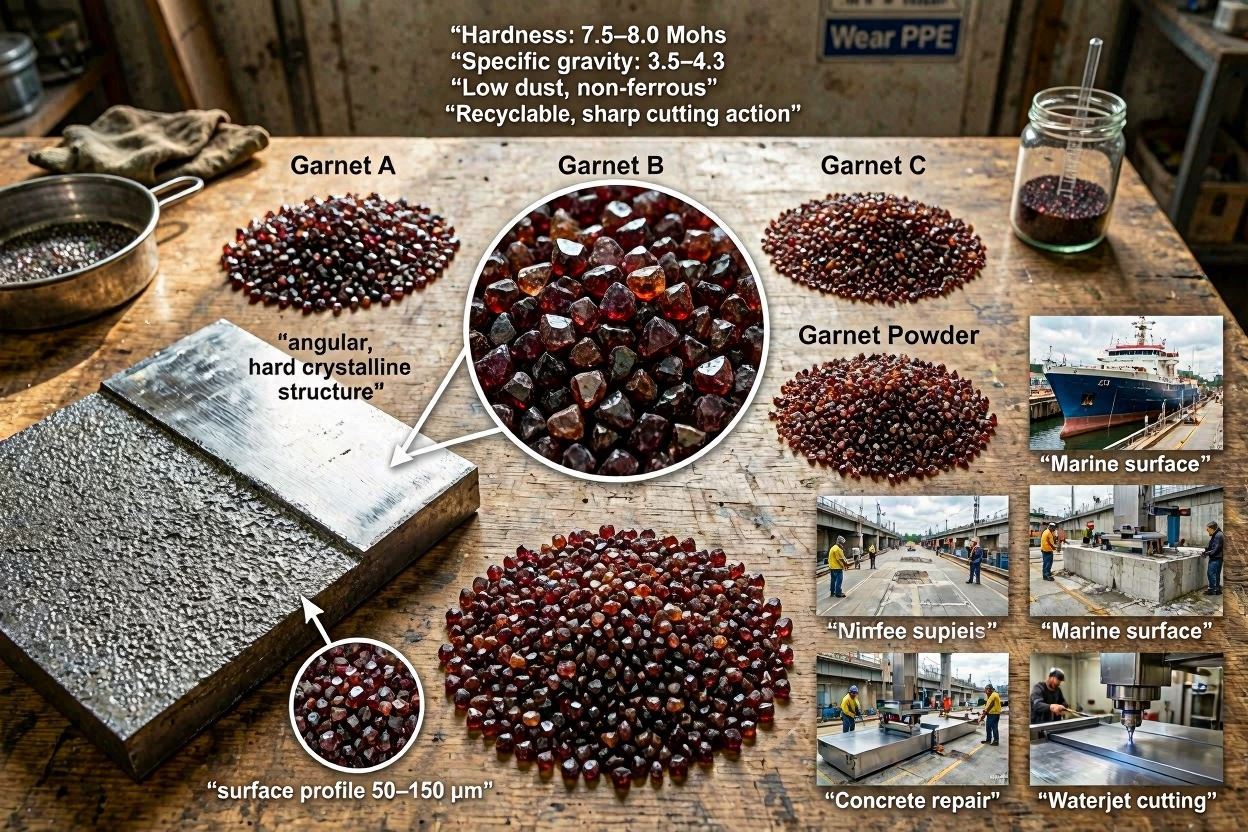
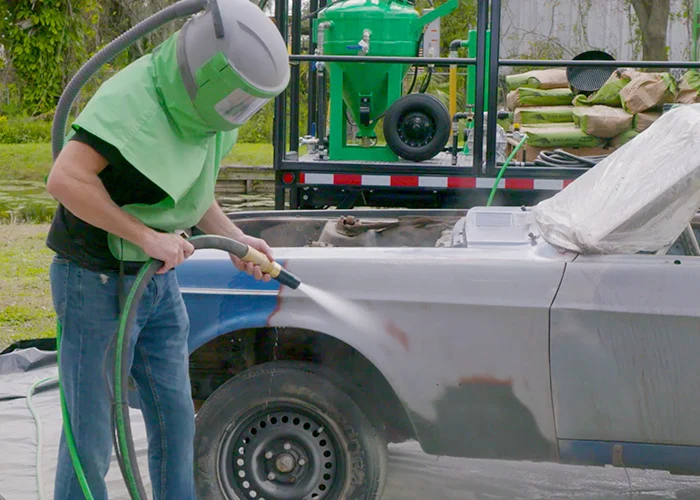
Sandblasting — more accurately termed “abrasive air blasting” — uses compressed air at 60–110 psi to accelerate angular media particles through a tungsten carbide nozzle. The media strikes the substrate at near-perpendicular angles, cutting and fracturing contaminants while leaving a sharp angular profile.
The angular geometry is the defining feature. Sharp particle corners produce sharp peak-to-valley profiles ideal for mechanical anchor of coatings. The trade-off is media life: each impact fractures the abrasive into smaller pieces, so even hard media like aluminum oxide degrades after 15–20 cycles.
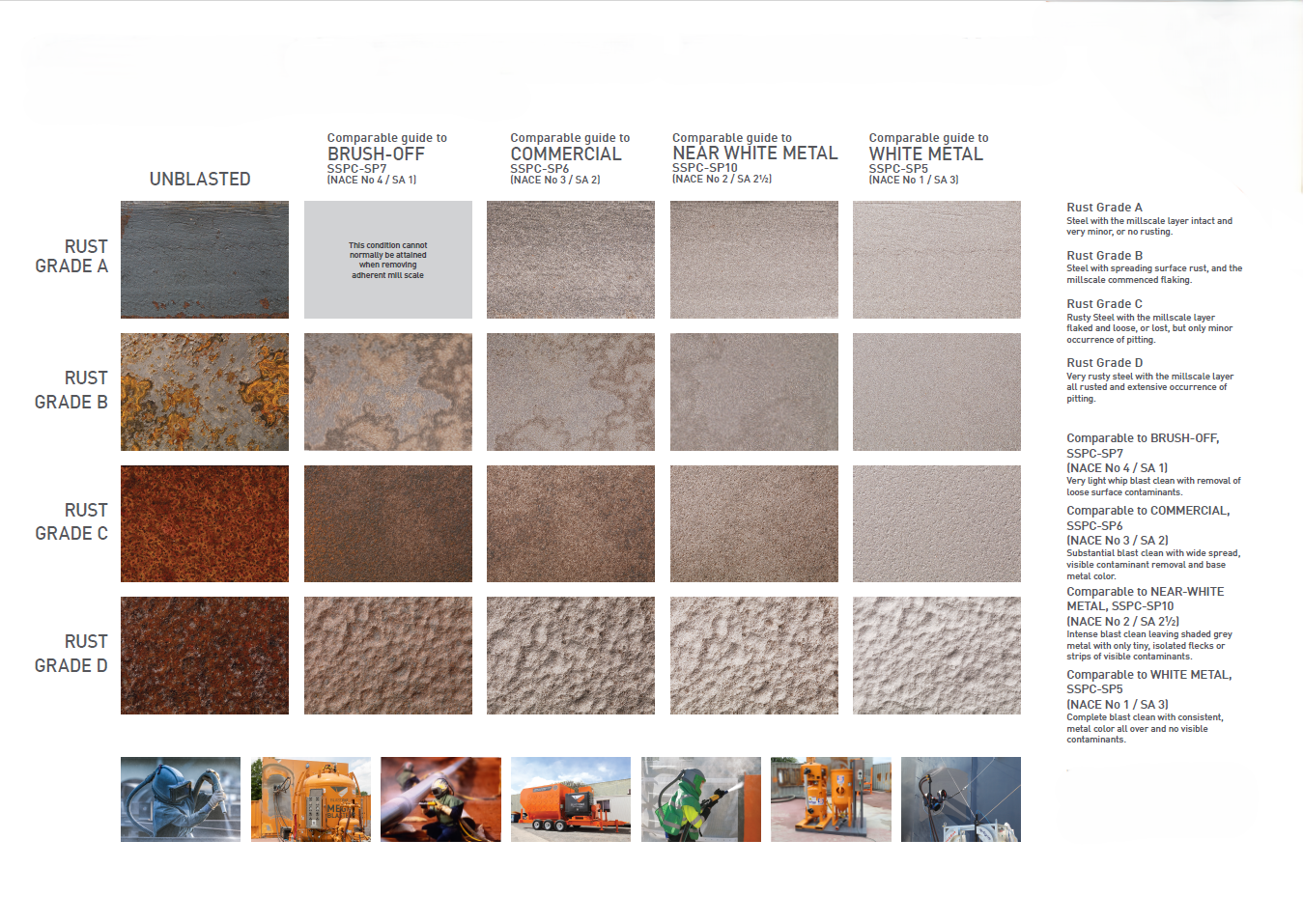
Sandblasting dominates coating preparation on structural steel, marine equipment, pipelines, and architectural fabrications. Standards like SSPC SP 5, SP 6, SP 10 and ISO Sa grades were all developed primarily around sandblasting cleanliness criteria.
Shot Blasting in Detail
Shot blasting uses a fundamentally different acceleration mechanism: a centrifugal wheel spinning at 2,000–3,500 RPM throws spherical steel shot with no compressed air involved. This makes shot blasting dramatically more energy-efficient for large flat surfaces — wheel blast cabinets can process 100 m²/hour where air blasting might manage 10 m²/hour.
The spherical media geometry produces a dimpled rather than cratered surface. Each impact deforms the surface plastically without cutting, delivering two simultaneous benefits: contamination removal and surface peening. Peening introduces compressive residual stress that improves fatigue life on parts like turbine blades, springs, and gears.
Steel shot recycles 100+ times in closed-loop wheel systems, making it the most economical media on a cost-per-square-meter basis for high-volume work. The trade-off is that shot blasting leaves a softer profile (Ra 2–4 µm) that may be insufficient for the most demanding coatings, and it cannot be used on stainless steel without contamination risk.
Bead Blasting in Detail
Bead blasting uses the same nozzle-and-compressed-air equipment as sandblasting but with spherical glass or ceramic beads as media. The combination of spherical geometry plus relatively low hardness (Mohs 5.5–6.0 for soda-lime glass) produces a uniquely soft, dimpled cosmetic finish.
The defining application is cosmetic surface finishing. Consumer electronics enclosures, automotive trim, surgical instruments, and architectural stainless steel routinely specify bead blasted finishes at Ra 0.4–0.8 µm. Bead blasting on aluminum is the standard preparation before anodizing per MIL-A-8625 — the complete pre-anodizing specification is detailed in our guide on sand blasted aluminum pre-anodizing bead blast specifications.
Selecting the Right Process
Coating prep?
- Anchor pattern needed → sandblasting
- Cosmetic uniform matte → bead blasting
- Volume cleaning → shot blasting
What substrate?
- Carbon steel → all three viable
- Stainless → sandblasting (correct media) or bead
- Aluminum → bead blasting preferred
Volume?
- Large flat → shot blasting wheel
- Complex geometry → sandblasting
- Precision parts → bead blasting cabinet
Specifying “sandblast finish” on stainless surgical components is a frequent error — the correct specification is “glass bead blast.” Specifying “shot blast” on architectural aluminum is similarly incorrect.
Часто задаваемые вопросы
Is sandblasting the same as shot blasting?
No. Sandblasting uses angular media accelerated by compressed air through a nozzle. Shot blasting uses spherical steel shot driven by a centrifugal wheel. They produce visually and functionally different surfaces.
Which process produces the smoothest finish?
Bead blasting with fine glass beads (#170–#220) produces the smoothest cosmetic matte finish, typically Ra 0.4–0.8 µm.
Which process is most economical for large steel structures?
Shot blasting in a wheel cabinet is the most economical for high-volume large-area work because steel shot recycles 100+ times and uses no compressed air.
Can you bead blast stainless steel?
Yes — glass bead is preferred for stainless because it leaves no iron contamination. It produces a uniform cosmetic matte finish suitable for architectural and food-grade applications.
What is the difference between shot peening and shot blasting?
Shot blasting is primarily a cleaning process; shot peening is a controlled process specifically engineered to introduce beneficial compressive residual stress for fatigue improvement, per SAE J442 / J443.
Request an Abrasive Blasting Media Sample
Jiangsu Henglihong Technology Co., Ltd. supplies certified aluminum oxide, garnet, glass bead, steel grit, and steel shot to global industrial buyers. Request a sample with full batch documentation for technical evaluation.
Request a Sample →Фильтры