Garnet Sandblasting Media: Eco-Friendly Abrasive for Superior Surface Preparation
Garnet sandblasting media is a natural, hard mineral abrasive commonly used for surface preparation, paint and coating removal, and waterjet cutting. Compared with many man-made or industrial by-product abrasives, garnet offers a strong balance of cutting ability, low dust generation, recyclability, and environmentally friendly profile. This article presents a comprehensive technical overview — composition, physical and mechanical properties, typical grades and grit sizes, performance characteristics, recommended operating parameters, major industrial applications, safety and environmental considerations, comparative analysis versus other abrasives (including Оксид алюминия и Crushed Glass), testing and validation advice, and buying/specification guidance.
For a broader perspective on abrasive choices, see the pillar overview: The Ultimate Guide to Sandblasting Media. For related media used in similar applications, read also Aluminum Oxide Sandblasting Media и Crushed Glass Sandblasting Media.
1. What is Garnet Abrasive?
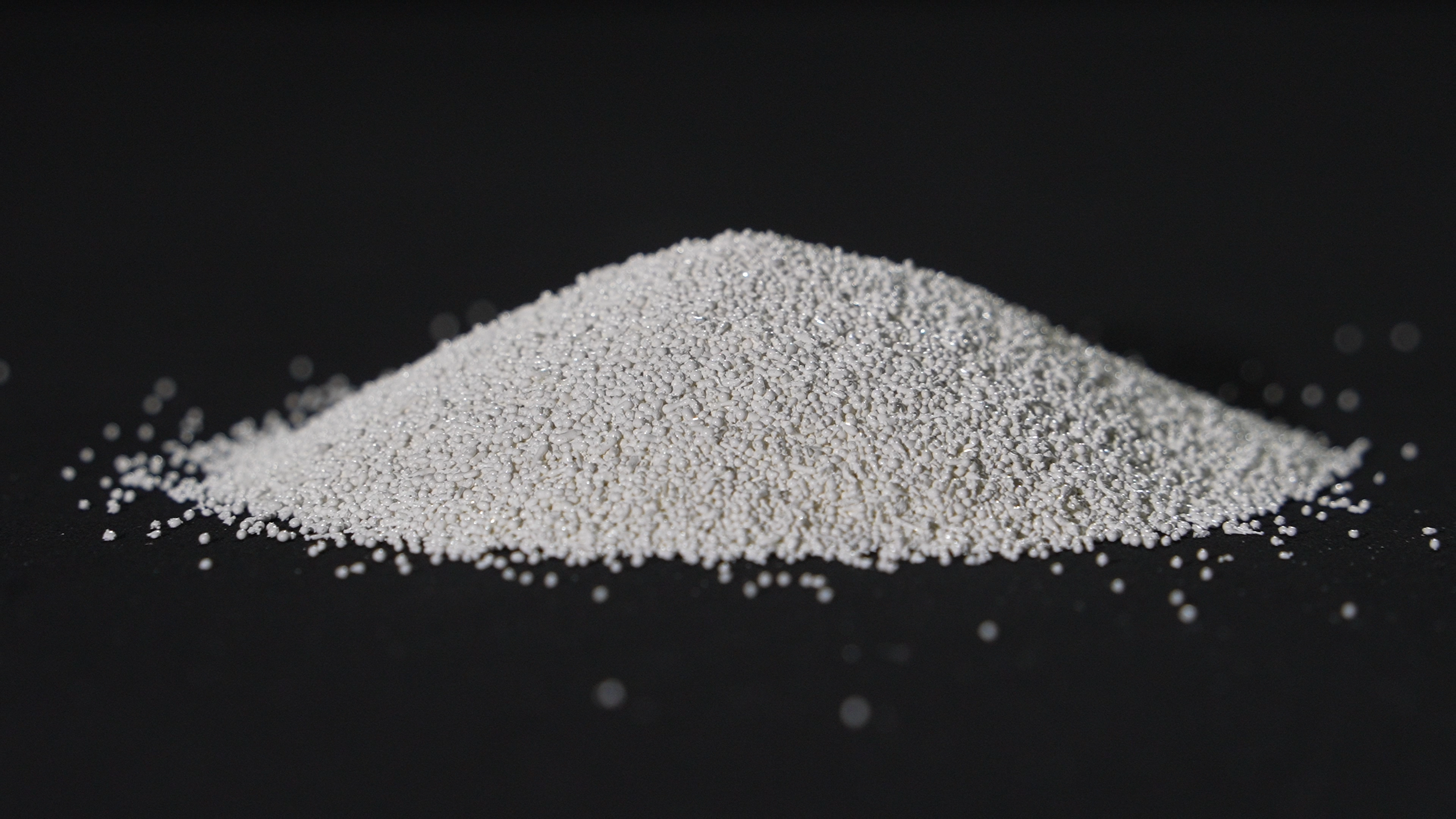
Garnet used as an abrasive is a group of naturally occurring silicate minerals (mainly varieties of almandine and andradite). Industrial garnet deposits are mined and processed—crushed, screened and sometimes washed—to produce standardized abrasive grades suitable for dry blasting and wet blasting (including waterjet cutting). Garnet is valued for its relatively high hardness (typically Mohs ~6.5–7.5), angular particle shape after crushing, and good fracture resistance—properties that make it efficient at cutting while producing lower dust compared with many slag or recycled abrasives.
Key mineralogical/compositional notes
Typical garnet abrasives are predominantly alumino-silicates with chemical signatures such as Fe₃Al₂(SiO₄)₃ (almandine) and Ca₃Fe₂(SiO₄)₃ variants. Physical and chemical composition can vary by deposit; high quality blasting garnet is largely inert and non-reactive with most substrates and coatings.
2. Physical & mechanical properties
Below are the common technical properties that specify garnet performance in blasting operations:
| Property | Typical Value / Range | Practical Impact |
|---|---|---|
| Твердость по Моосу | 6.5 – 7.5 | Good cutting ability without the extreme wear of ceramic/oxide abrasives |
| Насыпная плотность | ~3.4 – 3.9 g/cm³ | Heavier particles deliver stronger momentum at a given velocity |
| Форма частиц | Angular / sub-angular (after crushing) | Angular profile increases cutting efficiency and anchor profile formation |
| Water solubility / chemical inertness | Low solubility | Suitable for wet blasting and does not introduce reactive residues |
| Crush resistance | Good—less generation of fines vs. softer recycled abrasives | Enables limited recyclability, consistent performance |
3. Garnet grades and grit sizes
Garnet abrasives are supplied in industry standard grades defined by mesh or sieve sizes. Choosing the correct grade is essential for achieving the desired surface profile (anchor pattern) and process efficiency.
| Common Grade Name | Mesh / Grit Range (approx.) | Particle Diameter (µm) | Typical Uses |
|---|---|---|---|
| Garnet 16/30 | 16–30 mesh | ~1180 – 600 µm | Heavy scale and mill scale removal, thick paint stripping |
| Garnet 30/60 | 30–60 mesh | ~600 – 250 µm | General structural steel prep, ship maintenance |
| Garnet 80/120 | 80–120 mesh | ~180 – 125 µm | Light cleaning, feathering before repainting, fine finishing |
| Garnet 120/200 | 120–200 mesh | ~125 – 75 µm | Surface finishing, delicate cleaning, precision work |
Selection rule of thumb: coarse grades (lower mesh numbers) are used where high removal rates are required and a deeper surface profile is acceptable; finer grades are selected for finishing, precision cleaning, or where minimal substrate removal is needed.
4. Performance characteristics in blasting operations
Garnet offers a set of balanced attributes that determine in-process performance:
- Cutting efficiency: garnet’s angular particles cut effectively through coatings and corrosion, often with fewer passes than softer recycled abrasives.
- Lower dust production: compared to many slag or crushed glass products, garnet tends to produce less respirable dust due to its crush resistance and larger fraction content.
- Limited recyclability: garnet can be reclaimed in closed-loop systems and reused several cycles (often 2–5 cycles depending on conditions) before fines reduce effectiveness.
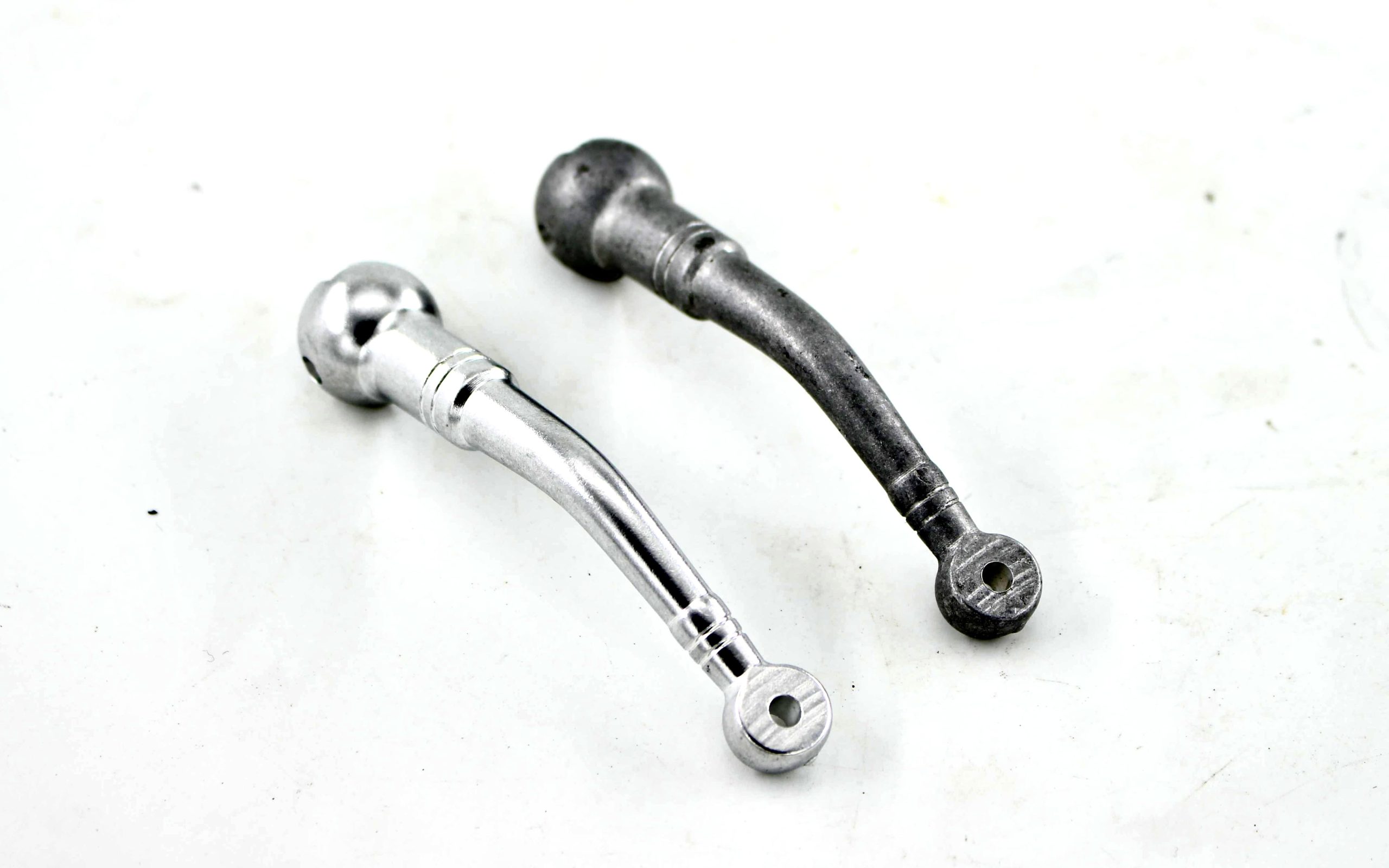
- Consistent anchor profile: produces predictable surface roughness that helps coating adhesion; profile depth can be tuned by grade and pressure.
- Compatibility with wet blasting and waterjet cutting: garnet performs well in slurry or wet blast systems because it is chemically inert and non-reactive.
5. Recommended operating parameters & process tips
Effective and repeatable results with garnet depend on controlling several process variables. The table below provides typical starting values; always validate on a test coupon and adjust to your specific equipment and substrate.
| Параметр | Typical Range | Notes |
|---|---|---|
| Blast pressure (dry, nozzle) | 60–120 psi (4.1–8.3 bar) | Lower end for fine grades/soft substrates; higher for coarse grades/heavy coatings |
| Nozzle size | 3/8″ – 3/4″ (10–19 mm) | Match to compressor CFM and media flow requirements |
| Stand-off distance | 12–36 inches (300–900 mm) | Closer distance increases profile depth and removal rate |
| Traverse speed | Variable | Maintain uniform speed and overlap to ensure consistent profile |
| Media feed rate | Set per equipment spec | Balance feed rate with pressure for even blasting |
Process tip: For critical coating work, measure the surface profile with a comparator or profilometer after a test pass. Aim for the surface profile specified by your coating system (for many industrial coatings 50–75 µm / 2–3 mils is typical).
6. Major industrial applications
Garnet’s combination of cutting power and environmental friendliness makes it widely used across sectors:
6.1 Marine & Shipbuilding
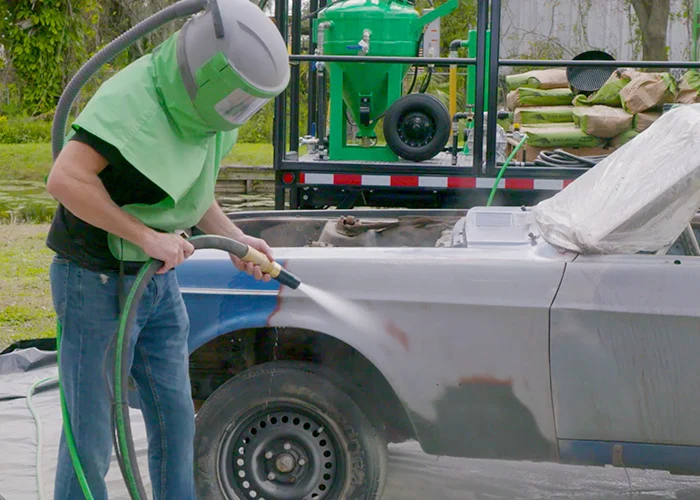
Garnet is a common choice for ship hull cleaning and maintenance. Its low dust generation simplifies containment and cleanup in dockside and dry-dock environments, and its anchor profile supports long-life marine coatings.
6.2 Structural Steel & Bridge Rehabilitation
For bridges, buildings and storage tanks, garnet provides efficient coating removal and surface profiling with fewer secondary pollution concerns than slag abrasives.
6.3 Waterjet Cutting
One of the largest uses of garnet is as a cutting abrasive in high-pressure waterjet systems. Fine, consistent garnet grades enable precise cutting of metals, composites, stone and glass.
6.4 Petrochemical and Tank Cleaning
Garnet is often selected for on-site tank and vessel cleaning where control of dust and spent abrasive is critical to environmental compliance.
6.5 Surface Finishing and Restoration
Finer garnet grades enable satin finishes, feathering and delicate restoration work on architectural metalwork and historic fabric.
7. Safety, health and environmental considerations
Although garnet is relatively benign compared with silica-bearing sand or some industrial by-products, safe handling and environmental controls are essential.
Health & PPE
- Respiratory protection: use appropriate respirators (e.g., NIOSH approved P100 or supplied-air systems) in enclosed or poorly ventilated spaces.
- Eye and face protection: full blast helmet or face shield plus safety goggles where needed.
- Hearing protection: blasting is noisy — use ear protection.
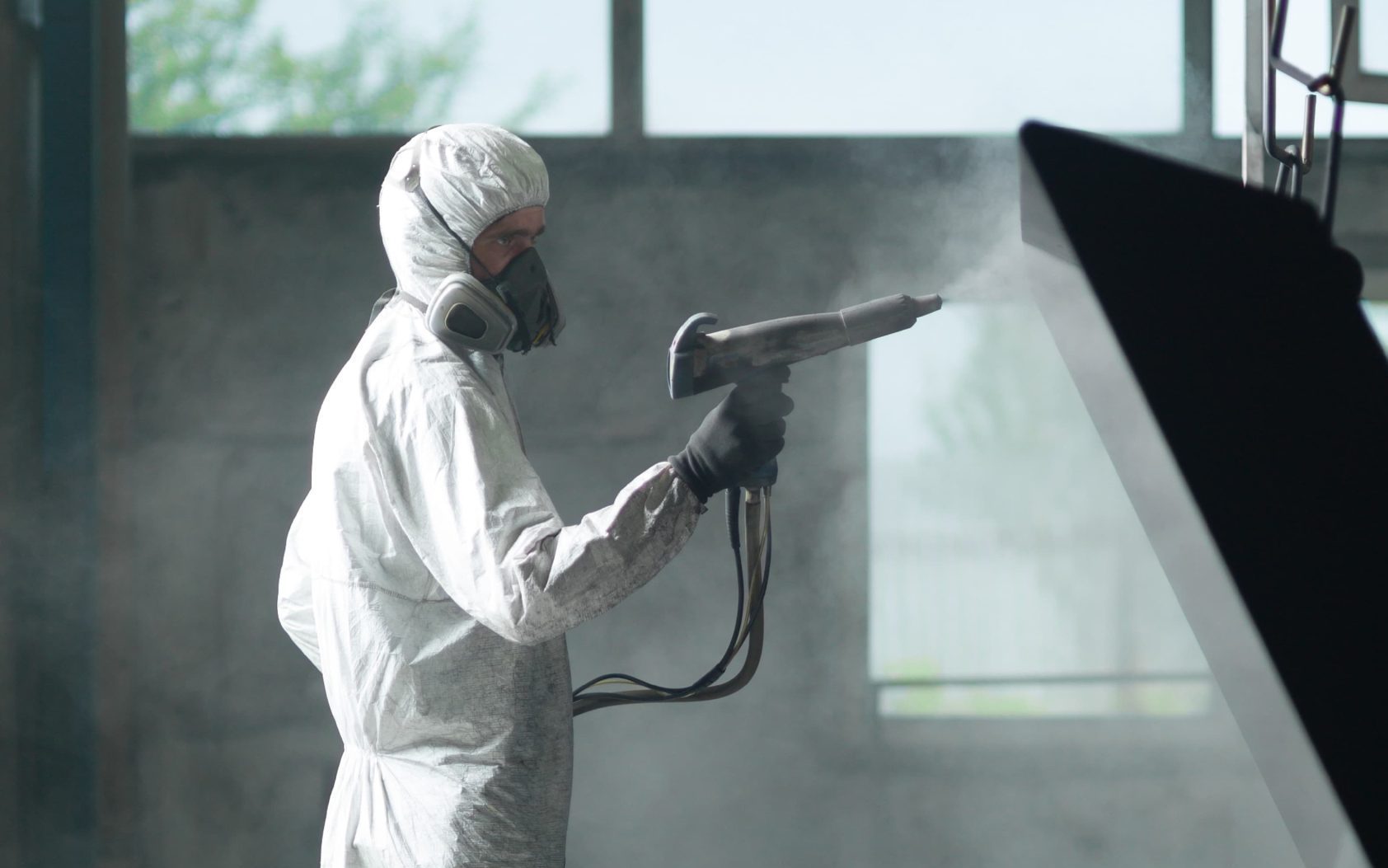
- Protective clothing: gloves, coveralls and boots to prevent skin abrasion and contamination.
Dust and containment
Use local exhaust ventilation (LEV), dust collectors with HEPA filtration for indoor work, and physical containment for outdoor jobs to control emissions. Wet blasting or water suppression may be used where permitted to reduce airborne dust.
Environmental profile
Garnet is non-toxic and chemically inert; it does not leach hazardous constituents under normal conditions. Spent garnet contaminated with paint or hazardous residues should be tested and disposed of according to local environmental regulations.
8. Comparative analysis: Garnet vs. Aluminum Oxide vs. Crushed Glass
The following concise comparison highlights where garnet fits relative to two other common abrasives:
| Characteristic | Гранат | Оксид алюминия | Crushed Glass |
|---|---|---|---|
| Hardness (Mohs) | ~6.5–7.5 | ~9 | ~5–6 |
| Образование пыли | Низкий | Low–Medium | Medium |
| Reusability | 2–5 cycles (moderate) | High (many cycles) | Low (breaks down) |
| Cost | Medium | Высокий | Низкий |
| Best use | Marine, structural, waterjet | Precision, heavy removal, long life | Recycled, economical cleaning |
Key takeaway: garnet is often the best compromise when you need good cutting performance, lower dust, moderate recyclability and an acceptable cost—especially in marine and structural environments. Aluminum oxide is preferred for high-precision or very aggressive jobs where reusability and hardness outweigh cost; crushed glass is chosen primarily where recycled content and lower upfront cost are prioritized but you accept higher breakdown and dust.
9. Testing, validation and quality control
Before committing to a full production run, perform small scale validation tests:
- Test coupon blasting: Select representative substrate samples and perform controlled test passes using the chosen garnet grade and operating parameters.
- Measure anchor profile: Use a profilometer or comparison chart to record the surface profile (µm or mils).
- Conduct adhesion tests: Apply the intended coating and perform pull-off or tape tests per the coating manufacturer’s guidelines.
- Analyze spent abrasive: For closed-loop systems, evaluate fracture rate and fines generation to estimate reclamation life and total consumption.
- Environmental check: Sample airborne particulates during the test to verify that dust control meets workplace exposure limits.
10. Buying considerations and specification checklist
When sourcing garnet abrasive, specify the following to ensure consistent performance:
- Grade / mesh size (e.g., 30/60, 80/120).
- Particle size distribution (percentage retained on each sieve).
- Bulk density and specific gravity.
- Moisture content (keep < 1% for reliable feed).
- Crush strength / friability data (if available).
- Source deposit and processing claims (washed, dried, screened).
- Certificates: material safety data sheet (MSDS), chemical analysis and any environmental compliance documentation.
- Packaging options: 25 kg bags, bulk bags, or bulk truckload shipments.
Cost analysis should include purchase price per ton, expected consumption rate, reclamation potential, disposal costs for spent abrasive, and labor/time savings due to improved productivity or reduced cleanup.
11. FAQ — quick answers
Q — Is garnet safe to use compared with silica sand?
A — Yes. Properly processed garnet contains negligible free crystalline silica compared to mined silica sand. However, blasting with garnet still generates respirable dust, so use appropriate PPE and dust controls.
Q — Can garnet be reused?
A — Yes. In closed-loop systems garnet can often be reclaimed for multiple cycles (commonly 2–5 cycles) depending on grade and job severity. Reclamation extends lifetime but requires screening and removal of fines.
Q — What garnet grade is best for ship hulls?
A — 30/60 is commonly used as a good balance for ship maintenance; coarser grades (16/30) are used for very heavy scale or thick coatings. Always verify anchor profile requirements for your coating system.
12. Conclusion
Garnet sandblasting media is a robust, versatile abrasive that provides an excellent balance of cutting performance, environmental friendliness, and process control—making it a top choice for marine maintenance, structural steel preparation, waterjet cutting and many finishing tasks. By specifying the right grade, controlling operating parameters, and performing validation tests, you can achieve predictable surface profiles, high coating adhesion and efficient job completion while minimizing dust and environmental impact.
For an overall comparison of abrasives and further guidance on grit selection and process optimisation, visit our pillar resource: The Ultimate Guide to Sandblasting Media, and see related deep dives such as Aluminum Oxide Sandblasting Media и Crushed Glass Sandblasting Media.
© Technical content provided for informational and planning purposes only. Always follow supplier datasheets, coating manufacturer recommendations, and applicable workplace safety and environmental regulations when selecting and using blasting abrasives.
Фильтры