Garnet Abrasive Blast Media: Grades, Specs & Selection Made Simple
A complete, engineer-focused guide to choosing, specifying and sourcing garnet abrasive blast media — from mesh sizes and surface profile to recyclability, waterjet use and bulk export. Backed by consistent factory-graded supply from Jiangsu Henglihong Technology Co., Ltd.
What Garnet Abrasive Blast Media Is
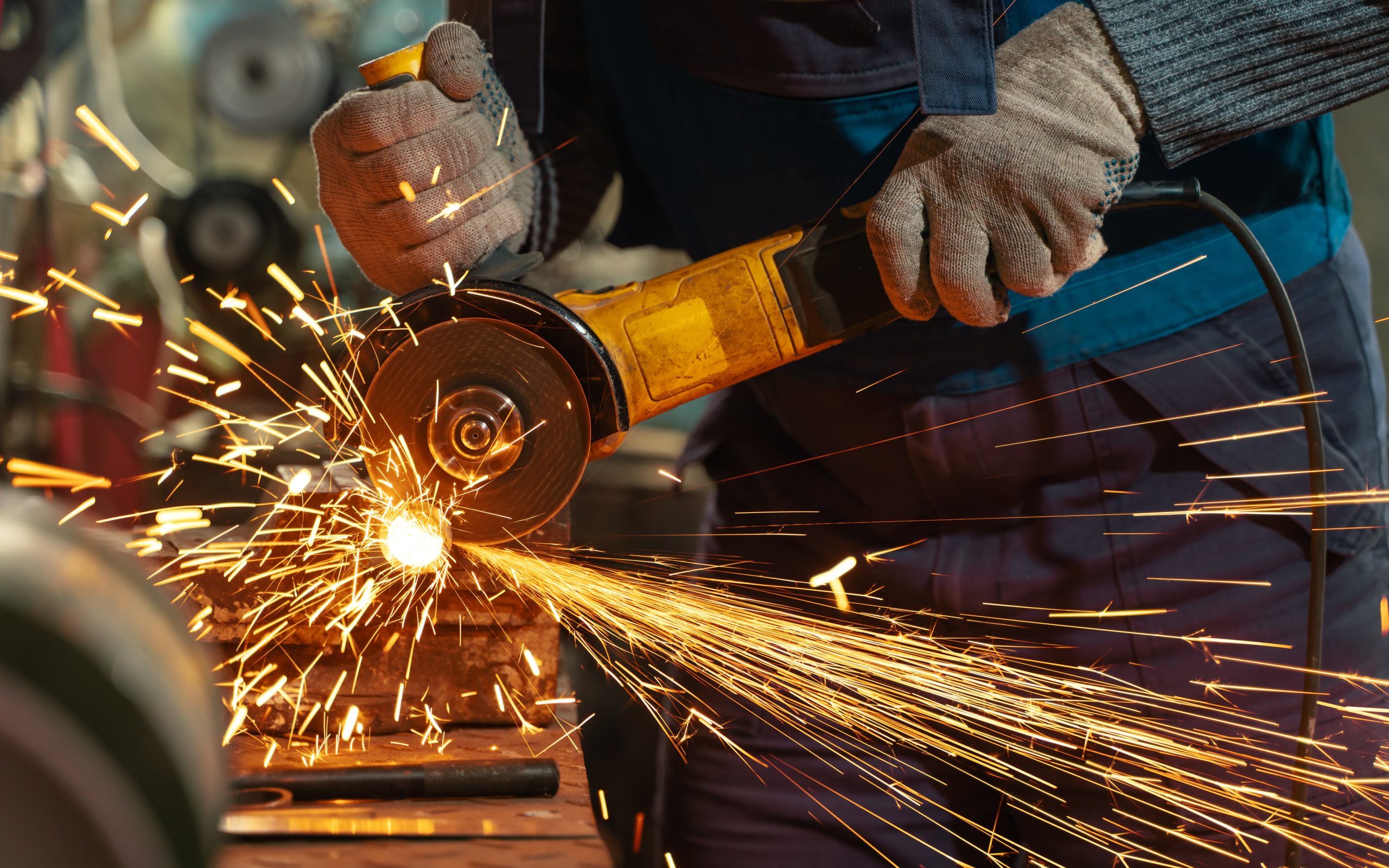
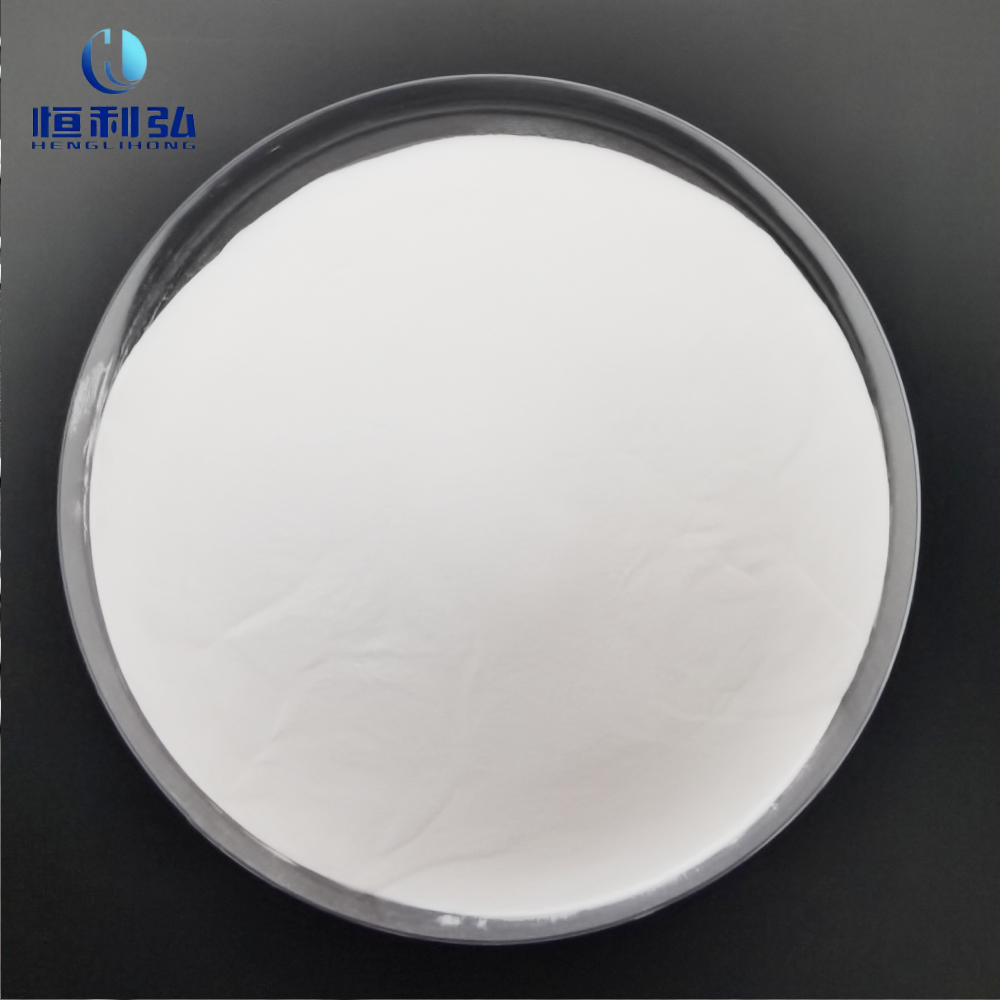
Garnet abrasive blast media is a natural mineral abrasive made from crushed and graded almandine garnet — a hard, dense iron-aluminium silicate prized across surface-preparation industries for its sharp, angular grains and exceptionally low dust generation. When propelled through a blast nozzle by compressed air, water or a slurry, garnet grit cuts away rust, mill scale, old coatings and contamination while leaving behind a clean, uniform anchor profile ready for paint or protective coatings.
Unlike many mined blasting sands, garnet contains virtually no free crystalline silica, so it does not carry the silicosis risk associated with silica sand. It is chemically inert, non-toxic and recyclable, which is why it has become the preferred abrasive for shipyards, fabricators, oil-and-gas contractors and precision finishing shops worldwide. If you are new to the material, our primer on what garnet blasting media is, its properties, types and uses covers the fundamentals in more depth.
This guide brings together everything a buyer, coatings inspector or blasting operator needs in one place: physical specifications, the full mesh-size range, surface-profile data, real-world applications, a head-to-head comparison with other abrasives, and practical guidance on consumption, recycling and bulk procurement.
Why Choose Garnet as a Blasting Abrasive
Garnet earns its place in demanding blast yards because it balances aggressive cutting power with operator safety and long-term economy. The headline reasons specifiers switch to it are summarised below.
Fast, Clean Cutting
High density and sharp, sub-angular grains deliver rapid coating and scale removal at lower air pressures, reducing both blast time and operator fatigue.
Low Dust, Better Visibility
Garnet breaks down far less than slag or silica sand, so operators keep clear sight lines, cleanup is quicker and respirable dust stays low.
Silica-Safe
With free crystalline silica typically below 1%, garnet sidesteps the silicosis hazard of mined sand — a key reason for its growing regulatory acceptance.
Recyclable & Economical
Coarse and medium grades can be reclaimed and reused several times in dry systems, lowering cost per square metre over a project.
Safety is the single most common driver behind the move away from silica sand. We unpack the data, exposure limits and regulatory background in our dedicated article on whether garnet blasting media is safe and the free-silica and silicosis facts behind the claims.
Technical Specifications & Properties
The performance of garnet abrasive blast media comes directly from its physical and chemical makeup. The table below lists the typical values for the almandine garnet grit supplied by Jiangsu Henglihong Technology Co., Ltd. Exact figures vary slightly by grade and batch, and a certificate of analysis is available on request.
| Property | Typical Value | Why It Matters |
|---|---|---|
| Mineral type | Almandine garnet (Fe₃Al₂Si₃O₁₂) | Tough, durable silicate ideal for blasting |
| Mohs hardness | 7.5–8.0 | Cuts steel and scale without shattering on impact |
| Specific gravity | 3.9–4.1 g/cm³ | High mass per grain drives fast, deep cutting |
| Насыпная плотность | ~2.3 g/cm³ (≈145 lb/ft³) | Efficient energy transfer at the surface |
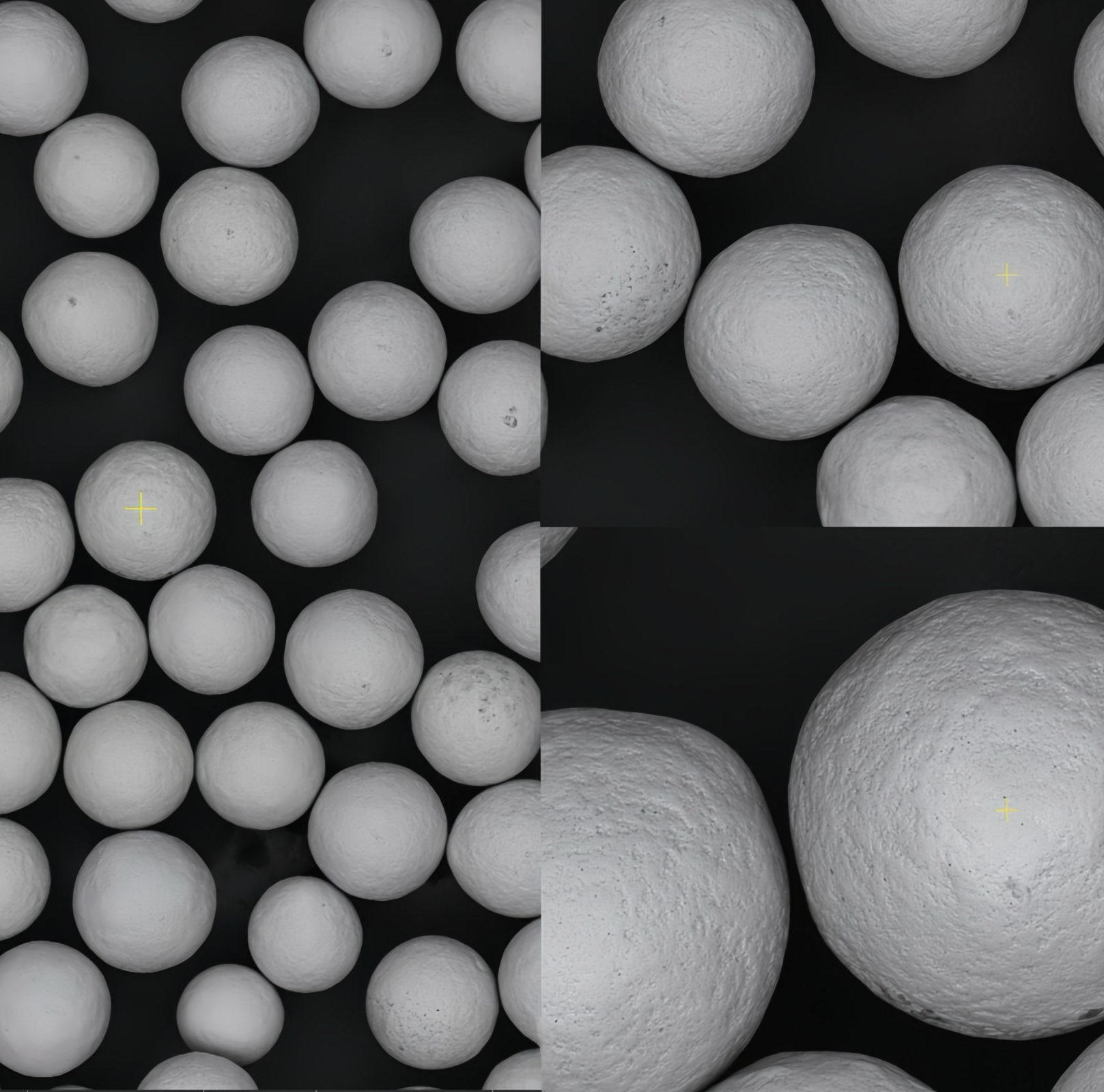
| Grain shape | Angular / sub-angular | Sharp edges create a consistent anchor profile |
| Colour | Pink to reddish-brown | Characteristic of natural almandine |
| Free crystalline silica | < 1% | Minimises silicosis risk vs silica sand |
| Chloride content | < 25 ppm (low) | Reduces flash rust and coating failure |
| Moisture | < 0.5% | Free-flowing, consistent metering |
| Температура плавления | ~1250 °C | Resists fracturing, supports reuse |
| Conductivity | Низкий | Suits coating-critical and offshore work |
Buyer tip: Low chloride and low conductivity matter most on offshore, marine and tank-lining work, where soluble-salt contamination is a leading cause of premature coating failure. Always confirm these figures on the certificate of analysis before approving a supplier.
Garnet Mesh Sizes & Grades
Choosing the right mesh size is the most important decision in any garnet blasting job. Coarser grades cut faster and create a deeper profile; finer grades produce more impacts per area, a smoother finish and a tighter profile. The standard grades stocked for blasting and waterjet cutting are shown below.
| Grade (mesh) | Classification | Typical Profile | Best For |
|---|---|---|---|
| 20/40 | Coarse | 3.5–4.5 mil (90–115 µm) | Heavy mill scale, thick coatings, deep profile |
| 30/60 | Medium — industry standard | 2.5–3.5 mil (65–90 µm) | General-purpose surface prep on steel |
| 80 | Fine | 1.5–2.5 mil (40–65 µm) | Thin coatings, smoother finish, waterjet |
| 120 | Very fine | 1.0–2.0 mil (25–50 µm) | Non-ferrous, stainless, precision parts |
| 150 | Ultra-fine | < 1.0 mil (< 25 µm) | Delicate substrates, matte/etch finishes |
For most steel surface-preparation work, a 30/60 medium grade is the default choice and the one specifiers reach for first. Where substrate damage is a concern — on aluminium, stainless steel, titanium or glass — an 80 or 120 mesh grade protects the surface while still cleaning effectively. To match a grade precisely to your profile and application, walk through our garnet mesh size chart and how to choose the right grade.
Surface Profile & Cleanliness Standards
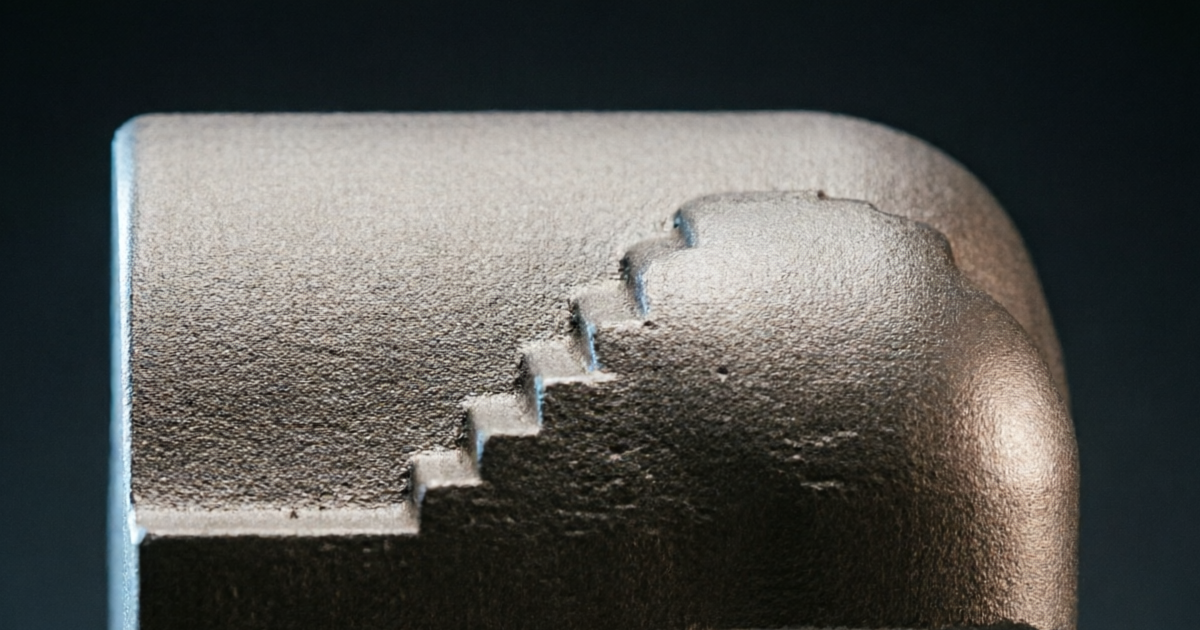
The whole point of abrasive blasting is to produce a surface that a coating can grip. Two things define that result: the cleanliness standard (how much rust, scale and contamination is removed) and the anchor profile (the peak-to-valley roughness measured in mils or microns).
Cleanliness is usually specified to international standards such as ISO 8501-1 (for example, Sa 2½ “near-white”) or the equivalent SSPC-SP 10 / NACE No. 2. The required anchor profile then depends on the coating system — thin films may need only 1.5–2.0 mil, while heavy-duty epoxies and thermal-spray systems can call for 3.0–4.0 mil or more.
Matching Garnet Grade to Profile
Because garnet grains are sharp, hard and consistent, the profile they produce is predictable and uniform — with fewer rogue peaks than slag or recycled abrasives. Larger grains drive deeper indentations; finer grains deliver more impacts per square foot, a higher peak density and a cleaner finish. Getting this match right directly affects coating adhesion and service life. Our garnet surface profile guide for achieving the right mils and microns shows how to dial in the exact result your coating specification demands.
Applications & Industries
Garnet abrasive blast media is genuinely versatile, serving everything from heavy marine fabrication to delicate restoration. The most common uses include:
- Shipbuilding & marine repair — hull preparation, ballast tanks and deck coatings, where low chloride and fast cutting are critical.
- Steel structures, tanks & bridges — mill-scale and rust removal ahead of heavy-duty protective coatings.
- Oil, gas & petrochemical — pipeline, vessel and offshore-platform maintenance.
- Stainless steel & non-ferrous parts — cleaning and matte finishing without embedding contamination.
- Waterjet cutting — precise cutting of metal, stone, glass and composites.
- Concrete, stone & restoration — coating removal and surface texturing.
Two sectors are worth singling out. Heavy fabrication and marine work place the toughest demands on an abrasive — our deep dive into garnet blasting for shipbuilding and steel structures covers the relevant standards and grade selection. For high-pressure cutting rather than surface prep, see our guide to garnet for waterjet cutting — grades, specs and benefits.
Dry, Wet & Waterjet Use
Garnet performs across all three major delivery methods, and the right choice depends on dust control, recovery and the substrate.
Dry blasting
The traditional pressure-pot method, ideal for open yards and blast rooms where the abrasive can be recovered and recycled. It gives the fastest production rates and the lowest cost per cycle when reclaim systems are in place.
Wet (slurry) blasting
Water is introduced to suppress dust dramatically, making garnet suitable for built-up areas, refineries and sites with strict environmental limits. Wet blasting also reduces heat and static, though the abrasive is typically used once.
Waterjet cutting
Here garnet is mixed into a high-pressure water stream to cut, rather than clean. Tightly graded 80 and 120 mesh grades give clean, precise edges on metal, glass and stone.
Deciding between dry and wet methods affects dust, recovery and cost in equal measure — our comparison of dry vs wet garnet blasting and which method you should use lays out the trade-offs in detail.
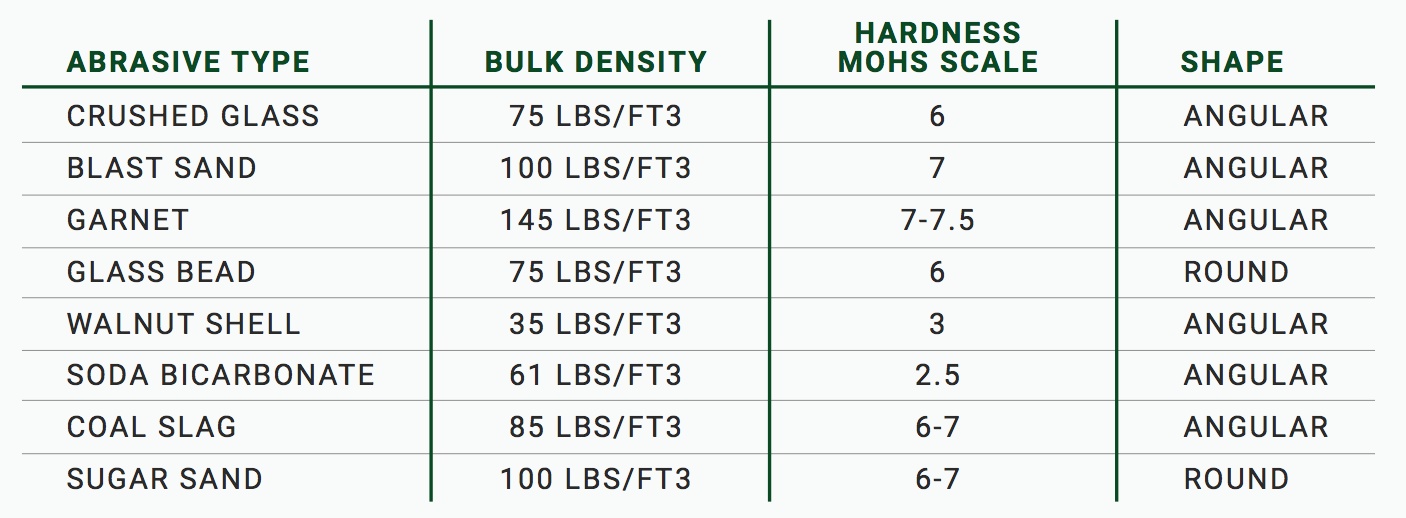
Garnet vs Other Blasting Media
How does garnet stack up against the alternatives a buyer is likely to weigh? The quick comparison below highlights where each medium wins — with links to full head-to-head breakdowns.
| Medium | Пыль | Recyclable | Silica Risk | Best Use |
|---|---|---|---|---|
| Гранат | Низкий | Yes (3–5×) | Very low | Balanced cutting + safety |
| кварцевый песок | Высокий | No | Высокий | Low-cost, low-spec work |
| Aluminium oxide | Низкий | Yes | Нет | Hardest, most aggressive etch |
| Coal / copper slag | Высокий | No | Low–varies | Single-use, lowest upfront cost |
Each choice involves real trade-offs in safety, finish and total cost. Explore the full comparisons here:
Consumption, Recycling & Cost
Garnet usually costs more per tonne than slag or sand, yet it frequently wins on total cost of ownership. The reason is twofold: it cuts faster, so you cover more area per hour, and the right grades can be recovered and reused several times in dry systems.
Consumption depends on nozzle pressure, abrasive flow, surface condition and the profile you need — but as a rule, garnet’s high cutting speed and lower breakdown mean less abrasive is consumed per square metre than with softer, single-use media. To estimate volumes and budget accurately, use our walk-through of garnet consumption rate and cost — how much do you need.
Recyclability is where the economics really shift in garnet’s favour on enclosed jobs. With a reclaim and classification system, coarse and medium grades typically deliver three to five usable cycles before the grain breaks down too far. We explain the mechanics and the savings in is garnet recyclable — reuse cycles and cost savings explained.
Packaging, Quality Control & Export
For international buyers, consistent grading and reliable logistics matter as much as the abrasive itself. Jiangsu Henglihong Technology Co., Ltd. supplies garnet blast media in packaging formats built for both small operators and large contractors:
- 25 kg / 55 lb bags — convenient handling for cabinets and small crews.
- 1,000–1,500 kg bulk bags (super sacks / FIBC) — the standard for blast yards and projects.
- Palletised skids & full-container loads — optimised for sea-freight export economics.
Every shipment is graded to the requested mesh specification, with moisture, chloride and size-distribution checks supported by a certificate of analysis. Whether you are sourcing a trial pallet or planning recurring container orders, our guide to garnet blasting media suppliers — sourcing and bulk export covers what to ask, how to evaluate quality and how to structure an export order.
Why Buy Garnet From Henglihong
Jiangsu Henglihong Technology Co., Ltd. is a Chinese manufacturer and exporter of abrasive blasting media, supplying garnet grit and related abrasives to surface-preparation, marine, fabrication and waterjet customers worldwide. Our focus is straightforward: consistent grading, dependable documentation and packaging engineered for export.
Buyers work with us because we keep the full mesh range in stock, batch-test to specification, and support trial samples before committing to volume — making it easy to qualify our material against your coating or cutting requirements. As of June 2026 we continue to expand our overseas distribution and export capacity to shorten lead times for international projects.
Часто задаваемые вопросы
What is garnet abrasive blast media used for?
It is used to remove rust, mill scale, old coatings and contamination and to create a clean anchor profile for paint and protective coatings. Common applications include shipbuilding, steel structures, oil-and-gas maintenance, stainless and non-ferrous finishing, and waterjet cutting.
Which garnet mesh size should I choose?
For general steel surface preparation, 30/60 medium grade is the industry standard. Use coarser 20/40 for heavy scale and a deep profile, and finer 80 or 120 mesh for thin coatings, non-ferrous metals, stainless steel or a smoother finish.
Is garnet safer than silica sand?
Yes. Garnet typically contains less than 1% free crystalline silica and produces far less dust, so it avoids the silicosis risk associated with silica sand while keeping operator visibility high.
Can garnet blasting media be recycled?
Yes. In dry blasting systems with reclaim and classification, coarse and medium garnet grades can usually be reused three to five times before the grain breaks down, lowering the cost per square metre.
What surface profile does garnet produce?
Profile depends on grade: roughly 3.5–4.5 mil for 20/40, 2.5–3.5 mil for 30/60, 1.5–2.5 mil for 80 mesh and 1.0–2.0 mil for 120 mesh. Garnet produces a uniform profile with few rogue peaks.
How is garnet packaged for export?
Henglihong supplies 25 kg / 55 lb bags, 1,000–1,500 kg bulk bags (super sacks) and palletised skids, packed for full-container sea freight with a certificate of analysis for each shipment.
How do I request a quote or a sample?
Contact Jiangsu Henglihong Technology Co., Ltd. with your required grade, quantity and destination port. We provide pricing, lead time and a trial sample so you can qualify the material before placing a bulk order.
Get Factory-Graded Garnet for Your Next Project
Tell us your grade, volume and destination port — we’ll send pricing, lead time and a free sample so you can test the material with confidence.
Фильтры