Sandblasting Abrasive Storage & Handling Guide
Improper storage and handling of blasting abrasives degrades media performance, accelerates consumption, compromises blasted surface quality, and can create safety hazards. Complete guide to receiving, storing, and handling all major abrasive media types to maintain specification compliance and maximise shelf life.
Receiving Inspection
A brief but systematic receiving inspection when abrasive media arrives from the supplier prevents costly problems later — from discovering damaged bags at the bottom of a pallet only when the project is already underway, to identifying substituted product grades before they are loaded into blasting equipment. The following check takes 10–15 minutes and should be performed on every delivery.
- Count and verify quantity — confirm pallet count and bag count match the packing list and purchase order. Discrepancies must be noted on the delivery receipt before the carrier leaves.
- Inspect packaging integrity — check all bags for tears, moisture damage (darkening, clumping visible through kraft paper), crushed corners, or open seams. Damaged bags should be segregated and documented for supplier claim.
- Verify product identification — confirm bag labels match the ordered product: media type, grade, grit size, and lot number. Photograph labels on at least 10% of bags for traceability records.
- Check for moisture or caking — for hygroscopic media (aluminum oxide fine grades, sodium bicarbonate, walnut shell), press the bag firmly — a properly stored, undamaged bag will give slightly under pressure; a caked or moisture-affected bag will feel hard and rigid.
- Retain quality certificates — match the lot numbers on delivered bags to the test report and SDS provided by the supplier. File in the project quality record.
Moisture: The Primary Storage Threat
Moisture is the most common cause of abrasive media performance degradation in storage. Its effects vary by media type but are universally negative:
Aluminum Oxide & Silicon Carbide
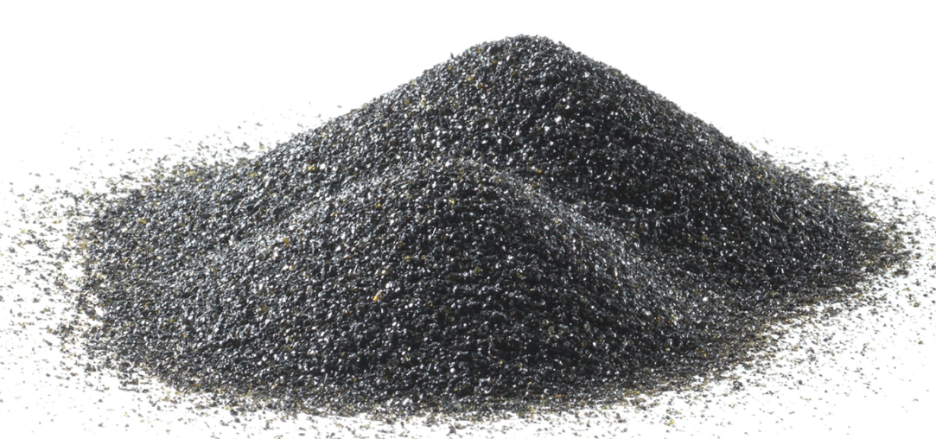
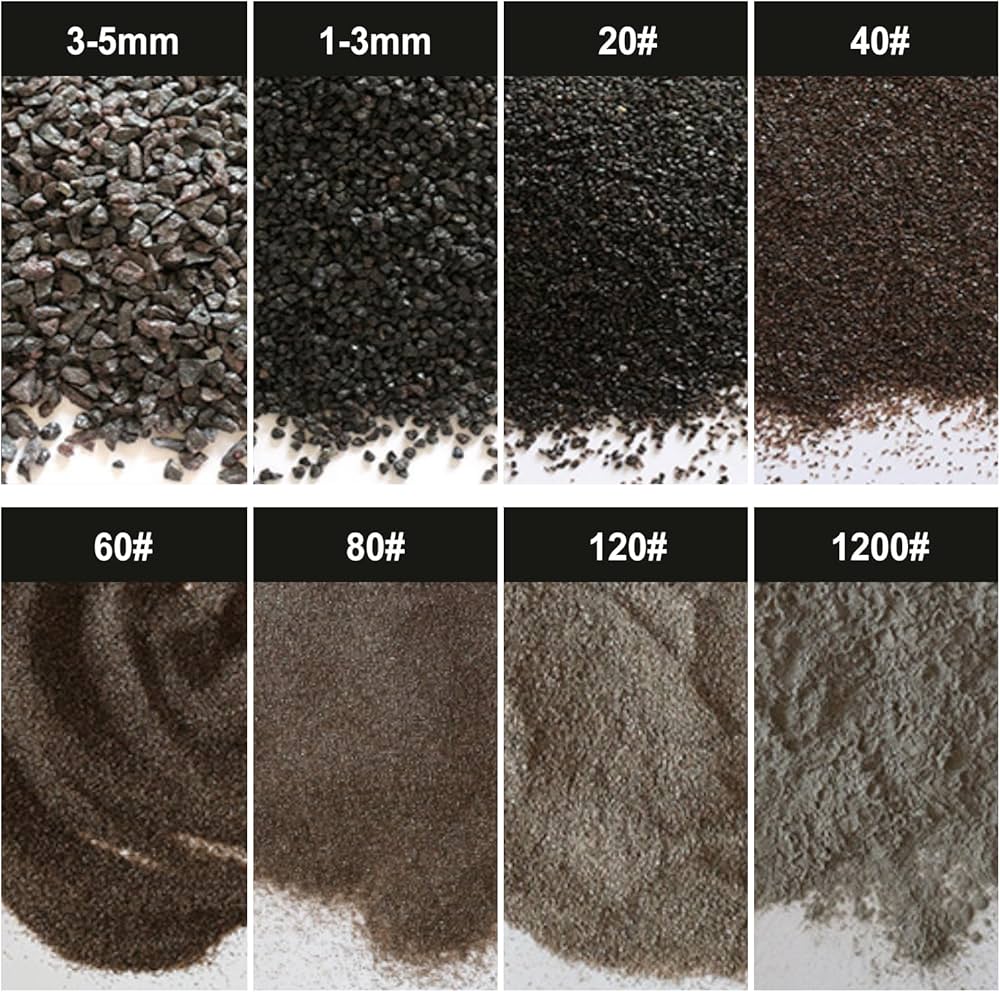
These mineral abrasives are not chemically reactive with water but moisture causes fine particles to agglomerate (cake) into hard lumps. Caked media blocks blast pots, metering valves, and nozzles, and the effective grit size of agglomerated particles is larger than specified — producing inconsistent surface profiles. Recovery: spread caked media in thin layers in a warm, dry environment; most will break down to usable particles. Severely caked media should be discarded.
Steel Grit & Steel Shot
Moisture causes surface oxidation (rusting) on steel media. Light surface rust on steel shot or grit is generally acceptable for blasting — the rust is removed in the first blast cycle and the underlying particle performance is unaffected. Heavy rust with deep pitting can cause media fracture during blasting. Metallic media stored in damp conditions for extended periods (over 6 months) should be inspected before use.
Walnut Shell & Organic Media
Organic abrasives are highly sensitive to moisture. Wet walnut shell swells, softens, loses cutting effectiveness, and is highly susceptible to mould and bacterial growth — creating hygiene and performance problems simultaneously. Wet organic media cannot be effectively dried and returned to specification. Prevention is the only practical approach: store in completely dry conditions and discard any bags that have been exposed to moisture.
Sodium Bicarbonate (Soda)
Soda blast media dissolves in water and must be kept completely dry throughout storage and handling. Even high humidity (above 70% RH) in the storage environment will cause surface dissolution and recrystallisation that changes particle size distribution and reduces blasting performance. Soda media requires the most stringent moisture protection of any common blasting abrasive.
Storage Requirements by Media Type
| Тип носителя | Storage Temperature | Max Relative Humidity | Special Requirements |
|---|---|---|---|
| Aluminum oxide (all grades) | Any (above freezing) | <75% RH | Off-ground on pallets; dry warehouse |
| Карбид кремния | Any (above freezing) | <75% RH | Same as aluminum oxide |
| Steel grit & steel shot | Any (above freezing) | <70% RH | Avoid condensation from temperature swings |
| Гранат | Any (above freezing) | <80% RH | Relatively robust; standard dry storage |
| Стеклянные бусины | Any (above freezing) | <80% RH | Avoid impact damage; fragile packaging |
| Coal slag / copper slag | Any (above freezing) | <80% RH | Standard dry storage; no special requirements |
| Walnut shell | 15–30°C preferred | <60% RH | Strict moisture exclusion; elevated storage |
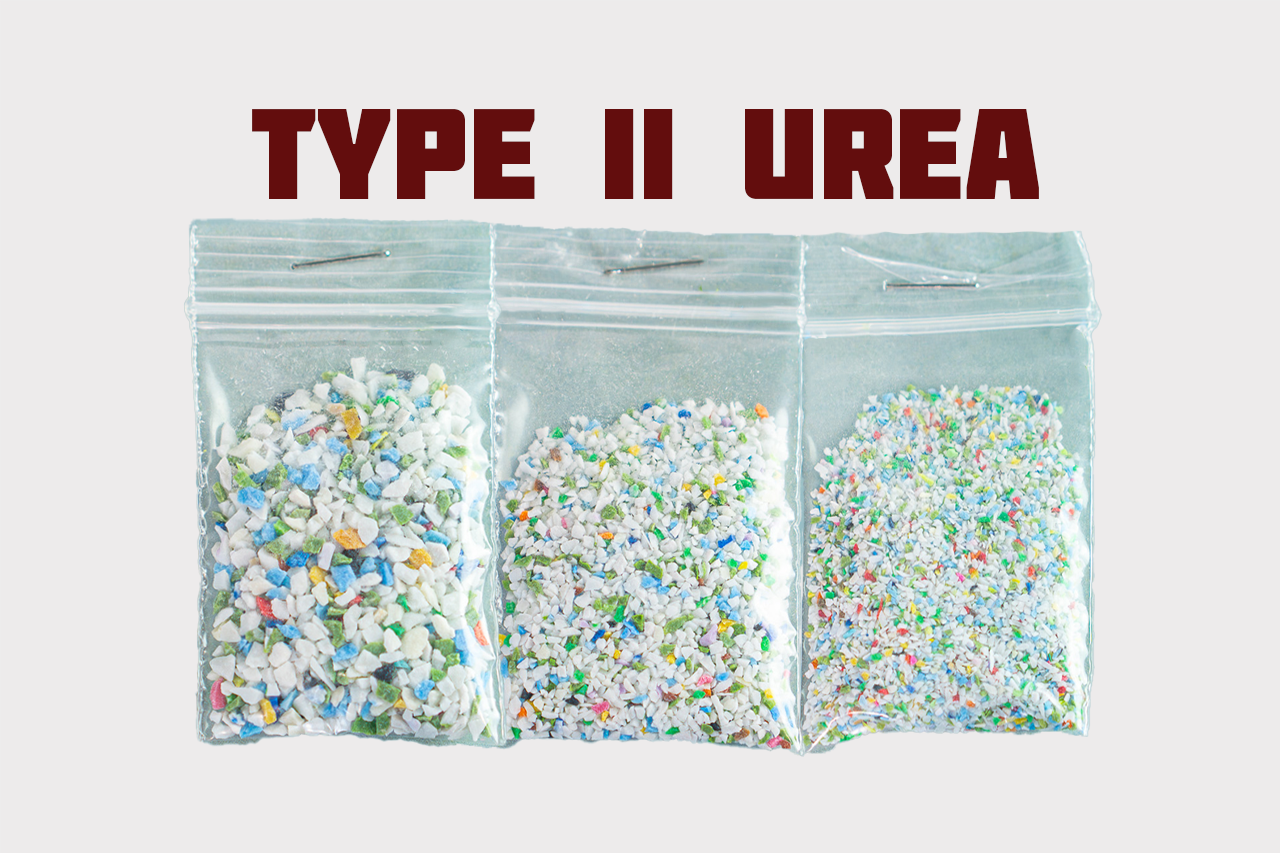
| Plastic blast media | Any (above freezing) | <70% RH | Avoid UV exposure; covered storage |
| Sodium bicarbonate | 15–25°C preferred | <50% RH | Hermetically sealed until use; climate-controlled storage preferred |
Universal requirements applicable to all abrasive media: store on pallets (never directly on floor); maintain separation from chemicals, oils, and solvents; ensure first-in, first-out (FIFO) rotation to prevent extended storage of older lots; and maintain clean, swept storage areas to prevent contamination of opened packaging.
Shelf Life Reference
| Тип носителя | Shelf Life (proper conditions) | Key Degradation Risk |
|---|---|---|
| Brown & White Aluminum Oxide | Indefinite (sealed packaging) | Moisture caking at fine grits |
| Карбид кремния | Indefinite (sealed packaging) | Moisture caking at fine grits |
| Steel Grit & Shot | 2+ years (dry storage) | Surface oxidation in humid conditions |
| Гранат | Indefinite (sealed packaging) | Minimal degradation risk |
| Стеклянные бусины | 5+ years (sealed packaging) | Package damage causing bead fracture |
| Coal Slag | 2+ years (dry storage) | Moisture absorption affects flow |
| Walnut Shell | 12–18 months (dry) | Moisture, mould, insect infestation |
| Plastic Blast Media | 3–5 years (UV-protected) | UV degradation of polymer structure |
| Бикарбонат натрия | 6–12 months (sealed, dry) | Moisture dissolution and recrystallisation |
Safe Handling Procedures
Abrasive blasting media handling involves ergonomic risks (25 kg bags are at the upper limit of single-person lifting guidelines) and dust exposure risks during bulk transfer operations. The following procedures address both:
- Manual bag handling: Use a team lift for 25 kg bags where mechanical handling is unavailable; ergonomic lifting technique (bend at knees, keep load close to body) reduces musculoskeletal injury risk in repetitive bag-handling operations
- Bulk transfer dust: When tipping bags into hopper or blast pot, position the bag on the hopper rim and slit the bottom — do not open the top and pour, which maximises airborne dust. RPE (P3 respirator minimum) is recommended for bulk media transfer, particularly for fine mineral abrasives
- Forklift operations: Pallet-mounted abrasive bags are typically 1,000 kg gross; confirm forklift rated capacity before lifting. Use appropriately rated pallet boards to prevent bag puncture from pallet splinters
- Jumbo bag (FIBC) handling: Confirm rated SWL of FIBC lifting loop before use; inspect for loop damage before each lift; never stack filled FIBCs without manufacturer approval for stacking load
- Spill management: Swept abrasive spillage should be collected and either returned to the media hopper (if uncontaminated) or disposed of as production waste. Never use compressed air to blow up abrasive spills — this creates significant airborne dust hazard
Contamination Prevention
Media contamination before use can compromise blasted surface quality in ways that are difficult or impossible to detect until coating failure occurs. Common contamination sources and prevention:
| Contamination Type | Risk | Prevention |
|---|---|---|
| Oil / hydrocarbon | Soluble salt equivalent on surface — coating adhesion failure | Keep media away from lubricants; inspect blast pot for oil carryover from compressor |
| Ferrous media in Al/Ti work | Galvanic corrosion, passivation failure on stainless steel | Dedicated equipment for each substrate type; never cross-contaminate media |
| Salt (chloride) | Osmotic blistering under marine coatings | Test media chloride content per SSPC AB-1; store away from coastal salt spray |
| Dust from other materials | Surface contamination affecting coating adhesion | Cover open hoppers and pots when not in use; clean storage area regularly |
| Lead from prior project | Hazardous waste contamination; worker exposure | Never reuse media from lead-paint blasting projects in non-lead applications |
Handling Recycled Media in Blast Systems
For blast rooms and cabinets using recyclable media, the working mix quality must be monitored and maintained to ensure consistent blasting results. Key practices:
- Perform regular working mix sieve analysis (weekly for high-volume operations) to monitor particle size distribution drift; add fresh media when the distribution falls below the lower quartile of the specified range
- Inspect separator (cyclone or air-wash classifier) condition and settings monthly; a separator operating below efficiency accumulates fines in the working mix faster, reducing effective particle size and increasing consumption
- Drain and inspect the blast pot magnetic separator (for metallic media) weekly to remove ferrous fines and prevent reintroduction to the blasting circuit
- Remove spent organic contamination (paint chips, rubber particles) from the working mix during each separator maintenance cycle — organic contamination reduces media bulk density and affects flow characteristics
- For media used on multiple substrate types, maintain separate working mix charges and equipment to prevent cross-contamination
ЧАСТО ЗАДАВАЕМЫЕ ВОПРОСЫ
Brown and white aluminum oxide have essentially indefinite shelf life when stored in sealed, undamaged packaging in dry conditions (below 75% relative humidity). The mineral itself is chemically inert and does not degrade over time. The only storage concern is moisture absorption in very fine grits (F220 and finer), which can cause caking. For coarser blasting grades (F12–F100), sealed bags stored off the ground in a dry warehouse can be stored without performance concern for several years. Inspect bags for moisture damage before use regardless of storage duration.
Short-term outdoor storage (days, not weeks) of garnet, coal slag, and coarse aluminum oxide in undamaged, sealed bags under a waterproof tarpaulin or container is acceptable in dry weather conditions. Metallic media, fine mineral abrasives, and all organic media should not be stored outdoors — temperature cycling causes condensation within packaging, moisture causes caking or oxidation, and UV degrades plastic bag liners. Indoor, roofed storage is strongly recommended for all media types to ensure specification compliance at the point of use.
Signs of storage compromise to check before use: (1) Caking — the bag feels rigid rather than conforming when pressed; pour a small amount onto a clean surface and check for lumps. (2) Moisture odour — damp or musty smell when bag is opened (particularly relevant for organic media). (3) Discolouration — unusual colour change compared to fresh media (steel media turning orange-red indicates significant oxidation). (4) Flow problems — media clumps in the blast pot or metering valve rather than flowing freely. Any of these signs warrant rejection of the affected bags and testing of the remainder of the lot before use in production blasting.
Source Fresh, Specification-Grade Abrasives from Jiangsu Henglihong Technology
All media shipped in new, sealed packaging with lot traceability. Quality inspection certificates provided with every shipment. International wholesale supply in 25 kg bags and 1,000 kg jumbo bags.
Фильтры