Plastic Sandblasting Media: Precision Cleaning for Aerospace and Automotive
Plastic sandblasting media has emerged as a preferred abrasive solution for industries requiring precision cleaning and delicate surface treatment. Unlike traditional mineral abrasives, plastic media offers a softer, non-metallic alternative that minimizes substrate damage while delivering consistent results. This makes it an ideal choice for aerospace, automotive, electronics, and other high-precision manufacturing environments. In this guide, we will explore the composition, properties, advantages, applications, equipment considerations, safety practices, and best practices for using plastic sandblasting media effectively.
What Is Plastic Sandblasting Media?
Composition and Types
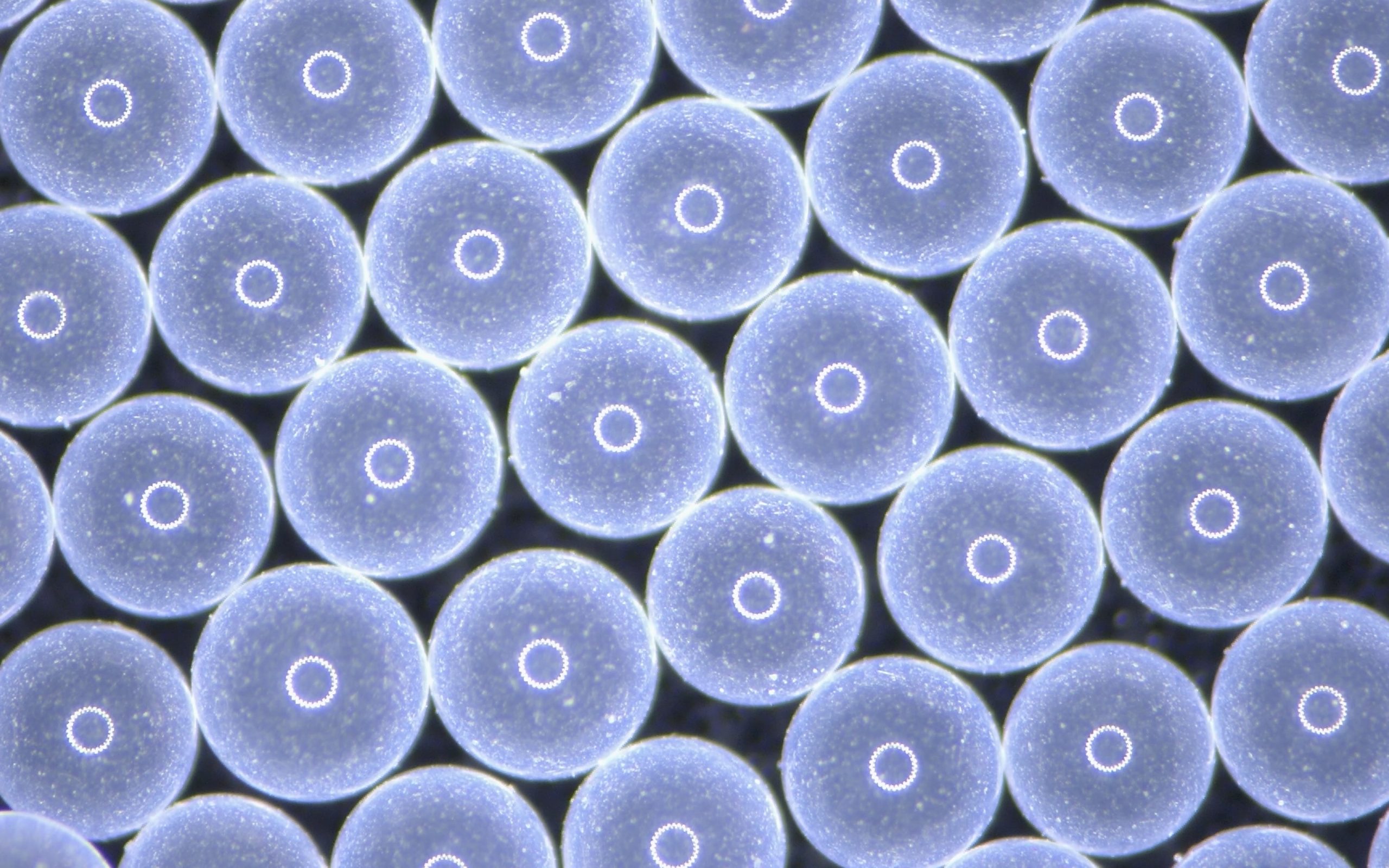
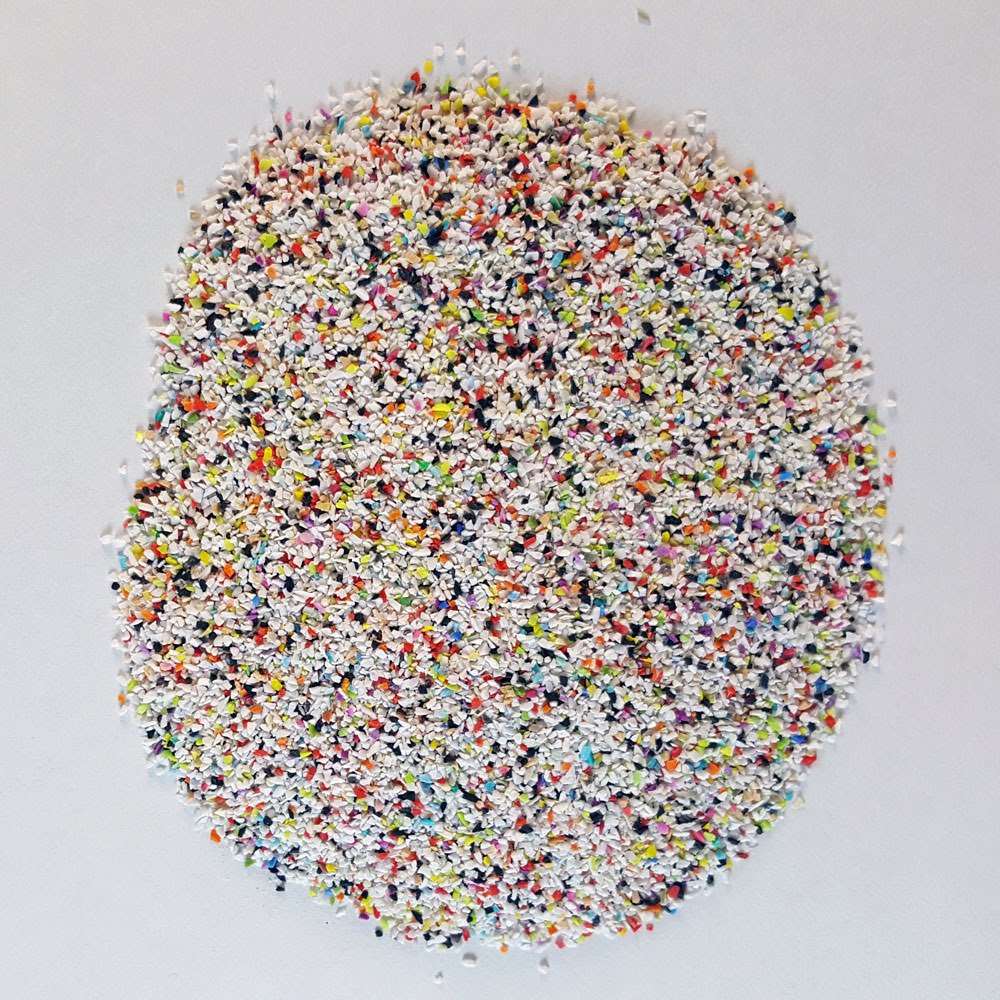
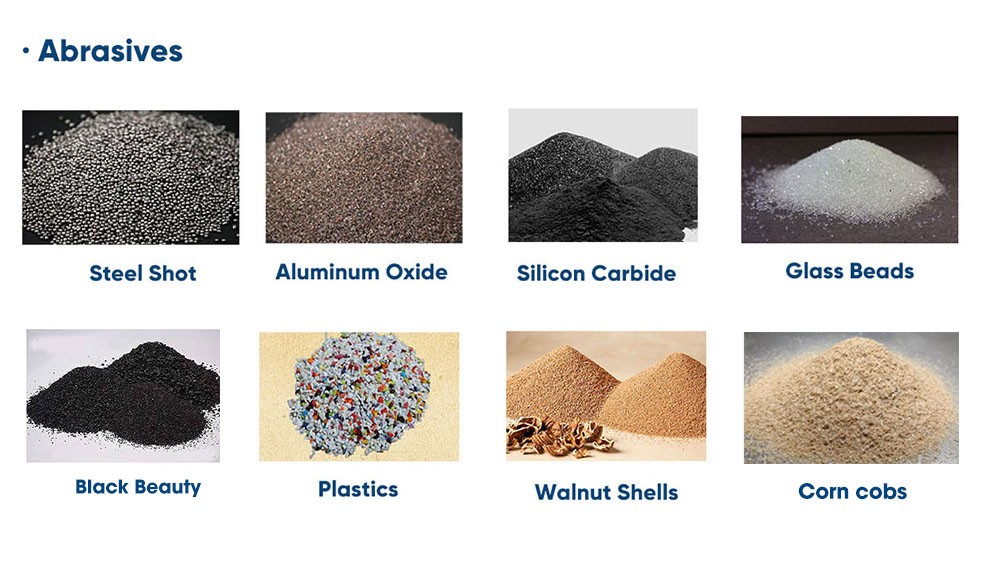
Plastic sandblasting media is made from various thermoplastic resins, including nylon, urea-formaldehyde, and polyethylene. These polymers can be enhanced with additives to improve hardness, color coding, and durability. Plastic media is available in multiple shapes, such as spherical beads, cylindrical pellets, and irregular granules, allowing users to choose the most suitable type for their application.
Physical Properties
- Твердость по Моосу: 2–4, depending on polymer type
- Плотность: 55–70 lb/ft³
- Форма: Spherical, cylindrical, angular
- Возможность вторичной переработки: High, reusable up to 10 cycles with minimal wear
Technical Specifications
Particle Size / Grit
The particle size of plastic sandblasting media determines the surface finish and cleaning efficiency. Standard mesh sizes include 16/30 (coarse), 30/60 (medium), and 60/120 (fine). Selecting the appropriate particle size is crucial to achieve desired results without damaging the substrate.
| Размер частиц | Mesh | Recommended Use | Surface Finish |
|---|---|---|---|
| 16/30 | Coarse | Heavy paint/oxide removal | 2.5–3.5 mil |
| 30/60 | Medium | General cleaning | 1.5–2.5 mil |
| 60/120 | Fine | Delicate surfaces | 0.5–1.5 mil |
Hardness and Durability
Plastic sandblasting media is significantly softer than mineral abrasives such as aluminum oxide or garnet. This property ensures minimal substrate damage while providing high resilience. Additionally, plastic media produces very low dust, making it safer and cleaner to use in precision environments.
Advantages of Plastic Media
- Gentle cleaning with minimal substrate wear
- Reusable and cost-effective over multiple cycles
- Non-toxic and safe for operators
- Ideal for intricate parts and sensitive coatings
- Produces smooth, consistent finishes
Приложения
Аэрокосмическая промышленность
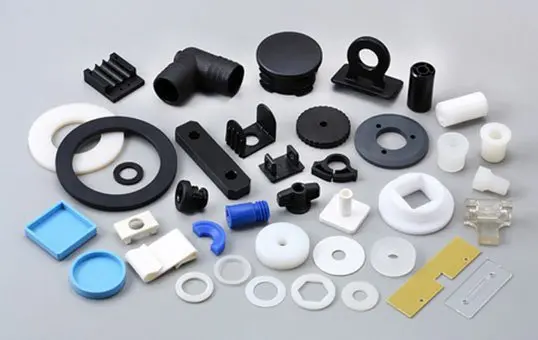
In aerospace manufacturing and maintenance, plastic sandblasting media is used for cleaning turbine blades, composite panels, and engine parts. It efficiently removes paint, oxidation, and residues without damaging high-value alloy substrates.
Автомобильная промышленность
Plastic media is ideal for automotive applications, such as stripping paint from body panels, cleaning molds, plastic components, and aluminum parts. It prepares surfaces for recoating, bonding, or other finishing processes while preserving the integrity of sensitive materials.
Electronics & Precision Engineering
Electronics manufacturers benefit from plastic sandblasting media’s low-damage properties. It is used for cleaning printed circuit boards, housings, and delicate assemblies without generating sparks or static, protecting sensitive components.
Comparison With Other Media
- Plastic vs. Walnut Shell: Plastic media is softer and provides a more uniform finish.
- Plastic vs. Aluminum Oxide: Plastic media causes minimal surface damage due to its lower hardness, making it suitable for delicate parts.
Equipment and Operating Parameters
Давление взрыва
- Recommended PSI: 40–80, depending on particle size and substrate sensitivity
- Nozzle distance: 6–12 inches, adjusted based on surface delicacy
Совместимость оборудования
Plastic media can be used with various blasting systems, including compressed air units, centrifugal wheel blasters, and tumble blasters. Recovery and recycling systems are essential to maintain media quality and reduce operational costs.
Safety and Environmental Considerations
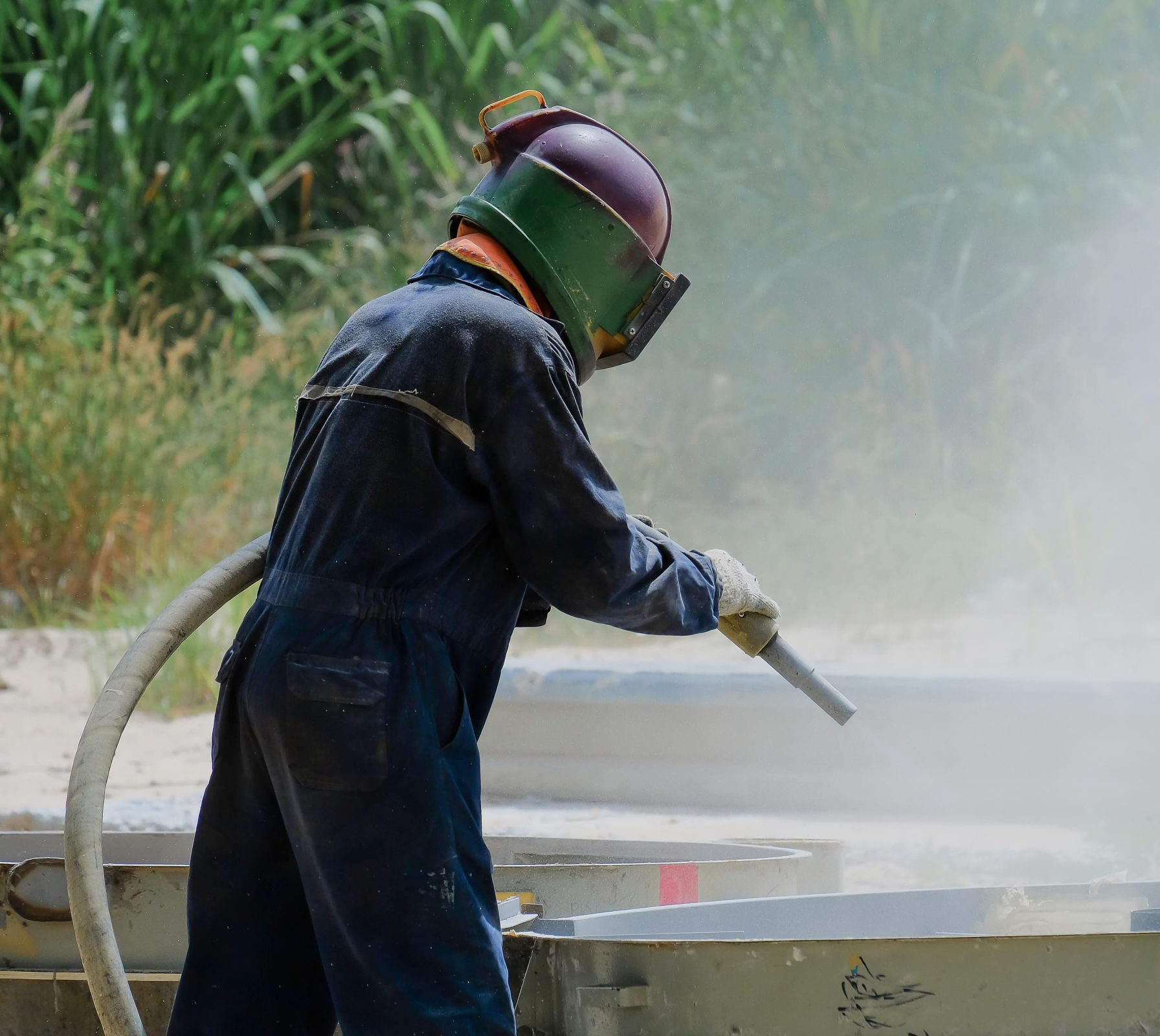
Personal Protective Equipment
- Respirators or masks to prevent inhalation of fine dust
- Protective goggles to shield eyes
- Gloves and protective clothing
- Ensure proper ventilation and dust collection in the workspace
Environmental Benefits
- Recyclable and non-toxic media
- Low dust production compared to mineral abrasives
- Supports sustainable manufacturing practices and waste reduction
Practical Tips for Effective Use
- Test small areas before large-scale application to ensure proper finish
- Adjust nozzle distance and air pressure to match surface sensitivity
- Maintain dry media to prevent clumping and clogging
- Follow manufacturer recommendations on reuse cycles to maintain effectiveness
Summary and Key Takeaways
Plastic sandblasting media is a versatile, precision abrasive designed for industries where surface integrity and delicate cleaning are critical. Its low hardness, high recyclability, and minimal dust production make it ideal for aerospace, automotive, electronics, and precision engineering applications. When used correctly, it delivers consistent finishes, protects substrates, and supports sustainable manufacturing practices.
Related Reading / Internal Links
Фильтры