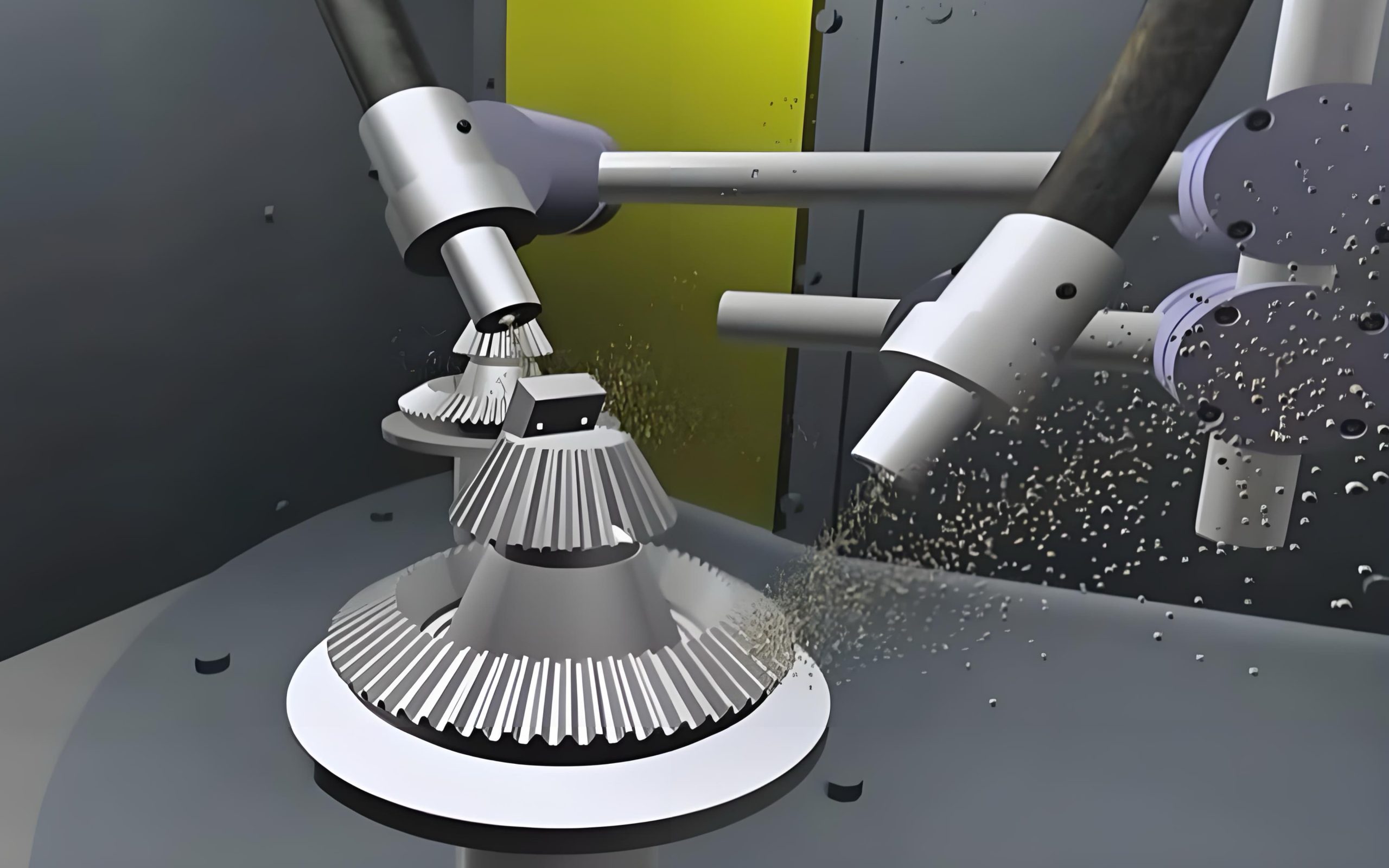
Quick answer: For automotive gears and shafts, Ceramic beads usually wins when you need repeatable surface results, cleaner reclaim behavior, and lower process drift. Steel shot can still be the practical choice when the priority is maximum impact energy on heavy sections. The right call depends on finish target, contamination risk, and whether your line recycles media well.
This guide compares Ceramic beads and Steel shot for automotive gears and shafts, with a shop-floor focus on fatigue consistency vs deep impact—not brochure language.
Quick decision checklist
- Choose Керамические бусины when consistency, iron-free processing, or longer media life matters more than the lowest bag price.
- Choose Стальная дробь when short-run economics, a different impact profile, or an existing qualified process already fits the print.
- If both appear acceptable on coupons, lock the process with Ra / coverage / Almen checks before full production.
Side-by-side comparison
| Factor | Керамические бусины | Стальная дробь |
|---|---|---|
| Best-fit goal | Repeatable finish / controlled impact for automotive gears and shafts | Alternate profile or legacy process needs |
| Process stability | Usually stronger when reclaim keeps size/shape in band | Can drift faster if media breaks or contaminates the mix |
| Surface risk | Lower gouge risk when grade/pressure are matched | Depends on media family; verify on coupons |
| Contamination profile | Iron-free ceramic options help on stainless/aluminum/titanium | Check ferrous or dust contribution carefully |
| Media life | Ceramic spherical media often lasts longer in closed loops | May need more frequent top-up or replacement |
| Key decision angle | fatigue consistency vs deep impact | Opposite trade-off on the same job |
| Cost pattern | Higher unit price, often lower cost per good part | Lower entry price, watch scrap and consumption |
| Trial advice | Prove Ra/coverage/intensity window first | Do not copy settings blindly from the other media |
What matters most for automotive gears and shafts
Engineers usually get burned by optimizing one metric only—bag price, or cycle time, or “how aggressive it feels.” For automotive gears and shafts, the durable process is the one that hits the drawing window with the least mid-shift tinkering.
Ceramic beads: where it tends to win
Ceramic beads is typically stronger when spherical impact, controlled texture, and media shape retention matter. In reclaim systems, that often means fewer surprise intensity or Ra shifts after a few hours of running. For shops already using ceramic media, matching grade and classification discipline matters as much as brand labels.
Steel shot: where it can still be right
Steel shot remains useful when the job profile favors a different energy delivery, a temporary process, or a qualification path you already trust. The mistake is copying pressure/flow settings from one media family to another and expecting the same outcome.
Process notes that prevent scrap
- Start from the requirement (Ra, coverage, cosmetic class, or Almen), not from habit settings.
- Change one variable at a time—size grade, pressure, or flow—then re-check coupons.
- Keep reclaim classification honest. A “good media” filled with fines behaves like a different media.
- Document the accepted window so the next shift does not reinvent the process.
Cost thinking beyond the bag
Unit price is only the first line. Dust load, top-up frequency, rejected parts, and downtime usually decide the real cost for automotive gears and shafts. A higher-priced ceramic grade can still reduce cost per finished part when reclaim works and scrap drops.
ЧАСТО ЗАДАВАЕМЫЕ ВОПРОСЫ
Is Ceramic beads always better than Steel shot?
No. It is often better for controlled finishing and long reclaim cycles, but Steel shot can win for specific impact needs, qualified legacy processes, or short campaigns.
Can I mix both media types in one machine?
Avoid it for production control. Different density, hardness, and breakdown rates make the blend harder to keep inside a stable process window.
What should I put on the first trial request?
Share substrate, current media, target finish or peening requirement, machine type (suction/pressure/wheel), and whether reclaim/classification is available. That short list prevents random grade guesses.
Need a production grade match for this use case? Review HLH керамические шарики для упрочнения or browse the full керамические носители range, and send your current grade plus target finish for a practical recommendation.
Фильтры