Aluminum Oxide Blast Media Applications
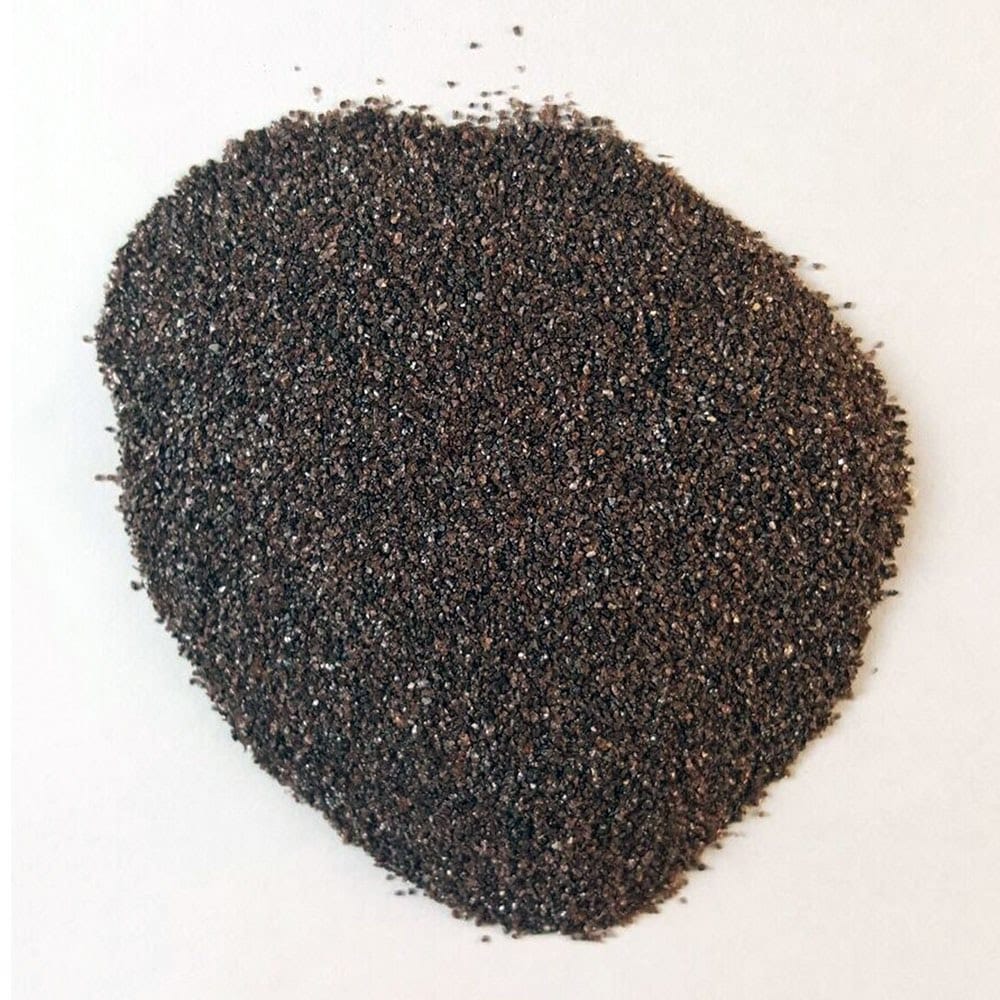
Aluminum oxide blast media is one of the most widely used abrasive materials in industrial surface treatment due to its high hardness, sharp angular profile, chemical stability, and predictable cutting behavior. Unlike spherical or soft blasting media, aluminum oxide is primarily selected for applications where aggressive material removal, controlled surface roughness, or repeatable surface conditioning is required.
This page provides an engineering-level breakdown of aluminum oxide blasting applications, focusing not only on where it is used, but why it is chosen, how it performs, и what process parameters matter in real production environments.
Table of Contents
- Surface Preparation Before Coating
- Coating, Paint, and Oxide Removal
- Precision Surface Finishing & Profile Control
- Aerospace & Aviation Components
- Automotive Manufacturing & Remanufacturing
- Foundry, Casting, and Die Cleaning
- Electronics & Semiconductor Equipment
- Tooling, Mold, and Die Surface Conditioning
- Application-Based Media Selection Notes
1. Surface Preparation Before Coating
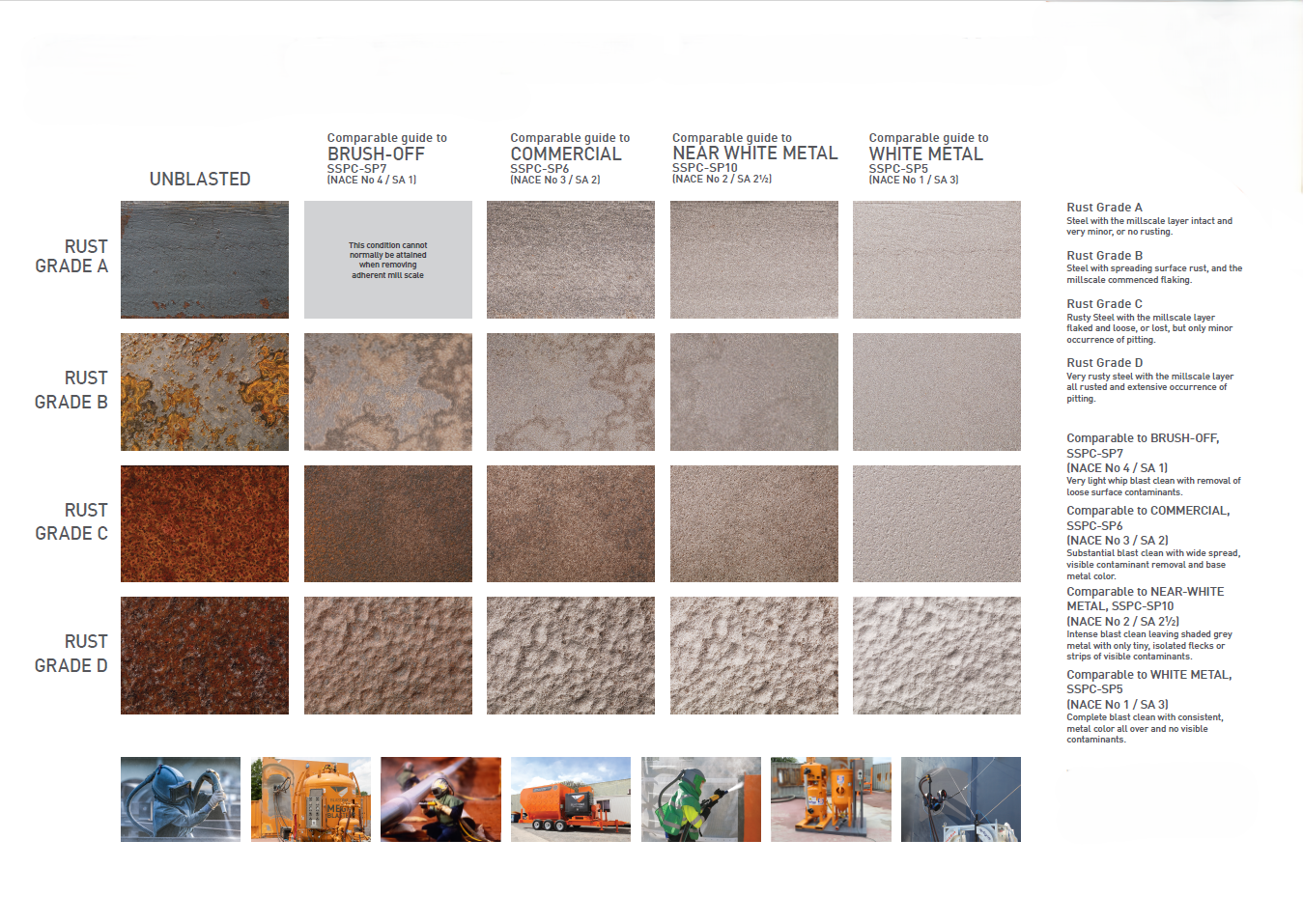
One of the most common applications of aluminum oxide blast media is surface preparation prior to coating, including thermal spray, powder coating, epoxy painting, ceramic coatings, and plasma coatings.
Engineering Objective
- Create a clean, oxide-free surface
- Generate controlled surface roughness (Ra / Rz)
- Improve mechanical anchoring of coatings
Why Aluminum Oxide?
Aluminum oxide produces a sharp, angular surface profile that promotes mechanical interlocking between the substrate and the coating layer. Compared to glass beads or garnet, aluminum oxide cuts rather than peens, resulting in higher coating adhesion strength.
Typical Process Parameters
- Grit size: 24–80 mesh (depending on coating thickness)
- Nozzle pressure: 70–100 psi (4.8–6.9 bar)
- Target surface roughness: Ra 3.0–12.5 μm
2. Coating, Paint, and Oxide Removal
Aluminum oxide blast media is extensively used for removing old coatings, paints, corrosion layers, and thermal oxidation films from metallic substrates.
Сценарии применения
- Paint stripping on steel structures
- Oxide scale removal on stainless steel
- Anodizing layer removal on aluminum
Performance Characteristics
The high hardness (Mohs 9) of aluminum oxide allows it to break through tough coatings quickly, reducing blasting time and labor cost compared to softer abrasives.
Engineering Considerations
- Risk of substrate erosion if grit size is too coarse
- Dust generation requires proper filtration
- Reusability varies by blasting system (1–10 cycles typical)
3. Precision Surface Finishing & Profile Control
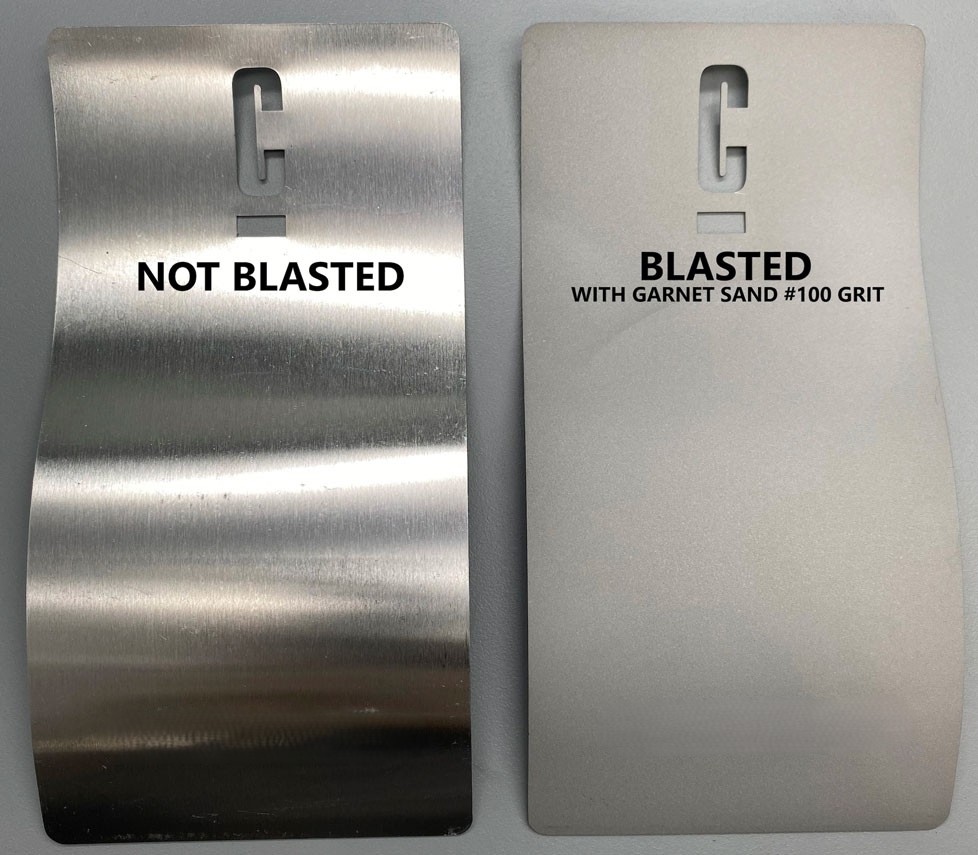
In applications where surface texture directly affects functional performance—such as sealing, friction, or bonding—aluminum oxide is used for precision surface conditioning.
Typical Industries
- Hydraulic components
- Mechanical seals
- Bearing housings
Why Not Spherical Media?
While glass beads create a smooth, cosmetic finish, aluminum oxide allows engineers to dial in surface roughness within tight tolerances, especially when paired with controlled grit size and blasting angle.
4. Aerospace & Aviation Components
In aerospace manufacturing and MRO (maintenance, repair, overhaul), aluminum oxide blast media is selected for applications where repeatability and process control are critical.
Typical Components
- Landing gear components
- Turbine housings (non-critical surfaces)
- Structural brackets
Compliance Requirements
Processes often reference standards such as AMS 2431, MIL-A-22262, or internal OEM blasting specifications, where aluminum oxide is an approved abrasive due to its consistency and traceability.
5. Automotive Manufacturing & Remanufacturing
Automotive applications range from OEM production lines to remanufacturing and aftermarket restoration.
Common Use Cases
- Engine block cleaning
- Brake component preparation
- Surface conditioning before thermal spray coatings
Cost vs Performance Balance
Compared to steel grit, aluminum oxide offers finer control and lower contamination risk on aluminum and mixed-metal assemblies.
6. Foundry, Casting, and Die Cleaning
In foundry environments, aluminum oxide blast media is used for removing sand residues, flash, and oxide layers from cast parts.
Material Compatibility
- Steel castings
- Aluminum castings
- Investment cast components
Process Advantage
Its angular shape enables penetration into complex geometries, improving cleaning efficiency compared to round media.
7. Electronics & Semiconductor Equipment
High-purity aluminum oxide abrasives are used in electronics manufacturing for equipment maintenance and surface conditioning where contamination control is critical.
Key Requirements
- Low iron content
- Controlled particle size distribution
- Minimal friability
These applications often use fine grit sizes (120–240 mesh) to avoid micro-cracking or excessive surface damage.
8. Tooling, Mold, and Die Surface Conditioning
Aluminum oxide is widely used in tool shops for mold texturing, die cleaning, and surface rejuvenation.
Functional Goals
- Improve mold release characteristics
- Restore worn surface texture
- Prepare surfaces for polishing or coating
9. Application-Based Media Selection Notes
Choosing aluminum oxide blast media should always be application-driven rather than price-driven. Engineers should evaluate:
- Desired surface roughness
- Substrate hardness and sensitivity
- Contamination tolerance
- Blasting equipment capability
For detailed guidance on grit selection, see our dedicated page:
Aluminum Oxide Blast Media Grit Size Guide.
This application guide is designed to support engineering decision-making and should be used alongside internal process validation and surface characterization data.
This page is part of our complete technical guide:
Aluminum Oxide Blast Media – Complete Technical Guide.
Фильтры