Sand Blasted Stainless Steel: Finish Grades, Passivation & Hygiene Standards
Stainless steel requires careful media selection to avoid iron contamination and a specific post-blast workflow to maintain corrosion resistance. This guide covers compatible media, ASTM A967 passivation, EHEDG and 3-A hygiene standards, and finish specifications for architectural, food, and pharmaceutical applications.
Why Stainless Steel Demands Special Care
Stainless steel derives its corrosion resistance from a thin, self-healing chromium oxide layer at the surface. Any process that contaminates the surface with iron or damages the oxide layer compromises corrosion performance. Sand blasting can do both — which is why media selection and post-treatment matter.
For the general specification framework, see the pillar guide on sand blasted surface.
Compatible and Prohibited Media
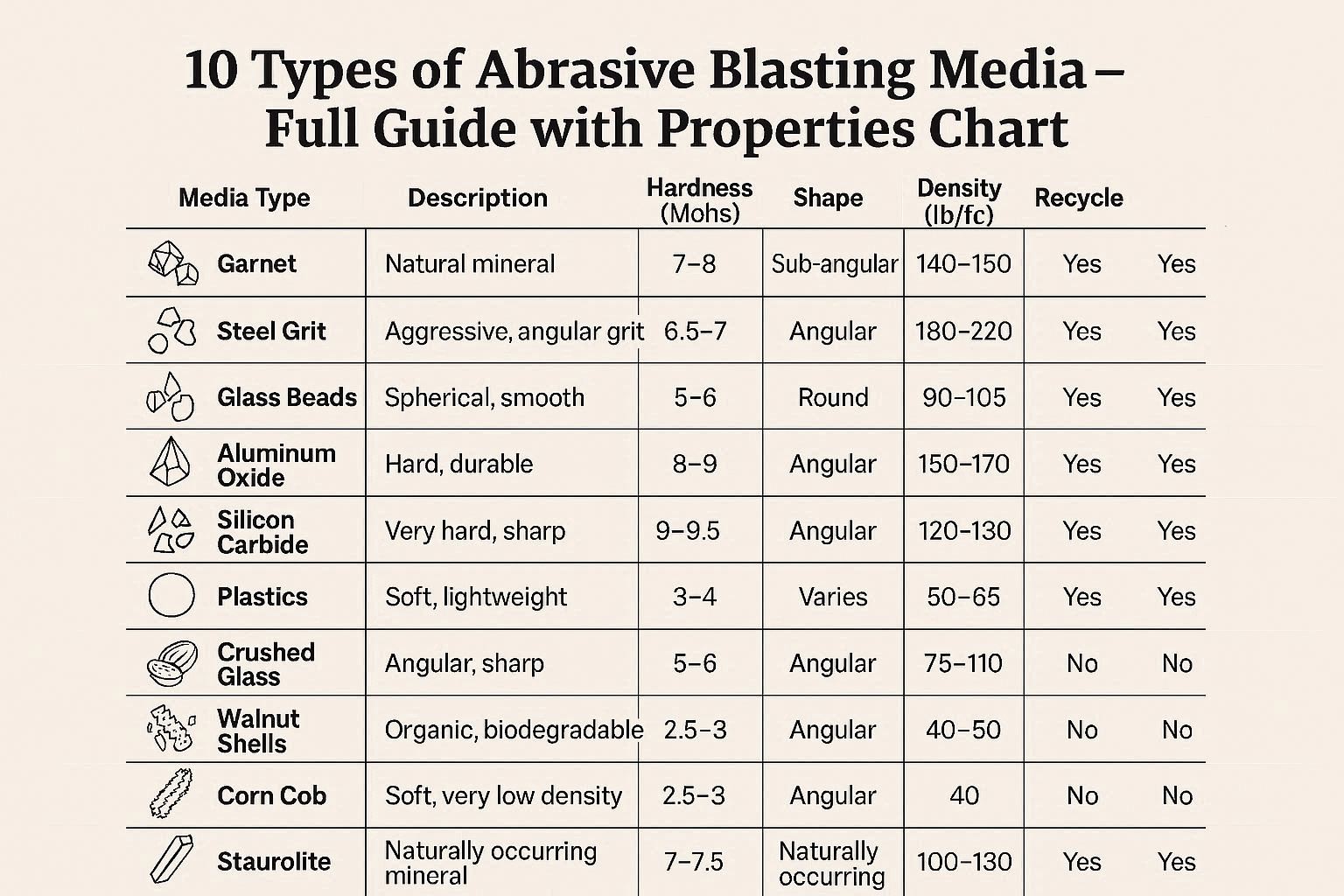
Recommended
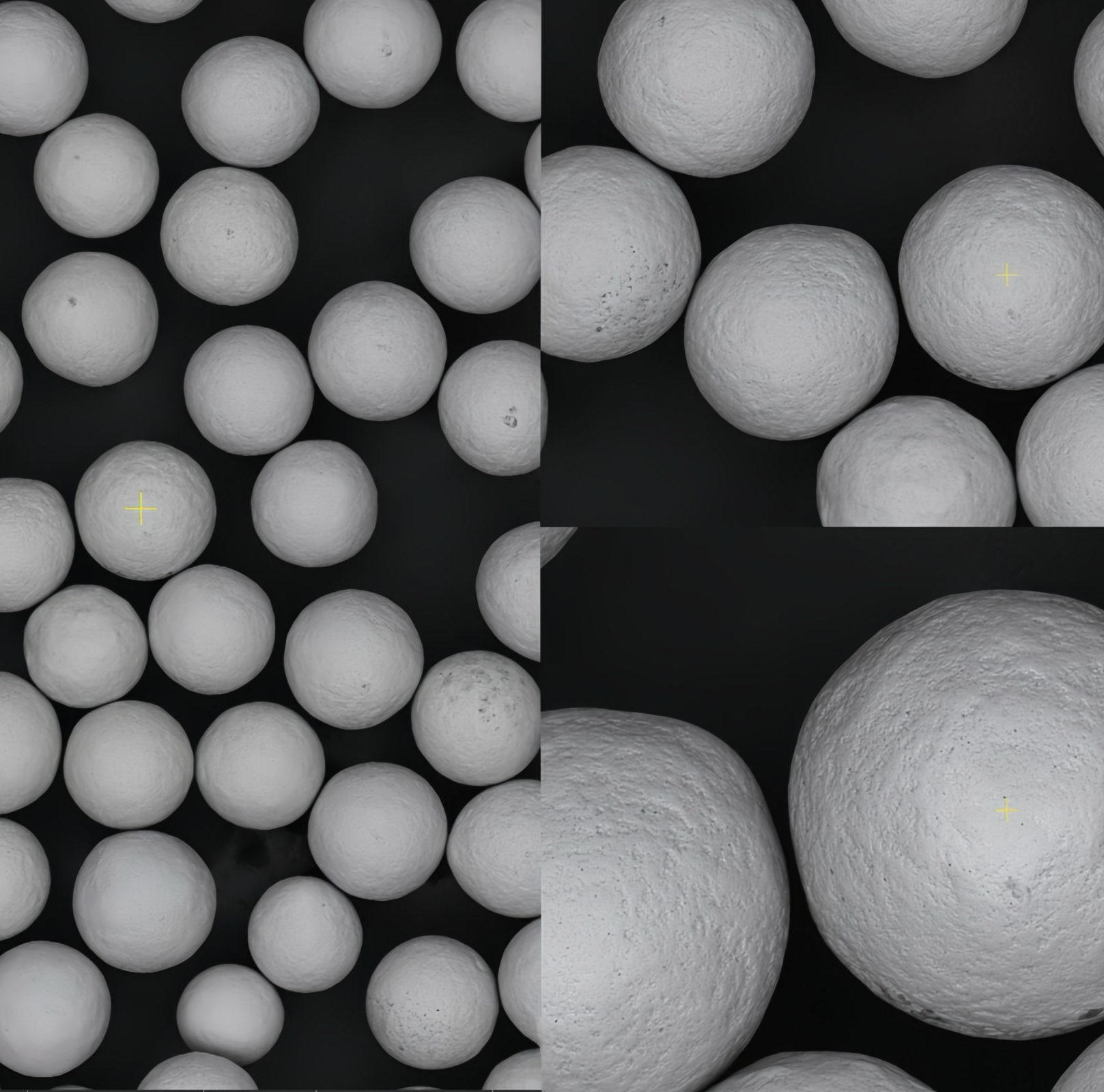
- Glass bead — cosmetic matte, no contamination
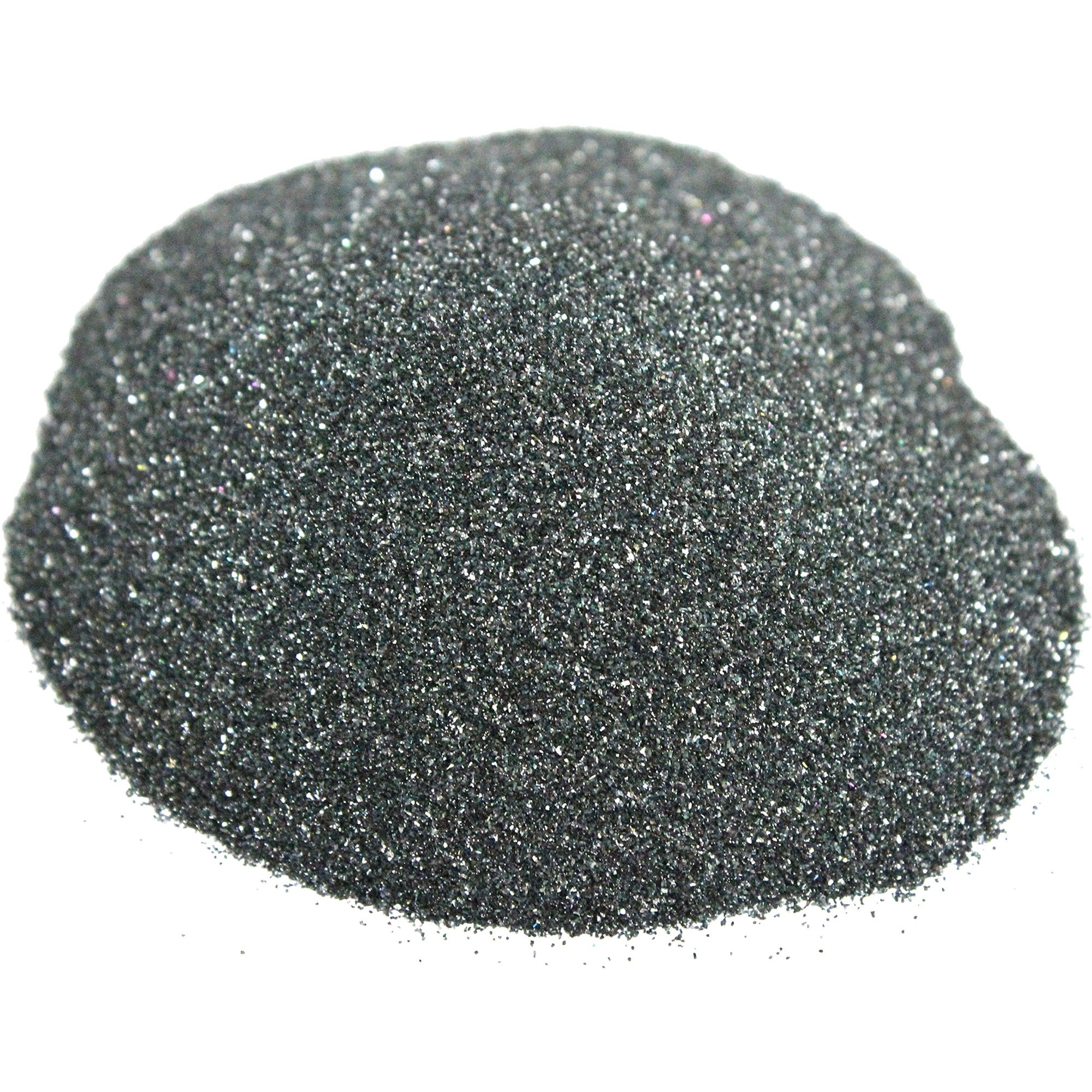
- Оксид алюминия — pre-coating prep, white certified
- Ceramic bead — peening and finishing
- Гранат — certified low-iron only
Prohibited
- Стальная крошка — ferrous embedment
- Стальная дробь — ferrous embedment
- Mixed-use media — cross-contamination from prior carbon steel work
- Recycled media from carbon steel operations
Iron contamination from steel media is not always immediately visible but causes a characteristic “rust freckling” pattern within weeks of exposure to humidity. The damage is unrepairable without re-blasting and re-passivating. Jiangsu Henglihong Technology Co., Ltd. supplies certified stainless-compatible aluminum oxide, glass bead, and low-iron garnet with batch documentation.
Passivation per ASTM A967
Passivation is the chemical treatment that restores the chromium oxide layer after mechanical disturbance. ASTM A967 / A967M-17 is the governing US standard; equivalent international standards include ASTM A380 and AMS-QQ-P-35.
| Method | Решение | Use Case |
|---|---|---|
| Nitric 1 | 20–25% HNO₃ at 49–71°C | General 300-series passivation |
| Nitric 2 | 20–25% HNO₃ + sodium dichromate | Aggressive cleaning; declining use |
| Citric 1, 2, 3 | Citric acid solutions | Modern preferred method, environmentally favored |
The complete passivation workflow for blasted stainless: blast → DI water rinse → passivate per ASTM A967 → DI water rinse → dry. Verification is typically by copper sulfate test (ASTM A380) or salt spray (ASTM B117).
Hygiene Standards: EHEDG, 3-A, FDA
For food, dairy, pharmaceutical, and biotechnology applications, blasted stainless surfaces must meet standards beyond corrosion performance:
- EHEDG (European Hygienic Engineering & Design Group) — Doc 8 specifies Ra ≤ 0.8 µm for product-contact surfaces.
- 3-A Sanitary Standards — US dairy and food equipment; typically Ra ≤ 0.8 µm.
- FDA 21 CFR 177 — food-contact material requirements; no specific Ra mandate but smooth surfaces preferred.
- ASME BPE (BioProcessing Equipment) — pharmaceutical; SF1 = Ra ≤ 0.51 µm; SF4 = Ra ≤ 0.38 µm.
Achieving Ra ≤ 0.8 µm consistently from blasting alone requires fine glass bead (#170 or finer) at controlled pressure. Many hygiene-critical applications combine fine bead blast with subsequent electropolish to reach Ra ≤ 0.4 µm. For comparison with brushed and polished alternatives, see our sand blasted finish vs brushed vs polished comparison.
Architectural Stainless Applications
Architectural specifications for stainless commonly call for a uniform matte appearance hiding fingerprints and handling marks:
- Glass bead blast — classic matte; Ra 0.5–0.8 µm; cladding, balustrades, signage.
- Bead blast + linear brush — combination offering blast uniformity with subtle directional grain.
- Aluminum oxide light blast — more textured; Ra 1.0–1.3 µm; for additional anchor pattern under clear coats.
Architectural stainless is typically passivated and left bare. UV-stable clear coats are occasionally specified in coastal environments to protect against tea-staining on 304-grade stainless.
Complete Process Sequence
Часто задаваемые вопросы
Can you use steel grit on stainless steel?
No. Steel grit and steel shot leave iron particles embedded in the stainless surface, which causes rust freckling within weeks. The damage is permanent without re-blasting with stainless-compatible media and re-passivating.
Is passivation required after sandblasting stainless steel?
For hygiene-critical applications (food, pharmaceutical, medical) passivation is mandatory. For general architectural use, passivation is recommended but not always specified. Passivation restores the chromium oxide layer disrupted by blasting.
What Ra is required for food-contact stainless surfaces?
EHEDG and 3-A standards typically require Ra ≤ 0.8 µm. ASME BPE for pharmaceutical applications specifies Ra ≤ 0.51 µm (SF1) or ≤ 0.38 µm (SF4).
Can I use the same blasting equipment for stainless and carbon steel?
Not recommended. Even after cleaning, residual ferrous contamination in the equipment and media can transfer to stainless workpieces. Dedicated stainless-only equipment or thorough decontamination protocols are required.
What is the difference between citric and nitric passivation?
Both restore the chromium oxide layer. Nitric is the traditional method, faster but more hazardous and environmentally regulated. Citric is the modern preferred method — gentler, environmentally favorable, and effective for most stainless grades.
Request an Abrasive Blasting Media Sample
Jiangsu Henglihong Technology Co., Ltd. supplies certified aluminum oxide, garnet, glass bead, steel grit, and steel shot to global industrial buyers. Request a sample with full batch documentation for technical evaluation.
Request a Sample →Фильтры