Quick answer: For aluminum 3C / consumer-electronics housings, B60 is usually the starting grade when you need a clearer matte and faster coverage on larger faces. B120 is usually better when the priority is a finer satin, tighter cosmetic control, and less risk of a coarse look on visible panels. The right call depends on Ra target, anodizing plan, and how the part will be handled after blast.
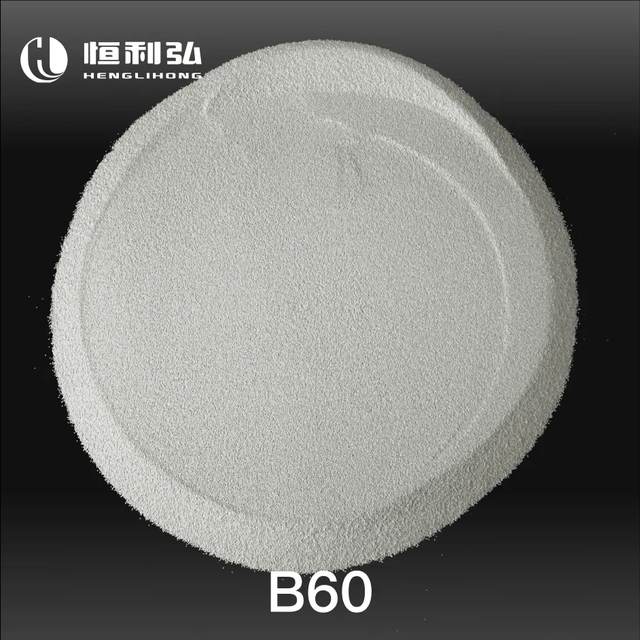
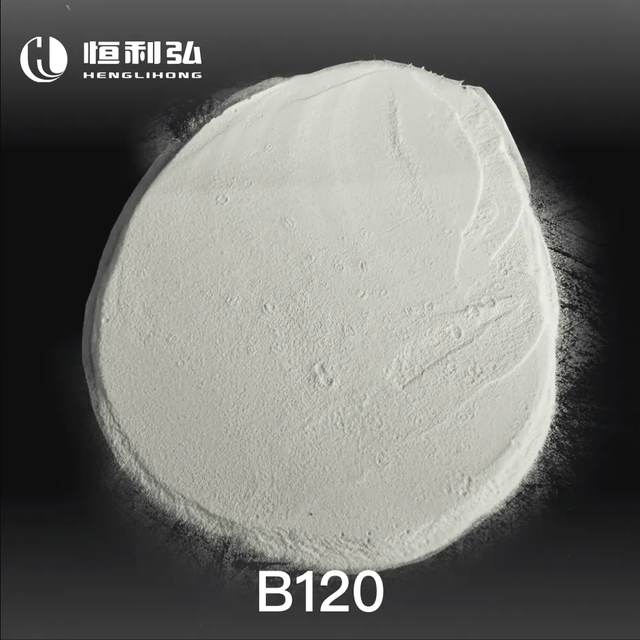
This guide compares B60 and B120 ceramic beads for aluminum 3C housings, with a shop-floor focus on cosmetic finish windows—not brochure language.
Quick decision checklist
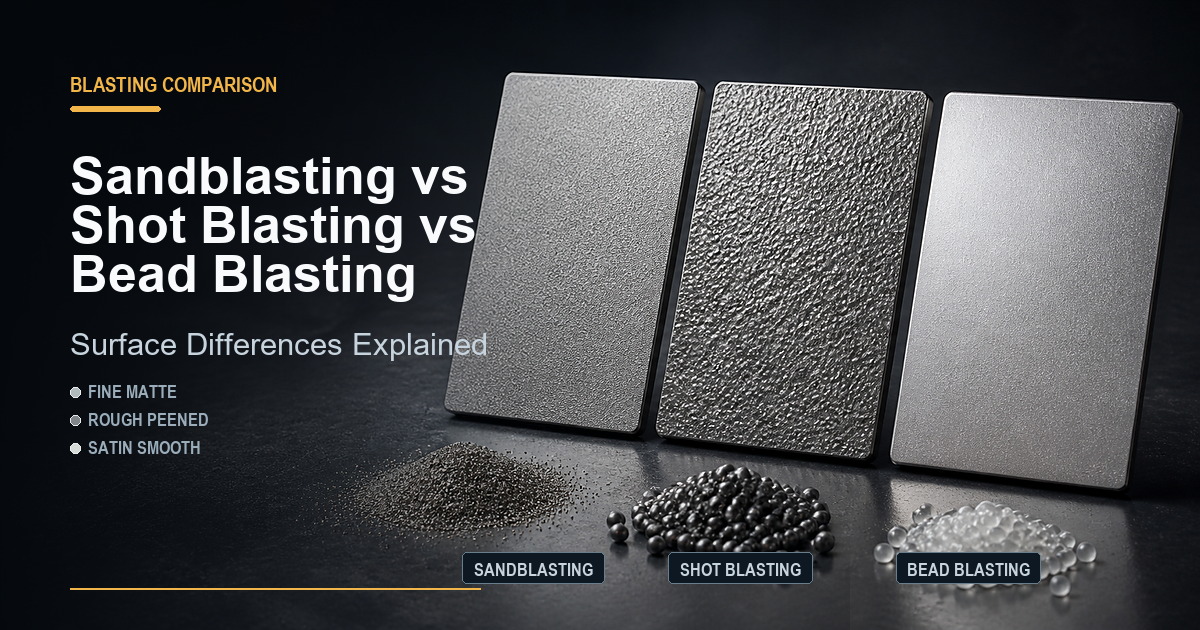
- Choose B60 (about 125–250 µm) when you need stronger texture definition and faster work on broader aluminum faces.
- Choose B120 (about 63–125 µm) when fingerprint resistance, fine satin, and cosmetic uniformity matter more.
- If both look acceptable on coupons, lock Ra / visual class / anodizing response before full production.
Side-by-side comparison
| Factor | B60 | B120 |
|---|---|---|
| Typical size band | 125–250 µm | 63–125 µm |
| Best-fit goal | Defined matte / general aluminum finishing | Fine satin / precision cosmetic finishing |
| Coverage feel | Usually faster on large flats | Slower; more control on edges and logos |
| Cosmetic risk | Can look coarse if over-blasted | Lower coarse look; watch over-smoothing |
| Anodizing prep | Good when a stronger tooth is wanted | Often preferred for uniform fine satin before dye |
| Key decision angle | throughput vs fine cosmetic class | Opposite trade-off on the same job |
| Trial advice | Prove Ra and visual class first | Do not copy B60 pressure/time blindly |
What matters most for aluminum 3C housings
Engineers usually get burned by optimizing one metric only—cycle time, or “how matte it looks under phone light,” or bag price. For 3C housings, the durable process is the one that hits cosmetic class after anodizing with the least mid-shift tinkering.
B60: where it tends to win
B60 is typically stronger when you need a clearer matte band and faster coverage on larger aluminum panels. It can still be wrong if the design language calls for a fine satin and the housing will be inspected under harsh lighting.
B120: where it tends to win
B120 is typically stronger for fine satin, logo areas, and parts that must look uniform after anodizing. The mistake is raising pressure to “make B120 work like B60,” which often creates a different texture instead of a finer version of the same look.
Process notes that prevent scrap
- Start from the requirement (Ra, visual class, anodizing plan), not from habit settings.
- Change one variable at a time—grade, pressure, or time—then re-check coupons under the same light used for QC.
- Keep reclaim classification honest. Fines-heavy media drifts the finish even when the bag label stays the same.
- Document the accepted window so the next shift does not reinvent the process.
Cost thinking beyond the bag
Unit price between B60 and B120 is rarely the real difference. Rework after anodizing, rejected housings, and downtime usually decide cost per good part. A finer grade that reduces cosmetic scrap often wins even if cycle time is slightly longer.
ЧАСТО ЗАДАВАЕМЫЕ ВОПРОСЫ
Is B120 always better for 3C aluminum?
No. It is often better for fine cosmetic satin, but B60 can win when a stronger matte and faster coverage are the real targets.
Can I mix B60 and B120 in one machine?
Avoid it for production control. Mixed size bands make Ra and visual class harder to keep stable across shifts.
What should I put on the first trial request?
Share alloy, current grade, target Ra or photo of the finish, whether anodizing follows, and machine type. That short list prevents random grade guesses.
Need a production grade match for this use case? Review HLH ceramic beads for finishing or browse Series B sizes, and send your current grade plus target finish for a practical recommendation.
Фильтры