Ceramic Bead Blasting vs. Plasma Spray vs. Acid Etching for Orthopedic Implants
Why Surface Treatment Decides Whether an Implant Works
I have lost count of how many times a spinal or hip implant design was mechanically sound, yet the first‑in‑human feedback circled back to something nobody wanted to admit during design reviews: the surface did not integrate fast enough. Bone is lazy when it encounters a surface that does not look like a wound — and that is where blasting, spraying, and etching earn their keep.
The three technologies most orthopedic manufacturing lines run daily are ceramic bead blasting, plasma‑sprayed coating (hydroxyapatite or titanium), and acid etching. You will occasionally see a combination — blasted then etched, or blasted then HA‑coated — but understanding each as a standalone process is still the baseline for anyone who signs off on a validation protocol. This article walks through exactly what each process does to a metallic substrate, where it fails if you do not control it, and how to decide based on cost, timeline, and the bone‑facing interface you actually need.
Before you dig into the details, keep the full Ceramic bead surface treatment guide handy for the broader context on bead types, media life, and equipment setup — it covers specifics that this piece will not repeat.
Ceramic Bead Blasting: What It Actually Delivers
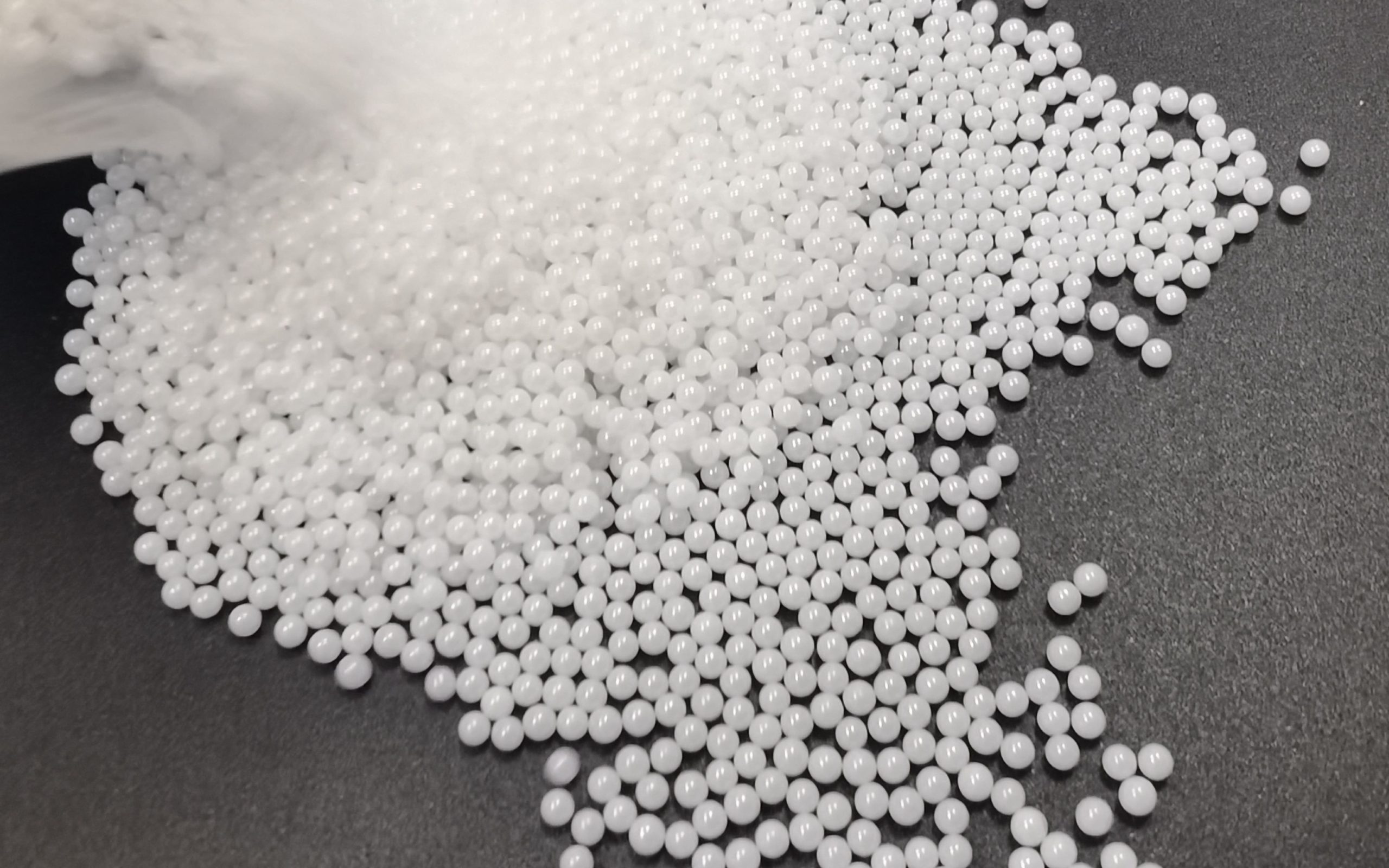
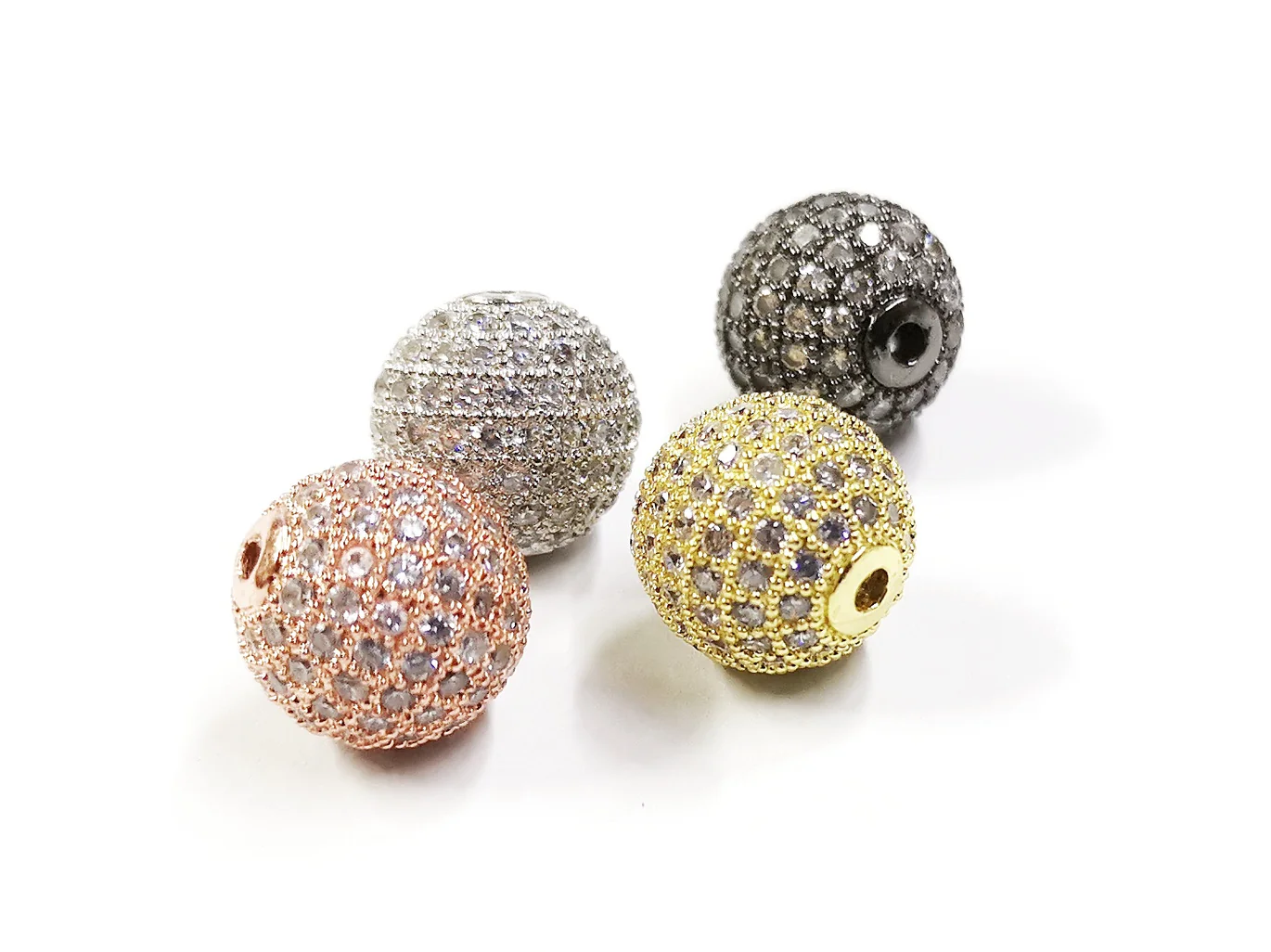
Ceramic bead blasting is the most predictable mechanical roughening method in the orthopaedic implant shop. You shoot fine, round ceramic media at a Ti‑6Al‑4V or CoCr surface, and you get back a uniformly textured topography with minimal embedded contamination if your process is dialled in. I see it used heavily on acetabular shells, hip stems, and interbody fusion devices where you want a moderately rough surface without altering the bulk chemistry.
How the Process Behaves Under Production Conditions
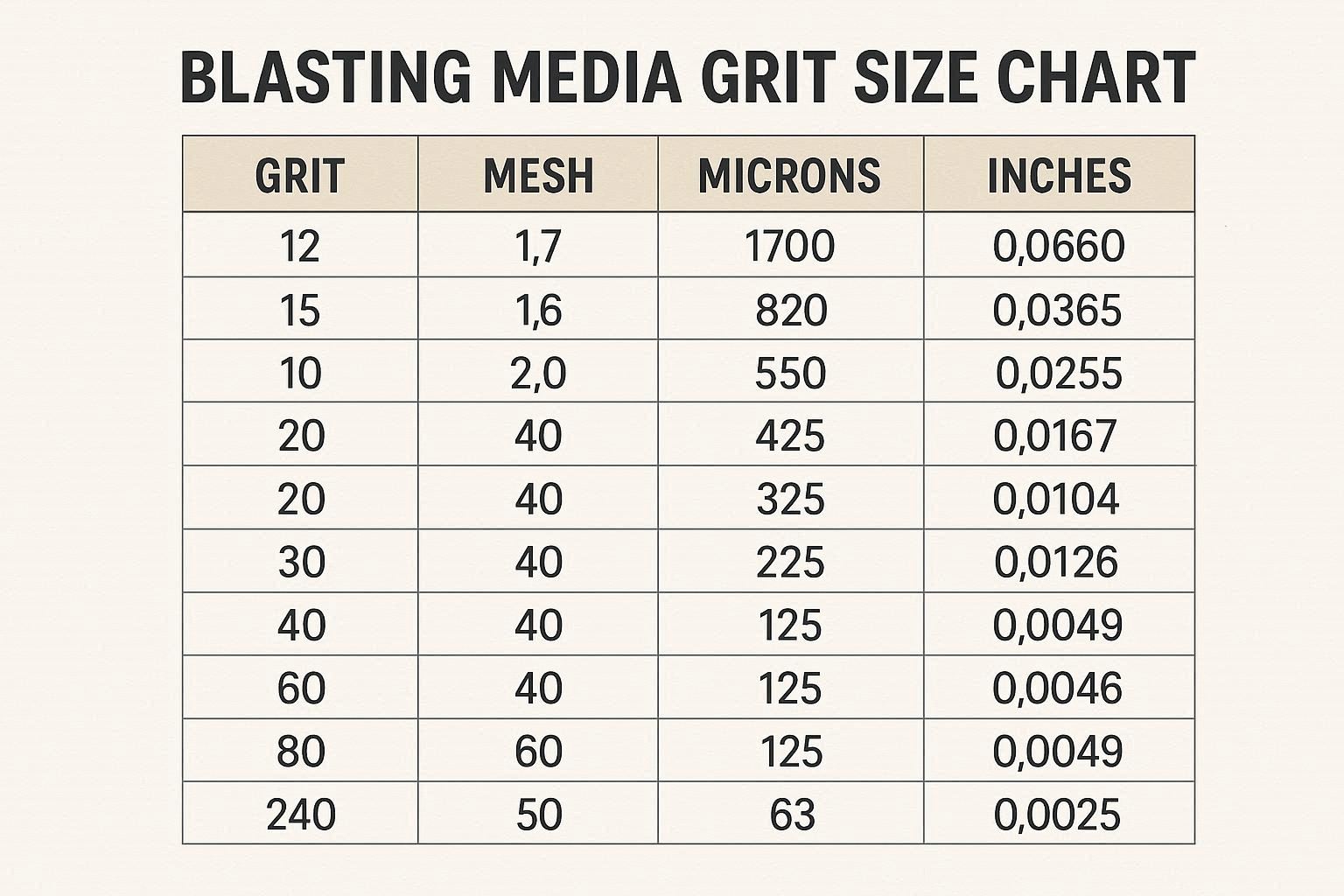
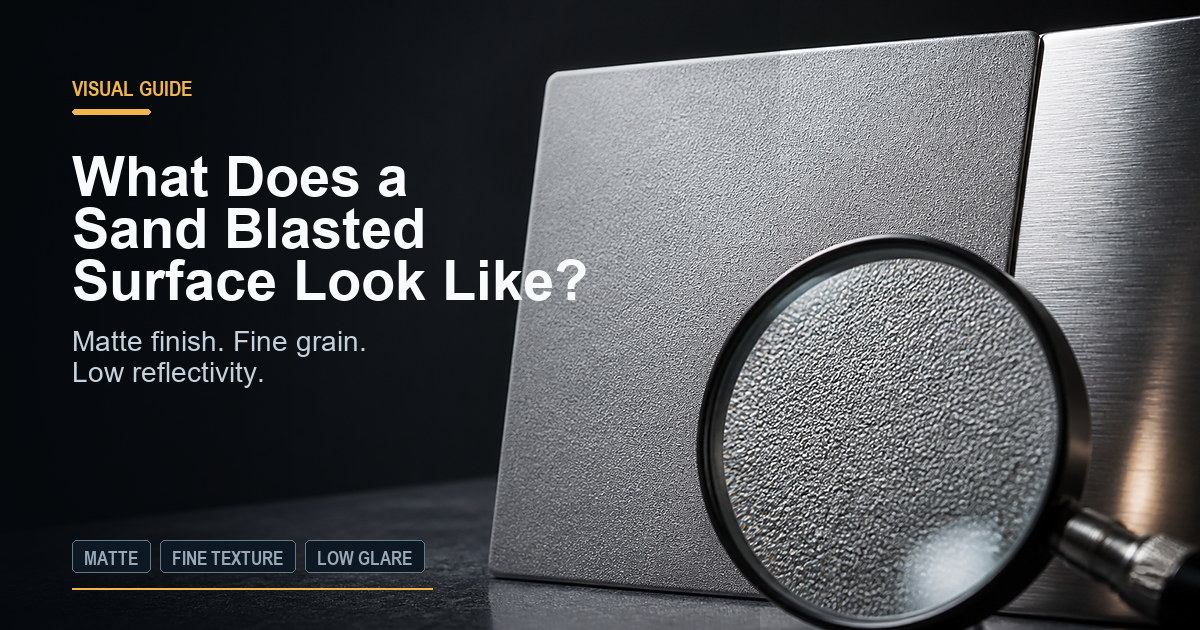
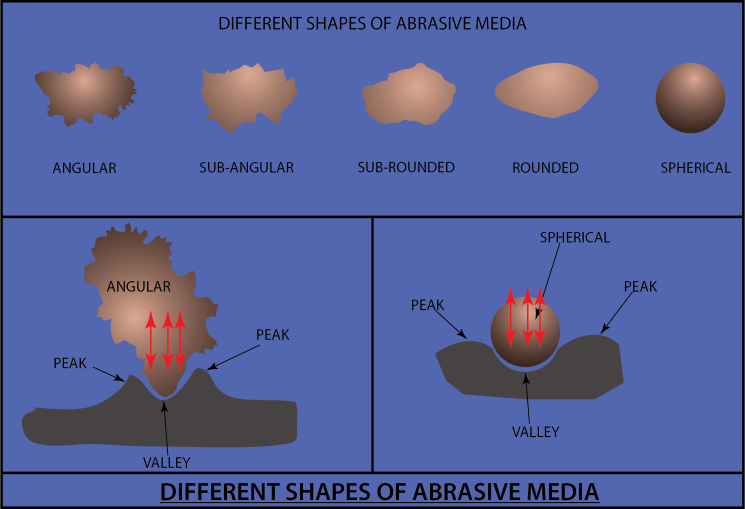
Unlike angular grit, ceramic beads produce a dimpled, crater‑like pattern from plastic deformation and micro‑peening. That pattern matters because it gives osteoblasts multiple small concave features to attach to without creating deep, unstable micro‑cracks. Typical Ra values for blast‑only surfaces on titanium alloy land in the 2.5–5.5 µm range depending on bead size (often 100–250 µm), pressure (2–5 bar), stand‑off distance, and cycle time. Pushing above 6 µm Ra with ceramic beads alone usually means you are eroding the edge radii of threads or thin‑walled features — and I have seen that cause scrap on spinal cages with 0.5 mm wall thickness.
Where It Wins
- Cleanliness. Round ceramic media leaves far less embedded residue than aluminium oxide grit blasting. SEM/EDS after process validation should show ceramic‑associated elements below 5% area fraction if the blast cabinet is maintained.
- Repeatability. Once you lock pressure, nozzle type, media grade, and sift frequency, the Ra range stays narrow batch to batch.
- No coating adhesion risk. There is no extra layer to delaminate. That matters on cementless stems where a failed coating can become a litigation target.
Where It Falls Short
- No osteoconductive chemistry. Titanium blasted surface is biocompatible but bio‑inert; it does not actively recruit calcium phosphate deposition the way HA does.
- Media breakdown management. Ceramic beads fracture over time into irregular fines. If you do not sieve or replace media aggressively, surface roughness drifts low and becomes non‑uniform. I set a threshold: when 10% of media by mass passes a 63 µm sieve, replace the charge.
Plasma Spray (HA and Titanium) Coatings: Adding a Layer
Plasma spraying puts a distinct coating on top of the substrate — usually hydroxyapatite (HA) with thickness between 40–80 µm, or commercially pure titanium with thickness often 150–350 µm for porous‑coated implants. The idea is straightforward: give bone something more interesting to bond to than bare metal.
HA Coatings: Bioactivity at a Price
HA plasma spray is the go‑to when you need early osseointegration driven by chemistry. After nearly two decades working with these surfaces, I would describe an optimised HA coating as “bone‑mimicking enough to jump‑start healing, but fragile enough to demand packaging discipline.” The coating provides a source of calcium and phosphate ions that accelerates the formation of a biological apatite layer on the implant surface. That matters most in the first 4–12 weeks post‑op.
Crystalline HA percentage should stay above 62 % to avoid rapid dissolution in vivo. Amorphous phase dissolves too fast and can create a gap at the interface. Coating adhesion strength typically needs to exceed 15–22 MPa in tensile testing per ASTM F1147; values below that mean you risk particulate release during press‑fit insertion. I refuse to sign deviation for batches below 18 MPa average.
Titanium Plasma Spray: Porosity Over Chemistry
Titanium plasma spray (TPS) does not bring HA’s osteoconductivity — it brings a peak‑and‑valley macro‑roughness that bone can grow into. The surface morphology typically shows interconnected pores and undercuts, with Ra values easily reaching 15–35 µm. That is an order of magnitude rougher than ceramic bead blasting, and it gets used where mechanical interlock is the primary fixation strategy.
The trade‑off is that TPS production is energy‑intensive, generates overspray that can contaminate masking areas, and requires rigorous particle size control. If your titanium powder batch drifts toward fine particles, the coating becomes denser and loses the open porosity needed for bone ingrowth.
Acid Etching and Chemical Treatments: Pitting the Surface
Acid etching uses a mixture of strong acids — frequently HCl/H₂SO₄ combinations for titanium — to create micro‑pits across the surface. The typical result is a fine, sub‑micron to few‑micron roughness pattern superimposed on whatever macro‑texture already exists. Many production lines use it after blasting to produce a dual‑scale topography: blasting provides larger craters (2–5 µm Ra), etching adds sharp sub‑micron pits that increase surface area dramatically.
Process Nuances That Break a Batch
Acid concentration, temperature, and immersion time are tightly correlated, and small deviations produce visibly different surfaces under SEM. A temperature drift of ±2 °C can shift pit density by 20–30 %. The rinsing step is just as important; residual acid trapped in small features will continue attacking the surface and can cause hydrogen embrittlement in thin sections. I always require multi‑stage cascading rinses with conductivity monitoring on the final rinse tank and a maximum allowable chloride limit after drying.
When It Makes Sense
- Dental and small joint implants where a thin, high‑surface‑area oxide layer with controlled micro‑porosity is sufficient for clinical performance.
- As a secondary step after blasting or machining to create that dual‑scale topography seen on many successful commercial implant systems.
- Production lines that cannot afford the cycle time or capital cost of a plasma spray booth but still want improved wettability and protein adsorption.
Stand‑alone etching without any prior mechanical roughening rarely delivers Ra above 1.5 µm on titanium — far below what most orthopaedic load‑bearing applications require for primary stability.
Head‑to‑Head Comparison: Roughness, Bioactivity, and Real‑World Cost
Engineers want numbers. Here is a practical comparison that reflects what you would measure in a mid‑volume production environment, not just textbook ranges. All values assume Ti‑6Al‑4V ELI substrate, typical process windows, and standard metrology (contact profilometer with 0.8 mm cut‑off).
| Параметр | Дробеструйная обработка керамических шариков | Plasma Spray HA | Acid Etching (after blasting) |
|---|---|---|---|
| Typical Ra (µm) | 2.5–5.5 | 10–25 (underlying macro‑roughness with coating) | Micro‑pits 0.5–2.0 superimposed on blasted Ra 3–5 |
| Surface area increase vs. machined | 2–4× | 5–10× (due to coating porosity) | 3–6× (dual‑scale effect) |
| Bioactivity mechanism | Topographic — cell attachment on micro‑dimples | Chemical — Ca/P ion release, bone‑like apatite formation | Topographic + enhanced protein adsorption due to high surface energy |
| Coating adhesion risk | Нет | High — delamination possible if adhesion < 15 MPa | Нет |
| Process complexity | Low‑moderate — blast cabinet, media management | High — plasma gun, gas control, powder feed, line‑of‑sight masking | Moderate — wet chemistry tanks, acid handling, rigorous rinsing |
| Relative operating cost per part* | 1× | 4–7× | 1.5–2.5× |
| Typical process cycle (time per rack) | 30 s–3 min blast | 10–25 min spray (setup + coating) | 5–20 min acid immersion + rinsing |
*Relative cost per part is a qualitative index based on media, energy, labour, maintenance, and consumables; actual multiples shift with volume and automation level.
Decision Matrix: What to Pick and When
| Clinical/Engineering Requirement | Preferred Approach |
|---|---|
| Immediate post‑op stability through bone ingrowth into macro‑pores | Titanium plasma spray with open porosity (pore size 100–400 µm) |
| Accelerated osseointegration in first 6–8 weeks, especially in compromised bone | HA plasma spray with crystallinity >62 %, thickness 50–70 µm |
| Reliable, low‑cost roughening for primary hip and knee components | Ceramic bead blasting, Ra 3.5–5 µm, validated media management |
| High‑surface‑area interface for small joints, dental, or as additional treatment | Acid etching on previously blasted surface (dual‑scale topography) |
| Coating delamination zero‑tolerance (thin‑walled, high‑flex areas) | Ceramic bead blasting or blasted + etched — avoid any coating |
| CE/FDA submission with predicate surface that is additive‑free | Blast or etch alone, or blast+etch — coating adds regulatory complexity |
Where the Industry Is Moving (and What Still Works)
If you walk through an orthopaedic production floor in 2025, you will still see plenty of ceramic blast cabinets and HA booths running. The big shift is not replacement — it is combinatorial surfaces and process integration. Many companies now blast, then apply a thin (10–20 µm) HA layer via a low‑temperature process, or they add an electrochemical step to grow a controlled oxide with calcium and phosphorus incorporated directly into the surface. These hybrid approaches try to get the best of topographic and chemical cues without the delamination risk of thicker coatings.
At the same time, regulatory bodies are pushing for tighter process control documentation on additive manufacturing implants, which often need surface finishing as a post‑processing step. Ceramic bead blasting is frequently the first choice there because it removes partially melted particles and normalises the surface without masking the benefits of the lattice structure.
How to Choose Without Over‑Engineering
I have seen teams spend months analysing surface free energy values from goniometer measurements only to come back to the same decision a simple roughness‑and‑cost matrix would have given them in two days. Do not overcomplicate a surface selection if the implant category already has a dominant predicate surface that clinical data supports. Start with the mechanical requirements:
- Will the implant bear load immediately after insertion? If yes, you need macro‑interlock — lean toward porous coating or a rough blasted texture with a geometry that resists micromotion.
- Is bone quality expected to be poor (osteoporotic, revision case)? HA coating provides a biochemical boost that might be the difference between early fixation and a painful fibrous encapsulation.
- Is the component thin‑walled or subjected to cyclic bending? Avoid any coating that can crack and release debris; stick with blasting or blasting + acid etch.
- What does your cleaning and packaging line tolerate? HA coatings are friable; if your packaging process generates particulates, you will fail a cleaning validation.
Once the shortlist is down to two processes, test coupons with the exact substrate alloy and surface finish specification, then run a cost‑per‑part calculation that includes media change‑outs, acid neutralisation, coating reclaim, and rework rate. That final number usually makes the decision obvious.
Quick Answers to the Questions You Keep Getting
Can ceramic bead blasting generate enough roughness for osseointegration without a coating?
In load‑bearing joints such as hip stems, yes — Ra in the 3–5 µm range combined with the dimpled morphology provides sufficient topographic cue for bone apposition. Do not expect chemical bonding; the mechanism is mechanical interlock at the micro‑scale.
Why do some HA coatings resorb too quickly?
Low crystallinity (high amorphous phase fraction) dissolves faster in physiological fluid. Also, excessively thin coatings below 30 µm may resorb before new bone reaches the interface. For orthopaedic implants, I keep crystallinity above 62 % and thickness at least 50 µm.
Does acid etching weaken the material?
On bulk Ti‑6Al‑4V, properly controlled etching removes only a few microns of material and has negligible effect on fatigue strength. However, if you over‑etch or fail to fully rinse, hydrogen uptake can occur and become a risk for hydrogen embrittlement in thin sections. Keep immersion time within validated limits and verify resistivity of the final rinse water.
Which process is easiest to validate for regulatory submission?
Ceramic bead blasting. You are controlling mechanical parameters (pressure, media size, cycle time) with a well‑established surface metrology output (Ra, Rz, SEM morphology). There is no chemistry to characterise or coating adhesion to test, and that simplifies both the process validation and the design history file.
Pre‑Production Checklist
- Substrate material and heat treatment condition confirmed (annealed vs. wrought affects surface response to blasting).
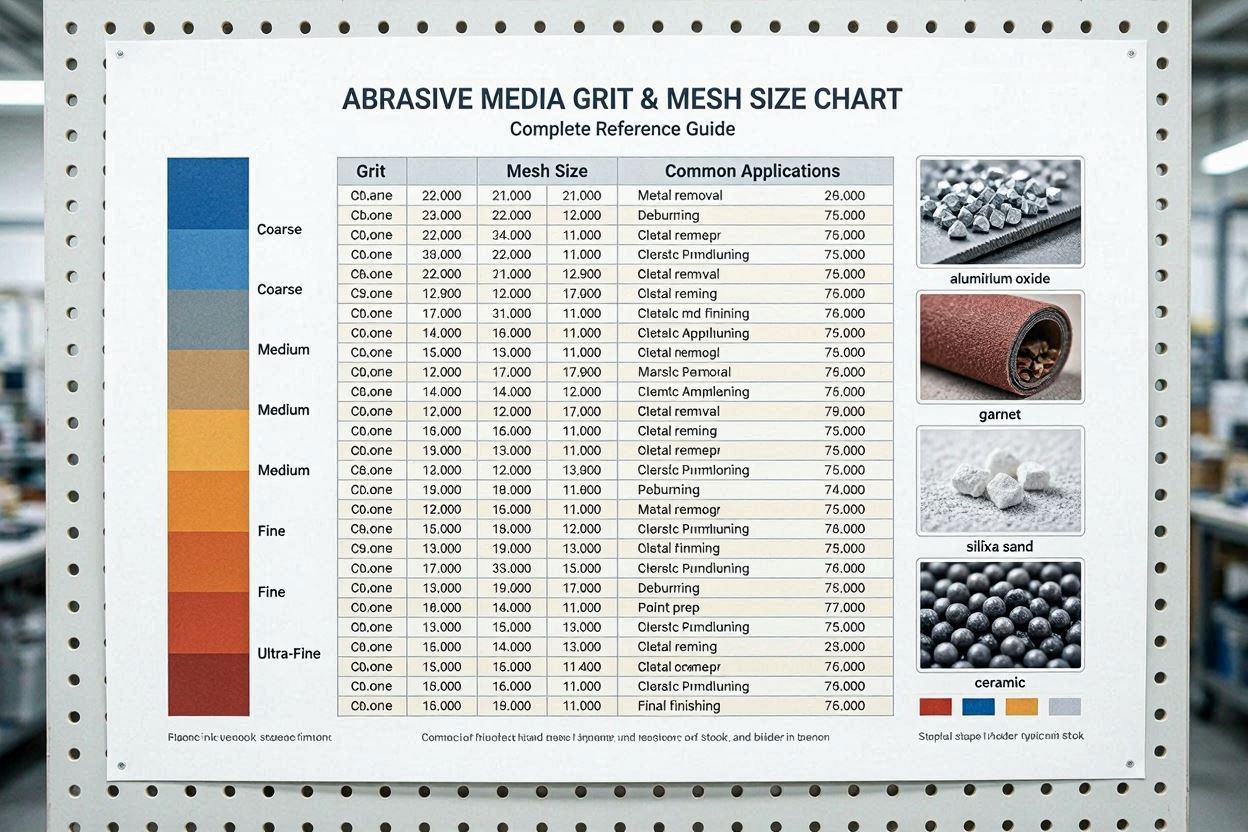
- Blast media specification documented: ceramic bead chemistry, size distribution, acceptable fines level.
- If plasma spraying: powder lot traceability, carrier gas purity, torch nozzle inspected within last 50 hours.
- If etching: acid concentration and temperature range validated, rinse tank conductivity limits defined, titrator calibrated.
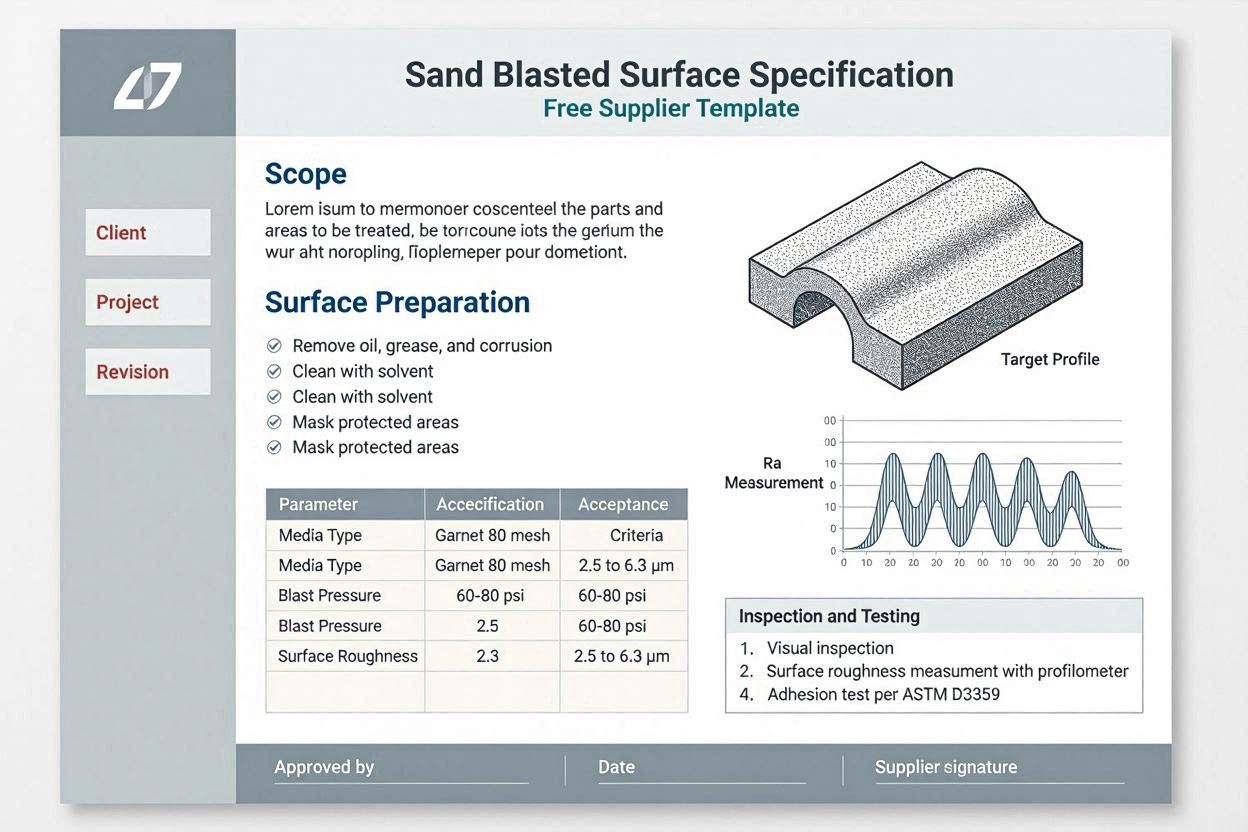
- Surface roughness acceptance criteria defined with both Ra and Rz (Rz catches deep defects Ra can miss).
- Coupon test plan for first‑article inspection that includes SEM at three magnifications and cross‑section for coating thickness if applicable.
- Cleaning validation protocol aligned with surface — blasted surfaces need an aggressive ultrasonic step to remove embedded media fines.
- Documented media change frequency or acid bath replenishment schedule; no running to failure.
Фильтры