What Is Garnet Blasting Media? Properties, Types & Uses
Garnet is the surface-prep industry’s go-to natural abrasive — sharp, dense, silica-safe and recyclable. Here is exactly what it is, where it comes from and why blast yards rely on it.
Request a Sample →What Garnet Abrasive Is
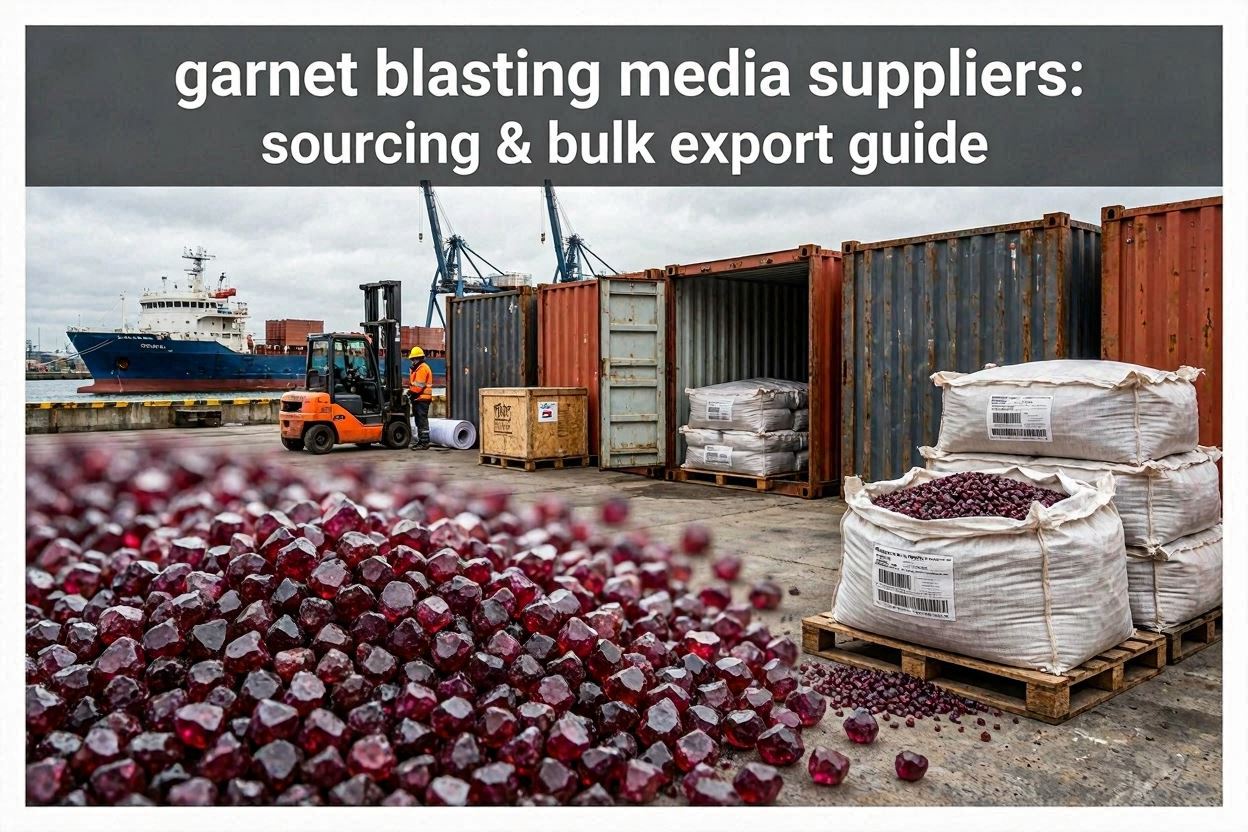
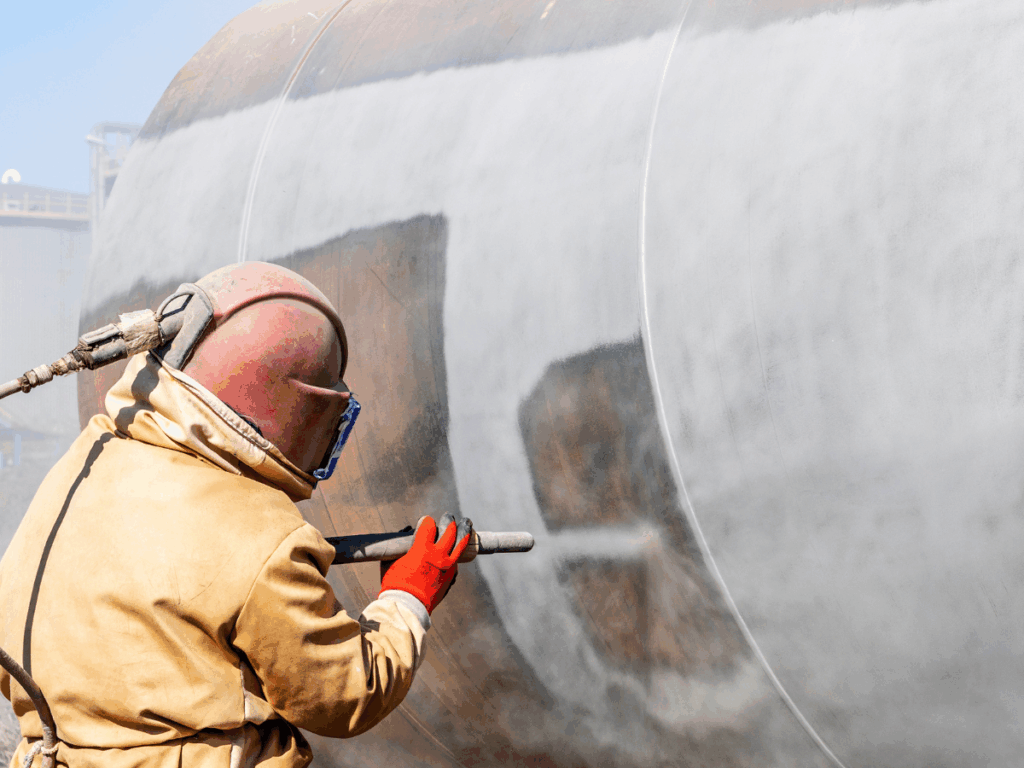
Garnet blasting media is a natural mineral abrasive produced by crushing and grading almandine garnet, a hard iron-aluminium silicate. Its grains are angular and sharp, which makes them cut quickly through rust, mill scale and coatings when fired through a blast nozzle by compressed air, water or a slurry.
Three things set garnet apart from cheaper abrasives: it is unusually hard (Mohs 7.5–8), it is dense enough to transfer real cutting energy, and it contains almost no free crystalline silica — so it does not carry the silicosis hazard of mined sand. For the full engineering picture and grade selection, see our complete guide to garnet abrasive blast media.
How Garnet Is Formed & Mined
Garnet is a group of silicate minerals formed under heat and pressure in metamorphic and igneous rock. Almandine, the variety used for blasting, is valued for its toughness. Commercially, it comes from two source types:
- Hard-rock garnet — crushed from ore, giving sharper, more angular grains and a wider size range, ideal for aggressive blasting.
- Alluvial (beach/river) garnet — naturally rounded by water, often used where a gentler action or waterjet consistency is wanted.
After mining, the mineral is washed, dried, crushed and screened into precise mesh grades before bagging.
Key Properties at a Glance
| Property | Typical Value |
|---|---|
| Mineral | Almandine garnet (iron-aluminium silicate) |
| Mohs hardness | 7.5–8.0 |
| Specific gravity | 3.9–4.1 g/cm³ |
| Free silica | < 1% |
| Grain shape | Angular / sub-angular |
| Colour | Pink to reddish-brown |
Low dust, low chloride and recyclability round out the profile — the reasons garnet keeps replacing silica sand and slag on coating-critical work. We cover the safety side fully in is garnet blasting media safe.
Types & Grades
Garnet is sold by mesh size. The common blasting grades run from coarse 20/40 (heavy scale, deep profile) through the medium 30/60 industry standard, to fine 80 and very fine 120 grades for thin coatings, non-ferrous metals and precision work. Waterjet cutting typically uses tightly graded 80 and 120 mesh. To match a grade to your job, use our garnet mesh size chart.
Общее использование
- Surface preparation of steel before protective coatings
- Shipbuilding and marine repair
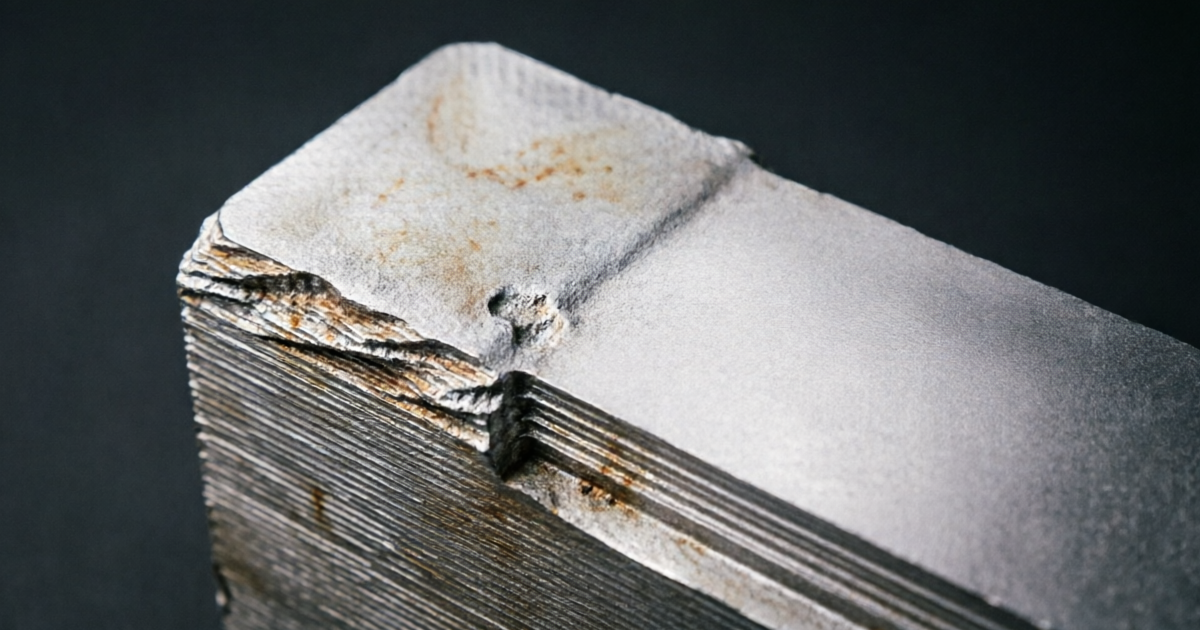
- Rust, mill scale and old-coating removal
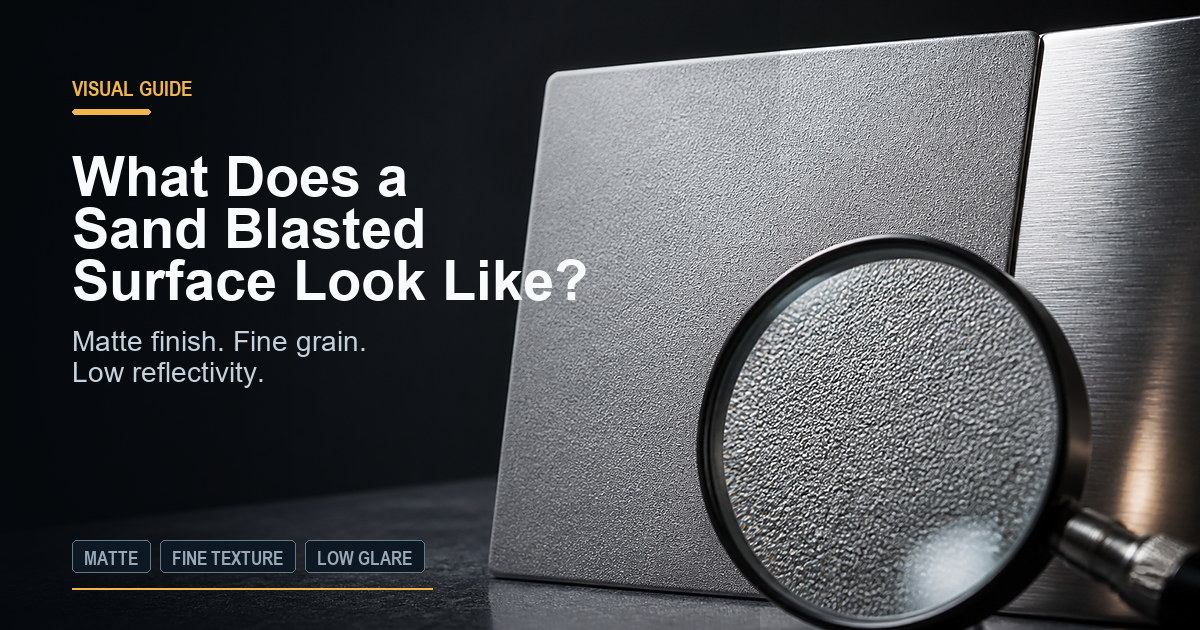
- Stainless and non-ferrous cleaning and matte finishing
- High-pressure waterjet cutting
- Concrete and stone restoration
In short: garnet is the natural abrasive that balances fast cutting, operator safety and reusable economy — which is why it has become the default choice for serious surface-preparation work.
Часто задаваемые вопросы
Is garnet a natural or synthetic abrasive?
Garnet is a 100% natural mineral abrasive made by crushing and grading almandine garnet ore. It is inert and non-toxic.
What does garnet blasting media look like?
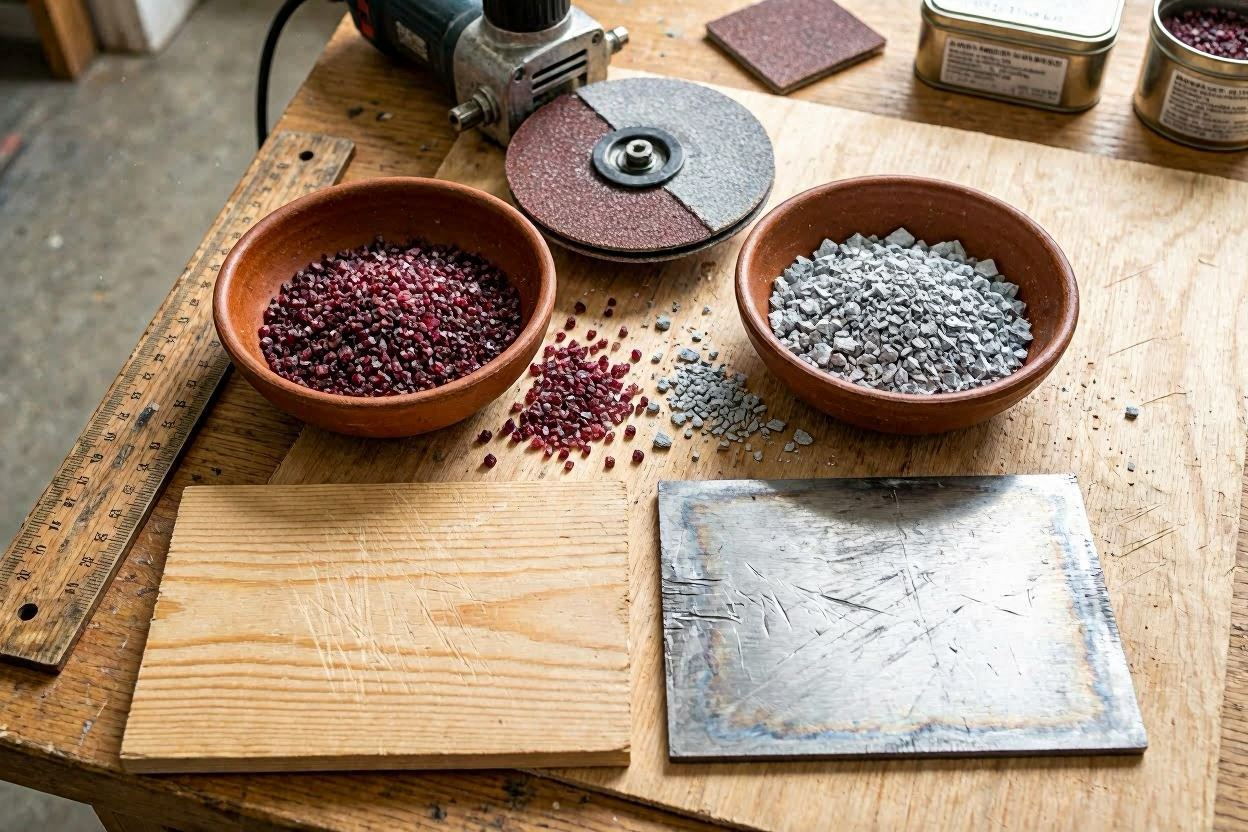
It appears as angular, sharp-edged grains in a pink to reddish-brown colour, sized into mesh grades from coarse to ultra-fine.
Why is garnet better than silica sand?
Garnet contains under 1% free silica, generates far less dust, cuts faster and can be recycled — advantages silica sand cannot match.
Need Garnet for Your Operation?
Jiangsu Henglihong Technology supplies the full mesh range with export-ready packaging. Send your grade and volume for a fast quote and free sample.
Get a Quote →Фильтры