What Is Sandblasting Used For?
Author: Surface Engineering Specialist / Materials Finishing Engineer
Table of Contents
- Introduction
- How Sandblasting Works
- Surface Preparation Applications
- Cleaning and Decontamination Applications
- Coating & Bonding Preparation
- Rust, Mill Scale & Paint Removal
- Industrial Equipment & Infrastructure Maintenance
- Precision & Technical Applications
- Construction & Civil Engineering Uses
- Automotive, Restoration & Metal Fabrication
- Aerospace & Military Applications
- Sandblasting on Wood, Glass & Stone
- Surface Profiles & Technical Standards
- Selecting Abrasive Media for Sandblasting
- Safety, Environmental & Regulatory Requirements
- Real Engineering Case Studies
- Заключение
1. Introduction
Sandblasting—also known as abrasive blasting—is one of the most widely used surface treatment
processes across industrial manufacturing, infrastructure maintenance, automotive restoration,
aerospace engineering, and construction. The technique uses high-velocity abrasive particles to
clean, texture, shape, or prepare surfaces. Engineering teams rely on it because no other process
offers the same combination of speed, uniformity, controllability, and cost-effectiveness.
This article explains, from a surface engineering perspective, what sandblasting is used for
and why it remains a critical technology in modern industry.

2. How Sandblasting Works
The process accelerates abrasive media using compressed air (typical pressure: 80–120 psi /
5.5–8.2 bar) through a venturi blast nozzle to impact the target surface. Impact velocity can
exceed 400–550 mph (640–885 kph).
Key parameters that determine performance:
- Working pressure: 60–150 psi depending on substrate hardness
- Media hardness: 6–9 on Mohs scale
- Nozzle type: straight bore vs. venturi (venturi increases velocity by 30–45%)
- Stand-off distance: typically 150–300 mm
- Abrasion angle: 60–90 degrees for cleaning; 30–60 degrees for texturing
- Surface profile: 25–125 μm depending on media and pressure
These parameters are controlled precisely depending on the application—removing rust requires
different energy density than creating a uniform anchor profile for epoxy coatings.
3. Surface Preparation Applications
One of the primary uses of sandblasting is preparing surfaces for coating, welding, bonding, or machining. Proper surface preparation improves adhesion, mechanical bonding, corrosion resistance, and dimensional accuracy.
Main industrial goals:
- Removing contaminants
- Creating a controlled surface roughness
- Exposing clean substrate metal
- Increasing coating lifespan (often by 3–6×)

4. Cleaning and Decontamination Applications
Sandblasting is used to remove unwanted materials from surfaces with extreme efficiency:
- Oxides
- Scale
- Heat tint (post-welding)
- Oils and greases (using media like soda)
- Marine growth (barnacles, mussels)
- Concrete laitance
- Fire damage (charred carbon removal)
In offshore, marine, and chemical industries, abrasive blasting is considered the only reliable
method to restore severely contaminated surfaces.
5. Coating & Bonding Preparation
Nearly all industrial coatings—from zinc-rich primers to polyurethanes, powder coatings, industrial enamels, and epoxies—require specific surface profiles to reach maximum bonding strength.
Standards involved:
- SSPC-SP10 / NACE 2
- ISO 8501-1 Sa 2.5
- SSPC-SP5 White Metal Blast
Without proper blasting, coatings often fail prematurely due to underfilm corrosion or delamination.
6. Rust, Mill Scale & Paint Removal
Rust removal is one of the most universal uses of sandblasting. Abrasive impact cuts through
oxidation layers, mill scale, old paint, and corrosion by-products much faster and more uniformly
than grinding or brushing.
A typical productivity rate for rust removal:
- 1–2 m²/min for heavy rust using steel grit
- 2–4 m²/min for moderate corrosion with garnet
This makes blasting the preferred method for bridges, ships, tanks, and pipelines.
7. Industrial Equipment & Infrastructure Maintenance
Many industries use sandblasting for maintenance due to its ability to restore metal surfaces to
near-original condition:
- Refineries & chemical plants
- Offshore oil platforms
- Shipyards and dry docks
- Power generation (nuclear, coal, wind turbines)
- Municipal water towers & pipelines
- Railway assets
Sandblasting ensures critical infrastructure remains safe and operational.
8. Precision & Technical Applications
Abrasive blasting can be extremely precise when using fine media and controlled pressure:
- Micro-blasting (media sizes down to 20–50 microns)
- Deburring machined parts at low pressure (20–40 psi)
- Shot peening to increase fatigue strength
- Surface texturing for medical implants
- Etching microfluidic channels
In laboratories, micro-blasting is used for failure analysis and surface roughness tuning.
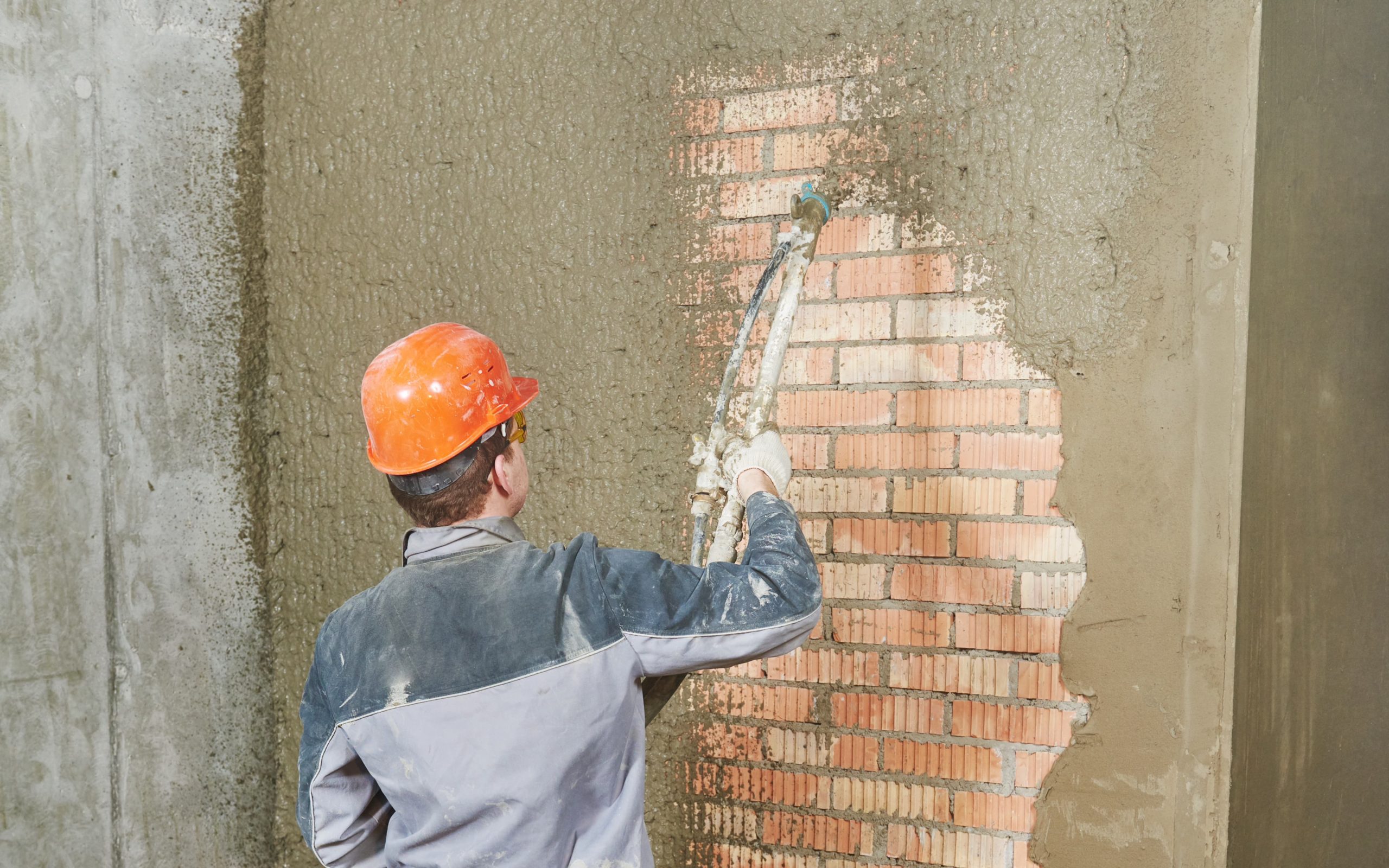
9. Construction & Civil Engineering Uses
Sandblasting is widely used on construction materials:
- Concrete cleaning and roughening
- Exposing aggregate in architectural concrete
- Restoring old brickwork
- Removing graffiti from masonry
Contractors rely on blasting to accelerate project timelines and ensure consistent finishes on large structures.
10. Automotive, Restoration & Metal Fabrication
Whether restoring classic cars or preparing new fabricated parts, sandblasting is a critical process:
- Chassis frame restoration
- Removing rust from fenders, panels, undercarriages
- Surface profiling for powder coating
- Wheel refurbishing (aluminum or steel)
Fine media like glass bead is often used for automotive aluminum components to maintain dimensional stability.
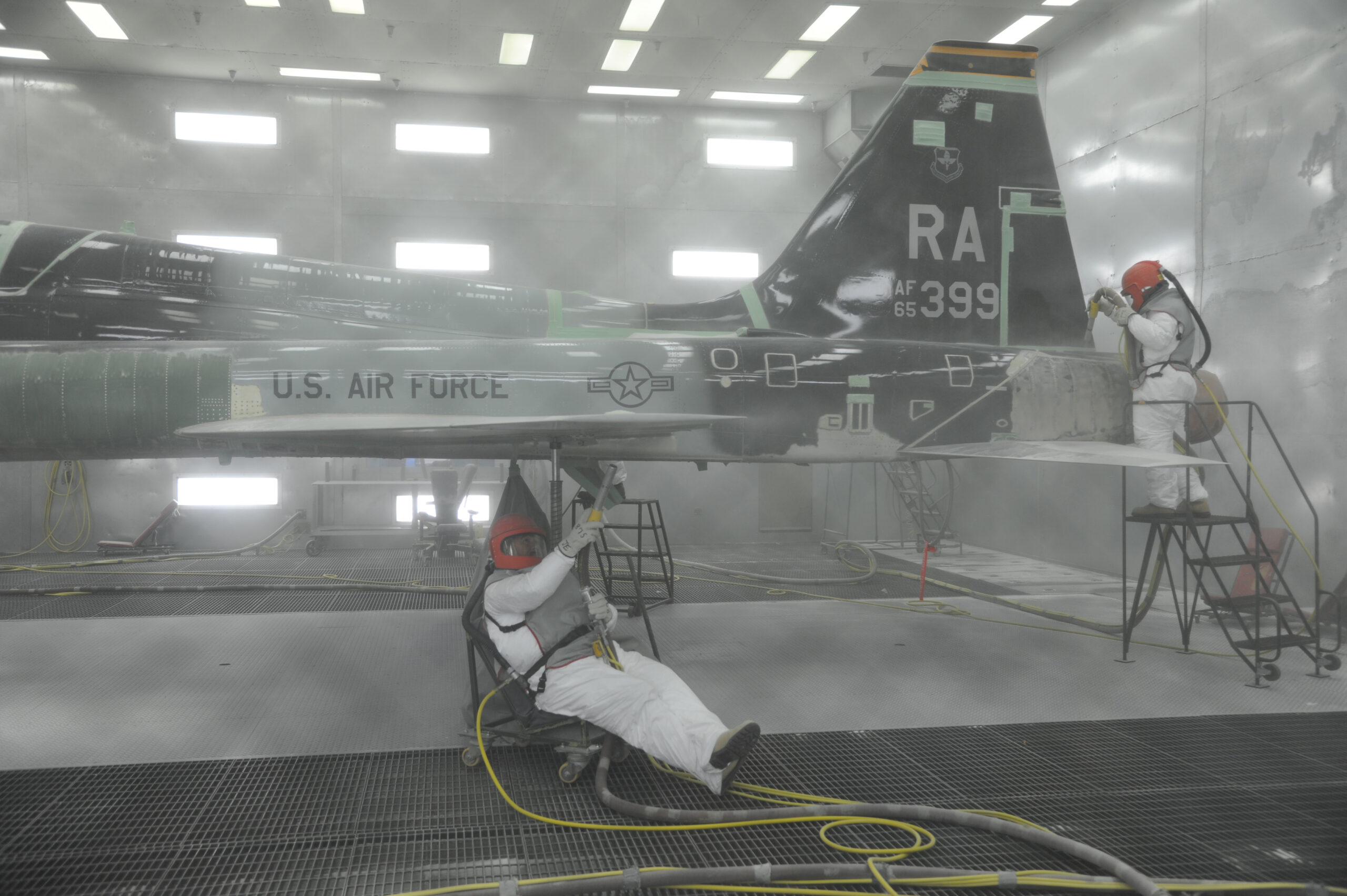
11. Aerospace & Military Applications
Sandblasting in aerospace is highly specialized and typically involves controlled media types:
- Aluminum oxide blasting for turbine components
- Peening to control stress distribution
- Removing coatings from landing gear
- Surface texturing for composite bonding
12. Sandblasting on Wood, Glass & Stone
Wood
- Creating textured “weathered” finishes
- Restoring old log cabins
- Cleaning barn wood
Стекло
- Frosted glass effects
- Decorative etching and signage
- Privacy patterns
Stone
- Monument lettering
- Sculpture finishing
- Cemetery headstone engraving
13. Surface Profiles & Technical Standards
The correct surface profile is essential to coating performance. Typical anchor patterns:
| Media | Profile Height (μm) | Usage |
|---|---|---|
| Garnet 80 mesh | 40–60 μm | General steel preparation |
| Steel G40 | 65–90 μm | Heavy-duty coatings |
| Glass bead | 10–20 μm | Cosmetic finish |
14. Selecting Abrasive Media for Sandblasting
Sand (silica) is rarely used today for safety reasons. Modern alternatives include:
- Garnet (most common industrial media)
- Steel grit & shot
- Оксид алюминия
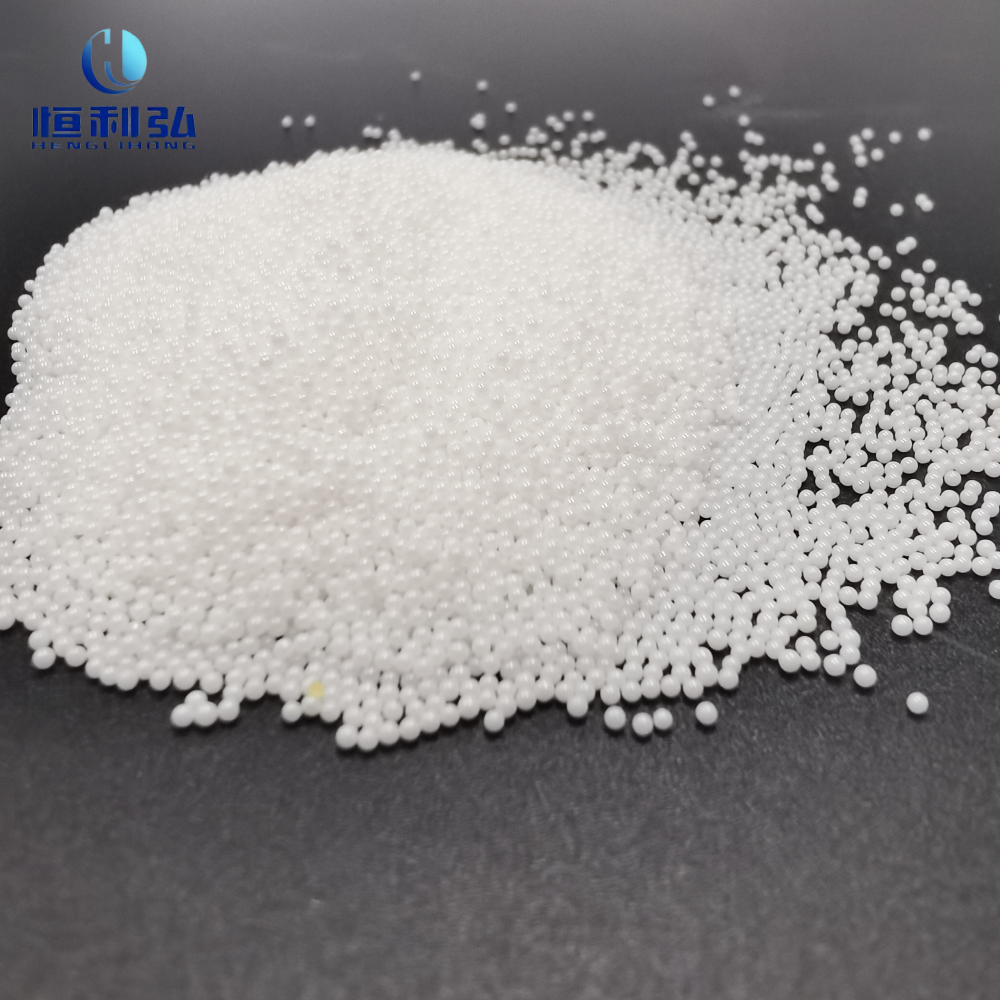
- Glass bead
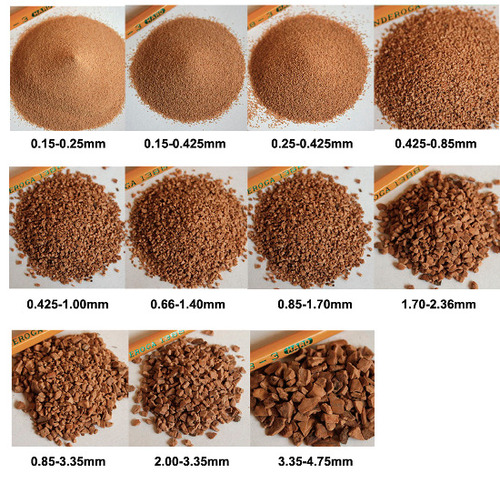
- Walnut shell / corn cob (soft blasting)
- Baking soda (soda blasting)
Each media type alters productivity, finish quality, and profile height.
15. Safety, Environmental & Regulatory Requirements
Sandblasting is heavily regulated due to exposure risks and dust emissions.
Critical requirements:
- Full protective suit and supplied-air respirator
- Containment system for dust
- Compliance with OSHA, NIOSH, ISO 11126, ISO 11127
- Waste media disposal regulations
16. Real Engineering Case Studies
Case Study 1: Refinery Tank Restoration
A petroleum storage tank with 40 years of corrosion required blasting to SSPC-SP10. Using 30/60
garnet at 95 psi, the contractor achieved a 60 μm profile and extended coating life from 5 years
to 18 years.
Case Study 2: Highway Bridge Rehabilitation
Steel girders were blasted with steel grit G40 to remove mill scale and rust. Productivity
averaged 1.8 m²/min, enabling a 30% project time reduction.
Case Study 3: Aircraft Component Bonding
Aluminum oxide blasting at 40 psi created a 12 μm profile optimized for structural adhesive
bonding. Peel strength increased by 45%.
17. Conclusion
Sandblasting is used across nearly every industrial sector because no other process offers the
same combination of cleaning power, surface preparation quality, and speed. Whether removing rust,
preparing surfaces for coatings, restoring structural assets, or performing precision micro-texturing,
sandblasting remains one of the most essential technologies in modern manufacturing and maintenance.
Фильтры