Preventing Iron and Foreign Material Contamination When Abrasive Blasting Titanium SLM Parts
Iron contamination on titanium surfaces is not a cosmetic defect — it is an electrochemical, clinical, and regulatory failure. On aerospace components it initiates galvanic corrosion; on medical implants it violates ISO 10993 biocompatibility requirements. Yet iron contamination is almost entirely preventable with the right combination of media selection, equipment management, and post-blast passivation. This guide provides the complete prevention protocol for titanium SLM abrasive blasting operations.
1. Contamination Sources in the Blast Process
Iron contamination during titanium blasting arrives from three distinct sources, and effective prevention requires addressing all three simultaneously. Failing to address even one source can invalidate the controls applied to the other two.
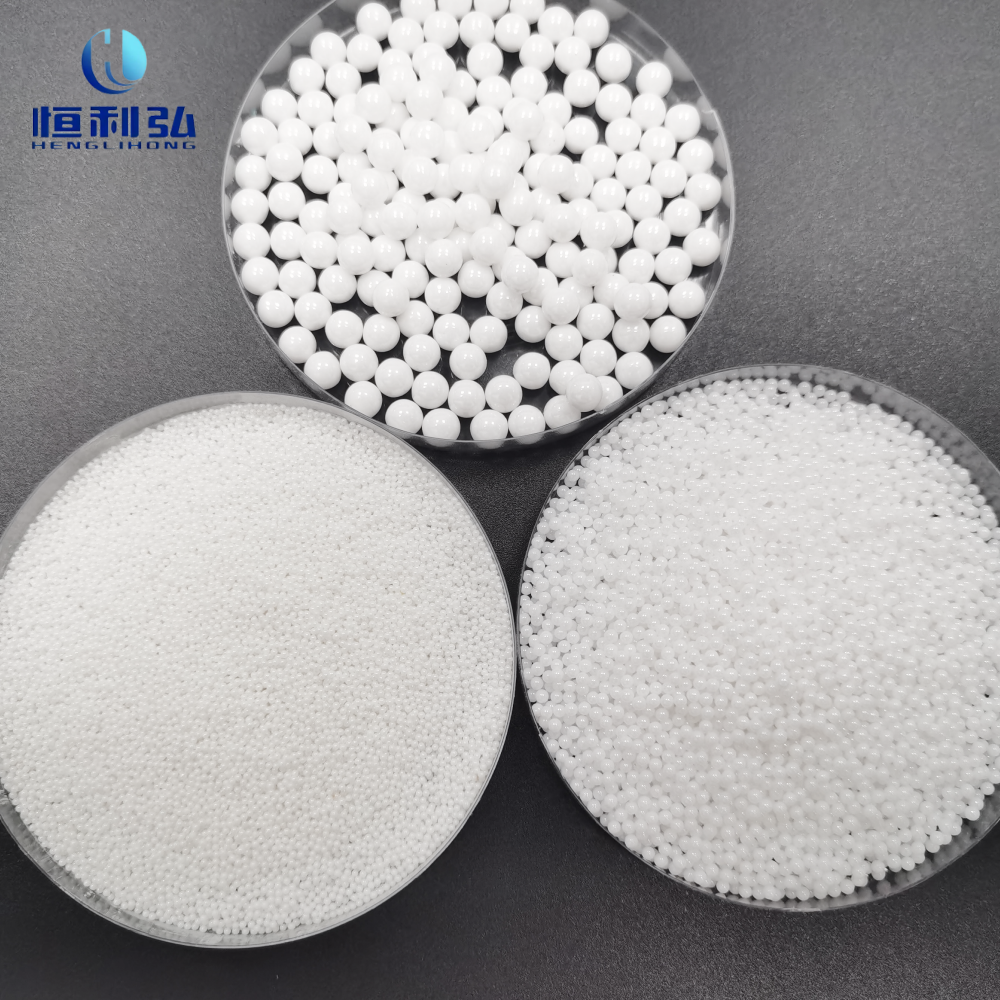
The media charge itself. Blast media containing iron or iron compounds as impurities or breakdown products will transfer iron to every part blasted. Steel shot and steel grit are the obvious examples, but even “non-ferrous” media such as soda-lime glass beads and some grades of aluminum oxide contain trace iron oxide as a natural impurity in the raw material. Media certification from the supplier — specifically XRF or ICP-OES analysis confirming total iron content below the required specification limit — is the first line of defense. Zirconia (ZrO₂) is the only common blast media that is effectively iron-free by its chemical nature and does not require special certification for iron content.
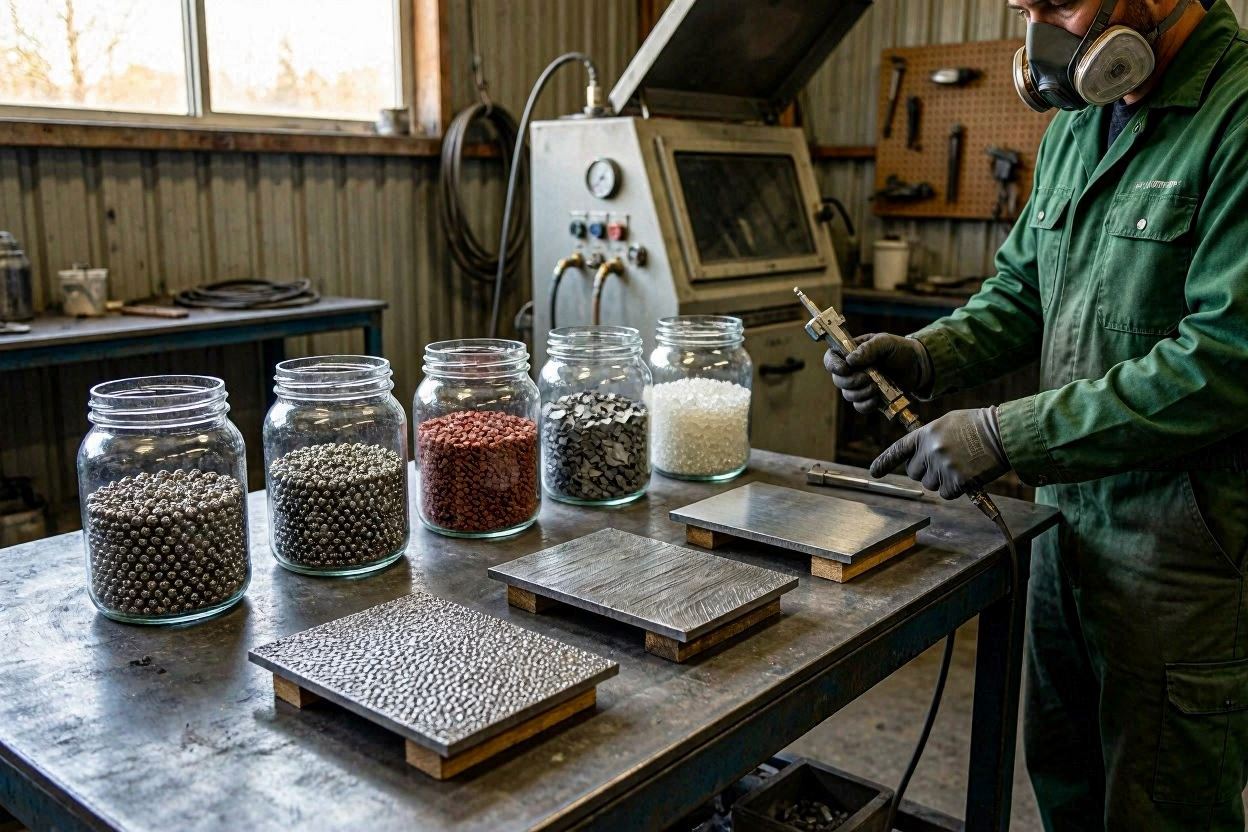
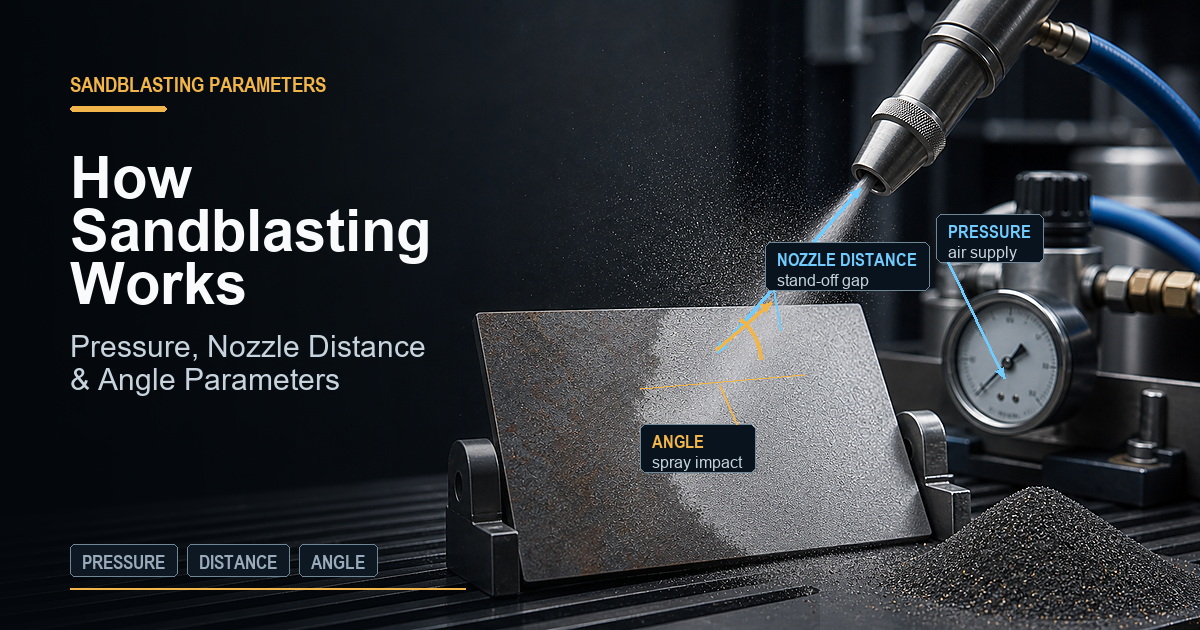
The blast cabinet and equipment. Blast cabinets that process ferrous parts accumulate iron deposits on internal walls, in the media hopper, in recirculation lines, and in the blast gun body and nozzle. These deposits are transferred to the media charge and subsequently to any part blasted in the same equipment. Iron transfer from contaminated equipment can be detectable by ferroxyl test on titanium even after loading a completely fresh, certified iron-free media charge. The only reliable solution is equipment segregation: dedicated blast cabinets, pots, guns, nozzles, and media charges that have never processed ferrous parts. Where segregation is impossible, a full wet purge and media replacement between ferrous and titanium runs, combined with post-blast ferroxyl verification on the titanium part, represents a risk mitigation (not a prevention) approach.
Handling and processing fixtures. Steel fixtures, mandrels, clamps, and work-holding devices that contact the part before, during, or after blasting can deposit iron through direct metallic transfer. For titanium blasting operations, handling fixtures should be made from aluminum, austenitic stainless steel (note: austenitic SS can still deposit iron), or approved plastics, and contact surfaces should be inspected and cleaned regularly.
2. Consequences by Application
Medical implants. ISO 10993 (Biological Evaluation of Medical Devices) establishes the framework for assessing biological compatibility of implant materials and surfaces. Free iron on a titanium implant surface is classified as a potentially cytotoxic and pro-inflammatory metal contamination. Regulatory bodies (FDA, EMA, and national notified bodies) reviewing implant technical files have challenged contamination control procedures where iron contamination from blasting was not adequately addressed. Beyond regulation, clinical evidence from early metal-on-metal implant failures demonstrates that particulate metallic debris triggers macrophage-mediated inflammatory responses that cause periprosthetic tissue damage and implant loosening. Even when the iron particles are from blasting rather than wear, the biological mechanism is the same.
Aerospace components. Ti-6Al-4V and other titanium alloys have a standard electrode potential approximately 0.6 V more noble than iron in seawater conditions. Iron particles embedded in or on the titanium surface create galvanic micro-cells that accelerate corrosion of the iron and can pit the surrounding titanium oxide layer. In marine or de-icing-salt environments, this is an active fatigue and corrosion risk. AMS 2700 (Passivation of Corrosion Resistant Steels), which is also applied to titanium components by many aerospace primes, specifies passivation procedures that include post-blast treatment specifically to remove surface iron contamination.
Industrial components. For titanium components in industrial applications without strict regulatory requirements, iron contamination is primarily a corrosion risk in chemically aggressive environments. For parts operating in dry air or inert gas environments, iron contamination may have no practical consequences. Engineers should assess the service environment and contamination sensitivity before deciding whether to invest in dedicated equipment and certified media or to accept iron contamination with passivation treatment.
3. Media Selection to Eliminate Iron Transfer
The most reliable single intervention to eliminate media-source iron contamination is selecting blast media that is chemically incapable of transferring iron to the titanium surface. Three options provide effective prevention:
- Yttria-stabilized zirconia (YSZ) beads: no iron content, no iron transfer even at high recycling frequencies. The definitive choice for medical and regulated aerospace applications.
- Dedicated, iron-free certified aluminum oxide: Al₂OΆ produced from high-purity bauxite with XRF-confirmed iron content below 0.01% (100 ppm). Used in a dedicated titanium-only cabinet, provides effective iron control for applications where zirconia cost is prohibitive. Must be re-certified between media charge replacements.
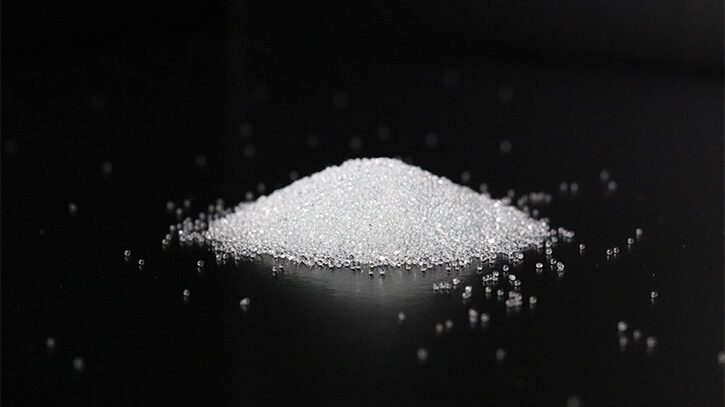
- Iron-free certified glass beads: borosilicate or high-purity soda-lime glass with supplier certification for Fe₂O₃ content below 0.05% by weight. Suitable for non-medical applications where the other contamination vectors (equipment, handling) are also controlled.
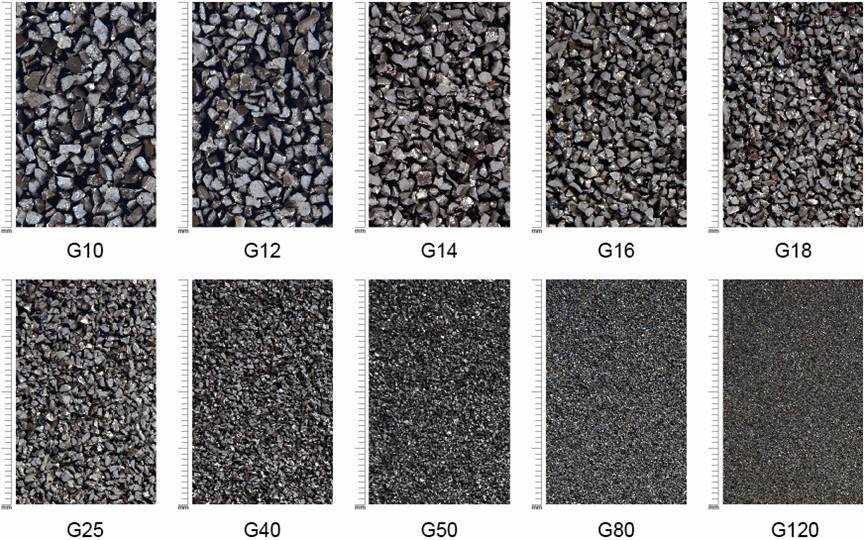
Steel shot, steel grit, and metallic cast iron grit should never be used on titanium SLM parts in any application. The iron transfer from these media is quantitative and cannot be adequately managed by post-blast passivation alone.
4. Equipment Segregation and Cabinet Protocols
Designate at least one blast cabinet (including pot, gun, nozzle, and media charge) exclusively for titanium and non-ferrous alloys. Label the cabinet prominently. Document in the equipment register that this cabinet is restricted to non-ferrous use. Never run ferrous parts through this cabinet, even as a one-time exception.
Blast nozzles in dedicated titanium cabinets should be boron carbide or tungsten carbide — never unlined steel, which transfers iron directly to the media stream. Replace nozzles on a scheduled basis before wear creates iron-bearing steel particles in the blast stream. Log nozzle change history in the equipment maintenance record.
Track media recycling cycles. At replacement, remove the entire media charge, clean the cabinet interior, and reload with fresh certified media. Do not top-up degraded media with fresh media without cleaning — contaminated fines in the remaining charge will continue to transfer iron. Log media batch numbers, supplier certifications, and cycle counts in the process record.
Use aluminum or approved-plastic work-holding fixtures. Wear clean nitrile gloves when handling titanium parts before and after blasting. Never place blasted titanium parts on unprotected steel surfaces. Use aluminum trays or clean polyethylene-lined containers for in-process storage between operations.
5. Detection: Ferroxyl Test and XRF Verification
The ferroxyl test is the standard in-process and inspection method for detecting free iron on titanium surfaces. The test solution is prepared by dissolving sodium ferricyanide (Na₃[Fe(CN)₆]) in a dilute nitric acid solution. When this solution contacts free metallic iron or iron oxide on the surface, a chemical reaction produces a blue-colored complex (Turnbull’s blue). The test is performed by applying the solution to the cleaned, dried titanium surface and observing for blue coloration within 2 minutes. Blue spots indicate free iron; a uniformly yellow or orange color (from the reagent itself) with no blue indicates pass. The ferroxyl test is sensitive to iron concentrations as low as approximately 1 μg/cm², making it appropriate for most aerospace and medical contamination control requirements.
XRF (X-ray fluorescence) surface analysis provides quantitative elemental data when the ferroxyl test confirms contamination and the customer or regulatory body requires quantification. Portable XRF instruments can perform spot analysis on part surfaces in seconds, confirming the identity and relative concentration of contaminant elements. XRF results should be interpreted in context — the instrument reports surface-weighted concentrations that depend on the analysis spot size, and absolute calibration against certified titanium standards is required for accurate results.
6. Passivation and Corrective Action
When contamination is detected by ferroxyl test after blasting, the corrective action sequence is: re-blast with clean media in the dedicated cabinet to dislodge surface-deposited particles, then apply nitric acid passivation per AMS 2700 Method 1 (20–40% v/v HNO₃ at room temperature, 30–60 minutes) to dissolve any remaining surface iron, then re-clean and re-inspect. Repeat if the ferroxyl test still indicates iron after one passivation cycle. If contamination persists after two passivation cycles, investigate the source (media certification, equipment contamination, handling) and correct before reprocessing.
For medical implant applications where any level of iron contamination detected by ferroxyl is a rejection criterion, contaminated parts should be quarantined and subjected to a non-conformance investigation before disposition. Passivation alone may not be an acceptable corrective action if the contamination is traced to systemic equipment failure rather than an isolated incident.
Contamination prevention connects directly to post-blast passivation chemistry. For the complete passivation protocol and post-blast cleaning sequence, see our guide on post-blast cleaning, passivation, and inspection of abrasive-finished titanium SLM parts.
Часто задаваемые вопросы
Stainless steel (particularly austenitic grades 304 and 316) is often perceived as non-ferrous, but it contains 70–74% iron by weight. Blasting stainless steel generates iron-containing metallic debris that contaminates the blast cabinet just as effectively as carbon steel. From a contamination perspective, stainless steel blasting creates the same risk as carbon steel for subsequent titanium blasting in the same equipment. Dedicated equipment for titanium should be segregated from all ferrous metals, including stainless steel.
The ferroxyl test is sensitive to approximately 1–5 μg/cm² of surface iron, depending on the specific reagent formulation and exposure time. This is sufficient sensitivity for most aerospace and medical contamination control applications. The test does have limitations: it detects free metallic iron and iron oxide on the surface but may not detect iron that has been chemically incorporated into a thick TiO₂ passive layer or that is present as sub-surface embedded particles below the detection depth. In cases where passivation has already been applied before testing, embedded particles sealed beneath the oxide layer may not be detected. For maximum sensitivity, perform the ferroxyl test on the cleaned titanium surface before passivation treatment.
Nitric acid passivation (AMS 2700 Method 1: 20–40% v/v HNO₃, RT, 30–60 min) dissolves free metallic iron and iron oxide from the titanium surface with high effectiveness. However, iron particles that have been embedded below the titanium surface by high-pressure blast impact may not be fully removed by passivation alone, because the acid has limited diffusion depth into the embedded particle contact zone. For deeply embedded particles, re-blasting at lower pressure to expose the particles, followed by passivation, is required. This reinforces the prevention approach: avoiding iron contamination entirely (through media and equipment selection) is more reliable than remediating it through passivation after the fact.
For titanium SLM blasting media, require: (1) XRF or ICP-OES analysis certificate confirming total iron content per batch, with a maximum limit appropriate to your application (typically <0.01% for medical, <0.05% for aerospace industrial); (2) particle size distribution certificate confirming mesh range compliance; (3) hardness confirmation (Mohs or Vickers); and (4) for zirconia, Y₂O₃ stabilizer content confirmation (typically 3–5 mol% for maximum toughness). For medical implant applications, additionally request a Certificate of Conformance (CoC) stating that the media meets the requirements of your referenced specification. Retain all certificates in the batch record as part of the special process traceability package.
Need Specialist Abrasive Media for Titanium SLM Finishing?
Jiangsu Henglihong Technology Co., Ltd. supplies certified iron-free abrasive media for titanium SLM blasting — including zirconia beads, high-purity Al₂O₃, and certified glass beads — with full batch certification available for medical and aerospace traceability requirements. Contact our team for supply specification and certification documentation.
Contact Our Technical TeamФильтры