Abrasive Blasting Media for Paint & Coating Removal
A comprehensive application guide to selecting abrasive blasting media for paint and coating removal — matching media type to coating chemistry, substrate material, and downstream process requirements across industrial, marine, automotive, and aerospace applications.
- Paint & Coating Removal by Blasting: The Principles
- Media Selection by Coating Type
- Media Selection by Substrate
- Industrial Protective Coatings (Epoxy, Polyurethane, Zinc)
- Automotive Paint Removal
- Aerospace Coating Removal
- Lead Paint Removal Considerations
- Selective & Partial Coating Removal
- Часто задаваемые вопросы
Paint & Coating Removal by Blasting: The Principles
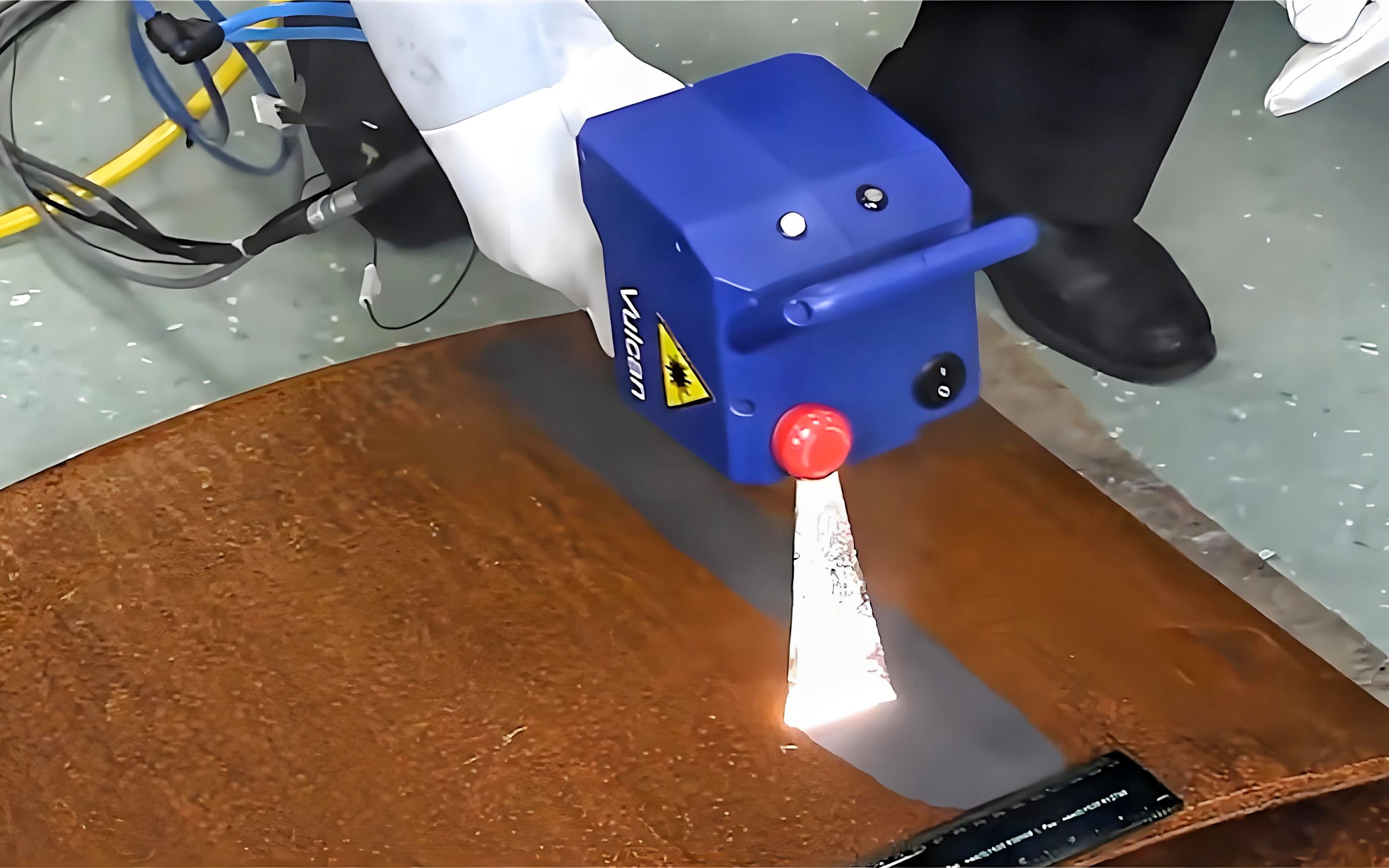
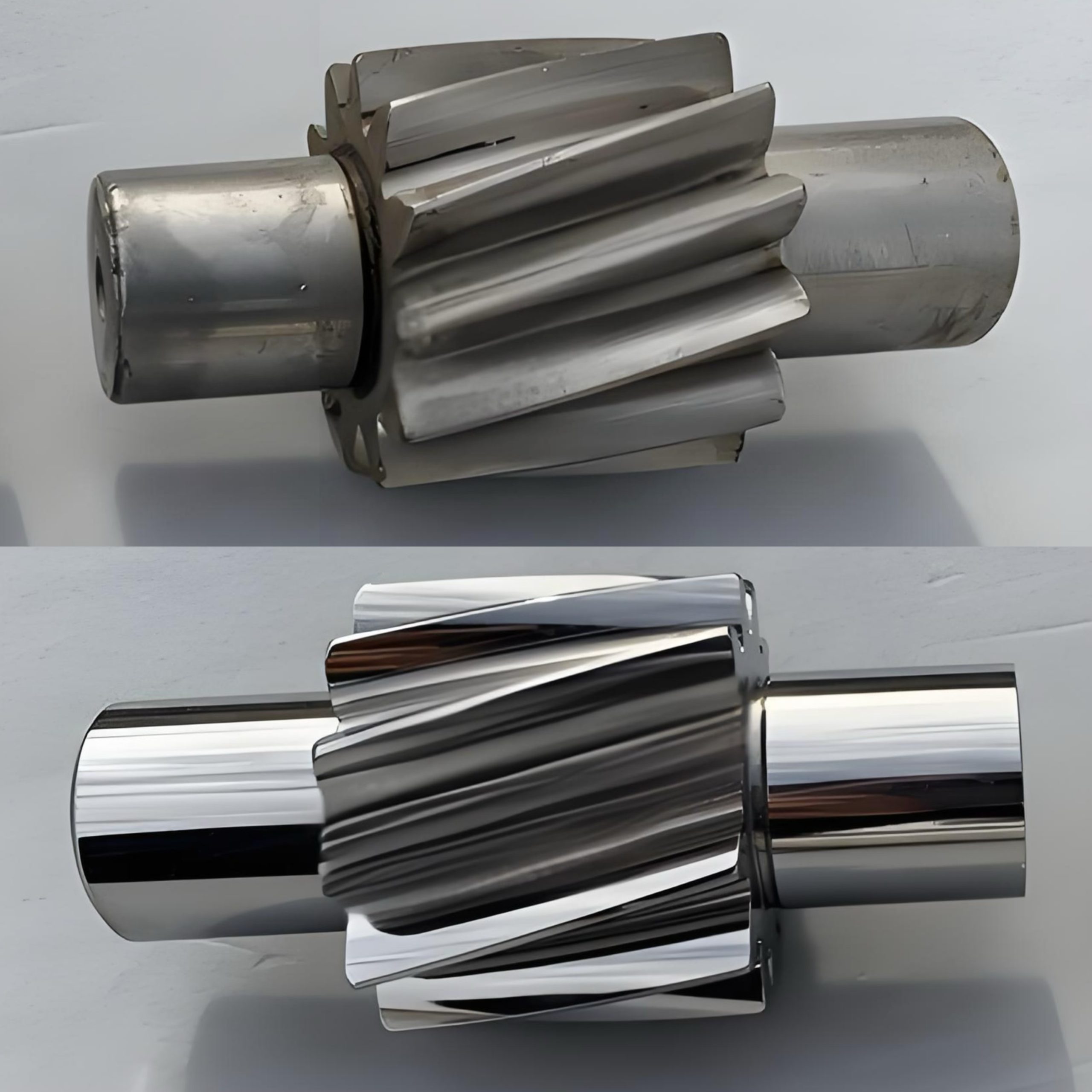
Abrasive blasting removes paint and protective coatings through the same kinetic impact mechanism used for rust removal — but the specific media requirements differ based on the coating chemistry, substrate sensitivity, and what must happen to the surface after stripping. Whether the goal is re-coating to the original specification, downgrading to a simpler system, or returning a precision component to dimensional specification, the media choice determines both the efficiency of removal and the integrity of the substrate beneath.
Unlike rust removal, which always targets complete contamination elimination to a defined cleanliness grade, paint removal blasting has three distinct outcome modes: full stripping to bare metal (most common — remove all coating layers down to bare substrate), selective layer removal (remove topcoat while preserving primer), and substrate-protective removal (remove coating without altering substrate profile, dimensions, or surface treatment — required for aerospace composites and precision components).
The choice of media, grit size, and process parameters must be matched to the outcome mode — and this varies dramatically between a structural steel topcoat recoat and an aerospace composite MRO operation. For the complete 7-factor selection framework: How to Choose Abrasive Blasting Media: 7 Key Factors Explained.
Media Selection by Coating Type
| Coating Type | Typical DFT | Hardness / Adhesion | Recommended Media | Grit Size | Pressure (PSI) |
|---|---|---|---|---|---|
| Epoxy primer (thin film) | 50–125 µm | High adhesion | Steel Grit GL or Al₂O₃ | G-40–G-50 / F46–F60 | 70–100 |
| High-build epoxy | 300–600 µm | Very high, tough | Steel Grit GH or Coarse Al₂O₃ | G-25–G-40 / F36–F46 | 80–110 |
| Zinc-rich primer | 60–100 µm | Hard, inorganic binder | Steel Grit GL or Al₂O₃ | G-40 / F46–F60 | 80–100 |
| Polyurethane topcoat | 75–200 µm | Flexible, UV-resistant | Steel Grit GL or Garnet | G-50 / 30/60 mesh | 70–90 |
| Coal tar epoxy | 200–400 µm | Very tough, brittle when cold | Steel Grit GH | G-25–G-40 | 90–110 |
| Alkyd paint (old) | 50–150 µm | Moderate — softens with age | Garnet or Al₂O₃ | 30/60 / F60–F80 | 60–80 |
| Automotive OEM paint (steel) | 100–200 µm total | Multi-layer, flexible | Al₂O₃ or Steel Grit GL | F60–F80 / G-50 | 60–80 |
| Automotive paint (aluminum) | 100–200 µm total | Multi-layer, flexible | Melamine Plastic Grit | Medium grade | 30–50 |
| Powder coating | 60–200 µm | Hard, cross-linked | Al₂O₃ or Steel Grit | F46–F60 / G-40–G-50 | 70–100 |
| Aircraft aerospace paint (CFRP) | 100–250 µm | Multi-layer | Melamine Plastic Grit | Medium–Fine | 30–50 |
| FBE pipeline coating | 350–500 µm | Very hard, brittle | Steel Grit GH or Coarse Al₂O₃ | G-25 / F24–F36 | 90–110 |
| Antifouling marine paint | 200–400 µm total | Soft, self-polishing | Garnet or Steel Grit GL | 30/60 / G-50 | 60–80 |
Media Selection by Substrate
| Substrate | Key Constraint | Recommended Media | Media to Avoid |
|---|---|---|---|
| Carbon steel (structural) | Profile for re-coating; iron contamination not an issue | Steel Grit, Al₂O₃, Garnet | кварцевый песок |
| Нержавеющая сталь | Zero iron contamination; preserve passivation | White Al₂O₃, Glass Bead | Steel grit/shot, Brown Al₂O₃ |
| Aluminum alloy (thick section) | No iron contamination; can accept light profiling | White Al₂O₃ (F60–F80), Glass Bead | Steel grit/shot |
| Aluminum alloy (aircraft skin) | Preserve anodize/alodine; zero substrate removal | Melamine Plastic Grit (30–50 PSI) | All mineral and metallic media |
| CFRP / composite | No fiber damage; zero substrate profiling | Melamine Plastic Grit (low pressure) | All hard media |
| Fiberglass (GRP) | No fiber exposure; preserve gel coat where possible | Plastic Grit or Fine Garnet | Steel media; coarse mineral |
| Galvanized steel | May need to remove zinc coating — confirm scope | Al₂O₃ F46–F60 or Garnet | Coarse steel grit (removes zinc too fast) |
| Titanium / nickel superalloy | Zero iron contamination; tight profile control | White Al₂O₃ or Glass Bead | Steel media; Brown Al₂O₃ |
| Cast iron | Porous surface — remove coatings completely | Steel Grit GH or Coarse Al₂O₃ | Soft media |
| Wood | Preserve grain; remove only surface coating | Walnut Shell or Corn Cob | All mineral and metallic media |
Industrial Protective Coatings: Epoxy, Polyurethane, and Zinc
The removal of industrial protective coating systems from structural steel — for maintenance repainting, asset life extension, or specification change — is one of the highest-volume paint removal applications in the world. The process is straightforward in principle: use angular media aggressive enough to cut through the coating stack in a reasonable number of passes, while simultaneously re-profiling the substrate to the specification required by the new coating system.
For maintenance repainting where the new coating system requires the same profile as the original (typically Sa 2.5, 40–75 µm Rz), steel grit GL G-40 to G-50 performs the stripping and re-profiling in a single step with minimal media changes between the two operations. This makes steel grit the most economically efficient choice for industrial coating removal at scale — simultaneous stripping and surface preparation without a process step change. For full steel grit technical data: Steel Shot & Steel Grit Blasting Media.
High-build coal tar epoxy and thick-film pipeline coatings (FBE) require more aggressive media — GH grade grit or coarse aluminum oxide F24–F36 — to cut through the coating thickness efficiently. Cold temperatures make some coating types brittle (particularly coal tar epoxy below 10°C), which can actually aid removal by causing the coating to fracture more readily under blast impact.
Automotive Paint Removal
Automotive paint removal blasting is dominated by two very different substrate scenarios that require opposite approaches: steel body panels (conventional thick-section steel, tolerates angular media) and aluminum body panels and CFRP components (thin-section, dimensionally critical, cannot tolerate any hard abrasive at normal blasting pressures).
Steel Body Panels
Steel automotive body panels can be blast-stripped with aluminum oxide F60–F80 or garnet 36/60 mesh at moderate pressure (60–80 PSI). The key challenge is that automotive sheet steel is thin (typically 0.6–1.2 mm) and prone to thermal warping if blast pressure or dwell time is excessive. Use consistent medium-pressure blasting with wide-coverage nozzles and keep the nozzle moving to prevent localized stress concentration. After stripping, the surface can be directly re-primed at the resulting profile (typically 20–40 µm Ra) without further preparation.
Aluminum Body Panels
Modern aluminum-intensive vehicles — and classic aluminum-bodied vehicles — require melamine plastic grit at 30–50 PSI for paint removal. The plastic grit removes the paint system without touching the aluminum substrate, preserving any conversion coating (chromate or alternative) that remains on the aluminum surface. This eliminates the need to re-treat the aluminum surface before repainting, saving both time and material cost. For comprehensive coverage of automotive and aerospace blasting: Blasting Media for Automotive & Aerospace Applications.
Aerospace Coating Removal
Aerospace coating removal is among the most technically demanding paint stripping applications, governed by strict material specifications (AMS, MIL-SPEC, OEM process documents) that define acceptable media types, pressure ranges, nozzle standoff distances, and coverage requirements. The primary objectives are removing all coating layers efficiently while:
- Preserving the structural integrity of the aluminum alloy or CFRP substrate
- Not removing measurable material from the substrate
- Not damaging or removing the anodized or alodined surface treatment beneath the paint system
- Not embedding abrasive particles in the substrate surface
- Not altering the aerodynamic profile of airfoil surfaces
Melamine plastic grit (AMS 2441) is the standard media for all of these requirements. It is used at 30–50 PSI with controlled standoff distance (typically 15–25 cm) and impingement angle (typically 45–60°). For the most sensitive composite or thin aluminum structures, urea plastic grit at even lower pressure (20–35 PSI) may be specified.
Lead Paint Removal: Critical Safety Considerations
Blasting to remove lead-based paint (common on pre-1980 industrial structures, bridges, ships, and buildings) requires specific engineering controls beyond standard blasting safety requirements. Lead dust is highly toxic — ingestion or inhalation of lead particles causes serious, irreversible neurological damage. Key requirements include: full containment to prevent lead dust escape to the environment; HEPA-filter dust collection; supplied-air respirators (not half-face respirators with particulate filters alone); lead blood testing for workers; and disposal of all spent media and blast debris as hazardous waste under EPA RCRA regulations (US) or equivalent national legislation. Always engage a certified lead abatement contractor for significant lead paint removal projects.
The choice of blasting media for lead paint removal does not change the fundamental safety requirements — it affects only the efficiency of paint removal and the volume of waste generated. Lower-dust media (garnet, steel grit) reduce airborne lead levels during blasting compared to high-dust alternatives, but do not eliminate the need for full containment and respiratory protection.
Selective & Partial Coating Removal
Not all paint removal blasting targets complete stripping to bare metal. Two selective removal scenarios arise frequently in industrial maintenance:
Topcoat removal preserving primer: When a topcoat is damaged or delaminated but the underlying primer is intact and well-adhered, blast stripping the topcoat while leaving the primer saves the cost of full recoating. This requires careful calibration of media size, pressure, and blast duration — fine garnet (36/60 to 60/100 mesh) at reduced pressure (50–70 PSI) can selectively remove flexible topcoat materials without cutting through the harder epoxy primer beneath. Trial blasting and cross-cut adhesion testing of the remaining primer is essential before proceeding with this approach on any significant area.
Spot blasting for coating repair: Localized corrosion breakthrough or mechanical damage requires spot blast cleaning of the affected area and a defined margin around it before applying repair coatings. Portable pneumatic blasting with aluminum oxide or garnet provides the control needed for this application. The blast margin around the damage should feather into the adjacent intact coating to ensure the repair coating bonds to both the bare metal and the existing coating without creating a sharp edge that could trap moisture.
Source Paint Removal Blasting Media from Jiangsu Henglihong Technology
We supply the full range of media for paint and coating removal applications: aluminum oxide (F16–F220), silicon carbide, glass beads, and steel shot/grit in all grades and sizes. All products carry chemical analysis certificates and compliance documentation for export to global markets.
Request a Quote or SampleЧасто задаваемые вопросы
Фильтры