Glass Bead Blasting for Surgical Instruments: Matte Anti-Glare Finish, Stress Relief, and Passivation Sequence
Every stainless steel surgical instrument used in a modern operating theater has been glass bead blasted. The matte satin finish characteristic of hemostats, retractors, needle holders, and scissors is not a cosmetic choice — it is a functional requirement driven by the physics of surgical lighting. High-intensity LED surgical lights produce illuminance of 40,000–160,000 lux. A polished instrument surface in that field acts as a mirror, reflecting a concentrated glare beam directly into the surgeon’s field of view at the critical moment of tissue manipulation. Glass bead blasting eliminates that risk by transforming the specular surface into a diffuse one. This guide covers the complete process: glass bead selection, blasting parameters, the stress relief benefit, and the passivation sequence that protects the finished instrument through thousands of autoclave cycles.
1. The Surgical Glare Problem and How Matte Finish Solves It
The modern operating theater is an extremely bright environment. LED surgical ceiling lights and headlights are designed to illuminate deep surgical cavities, minimize shadows, and render tissue colors accurately for the surgeon. The illuminance at the surgical field routinely exceeds 100,000 lux — approximately 10,000 times brighter than a comfortably lit office. In this environment, a polished stainless steel instrument surface behaves as a mirror.
When parallel rays of light from a surgical fixture strike a smooth polished metal surface, they reflect at an angle equal to the angle of incidence — a phenomenon called specular reflection. The reflected beam is bright, concentrated, and directional. If the instrument happens to be oriented such that the reflected beam points toward the surgeon’s eyes, the glare effect is intense enough to temporarily impair vision during a critical surgical moment. This is not a minor inconvenience — it is a patient safety risk, particularly in procedures involving blood vessels, nerves, or delicate tissue planes where momentary visual impairment can have serious consequences.
Glass bead blasting transforms a specular surface into a diffuse one by replacing the large flat mirror-like surface patches of a polished instrument with an isotropic texture of microscopic hemispherical depressions. When light strikes this micro-textured surface, it scatters in all directions uniformly — this is Lambertian diffuse reflection. No directional glare beam is produced. The instrument is clearly visible (it reflects plenty of light toward the surgeon’s eyes from every viewing angle), but no concentrated reflected beam is generated regardless of instrument orientation. This is the fundamental physics behind the matte finish requirement for all stainless steel surgical instruments.
2. Glass Beads for Medical Use: Properties, Grades, and Qualification
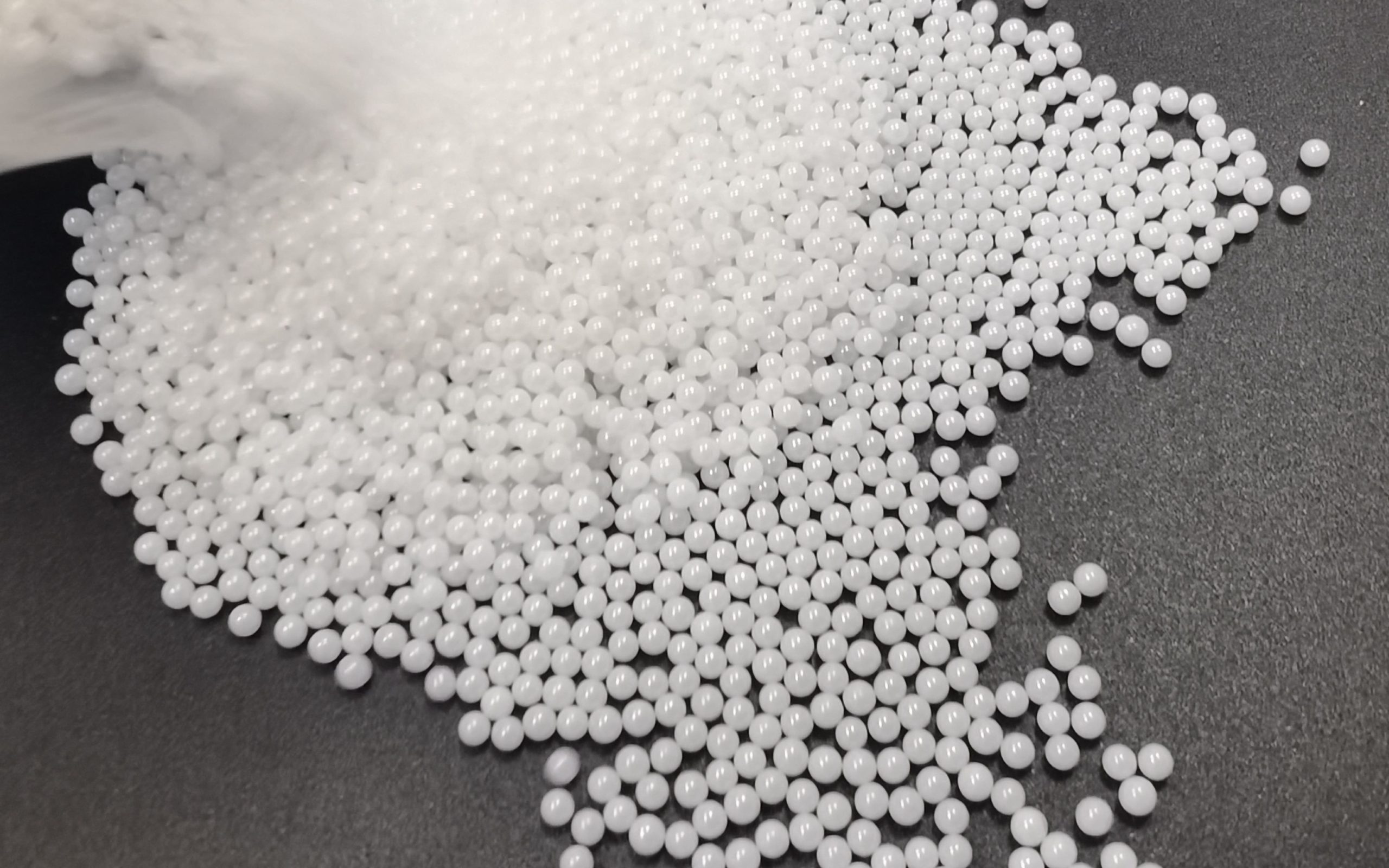
Not all glass beads used in industrial finishing are suitable for medical device applications. Glass beads for surgical instrument finishing must meet requirements for chemical composition, particle size distribution, roundness, and freedom from contaminating surface films that could interfere with subsequent passivation.
Heavy deburring
Instrument deburr
Instrument finish
Precision finish
Glass beads for medical instrument finishing are governed by MIL-PRF-9954 (military specification for glass beads used in peening and finishing), which defines size grades, roundness requirements (minimum 85% true spheres), hardness (Mohs 6), specific gravity, and chemical composition limits. For medical device applications, the key additional requirements are freedom from heavy metal impurities (lead, arsenic) in the glass composition and documentation of composition via certificate of conformance.
The choice of bead grade is driven by the target surface roughness (Ra) and the nature of the surface to be treated. For the standard matte instrument finish, #10–#12 glass beads are most commonly used, producing Ra values in the 0.6–1.2 μm range that provide effective diffuse reflection while maintaining a fine, uniform texture that does not feel rough to the touch. Instruments requiring heavier deburring first — those with machining burrs or welding spatter — may be treated with coarser beads (#8–#10) for deburring before a final finishing pass with finer beads (#12–#13).
3. Complete Blasting Process Sequence
Incoming inspection and pre-cleaning
Instruments arriving from machining or forming operations are inspected for gross defects and pre-cleaned in alkaline detergent solution to remove cutting oils, preservative coatings, and handling contamination. Residual lubricant films prevent uniform bead impact and create shadow zones of inconsistent finish. All instruments must be clean and dry before entering the blasting cabinet.
Masking critical features
Precision mating surfaces, jaw serrations that require sharp edges, and any surface with a dimensional tolerance tighter than the process change tolerance are masked with rubber plugs, adhesive tape, or protective caps. On scissors and cutting instruments, the cutting edges themselves may be masked to prevent rounding by bead impact.
Glass bead blasting
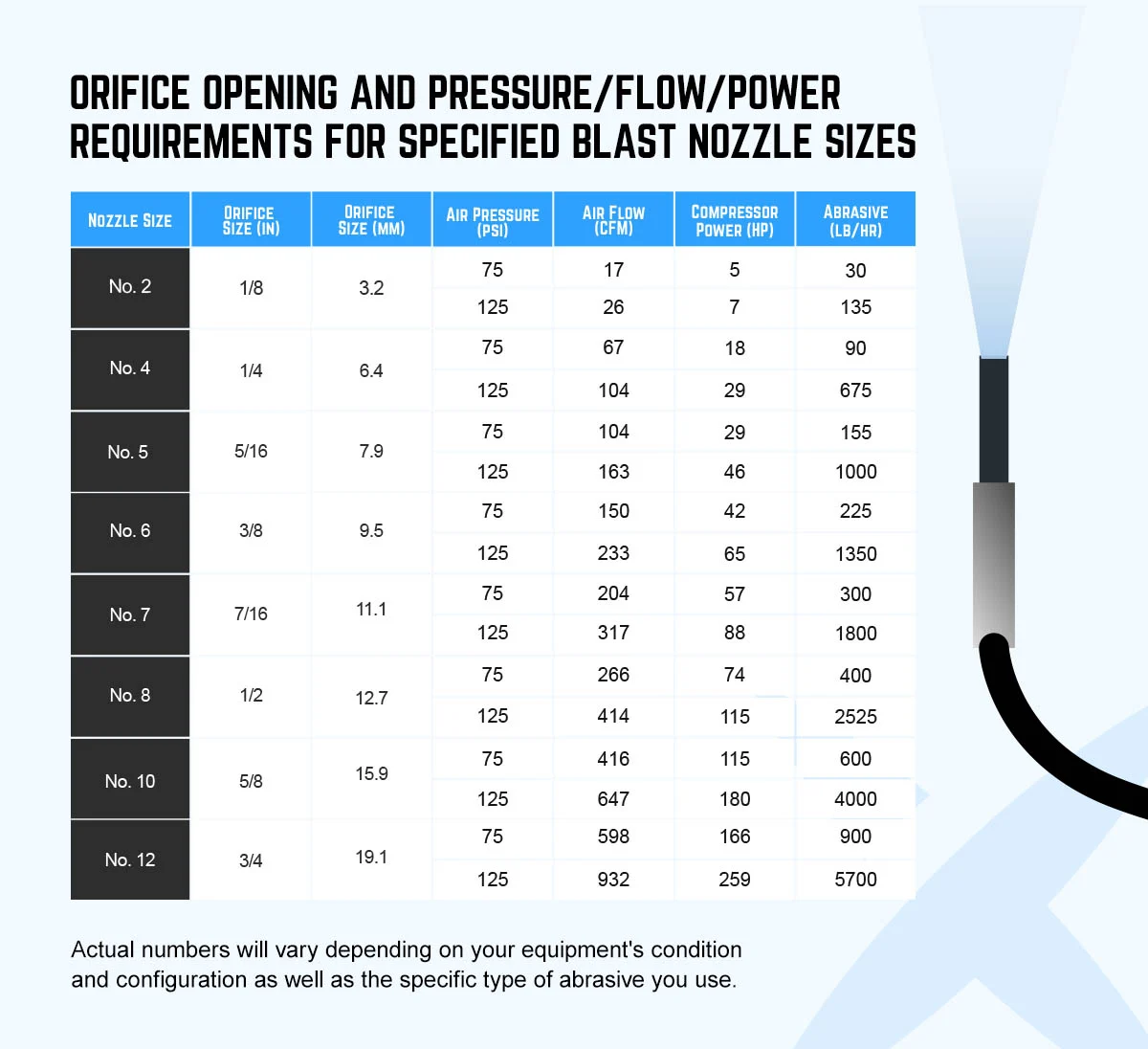
Instruments are placed in a pressure-blast cabinet with rotating fixture or tumbling basket, depending on instrument geometry. Pressure is set at 1.5–3.0 bar for fine finish work; higher pressures (2.5–3.5 bar) for deburring passes. Dwell time and rotation/tumble cycles are defined by the validated process specification. Nozzle-to-part distance is typically 100–200 mm for matte finishing.
Compressed air blow-off and post-blast cleaning
Filtered compressed air removes loose bead fragments from instrument surfaces and internal passages. Instruments then proceed to ultrasonic cleaning in aqueous alkaline detergent, followed by deionized water rinse stages, to remove all bead residue and detergent before passivation. This cleaning must occur within the validated time window before passivation begins.
Passivation
Passivation per ASTM A967 or ASTM F86 in nitric acid or citric acid solution restores the chromium oxide passive layer. Instruments are immersed for the specified time at the specified concentration and temperature, then rinsed thoroughly in deionized water and dried.
Passivation verification and final inspection
The quality of passivation is verified by the copper sulfate test (ASTM A967 Appendix), ferroxyl test, or water immersion test. Final visual inspection confirms uniform matte finish coverage, absence of shiny spots (inadequate coverage), and absence of over-blast damage (dimensional change or surface roughening beyond specification).
4. Stress Relief and Fatigue Life Improvement
The compressive stress benefit of glass bead blasting is frequently overlooked in discussions focused on the optical (anti-glare) outcome, but it is an equally important functional benefit for surgical instruments that undergo repeated mechanical loading and sterilization cycling.
Machining, grinding, and forming operations introduce residual tensile stresses in the surface layer of stainless steel instruments. Tensile surface stresses promote crack initiation and propagation under cyclic loading — the exact condition experienced by hemostat jaws repeatedly compressed and released, scissors blades repeatedly opened and closed, and retractors repeatedly bent and straightened. The repeated autoclave sterilization that surgical instruments undergo (typically 400–1000 cycles over instrument service life) adds thermal cycling stress to mechanical fatigue.
When glass beads impact the instrument surface at controlled velocity, each impact creates a local zone of plastic deformation. Because the plastically deformed zone is constrained by the surrounding elastic material, the deformed zone is left in biaxial compression after the impacting bead bounces away. As the entire exposed surface is uniformly peened by the bead blasting operation, the result is a surface layer in biaxial compressive residual stress to a depth of approximately 50–200 μm (depending on bead size and pressure).
This compressive stress layer opposes crack initiation by closing any sub-surface microcracks that would propagate under tensile loading. The net effect is a measurable improvement in high-cycle fatigue strength — typically 10–30% in controlled studies on 316L stainless steel — and improved resistance to stress corrosion cracking in the saline/steam environment of autoclave sterilization. For high-value instruments expected to survive hundreds or thousands of use-sterilization cycles, this fatigue benefit is a meaningful contribution to instrument service life.
5. Passivation: ASTM A967 and ASTM F86
Stainless steel achieves its corrosion resistance through a passive chromium oxide (Cr₂O₃) layer 1–5 nm thick that forms spontaneously on the surface when chromium in the alloy reacts with atmospheric oxygen. This passive layer is chemically inert, self-repairing in air, and highly resistant to corrosion in most aqueous environments including biological fluids.
The blasting operation disrupts this passive layer in two ways: the mechanical impact of beads physically breaks through the oxide film, and the process potentially introduces free iron contamination from the blasting media or equipment into the disrupted surface. Free iron exposed at the surface corrodes readily in the chloride-containing steam environment of autoclave sterilization, producing rust staining and pitting that compromises both instrument function and patient safety.
Passivation treatment chemically removes free iron from the surface and accelerates reformation of the chromium oxide passive layer to a density and integrity superior to the naturally formed layer. The two main passivation chemistries for surgical stainless steel instruments are:
| Method | Chemistry | ASTM A967 Practice | Key Characteristics |
|---|---|---|---|
| Nitric acid | 20–40% HNO₃, room temp to 55°C | Practice A, B, C, D | Traditional; effective on all 300- and 400-series stainless; strict rinse requirements |
| Citric acid | 4–10% citric acid, 21–65°C | Practice E, F, G | Environmentally preferred; effective on 300-series; less aggressive on lower-chromium alloys |
ASTM F86 (Surface Preparation and Marking of Metallic Surgical Implants) applies specifically to metallic surgical devices and requires passivation by methods per ASTM A380 or ASTM A967. Post-passivation testing per ASTM A967 verifies passivation quality: the copper sulfate test (free iron dissolves the copper sulfate indicator creating a copper deposit on unpassivated spots), the ferroxyl test (potassium ferricyanide solution turns blue in the presence of free iron), and the high humidity test (24 hours at 98% RH, 49°C; no rust staining indicates acceptable passivation).
6. Application by Instrument Type
| Instrument Type | Общий материал | Bead Grade | Pressure (bar) | Target Ra (μm) | Notes |
|---|---|---|---|---|---|
| Hemostats / Clamps | 304, 316L SS | #10–#12 | 2.0–2.5 | 0.6–1.2 | Jaw serration area may be masked |
| Scissors (body) | 420, 440C SS | #12–#13 | 1.5–2.0 | 0.4–0.8 | Cutting edges masked; higher-hardness alloy may need higher pressure |
| Needle Holders | 304, 316L SS | #10–#12 | 2.0–2.5 | 0.6–1.2 | Jaw tungsten carbide inserts masked or replaced after blasting |
| Retractors | 304 SS | #8–#10 | 2.5–3.5 | 0.8–1.6 | Larger surface area; tumble or rotary blasting efficient |
| Forceps / Tissue Graspers | 316L SS | #12 | 1.5–2.0 | 0.4–0.8 | Delicate tips masked; fine finish for patient comfort |
| Bone Rongeurs | 17-4PH SS | #10 | 2.5–3.0 | 0.6–1.2 | Higher-hardness alloy; cutting surfaces masked |
7. Quality Control, Inspection, and Documentation
Quality control for glass bead blasted surgical instruments spans three dimensions: surface finish consistency, passivation quality, and dimensional integrity.
Surface finish measurement: Ra is measured using a calibrated contact profilometer on a flat or gently curved representative surface of each instrument lot (or statistical sample per the sampling plan). Measurements are taken along the measurement length and cutoff wavelength per ISO 4287. For surgical instruments, Ra specifications are typically in the range of 0.4–1.6 μm; values above specification indicate over-blasting or coarser media than specified; values below specification indicate under-blasting or media degradation.
Визуальный осмотр: Each instrument is visually inspected under appropriate lighting for uniform matte finish coverage. Shiny (polished-appearing) areas indicate insufficient blasting coverage or media shadowing from poor fixture design. Dark spots or pitting indicate over-blasting or contaminated blast media. The instrument surface should present a uniform, fine-grained matte appearance consistent across all non-masked surfaces.
Passivation verification: Lot sampling per the validated sampling plan; copper sulfate or ferroxyl test; results recorded in the batch record. Any failures trigger investigation, lot hold, and corrective action per the CAPA process.
Dimensional inspection: For precision instruments with dimensional tolerances, sampling inspection of critical dimensions (jaw opening, spring force, tip geometry) verifies that blasting has not altered dimensions beyond allowable tolerance. This is typically only an issue for very fine or thin instruments where accumulated bead impact could round edges or change tip geometry.
8. Frequently Asked Questions
Glass bead blasting achieves four simultaneous objectives: eliminating specular glare under high-intensity surgical lighting by producing a uniform diffuse matte surface; introducing compressive residual stresses that extend fatigue life; creating a surface texture that is easier to inspect for cleanliness after autoclaving; and preparing the surface for passivation that maximizes corrosion resistance.
Glass beads in the #10 to #13 range per MIL-PRF-9954 are standard for surgical instrument matte finishing. #10 (approximately 106–177 μm) is widely used for general instrument bodies. #12–#13 (53–106 μm) produce a finer, smoother matte for precision instruments. Coarser grades (#8) are used for preliminary deburring before finish blasting with finer media.
At the pressures used for instrument finishing (1.5–3 bar), glass bead blasting removes negligible metal. The primary effect is plastic deformation (peening) of surface asperities rather than material removal. This is why it does not alter the dimensional tolerances of precision surgical instrument jaws, scissors blades, or tip geometries when applied at correctly validated parameters.
ASTM A967 (Chemical Passivation Treatments for Stainless Steel Parts) and ASTM F86 (Surface Preparation of Metallic Surgical Implants) both govern passivation of stainless steel surgical instruments. Passivation in nitric or citric acid solution always follows blasting within a validated time window to remove free iron and rebuild the protective chromium oxide passive layer before recontamination can occur.
Bead blasted and properly passivated stainless steel instruments resist pitting corrosion from chloride ions in autoclave condensate, maintaining appearance and function through hundreds to thousands of sterilization cycles. The matte texture also makes residual contamination more visible during pre-sterilization inspection than mirror-polished surfaces, improving decontamination quality control.
Source Medical-Grade Glass Beads for Surgical Instrument Finishing
Jiangsu Henglihong Technology supplies glass beads for surgical instrument finishing in MIL-PRF-9954 grades, with particle size distribution data, roundness certification, and composition documentation for ISO 13485 supplier qualification.
Request Grade Specifications & QuoteФильтры