Steel Grit vs Steel Shot: Choosing the Right Metallic Blast Media
Steel shot and steel grit are the two dominant metallic abrasive media supplies in heavy industrial blasting — together accounting for the majority of all blasting media consumed globally in shipbuilding, structural fabrication, automotive parts cleaning, and infrastructure maintenance. Both are manufactured from high-carbon steel, both deliver outstanding reuse cycle counts, and both are processed in centrifugal wheel blast machines and pressure blast systems. Yet the two products produce fundamentally different surface outcomes, and selecting the wrong one can mean failing a coating specification, under-performing on throughput, or over-engineering a surface that a less aggressive media would have prepared adequately at lower cost.
This guide breaks down the production process, physical properties, performance characteristics, and optimal applications for each metallic blast media type, along with a head-to-head comparison framework to guide your selection. For a full overview of all abrasive media families, see the Abrasive Media Supplies Buyer’s Guide.
How Steel Shot and Grit Are Made
Both steel shot and steel grit begin with the same raw material: molten high-carbon steel. The divergence happens at the point of solidification.
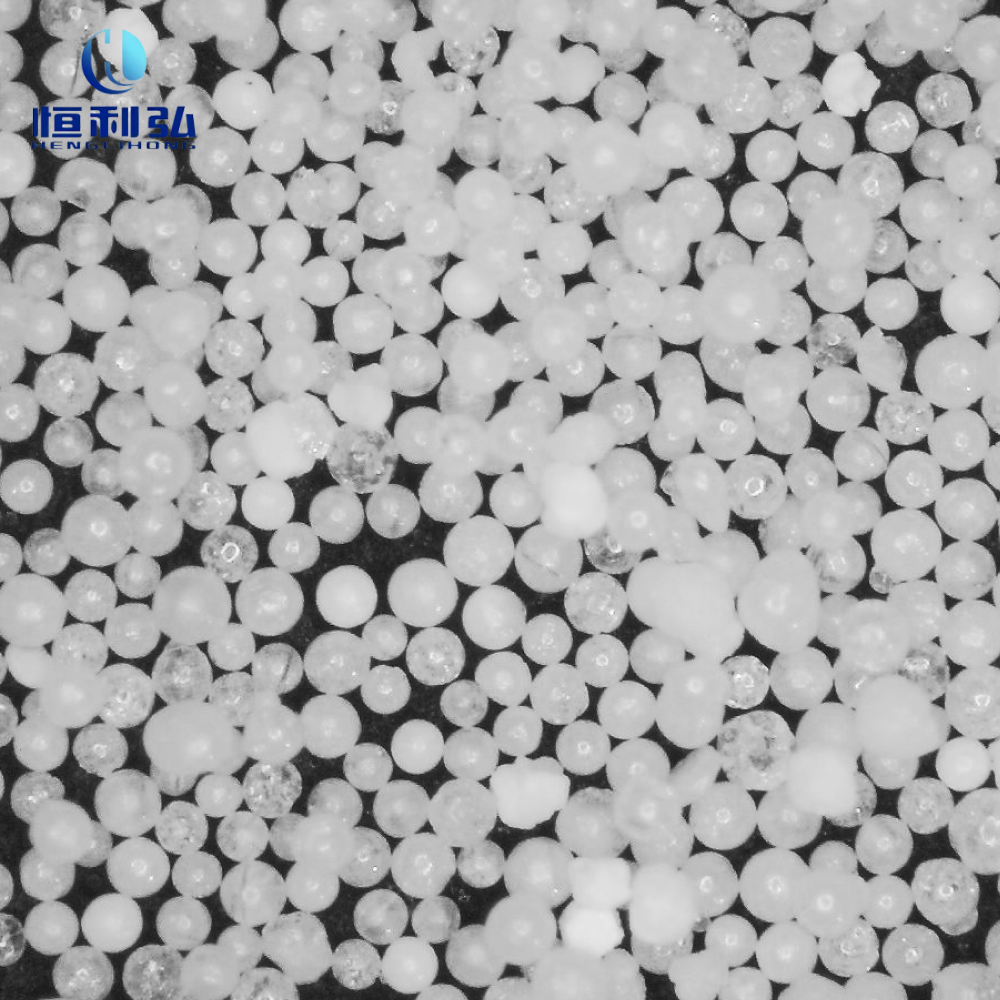
Стальная дробь is produced by atomization — a stream of molten steel is struck by high-pressure water jets, which break the stream into discrete droplets. As each droplet cools rapidly in mid-air, surface tension pulls it toward a spherical shape. The resulting particles are roughly spherical, with a microstructure of martensite or bainite depending on the quench rate. These are then heat-treated to achieve the specified hardness range (typically 40–51 HRC for SAE J827 shot), screened to size, and inspected for sphericity and defects.
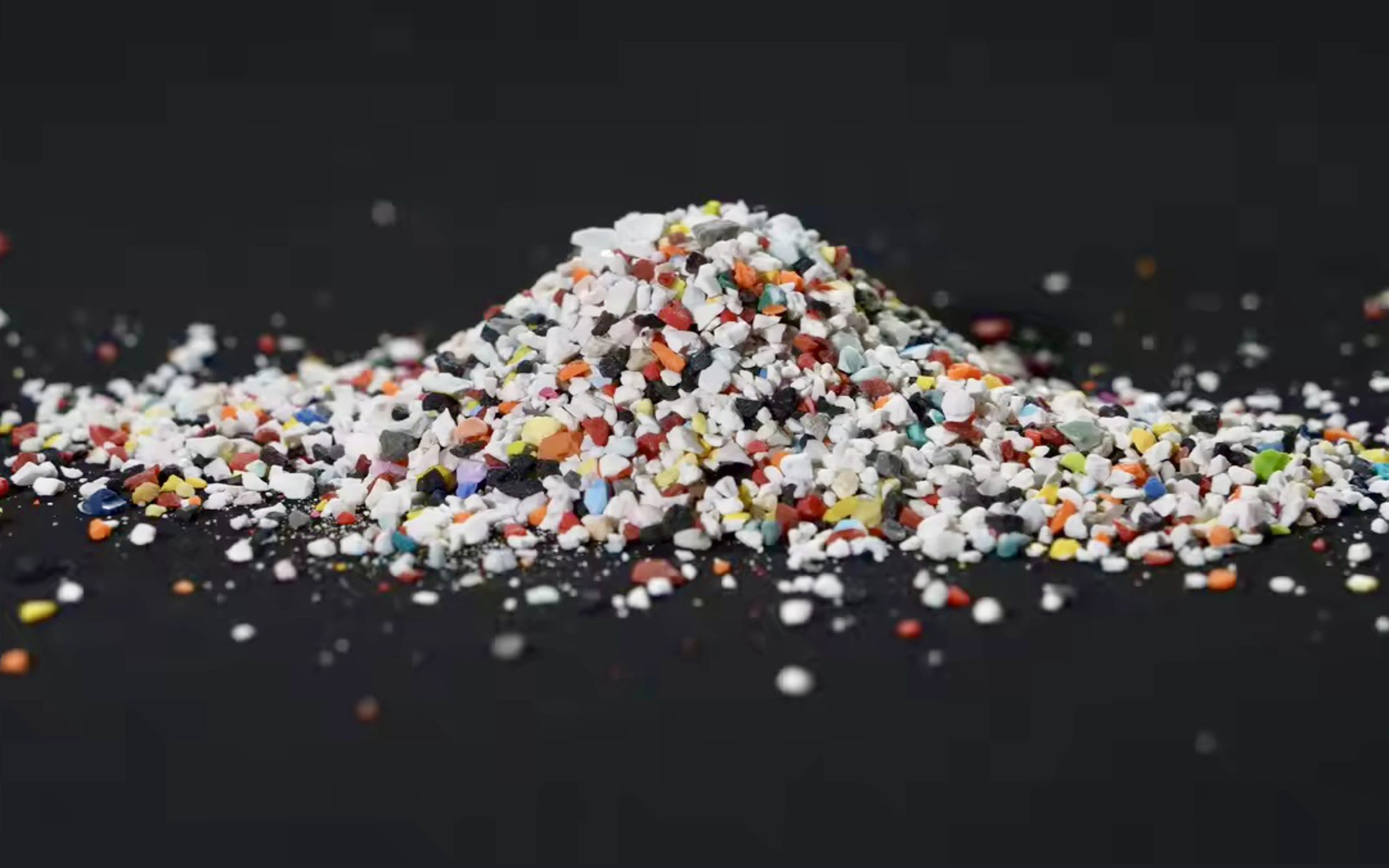
Стальная крошка is made by taking steel shot and mechanically crushing it. The crushing process fractures the spheres along brittle crystalline planes, creating irregular angular fragments — the “grit.” The crushed particles are then heat-treated to higher hardness levels (54–65 HRC, with specialized grades reaching 67–72 HRC for high-hardness applications), screened to the target particle size distribution, and quality-inspected. The angular shape is the defining characteristic: each grit particle presents sharp edges and corners that create a fundamentally different impact geometry on the blasted surface.
Steel Shot: Properties and Performance
The spherical morphology of steel shot means that each particle impacts the substrate with a rounded surface contact. The energy is distributed over a slightly larger contact area than an angular particle, and the predominant surface effect is compressive deformation — the substrate material is pushed down and outward by the impact rather than being cut away by a sharp edge. This produces the characteristic surface texture of shot blasting: a smooth, dimpled, peened finish with relatively low peak height and a uniform profile texture.
Key Characteristics of Steel Shot
- Hardness: 40–51 HRC (standard); available in softer grades (35–45 HRC) for specific peening applications
- Shape: Spherical; SAE J827 specifies minimum 85% truly spherical and a maximum defective rate
- Surface profile: Low Rz, smooth dimpled texture; typically 25–50 µm Rz on carbon steel
- Reuse cycles: Up to 3,000 in a properly maintained wheel blast machine with efficient separator
- Dust generation: Low to moderate; spherical particles generate less fines per impact than angular media
- Equipment compatibility: Optimal for centrifugal wheel blast machines; also used in pressure blast systems
What Steel Shot Is Best For
Shot peening is the primary precision application for steel shot — the controlled introduction of compressive residual stress in metal components to extend fatigue life. Springs, gears, crankshafts, connecting rods, turbine blades, and structural welds are routinely shot-peened to Almen intensity specifications to improve their resistance to cyclic loading and stress-corrosion cracking. This application demands a tightly specified shot size, hardness, and sphericity because the surface stress introduced is directly correlated to particle size and kinetic energy.
For scale removal and pre-paint preparation of steel plate and sections in structural fabrication shops, steel shot in S-330 to S-550 size range is the standard media on continuous conveyor wheel blast lines — where throughput (square meters per hour) and media recirculation efficiency (cost per square meter) are the dominant performance metrics. The smooth profile it creates is appropriate for many industrial primer and coating systems that specify Rz 40–70 µm profile.
Steel Grit: Properties and Performance
The angular morphology of steel grit creates a fundamentally different interaction with the substrate. Each particle arrives at the surface presenting one or more sharp corners or edges at the point of impact. The concentrated stress at those edges exceeds the substrate’s elastic limit locally, cutting rather than compressing — the result is a sharp, jagged anchor profile with high peak-to-valley height and a directional texture depending on blast angle. This aggressive profile is exactly what heavy protective coating systems require for mechanical adhesion.
Key Characteristics of Steel Grit
- Hardness: 54–65 HRC (GL/GH standard grades); high-hardness grades up to 67–72 HRC for specific applications
- Shape: Angular, irregular; produced by controlled fracture of steel shot
- Surface profile: High Rz; GL 25–GL 40 typically produces Rz 60–100 µm on carbon steel
- Reuse cycles: Up to 2,000 (lower than shot because angular particles fracture faster)
- Dust generation: Moderate; angular fracture produces more fine particles per cycle than spherical shot
- Equipment compatibility: Both wheel blast and pressure blast; angular shape causes higher liner wear in wheel blast
What Steel Grit Is Best For
Steel grit is specified wherever the coating system requires a deep anchor profile — typically Rz 70–120 µm — for mechanical adhesion. Heavy-duty epoxy systems used on offshore structures, pipeline exterior coatings, and immersion-service tank linings all specify Sa 2.5 or Sa 3 surface cleanliness with anchor profiles in the 70–100 µm range. Steel grit reliably achieves these outcomes in a single pass where steel shot would require multiple passes or cannot reach the specified profile depth.
For new steel fabrication where the surface may carry intact millscale (which shot blasting can flatten and bond to the surface rather than removing), steel grit’s aggressive cutting action removes millscale reliably in a single pass, ensuring the coating manufacturer’s Sa 3 requirement is met without re-work.
Head-to-Head Comparison
Steel Shot — Choose When:
- Shot peening for fatigue life improvement is required
- Smooth surface finish and low profile depth are specified
- Operating a continuous-feed centrifugal wheel blast line
- Maximum reuse cycles (up to 3,000) are a priority
- Descaling pre-painted or pre-galvanized steel sections
- Substrate is relatively free of heavy corrosion or millscale
Steel Grit — Choose When:
- Sa 2.5 or Sa 3 cleanliness with Rz 60–120 µm profile is specified
- Heavy millscale, thick rust, or old coatings must be removed
- Heavy-duty epoxy, zinc-rich, or immersion-service coating is being applied
- Aggressive profiling in a pressure blast system is required
- Single-pass efficiency on heavily corroded structural steel
- Hardness grade fine-tuning (GL vs GH) is needed for profile control
| Параметр | Стальной выстрел | Стальная крошка |
|---|---|---|
| Форма частиц | Spherical | Angular |
| Твердость | 40–51 HRC | 54–65 HRC |
| Surface Action | Compressive peening | Cutting/profiling |
| Profile Depth (Rz) | 25–50 µm typical | 60–120 µm typical |
| Cleanliness (Sa) | Sa 2–Sa 2.5 | Sa 2.5–Sa 3 |
| Reuse Cycles | Up to 3,000 | Up to 2,000 |
| Dust Generation | Low-Moderate | Умеренный |
| Best Equipment | Wheel blast (ideal), pressure blast | Pressure blast, wheel blast (faster liner wear) |
| Unit Cost | Medium | Medium-High |
How to Choose: Shot, Grit, or Blend?
In many production environments, the choice is not binary. Blending steel shot and steel grit in ratios from 80:20 to 50:50 is a common operational practice that allows operators to tune the surface profile and finish between the extremes of pure shot (smooth, low-profile peened surface) and pure grit (deep, aggressive, high-profile anchor pattern). A 70:30 shot-to-grit blend on a wheel blast line, for example, can produce a profile in the Rz 50–75 µm range — appropriate for a wide range of industrial epoxy and polyurethane coating systems — while retaining most of the reuse-cycle economy of the shot-dominated mix.
For pressure blast operations in the field (structural steel, oil tanks, marine maintenance), pure grit in GL 25–GL 40 size is typically the correct specification for coatings requiring Sa 2.5 and Rz 60–100 µm. The aggressive cutting capability of grit compensates for the variable and often poor initial surface condition encountered on corroded structures in the field, where shot blasting alone frequently cannot achieve the cleanliness level in one pass within a productive operating time.
SAE / ISO Grade Standards
| Designation | Тип | Mean Diameter | Твердость | Standard |
|---|---|---|---|---|
| S-110 | Shot | ~0.3 mm | 40–51 HRC | SAE J827 |
| S-230 | Shot | ~0.6 mm | 40–51 HRC | SAE J827 |
| S-330 | Shot | ~0.8 mm | 40–51 HRC | SAE J827 |
| S-460 | Shot | ~1.1 mm | 40–51 HRC | SAE J827 |
| S-550 | Shot | ~1.4 mm | 40–51 HRC | SAE J827 |
| S-780 | Shot | ~2.0 mm | 40–51 HRC | SAE J827 |
| GL 16 | Grit | ~1.4 mm | 54–65 HRC | SAE J1993 |
| GL 25 | Grit | ~0.9 mm | 54–65 HRC | SAE J1993 |
| GL 40 | Grit | ~0.6 mm | 54–65 HRC | SAE J1993 |
| GL 80 | Grit | ~0.3 mm | 54–65 HRC | SAE J1993 |
| GL 120 | Grit | ~0.18 mm | 54–65 HRC | SAE J1993 |
Часто задаваемые вопросы
Yes. Blending grit and shot in wheel blast machines is a common practice for achieving intermediate surface profiles. The two materials can be mixed in any ratio in the working mix and processed together without equipment modification. The separator efficiency should be checked after introducing a mix, as the size and density distribution of the blended media may require separator adjustment to maintain the target working mix composition. Document the blend ratio and target profile when establishing a production standard so the mix can be maintained consistently.
Both products start from the same high-carbon steel melt, but they receive different heat treatments after forming. Steel shot is heat-treated to a target range of 40–51 HRC — hard enough to resist rapid fracture in service while retaining enough toughness to maintain spherical shape through thousands of impact cycles. Steel grit is heat-treated to 54–65 HRC or higher — a harder but more brittle microstructure that is acceptable in an angular particle (which will fracture progressively regardless), and which is necessary for the grit to cut the substrate effectively rather than simply plastically deforming it.
Read the coating manufacturer’s application data sheet (ADS) for the specific product being applied. It will specify: (1) the required surface cleanliness standard (e.g., Sa 2.5 per ISO 8501-1 or SSPC-SP 10 near-white); (2) the required surface profile range (e.g., 50–85 µm Rz or 2–3.5 mils Rz); and (3) the maximum allowable time between blasting and coating application. If the required profile is above Rz 60 µm, steel grit is almost certainly the correct choice. If it is below Rz 50 µm and peening stress is required, shot is indicated. If the specification sits between those values, a shot-grit blend or a fine grit grade can be trialed.
Request Steel Shot or Steel Grit Pricing
Jiangsu Henglihong Technology Co., Ltd. supplies SAE J827 steel shot and SAE J1993 steel grit across the full size range, with ISO-certified QMS and SGS inspection documentation. Get a factory-direct quotation for your volume.
Get a Free QuoteФильтры